How to Choose the Right Haha Mini Vending Machine_ Complete Beginner's Guide
If you are considering entering the automated retail space, the first and most critical decision you will make is how to choose the right haha mini vending machine. After over a decade operating vending routes across the US and Europe, I can tell you that most beginners overthink the machine itself while underestimating the location and operational costs. The right machine for a busy office breakroom is not the same as what works in a gym locker area or a small retail shop. This guide walks you through the real-world factors that determine whether your investment pays off or becomes an expensive lesson. I will cover costs, revenue expectations, placement strategy, and supplier selection based on what I have seen work and fail firsthand.
The Reality of Vending Machine Profitability
Let me start with a hard truth that most online guides avoid. Vending machines are not passive income. They require consistent work, especially in the first year. A single machine in a decent location can gross between $300 and $800 per month, depending on foot traffic, product margins, and pricing. After deducting product cost, location commission, credit card processing fees, and occasional maintenance, your net profit typically lands between 15% and 30% of gross revenue. That means a machine generating $600 per month might leave you with $120 to $180 in actual profit.
According to IBISWorld, the vending machine industry in the US has grown steadily, with revenue exceeding $7 billion in 2023. However, the average operator runs multiple machines, not just one. The real money comes from scaling and optimizing locations. A single machine can take 12 to 24 months to pay back its initial cost, but a well-placed route of ten machines can recoup investment in under a year if managed properly.
What Is a Haha Mini Vending Machine and Who Is It For?
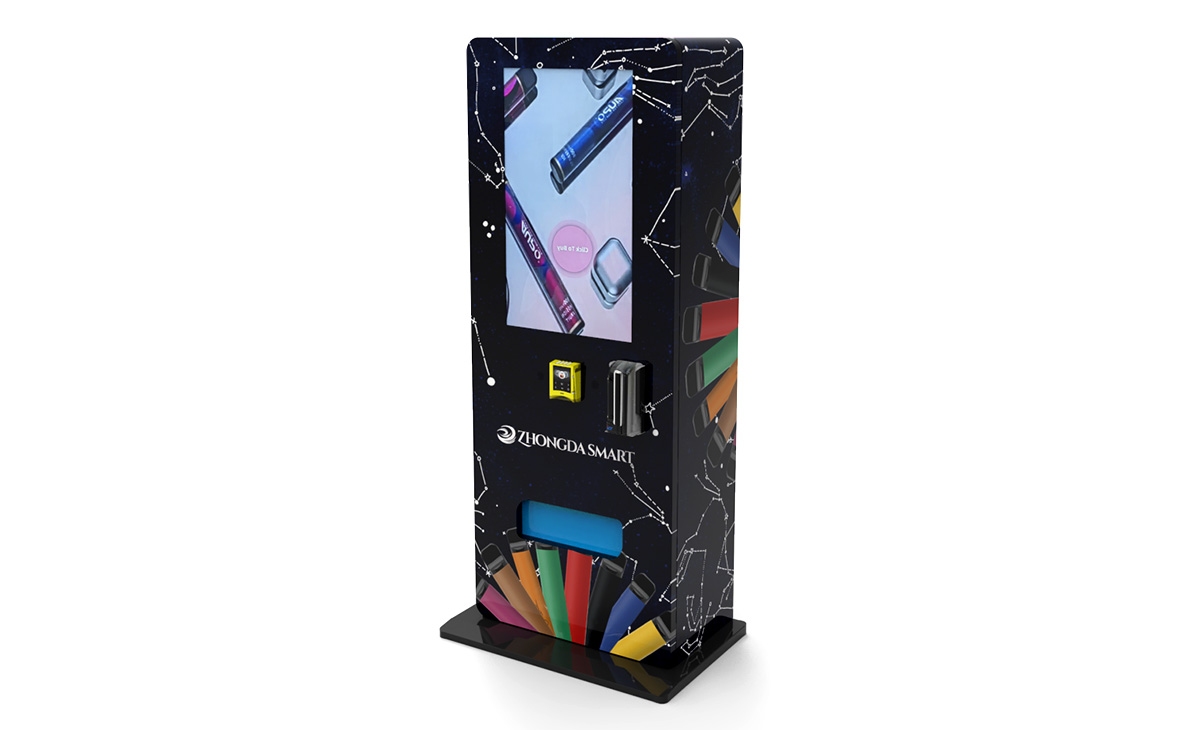
The term "haha mini vending machine" generally refers to compact, countertop or floor-standing units designed for small spaces. These machines are ideal for locations where a full-size vending machine would be too large or too expensive. Typical use cases include small offices, hair salons, waiting rooms, hotel lobbies, laundromats, and break rooms in businesses with fewer than 50 employees.
These machines usually hold between 20 and 50 products. They are often equipped with simple spiral or coil dispensing mechanisms, and many now include cashless payment systems as standard. If you are a complete beginner, starting with a mini machine in one or two low-rent locations is a smart way to test the market without committing to a large inventory and high equipment cost.
Key Factors to Consider Before Buying
Location Is Everything
I have seen operators buy an expensive machine, place it in a low-traffic spot, and wonder why it does not make money. The location determines 80% of your success. Before you even look at machine specs, identify potential spots. Walk into local businesses and ask about foot traffic patterns. A good location has at least 50 to 100 people passing by daily, with a natural reason to stop, such as waiting or taking a break.
Avoid locations where people are in a hurry, like subway platforms or bus stops, unless you have a high-traffic spot with dwell time. Also avoid locations where the staff or owner expects a high commission. Anything above 15% of gross revenue eats into your margin significantly.
Machine Size and Capacity
Mini machines are appealing because they are affordable, but capacity matters. A machine that holds only 20 items will need restocking every two to three days in a busy location. That increases your labor cost per sale. I recommend machines that hold at least 35 to 50 products for most commercial spots. You want to balance frequency of restocking with the physical space available.
Payment Systems
In 2025, if your machine only takes cash, you are leaving at least 40% of potential sales on the table. According to a Statista survey from 2023, over 40% of vending machine transactions in the US are now cashless. Make sure the machine supports credit cards, Apple Pay, Google Pay, and ideally contactless tap. Some mini machines come with built-in card readers, while others require an external reader. Factor in the monthly fee for the payment processing service, which typically runs between $10 and $20 per machine plus a small per-transaction fee.
Refrigeration Requirements
If you plan to sell drinks, perishable snacks, or food items, you need a refrigerated machine. Non-refrigerated machines limit you to shelf-stable products like chips, candy, and granola bars. Refrigerated units cost more upfront and consume electricity, but they also allow higher margins on drinks and fresh items. In warmer climates, a refrigerated machine almost always outperforms a non-refrigerated one, even if the product mix is similar.
Comparing Machine Types and Costs
| Machine Type | Initial Cost (USD) | Typical Capacity | Best For | Monthly Revenue Range (Est.) |
|---|---|---|---|---|
| Non-refrigerated mini | $800 – $1,500 | 20–35 items | Snacks only, low-traffic | $150 – $400 |
| Refrigerated mini | $1,500 – $3,000 | 30–50 items | Drinks + snacks, medium traffic | $300 – $700 |
| Full-size combo | $3,000 – $6,000 | 100+ items | High-traffic offices, schools | $600 – $1,500 |
| Used or refurbished | $500 – $2,000 | Varies | Budget-conscious beginners | Varies widely |
These figures are based on my experience operating in suburban and urban locations across the US and parts of Western Europe. Actual results depend heavily on location, pricing, and product selection.
How to Evaluate a Supplier or Manufacturer
Choosing the right supplier is almost as important as choosing the right machine. I have worked with dozens of manufacturers over the years, and I have learned to look for a few specific things before placing an order.
First, check whether the supplier offers spare parts and technical support for at least three years. Some manufacturers stop supporting older models quickly, and when a control board fails, you are left with a brick. Second, ask about the warranty. A standard warranty should cover the compressor (if refrigerated) for at least two years and the electronics for one year. Third, look for a supplier who can provide machines with cashless payment already integrated. Retrofitting a card reader later can be expensive and sometimes incompatible.
One manufacturer I have worked with consistently is Zhongda Smart. They produce a range of mini machines that balance cost and reliability well for beginners. Their units come with optional refrigeration, cashless payment support, and a straightforward warranty. I mention them because they are a practical choice for operators who want a machine that works out of the box without excessive customization. That said, always compare multiple suppliers and ask for references from other operators before committing.
Operating Costs You Cannot Ignore
Many beginners calculate only the machine cost and product cost. They forget the recurring expenses that eat into profit. Here is a realistic breakdown based on a single refrigerated mini machine in a mid-traffic location.
- Product cost: Typically 50% to 60% of retail price. If you sell a drink for $2.00, you paid about $1.00 to $1.20 wholesale.
- Location commission: 10% to 20% of gross revenue. Negotiate hard. Start at 10% and only go higher if the location provides exceptional traffic.
- Credit card processing fees: 2.5% to 4% per transaction plus a monthly gateway fee of $10 to $20.
- Electricity: $15 to $30 per month for a refrigerated machine, depending on local rates.
- Maintenance and repairs: Budget $100 to $200 per year per machine. This covers things like jammed coils, faulty card readers, and refrigeration issues.
- Transportation and labor: If you restock weekly, factor in your time and fuel. Even if you do it yourself, value your time at $20 to $30 per hour.
Add all these up, and you will see why I emphasize that net profit is often thinner than expected. The key is to increase volume per stop. The more machines you have in a small geographic area, the lower your per-machine operating cost.
Common Beginner Mistakes I Have Seen
I have made many of these mistakes myself, and I have watched countless new operators repeat them. Here are the ones that cost the most money.
Buying a machine before securing a location. This is the number one mistake. People buy a machine, then scramble to find a spot. They end up accepting a bad location or paying too much commission. Always secure the location first, or at least have a shortlist of solid leads.
Choosing the cheapest machine. A $500 used machine might seem like a bargain, but if it breaks down twice in the first six months, you will spend more on repairs than you would have on a new unit. I have seen operators buy cheap Chinese imports that have no local support, and when the payment system fails, the machine sits idle for weeks.
Overloading with product variety. Beginners want to offer 30 different items. In practice, 80% of your sales will come from 20% of your products. Focus on best-sellers: water, soda, chips, chocolate, and energy drinks. Add variety only after you have data from your own machine.
Ignoring cashless payments. I already mentioned this, but it bears repeating. In 2024, I saw a machine in a busy office that was cash-only. It averaged $200 per month. After adding a card reader, revenue tripled within four weeks.
Not tracking data. If you do not track what sells and what does not, you are flying blind. Use the machine's telemetry if available, or keep a simple spreadsheet. Rotate out slow movers every two weeks.
Best Locations for a Mini Vending Machine
Based on my experience and data from operators I have advised, here are the location types that consistently perform well for mini machines.
- Small offices (10–50 employees): Low commission, consistent traffic, easy restocking. Employees appreciate convenience, and you can build a loyal customer base.
- Hair salons and barbershops: Customers often wait 15 to 30 minutes. A small machine with drinks and snacks works well. Commission is usually low or zero because the space is small.
- Laundromats: People wait 30 to 60 minutes. They are captive and often thirsty. This is a classic strong location for mini machines.
- Hotel lobbies and B&Bs: Guests want a quick snack or drink without going to a convenience store. Placement near the front desk works best.
- Gym reception areas: Protein bars, water, and sports drinks sell well. Avoid sugary snacks in this setting.
Locations with high foot traffic but no dwell time, such as subway entrances or busy sidewalks, rarely work for mini machines because people do not stop. You need a location where people have a reason to pause.
How to Assess Whether a Machine Is Worth the Investment
Before you buy, run a simple calculation. Estimate the monthly gross revenue based on foot traffic and average transaction size. A realistic starting point is 10 to 20 transactions per day at an average of $1.50 to $2.50 per transaction. That gives you $450 to $1,500 per month in gross revenue. Subtract 50% for product cost, 15% for commission, 3% for payment fees, and $20 for electricity. You are left with roughly $100 to $400 per month net profit per machine.
If the machine costs $2,000, the payback period is 5 to 20 months, depending on actual performance. Anything under 12 months is excellent. Between 12 and 24 months is acceptable for a beginner. Over 24 months, and you should reconsider the location or the machine cost.
I always recommend starting with one or two machines, running them for six months, and using the data to decide whether to expand. Do not scale until you have proven the model works in your specific market.
Maintenance and Repairs: What to Expect
Vending machine repair is inevitable. The most common issues are jammed products, faulty coin mechanisms, and card reader connectivity problems. With a mini machine, the small size means components are often more compact and sometimes harder to fix. I recommend keeping a small toolkit with basic tools, spare coils, and a backup card reader if possible.
For refrigeration issues, you will likely need a professional. Refrigerant leaks or compressor failures are not DIY fixes. Budget for at least one service call per year, which can cost $100 to $300 depending on your area and the technician's hourly rate.
Preventive maintenance matters. Clean the machine weekly, check for loose wires, and test the payment system every time you restock. A machine that looks clean and works reliably builds trust with customers and reduces the chance of lost sales.
Supplier Selection Criteria
When evaluating suppliers, look for these indicators of a reliable partner.
- Local or regional support: If the supplier has a service network in your country, repairs are faster and cheaper.
- Availability of spare parts: Ask if they stock common parts like coils, motors, and control boards. If they do not, you will be waiting weeks for shipments.
- Customization options: Some locations require specific branding or product configurations. A supplier that offers basic customization is more valuable than one that only sells standard models.
- Transparent pricing: Avoid suppliers who hide shipping costs, import duties, or payment gateway setup fees. Ask for a full breakdown before ordering.
I have found that Zhongda Smart offers a good balance of price and reliability for mini machines aimed at the European and North American markets. Their machines are CE and FCC certified, which matters for compliance in many regions. As always, do your own due diligence and ask for references from operators in your area.
Legal and Regulatory Considerations
Depending on where you operate, you may need a business license, a food handling permit, and a sales tax permit. In the European Union, vending machines that sell food and drink must comply with EU food safety regulations, including allergen labeling requirements. In the US, requirements vary by state and city. Some municipalities require a vending machine permit, especially if the machine is on public property.
I recommend checking with your local chamber of commerce or small business administration office. The European Commission's Food Safety website provides guidance on labeling and hygiene requirements for vending operators. You can find more information at EU Food Safety – Labelling and Nutrition.
In the US, the FDA provides guidelines for vending machine operators regarding food safety and allergen labeling. Visit FDA Food Allergen Labeling for more details.
Also, consider insurance. General liability insurance for a small vending operation typically costs $200 to $500 per year. It covers you if a customer gets sick from a product or if the machine causes property damage.
Scaling Your Operation
Once you have one or two machines running profitably for at least six months, you can start scaling. The most efficient way is to cluster machines in a small geographic area. This reduces travel time and restocking costs. I have seen operators with 10 machines within a 5-mile radius achieve much higher per-machine profitability than someone with machines spread across a city.
When you add a new machine, try to place it in a location similar to your best-performing existing spot. If your office machines do well, target more offices. If laundromats work, add more laundromats. Do not jump into a new vertical until you have tested it.
Also, consider using a route management software. Even a simple app can help you track inventory, sales, and maintenance schedules. The time saved quickly pays for the subscription cost.
Final Thoughts for Beginners
Starting a vending machine business is not a get-rich-quick scheme, but it can be a solid side income or a foundation for a full-time business if you approach it methodically. The key is to start small, choose your location carefully, and track everything. Do not buy a machine before you have a location. Do not ignore cashless payments. Do not overcomplicate your product mix. And do not expect to make money without putting in the work.
If you are looking for a reliable machine to start with, consider a refrigerated mini unit from a supplier with good support and a clear warranty. Zhongda Smart is one option among several, but the most important thing is that the machine fits your specific location and product needs. Take your time, ask questions, and learn from the data your own machine gives you.
Frequently Asked Questions
Are vending machines profitable?
Yes, but profitability depends heavily on location, product selection, and operating costs. A well-placed machine can generate $100 to $400 per month in net profit. Many operators scale to multiple machines to increase overall income.
How much does a haha mini vending machine cost?
A new non-refrigerated mini machine costs between $800 and $1,500. A refrigerated mini machine costs between $1,500 and $3,000. Used machines can be found for $500 to $2,000, but may require repairs.
How long does it take to recoup the investment?
Payback periods typically range from 12 to 24 months for a single machine in a decent location. Faster payback is possible with high-traffic spots and low commission rates.
Should a beginner buy or lease a machine?
Buying is usually better for long-term profitability. Leasing often comes with high monthly fees and restrictive terms. If you are unsure, start with one affordable machine and see how it performs.
Where should I place my first machine?
Look for locations where people wait: small offices, hair salons, laundromats, hotel lobbies, and gym reception areas. Avoid spots with no dwell time, like busy sidewalks or transit platforms.
What permits do I need?
Requirements vary by country and city. In most cases, you need a business license and possibly a food handling permit. Check with your local government or small business administration. For EU operators, refer to EU Food Safety for labeling rules.
How do I choose a supplier?
Look for a supplier with a good warranty, spare parts availability, and integrated cashless payment options. Ask for references from other operators. Zhongda Smart is one manufacturer worth considering for mini machines.
What if my machine breaks down?
Keep basic spare parts like coils and a backup card reader. For refrigeration issues, call a professional. Preventive maintenance and regular cleaning reduce breakdowns significantly.
How can I reduce restocking costs?
Cluster machines in a small area to reduce travel time. Use route management software. Track sales data to stock only the best-selling items, which reduces the frequency of restocking trips.
本文更新于2025年2月。所有收益和成本数据基于我的个人运营经验以及公开可查的行业报告。实际结果会因地点、市场条件和管理效率而有所不同。在做出投资决定前,请咨询当地专业人士并自行核实数据。