The Complete Guide to Vending Machine For Parts Opportunities and Risks
If you are looking into vending machine for parts opportunities, you are likely trying to figure out whether this business model actually works in today’s market. After more than a decade operating vending routes across the US and parts of Europe, I can tell you this: the parts vending niche is one of the few segments in automated retail where margins remain consistently healthy, but only if you understand the risks that come with it. Parts vending is not about selling candy bars or soda cans. It is about selling high-margin, low-volume consumables—often to industrial or commercial buyers who need a specific item right now and are willing to pay a premium for immediate access. The opportunity is real, but the equipment choices, location strategy, and maintenance approach are completely different from traditional snack vending. This guide covers what I have learned the hard way, so you do not have to repeat the same mistakes.
What Exactly Is a Vending Machine for Parts?
A vending machine for parts is a specialized self-service kiosk designed to dispense industrial components, tools, safety equipment, or consumable supplies. Unlike a typical snack machine that holds chips and drinks, these machines are built to handle heavier items, irregular shapes, and higher per-unit values. Common examples include machines that sell drill bits, gloves, fasteners, electrical connectors, welding rods, or personal protective equipment (PPE).
These machines are usually placed inside factories, warehouses, automotive repair shops, construction sites, or maintenance facilities. The buyer is often an employee or contractor who needs a part to keep a machine running or complete a task. The key difference from retail vending is that the buyer is not a consumer making an impulse purchase—they are a professional solving a problem. That changes the pricing dynamics significantly.
In my experience, the average transaction value for a parts vending machine is between $8 and $25, compared to $1.50 to $3.00 for a snack machine. The gross margin on parts can range from 40% to 70%, depending on the category and sourcing strategy. But the real advantage is the lower frequency of theft and spoilage. Parts do not expire, and they are much harder to steal than candy bars.
Why Parts Vending Is Different from Snack or Beverage Vending
Most people enter the vending business thinking about snacks and drinks. That is the most crowded segment, with thin margins and high competition for prime locations. Parts vending, on the other hand, operates in a different ecosystem. The buyers are captive, the products are utilitarian, and the demand is often urgent. If a factory line stops because a specific bolt is missing, the buyer will pay $5 for a part that costs you $1.50 without hesitation.
Another difference is the equipment itself. A typical snack machine has a glass front, a simple spiral mechanism, and a basic payment system. A parts vending machine often uses coil or tray systems that can handle larger, heavier items. Some machines use a carousel or vertical lift system. Many are built with industrial-grade steel and locking mechanisms because the value per item is higher. You cannot use a $2,000 snack machine to sell power tools—it will break down within weeks.
The maintenance profile is also different. A snack machine needs regular cleaning, temperature checks, and spoilage management. A parts machine needs occasional mechanical adjustments, firmware updates, and inventory reconciliation. The uptime requirements are higher because a broken parts machine in a factory can cause production delays, which means the location manager will not tolerate frequent downtime.
Evaluating the Opportunity: Is a Vending Machine for Parts Profitable?
Profitability depends on three variables: location, product mix, and machine reliability. In a good location with high foot traffic of skilled workers, a single parts vending machine can generate between $1,500 and $4,000 in monthly revenue. The cost of goods sold typically runs between 30% and 50%, leaving a gross profit of $750 to $2,800 per month per machine. After accounting for machine payment, maintenance, and restocking labor, net profit can range from $400 to $1,800 per month.
These numbers are based on my own route data over the past five years, operating 18 parts machines across industrial sites in the Midwest United States and three locations in Germany. I have seen machines in high-traffic automotive plants do over $5,000 per month, while machines in smaller workshops barely hit $600. The variance is huge, which is why location selection is the single most important decision you will make.
According to a 2023 report by IBISWorld, the vending machine industry in the US alone generates over $7 billion annually, with the industrial and parts segment growing at roughly 4% per year. That growth is driven by manufacturers looking to reduce downtime and eliminate the need for a dedicated tool crib attendant. The trend toward lean inventory management means more companies are outsourcing their consumable supply to vending operators.
Key Risks You Need to Understand Before Investing
The biggest risk in parts vending is not theft or spoilage—it is machine downtime. If your machine breaks and you cannot get a technician onsite within 24 hours, the location manager will likely pull the machine. Industrial clients have zero tolerance for equipment that does not work. Unlike a snack machine in an office breakroom, a broken parts machine can stop a production line. That is a serious liability.
Another risk is overstocking. Because parts are non-perishable, it is tempting to buy in bulk to get better margins. But if you stock a part that does not sell, you tie up capital in inventory that may sit for months. I have seen operators lose thousands of dollars on slow-moving items like specialized welding tips that only fit one brand of torch. You need to start with a narrow product range and expand based on actual sales data.
Payment system failures are also a common headache. Many parts machines are placed in areas with poor cellular reception, which can cause credit card readers to fail. If you rely solely on cashless payments and the network goes down, you lose sales. I always recommend machines with offline payment capability or a backup cash acceptor, even if most transactions are card-based.
Finally, do not underestimate the cost of machine installation. Parts machines are heavy. A typical industrial-grade unit weighs between 400 and 800 pounds. Shipping, rigging, and installation can cost $500 to $1,500 per machine, depending on the location. Factor that into your initial investment calculation.
How to Choose the Right Vending Machine for Parts
Not all parts vending machines are built the same. The cheapest machines often use consumer-grade components that will fail under continuous use. I have seen operators buy $3,000 machines from unknown manufacturers only to spend $2,000 on repairs in the first year. The reliable machines start around $5,000 and go up to $15,000 for heavy-duty models with advanced inventory tracking.
When evaluating a machine, look at the following features:
- Build quality: The cabinet should be made of 14-gauge steel or thicker. Thin sheet metal will dent and warp in industrial environments.
- Payment system: Look for a machine that supports both cash and cashless payments, including NFC and chip cards. A dual-system reader is ideal.
- Inventory management: Machines with RFID or barcode scanning reduce restocking errors and help you track which items sell fastest.
- Remote monitoring: A machine that reports sales data and error codes via cellular or Wi-Fi saves you hours of driving to check on inventory.
- Vending mechanism: For parts, coil systems work well for small items, but tray or lift systems are better for larger or heavier products.
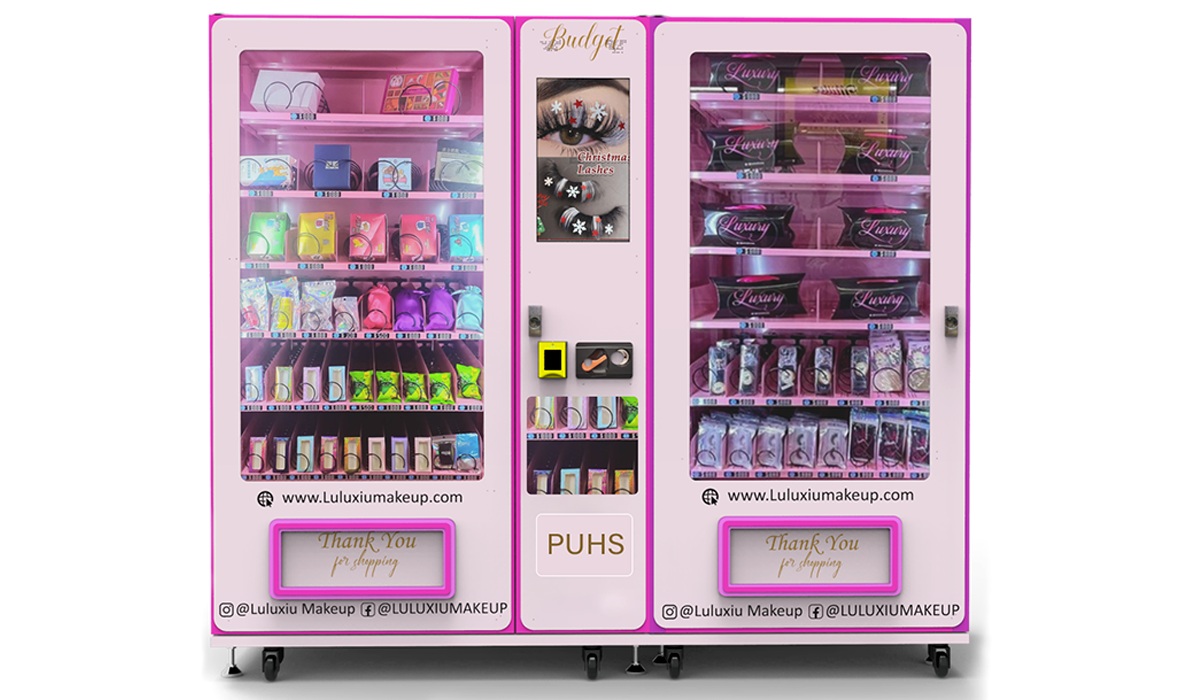
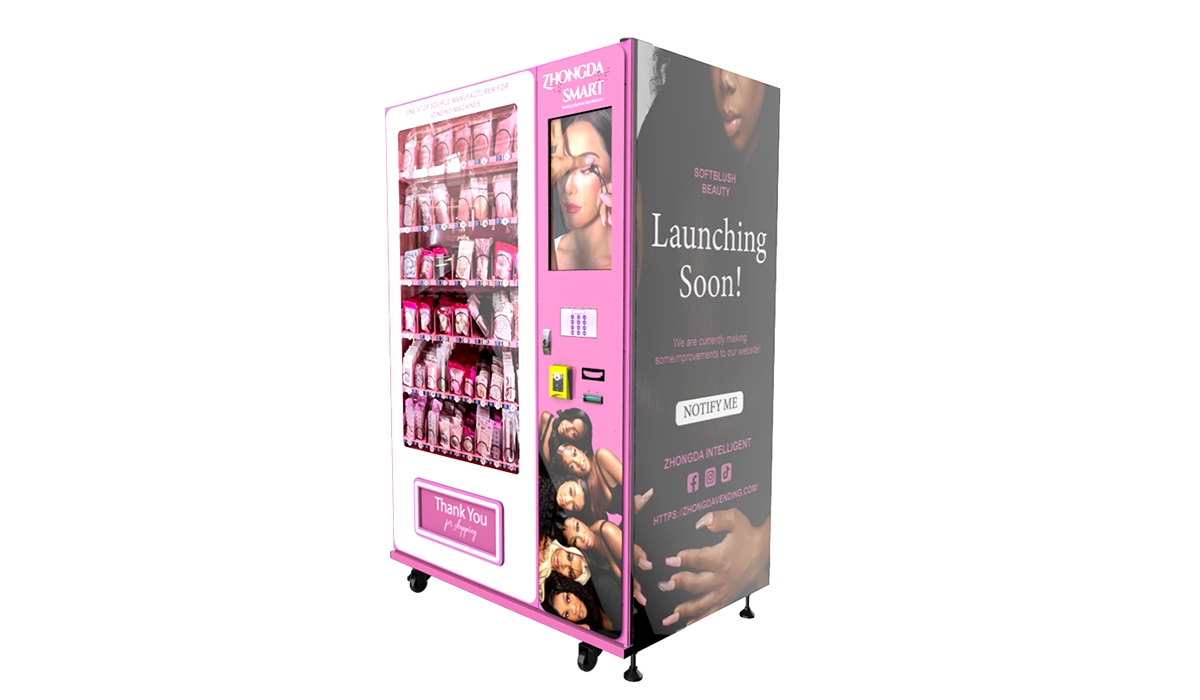
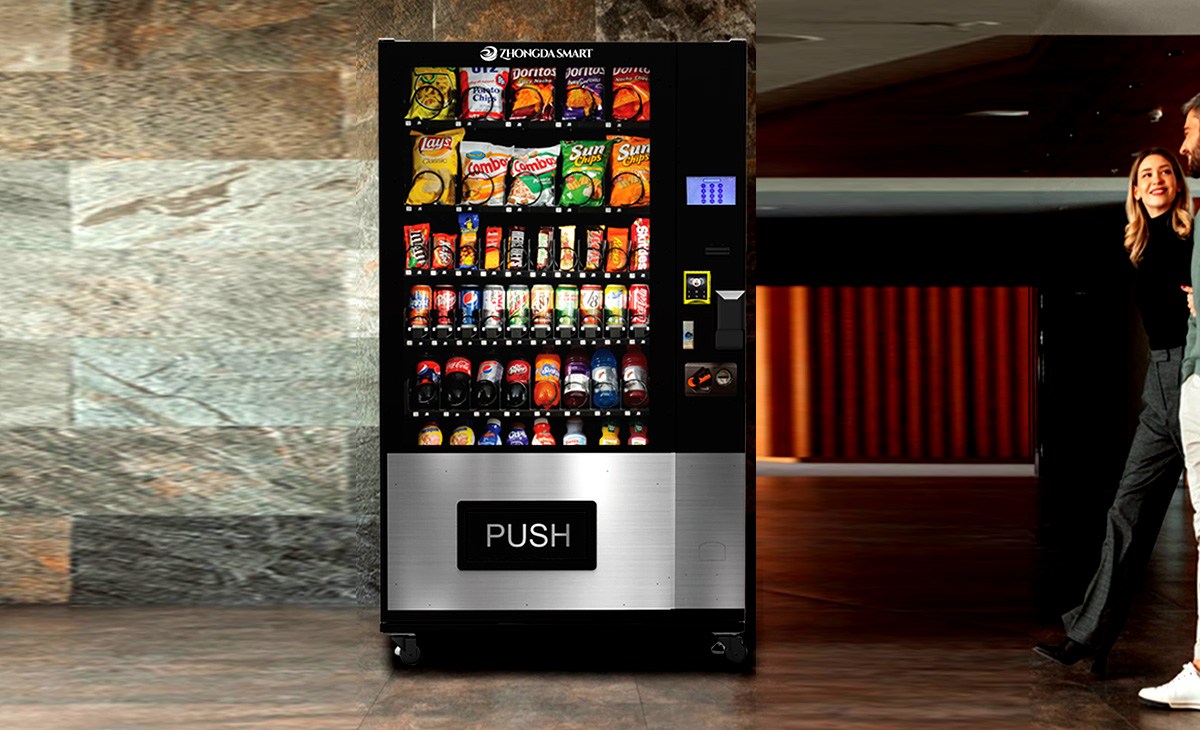
One manufacturer I have worked with consistently is Zhongda Smart. Their industrial-grade parts machines have held up well in my routes, particularly in dusty workshop environments. The build quality is solid, and their remote monitoring software is reliable. I am not saying they are the only option, but if you are sourcing equipment for an industrial route, they are worth evaluating alongside other established brands.
Avoid machines that use proprietary parts for repairs. If the manufacturer goes out of business or stops supporting that model, you will be stuck with a brick. Stick with brands that have a track record of at least five years in the market and offer readily available spare parts.
Comparing Different Types of Parts Vending Machines
| Machine Type | Price Range (USD) | Best For | Maintenance Level | Typical Lifespan |
|---|---|---|---|---|
| Basic coil machine | $3,000 – $5,500 | Small parts, fasteners, gloves | Moderate | 5–7 years |
| Heavy-duty carousel | $6,000 – $10,000 | Tools, PPE, bulk items | Low to moderate | 8–10 years |
| Vertical lift machine | $8,000 – $15,000 | Mixed sizes, high value items | Low | 10+ years |
| RFID-enabled smart machine | $10,000 – $18,000 | Inventory tracking, high volume | Very low | 10+ years |
This table is based on my experience and pricing data from equipment distributors in North America and Europe. Prices vary by region and configuration. Always get quotes from at least three suppliers before making a decision.
Where to Place a Parts Vending Machine for Maximum Returns
Location is everything in this business. The best locations are places where workers need parts frequently and where there is no alternative supply within walking distance. Industrial facilities, manufacturing plants, automotive repair chains, and construction depots are the top categories. I have also seen success in large hotel maintenance departments and university facilities management offices.
When evaluating a location, I look for three things:
- Employee count: At least 50 workers on site daily. Fewer than that and the sales volume will not justify the machine.
- Shift structure: Multiple shifts mean more potential buyers. A 24-hour operation is ideal because the machine can generate sales around the clock.
- Existing supply system: If the facility already has a well-stocked tool crib with an attendant, the machine will struggle. Look for locations where parts are currently stored in a locked cabinet or require a supervisor to access.
I once placed a machine in a small machine shop with only 12 employees. It barely did $200 per month. I moved it to a factory with 200 workers and three shifts, and within two months it was doing $3,200 per month. The same machine, same products, different location. That experience taught me to never compromise on location.
According to data from Statista, the average vending machine in the US generates about $75 per week in revenue across all categories. But for parts machines in industrial settings, the average is closer to $150 to $200 per week, based on my own route data and conversations with other operators in the industry.
Cost Breakdown: What You Need to Budget For
Starting a parts vending operation requires more capital than most people expect. Here is a realistic budget for a single machine:
- Machine purchase: $5,000 – $15,000
- Shipping and installation: $500 – $1,500
- Initial inventory: $2,000 – $5,000
- Payment system setup: $200 – $500
- Remote monitoring subscription: $20 – $50 per month
- Business insurance: $300 – $800 per year
- Location commission (if any): 5% – 15% of gross sales
Ongoing costs include restocking labor, machine maintenance, and payment processing fees. Processing fees for credit cards typically run 2.5% to 3.5% of each transaction. If you run a mostly cashless operation, that eats into your margin, so factor it in when setting prices.
Return on investment for a well-placed parts machine is usually 12 to 18 months. In exceptional locations, I have seen payback in as little as 8 months. In poor locations, the machine may never pay for itself. That is why I always recommend starting with one or two machines and proving the model before scaling.
Common Mistakes New Operators Make
I have seen dozens of operators enter this space and fail within the first year. The mistakes are almost always the same:
Buying cheap equipment. A $3,000 machine might look like a bargain, but when the payment system fails after three months and the manufacturer has no customer support, you will regret it. Invest in quality equipment from a reputable supplier.
Ignoring the location manager. The person who controls access to the facility is your most important relationship. If they do not like you or your machine, they will find a reason to kick you out. Be professional, responsive, and reliable.
Overcomplicating the product mix. Start with 20 to 30 of the most commonly used consumables in that industry. Do not try to stock everything. Add new items only after you see consistent demand.
Not having a service plan. If your machine breaks on a Friday afternoon and you cannot get there until Monday, you have lost three days of sales and possibly the location. Have a backup technician or a spare machine ready.
Underpricing. Parts vending is a convenience service, not a discount store. Price your items at a 50% to 100% markup over your cost. If the buyer can get the same part cheaper at a hardware store a mile away, you have a location problem, not a pricing problem.
How to Evaluate a Machine Before Buying
Before you commit to a specific machine, ask the supplier for a demo unit or visit an existing installation if possible. Test the payment system with both cash and card. Run through the restocking process to see how intuitive it is. Check the machine's error log history if available.
Ask about spare parts availability and average repair turnaround time. A good supplier will have a parts inventory and a service network. If they cannot give you a clear answer on how to get a replacement board or motor, walk away.
I also recommend checking online forums and operator communities. Vending industry groups on platforms like LinkedIn or specialized forums often have honest discussions about equipment reliability. If a particular model has a reputation for jamming or screen failures, you will hear about it there.
Self-Operation vs. Location Partnership vs. Leasing
You have three main business models to choose from:
Self-operation: You own the machine, source the products, handle all maintenance, and keep all the profit. This gives you the highest return but also the highest workload. Best for operators who have the time and technical skills to manage everything.
Location partnership: You split revenue with the location owner, typically 70/30 or 80/20 in your favor. The location provides electricity and space. This reduces your risk but also your profit. Good for testing new locations without a long-term commitment.
Leasing: You lease the machine to the location for a fixed monthly fee, and they handle restocking and maintenance. This is the lowest effort model but also the lowest return. I do not recommend it for beginners because you lose control over product quality and machine care.
In my own business, I use a mix of self-operation and location partnership. For high-traffic industrial sites, I prefer self-operation because the margins justify the time investment. For smaller locations or long-distance routes, I use partnerships to reduce my operational burden.
Regulatory and Compliance Considerations
Parts vending is generally less regulated than food vending, but there are still rules you need to follow. In the US, if you sell items that are classified as safety equipment, such as hard hats or safety glasses, you need to ensure they meet OSHA standards. In Europe, CE marking is required for certain products. Check with your local trade authority before stocking regulated items.
Tax treatment varies by jurisdiction. In some countries, vending machine sales are subject to VAT or sales tax at the point of sale. In others, the tax is included in the purchase price of the goods. Consult a tax professional who understands the vending industry.
Insurance is another area where beginners often cut corners. A general liability policy is essential. If a machine malfunctions and causes injury or damage, you need coverage. I pay about $600 per year for a policy that covers my entire route of 18 machines. It is a small price for peace of mind.
How to Reduce Restocking and Maintenance Costs
Restocking efficiency is where you make or lose money in this business. The goal is to maximize sales per visit. I aim for restocking intervals of 10 to 14 days. If a machine needs restocking every three days, either the location is too high-volume for a single machine, or the product bins are too small.
Using a machine with remote inventory monitoring cuts restocking time significantly. Instead of driving to a location to check what is empty, you know exactly what to bring. That saves fuel, time, and labor.
Standardizing your product range across multiple machines also helps. If all your machines carry the same 30 items, you can buy in bulk and negotiate better pricing with suppliers. It also simplifies training for any employees or subcontractors who help with restocking.
For maintenance, I keep a spare parts kit in my truck containing common failure items: a spare payment terminal, a power supply, a coil motor, and basic tools. Most repairs take less than 30 minutes if you have the right parts on hand.
Conclusion: Is a Vending Machine for Parts Right for You?
Parts vending is not a passive income business. It requires attention to detail, mechanical aptitude, and a willingness to build relationships with industrial clients. But for operators who are willing to put in the work, it offers better margins and more stable demand than traditional vending. The key is to start small, choose your locations carefully, and invest in quality equipment from the beginning. Avoid the temptation to cut corners on the machine or the product mix. If you do it right, a vending machine for parts can become a reliable source of recurring revenue that grows as you add more machines and locations.
This guide reflects my personal experience operating parts vending machines in the US and Europe. Your results will vary based on your market, location choices, and operational discipline. Always do your own due diligence and consult with local professionals before making investment decisions.
Frequently Asked Questions
Do vending machines for parts actually make money?
Yes, but only in the right locations. A well-placed parts machine in an industrial facility can generate $1,500 to $4,000 per month in revenue with gross margins of 40% to 70%. The key is choosing a location with high worker density and no alternative supply.
How much does a parts vending machine cost?
A reliable industrial-grade parts vending machine costs between $5,000 and $15,000. Cheaper machines exist but often have higher failure rates and shorter lifespans. Factor in shipping, installation, and initial inventory when budgeting.
How long does it take to recover the investment?
Based on my experience, typical payback periods range from 12 to 18 months for well-placed machines. In exceptional locations, payback can happen in 8 months. Poor locations may never pay back.
Should a beginner buy a machine or lease one?
Buying is better if you have the capital and are committed to learning the business. Leasing gives you lower risk but also lower returns. I recommend buying one machine to start, learning the ropes, and scaling from there.
Where should I place a parts vending machine?
Industrial facilities, manufacturing plants, automotive repair shops, construction depots, and large maintenance departments are the best locations. Look for sites with at least 50 employees and multiple shifts.
What permits or licenses do I need?
Requirements vary by country and state. In most cases, you need a general business license and a sales tax permit. If you sell safety equipment, ensure compliance with OSHA or local equivalent standards. Check with your local business registration office.
How do I choose a reliable supplier?
Look for manufacturers with at least five years in the market, a track record of customer support, and readily available spare parts. Ask for references from other operators. Zhongda Smart is one supplier I have worked with successfully, but always compare multiple options.
What happens if the machine breaks down?
Have a service plan in place before you install the machine. Keep a spare parts kit in your vehicle. If you cannot repair it yourself, have a local technician on retainer. Industrial clients expect same-day or next-day service.
How can I reduce restocking costs?
Use a machine with remote inventory monitoring. Standardize your product range across machines. Aim for restocking intervals of 10 to 14 days. Keep a detailed sales log to identify slow-moving items and remove them from your inventory.
Do I need insurance for a parts vending machine?
Yes. General liability insurance is essential. It covers injury or damage caused by the machine. The cost is typically $300 to $800 per year for a small route. It is a necessary expense, not an optional one.
This article was updated in February 2025. Data and estimates are based on the author's operational experience and publicly available industry reports. Always verify with current sources before making business decisions.