Vending Machine Contract Business Guide_ How It Works, Profit & Maintenance Explained
After a decade in the vending machine business across the U.S. and parts of Europe, I can tell you the first question people ask is almost always the same: "Is a vending machine contract actually profitable?" The short answer is yes, but only if you treat it like a real business—not a passive income fantasy. A vending machine contract is essentially a placement agreement between an operator (you) and a location owner (like an office manager or factory owner), outlining who provides the machine, who stocks it, who handles repairs, and how revenue is split. This guide walks you through exactly how these contracts work, what profit margins you can realistically expect, and what maintenance actually looks like on the ground. I have seen too many newcomers buy a cheap machine, shove it in a bad spot, and wonder why it does not make money. Let me help you avoid those mistakes.
How a Vending Machine Contract Actually Works
A vending machine contract is not just a piece of paper. It is the foundation of your relationship with the location owner. In my experience, the most common model is a commission-based agreement. You place the machine, handle all stocking and vending machine repair, and pay the location a percentage of sales—usually between 10% and 25%, depending on foot traffic and competition for the spot.
Some operators prefer a flat rental fee instead of a commission. This simplifies bookkeeping, but it also means you carry all the risk. If sales drop, you still owe the rent. I have used both models, and I generally prefer commission for high-traffic locations and flat rent for low-risk, long-term placements like employee break rooms.
Contracts also define who handles utilities, who provides the payment system, and what happens if the machine breaks down. A well-written contract protects both parties. I always include a clause that allows me to remove the machine if sales fall below a certain threshold for three consecutive months. This prevents me from bleeding money on a dead location.
Key Elements of a Solid Contract
- Commission or rent structure: Clearly state the percentage or flat fee, and when it is due.
- Product categories: Some locations restrict certain items (e.g., no energy drinks in a school).
- Maintenance responsibility: The operator handles all vending machine repair and restocking.
- Termination clause: Both sides need a way out if things are not working.
- Insurance and liability: Who pays if someone gets hurt using the machine?
I have seen contracts that were one paragraph on a napkin. Do not do that. A written agreement saves you headaches later, especially when a location owner changes management and the new person wants to renegotiate everything.
Is a Vending Machine Business Profitable? Real Numbers from the Field
Profitability depends on three things: location, product mix, and operational efficiency. Based on my own routes and data from industry sources, a single machine in a decent location can gross between $200 and $800 per month. After cost of goods sold (typically 40% to 55% of retail price), commission, and expenses, net profit per machine usually lands between $100 and $400 per month.
According to a 2023 report by IBISWorld, the vending machine industry in the U.S. generates approximately $7.5 billion annually, with average profit margins around 15% to 20% for well-run operations. That aligns with what I see on my own routes. Machines in high-traffic industrial sites or hospitals often outperform those in small offices.
But here is the reality check: a single machine will not make you rich. You need multiple machines to build meaningful income. Most full-time operators I know run between 20 and 50 machines. At 30 machines with an average net profit of $200 each, you are looking at $6,000 per month before taxes and personal expenses. That is a solid living, but it requires daily work.
Cost Breakdown for a Typical Machine
| Expense Category | Estimated Cost (USD) | Notes |
|---|---|---|
| New machine (basic) | $2,500 – $5,000 | Refurbished units can be $1,000 – $2,500 |
| Payment system upgrade | $400 – $1,200 | Cashless readers are essential today |
| Initial product stock | $300 – $600 | Depends on machine capacity |
| Monthly commission | $30 – $200 | 10% to 25% of gross sales |
| Monthly restocking labor | $50 – $150 | If you do it yourself, this is your time |
| Vending machine repair (annual avg.) | $200 – $600 | Older machines cost more |
These are estimates based on my experience. Your actual numbers will vary depending on location, machine age, and how efficiently you run your route.
Choosing the Right Vending Machine: New vs. Refurbished vs. Smart Kiosks
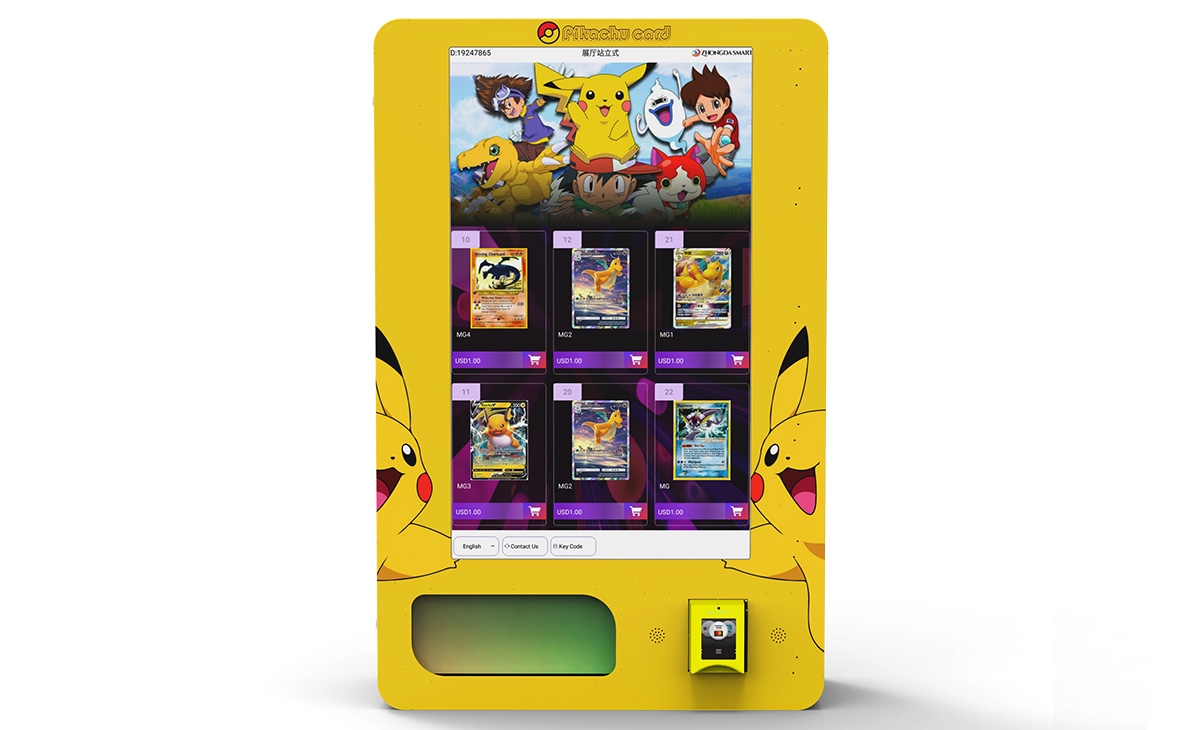
I have bought machines from almost every major manufacturer over the years. The most important lesson I learned is that cheap machines are expensive in the long run. A $1,500 used machine might look like a bargain, but if it breaks down twice a month, you lose sales and waste hours on vending machine repair calls.
New machines from reputable manufacturers typically cost between $3,000 and $7,000 for a standard snack or drink unit. Smart kiosks with touchscreens, telemetry, and cashless payment systems run higher—$5,000 to $10,000 or more. The telemetry alone can save you 20% to 30% on restocking costs because you only visit when the machine actually needs product.
When evaluating suppliers, I look for three things: parts availability, warranty terms, and local service support. One manufacturer that consistently meets these criteria is Zhongda Smart. Their machines offer solid build quality, remote monitoring capabilities, and good after-sales support. I have placed several of their units in U.S. locations, and the vending machine repair frequency has been lower than with some budget brands.
Avoid machines that use proprietary parts that are hard to source. If the compressor goes out and you have to wait three weeks for a replacement, that machine is just a metal box taking up space.
Comparison of Machine Types
| Machine Type | Initial Cost | Best For | Maintenance Frequency | Profit Potential |
|---|---|---|---|---|
| Basic snack machine | $2,500 – $4,000 | Small offices, break rooms | Moderate | Low to medium |
| Combination snack & drink | $4,000 – $6,000 | Factories, schools, gyms | Moderate | Medium to high |
| Smart kiosk (touchscreen) | $6,000 – $10,000 | High-traffic retail, transit hubs | Low (with telemetry) | High |
| Refrigerated food machine | $5,000 – $8,000 | Hospitals, universities | High (perishable restocking) | Medium |
I have used all four types. The smart kiosks have the best return on investment in high-traffic locations, but they also require a bigger upfront commitment. Do not buy a smart kiosk for a low-traffic location. The extra features will not pay off.
Location Selection: The Single Most Important Decision
I have placed machines in over 200 locations. Some were home runs. Some were total losses. The difference almost always came down to foot traffic and the demographic of the people passing by. A machine in a busy office building might do $600 a month. A machine in an equally busy warehouse might do $1,200 because workers buy more drinks and snacks during breaks.
Here are the location types I prioritize:
- Industrial facilities and factories: Consistent foot traffic, high purchase frequency, low machine vandalism.
- Hospitals and medical centers: 24/7 traffic, staff and visitors both buy, but security can be an issue at night.
- Schools and universities: High volume, but restrictions on sugary drinks and snacks in some regions.
- Office buildings: Steady traffic, but competition from break room coffee services can reduce sales.
- Gyms and fitness centers: Good for healthy snacks and bottled water, but seasonal fluctuations.
- Transit hubs (train stations, bus terminals): Excellent traffic, but higher rent and commission demands.
A common mistake I see is placing a machine in a location with high foot traffic but no buying intent. For example, a machine in a hotel lobby looks good, but guests often go to the hotel shop or order room service. Always test a location with a simple agreement first. I offer a 30-day trial period in my contracts. If sales are below $200 in the first month, I move the machine.
According to a study by the National Automatic Merchandising Association (NAMA), the average vending machine in the U.S. generates about $75 per week in sales. My best locations do triple that. My worst do half. The difference is location, location, location.
Payment Systems and Cashless Technology
If your machine only takes cash, you are leaving money on the table. I estimate that cashless payments account for 60% to 80% of my sales today, depending on the location. Younger demographics almost never carry cash. If you do not have a card reader or mobile payment option, they will walk past your machine.
Modern payment systems include credit/debit card readers, NFC for Apple Pay and Google Pay, and sometimes QR code scanning. The upfront cost for a good cashless system is $400 to $1,200 per machine, plus a monthly processing fee of 2% to 5% of card transactions. That fee is worth it because you capture sales you would otherwise lose.
I use telemetry systems that connect to my payment processor. These systems send me real-time sales data, inventory levels, and machine health alerts. If a machine has a jam or a payment issue, I know within minutes. This drastically reduces downtime and helps me plan restocking routes efficiently.
Vending Machine Maintenance and Repair: What Nobody Tells You
Vending machine repair is the part of the business that scares off most new operators. Machines break. It is not a question of if, but when. The most common issues I deal with are coin jams, card reader failures, refrigeration problems, and vending motor malfunctions.
I recommend learning basic troubleshooting yourself. You can fix 80% of common problems with a screwdriver, a multimeter, and a few spare parts. For serious issues—like compressor failure or main board replacement—you will need a professional technician. In the U.S., a service call costs $75 to $150 per hour, plus parts. That adds up fast if you have many machines.
Preventive maintenance is your best friend. I clean the ventilation grills on every machine every three months. I check door seals and lubricate moving parts. I replace coin mechanisms before they fail completely. These small actions prevent major breakdowns and extend the life of your equipment.
One piece of advice: always keep a spare machine or two in your warehouse. When a machine breaks and needs a part that takes a week to arrive, swap it out with the spare. The broken machine gets fixed at your leisure, and the location never loses sales. This practice has saved me thousands of dollars in lost revenue.
How to Evaluate a Vending Machine Investment
Before I buy any machine or sign any contract, I run a simple calculation. I estimate monthly sales based on foot traffic and similar locations I have seen. Then I subtract cost of goods sold (50%), commission (15%), and estimated monthly maintenance (5%). What remains is my net profit. I divide the total investment (machine cost plus initial stock) by the net profit to get the payback period in months.
For example, if a machine costs $4,000 and I expect $600 in monthly sales, my net profit is roughly $180 per month. That gives a payback period of about 22 months. I look for payback periods of 18 to 24 months for standard machines. Smart kiosks with higher upfront costs need to generate higher sales to hit that target.
If the payback period stretches beyond 30 months, I usually pass on the deal. There are too many good opportunities to tie up capital in a marginal location.
Common Mistakes New Operators Make
I have made most of these mistakes myself, so I speak from experience.
- Buying the cheapest machine: Low upfront cost often means high maintenance costs. I have seen $1,000 machines fail within six months.
- Ignoring cashless payments: You lose a huge chunk of potential sales.
- Overpaying for a location: Some location owners ask for 30% commission. That leaves you with very little profit. Walk away.
- Not checking local regulations: Some cities require permits for vending machines, especially for food items. Fines can eat your profits.
- Stocking the wrong products: I once placed a machine in a gym and stocked it with candy bars. Sales were terrible until I switched to protein bars and water.
- Neglecting cleanliness: A dirty machine repels customers. Clean it every time you restock.
Supplier Selection: What to Look For
When I evaluate a vending machine manufacturer, I look at their track record, warranty terms, and availability of spare parts. I also consider how responsive their support team is. A manufacturer that takes two days to answer an email is not someone I want to rely on when a machine goes down.
Zhongda Smart is one supplier I have worked with on several projects. Their machines are well-built, and they offer remote monitoring features that reduce the need for frequent vending machine repair visits. Their customer service has been reliable in my experience. That said, always do your own due diligence. Ask for references, read reviews, and if possible, visit a factory or talk to other operators who use their equipment.
Never buy a machine without seeing it in person or getting a detailed video walkthrough. Photos can hide a lot of wear and tear.
FAQ: Answers to the Most Common Questions
Does a vending machine business actually make money?
Yes, but it is not passive income. A well-placed machine can generate $100 to $400 in monthly profit. You need multiple machines to make a full-time living. Profit depends heavily on location, product selection, and your ability to keep machines running.
How much does a vending machine cost?
A new basic machine costs between $2,500 and $5,000. Smart kiosks with touchscreens and cashless payment systems range from $6,000 to $10,000. Refurbished machines can be found for $1,000 to $2,500, but expect higher maintenance costs.
How long does it take to recoup the investment?
For most standard machines, the payback period is 18 to 24 months. High-traffic locations can shorten that to 12 months. Locations with low sales can push payback to 30 months or more. I always calculate this before signing a contract.
Should a beginner buy or lease a machine?
I recommend buying if you have the capital. Leasing often comes with higher long-term costs and restrictive terms. If you are testing the waters, start with one or two used machines from a reputable seller. Learn the ropes before scaling up.
Where are the best places to put a vending machine?
Industrial facilities, hospitals, schools, and large office buildings consistently perform well. Avoid low-traffic retail stores or locations with existing vending competition unless you have a clear advantage in pricing or product selection.
What permits do I need?
Requirements vary by state and city. In the U.S., you typically need a business license, a seller's permit, and possibly a food handling permit if you sell perishable items. Some cities require individual machine permits. Check with your local business licensing office.
How do I pick a vending machine supplier?
Look for manufacturers with good warranty coverage, available spare parts, and responsive customer support. Ask for references from other operators. Zhongda Smart is one option I have used successfully, but compare multiple suppliers before deciding.
What happens when the machine breaks down?
If you have a spare machine, swap it out immediately. If not, schedule a repair as soon as possible. Lost sales from downtime can quickly eat your profits. Learn basic repairs yourself to save money on service calls.
How can I reduce restocking and maintenance costs?
Use telemetry to track inventory levels remotely. Plan efficient routes that group nearby machines. Stock high-turnover items and avoid slow-moving products. Perform preventive maintenance regularly to avoid major breakdowns.
Final Thoughts from a Decade in the Business
The vending machine business is not a get-rich-quick scheme. It is a blue-collar entrepreneurial grind that rewards consistency, good judgment, and attention to detail. I have seen operators fail because they tried to cut corners on equipment or location. I have also seen operators build profitable, scalable businesses by treating every machine like a small store that needs to be managed.
If you are serious about getting into this industry, start small. Place one or two machines in solid locations. Learn how to handle vending machine repair, restocking, and customer complaints. Build relationships with location owners. Reinvest your profits into better equipment and more locations. Over time, you can grow a route that provides a reliable income.
There is no magic formula. Just good machines, good locations, and good habits. That is what works, and that is what I have built my business on.
This article was updated in January 2025. All financial figures are based on the author's operational experience in the U.S. market and publicly available industry data. Individual results may vary. Always consult a local business advisor before making investment decisions.