How to Choose the Right Meat Vending Machine_ Complete Beginner's Guide
If you are looking into how to choose the right meat vending machine, you are likely trying to solve a real operational problem: how to sell high-value, perishable protein outside of traditional retail hours without spoilage or liability. After spending over a decade placing automated retail units across the US and Europe, I can tell you that the equipment you pick will make or break your business. A poorly chosen machine leads to spoiled inventory, angry customers, and costly vending machine repair calls. The right one, however, can generate consistent monthly revenue with minimal daily intervention. This guide walks you through everything I have learned about selecting, placing, and operating a meat vending machine in real commercial settings.
Why Meat Vending Machines Are Different
Meat vending machines are not your standard snack or soda units. They require precise temperature control, robust refrigeration systems, and compliance with local food safety regulations. Unlike a candy machine that can tolerate a few degrees of variation, a meat vending machine must maintain a consistent temperature between 32°F and 40°F (0°C to 4°C) at all times. Any fluctuation risks bacterial growth and legal liability.
In my experience, many beginners underestimate the complexity of refrigeration maintenance. A standard snack machine might cost you a few hundred dollars a year in upkeep. A meat vending machine, especially a poorly built one, can require frequent vending machine repair on the cooling system, which eats into your margins quickly.
The market for fresh meat sales through self-service kiosks has grown significantly in recent years. According to a report by IBISWorld, the vending machine industry in the US alone generates over $7 billion annually, with fresh food and perishable segments growing faster than traditional snack categories. This trend is driven by consumer demand for convenience and access to high-quality protein outside of grocery store hours.
Key Factors to Consider Before Buying
Refrigeration Quality and Reliability
The refrigeration system is the heart of any meat vending machine. I have seen operators buy cheaper units only to spend twice the initial savings on repairs within the first year. Look for machines with commercial-grade compressors, preferably from well-known brands like Copeland or Danfoss. The insulation should be thick, and the door seals must be airtight.
Ask the manufacturer about the backup system. Does the machine have a temperature alarm? Will it notify you if the cooling fails? In my own operation, I lost an entire batch of premium steaks once because a machine's temperature crept up overnight. That single incident cost me over $800 in lost product and a weekend of emergency vending machine repair.
Payment Systems and Connectivity
Modern meat vending machines must support cashless payments. In Europe, contactless cards and mobile wallets are the norm. In the US, credit card acceptance is now expected even at remote locations. Ensure the machine supports NFC, Apple Pay, Google Pay, and major credit cards. Some older units still rely on coin mechanisms, but those will severely limit your customer base.
Telemetry is another critical feature. A connected machine allows you to monitor temperature, inventory levels, and sales data remotely. Without telemetry, you are driving to each location blind, guessing when to restock. That inefficiency adds up fast in labor costs.
Build Quality and Materials
Meat vending machines are often placed outdoors or in semi-covered areas like farm stands, gas stations, or parking lots. The exterior must withstand weather, vandalism, and daily use. Stainless steel is the standard for food-grade surfaces. Avoid machines with painted mild steel exteriors; they rust quickly, especially in humid climates.
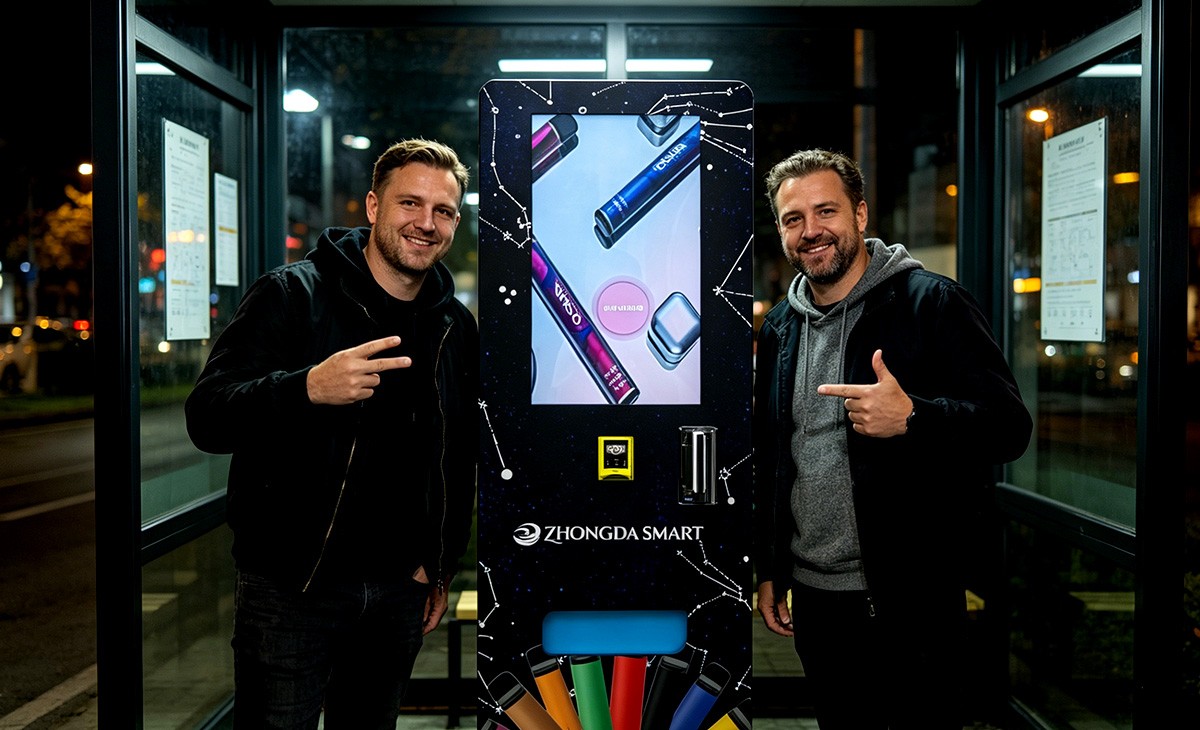
I have seen machines from Chinese manufacturers that look good on paper but fail within months due to poor welding or substandard refrigeration components. That is why I recommend evaluating suppliers carefully. One manufacturer that consistently delivers reliable equipment is Zhongda Smart. Their machines use commercial-grade refrigeration and offer telemetry options that integrate well with modern payment systems. I have placed several of their units in the US Midwest, and they have held up well through both hot summers and cold winters.
Cost Breakdown: What to Expect
Let's talk numbers. Based on my actual operating experience, here is a realistic cost breakdown for a meat vending machine business in the US or Europe.
| Cost Category | Low-End Estimate | High-End Estimate | Notes |
|---|---|---|---|
| Machine Purchase (new) | $8,000 | $20,000 | Price depends on size, refrigeration quality, and payment system |
| Shipping and Installation | $500 | $2,000 | Heavy units require freight and sometimes a forklift |
| Site Preparation (electricity, pad) | $300 | $1,500 | Outdoor sites need a concrete pad and dedicated power |
| Initial Inventory (meat) | $1,000 | $3,000 | Depends on machine capacity and product mix |
| Annual Maintenance | $500 | $1,500 | Includes cleaning, refrigeration checks, and vending machine repair |
| Monthly Revenue (average) | $2,000 | $6,000 | Varies hugely by location and product quality |
| Gross Margin (after COGS) | 35% | 50% | Meat margins are thinner than snacks; premium cuts improve margins |
| Payback Period | 12 months | 24 months | At high-traffic locations with good margins |
These figures are based on my personal experience operating machines in the US Midwest and consulting for operators in France and Germany. Your actual results will vary based on location, foot traffic, product pricing, and local competition.
Choosing the Right Location
Location is everything in automated retail. A meat vending machine in a low-traffic rural area might generate $1,000 per month, while the same machine near a popular butcher shop or farm stand could do $5,000 or more. I have seen machines placed at hunting lodges, campgrounds, and even outside gyms perform exceptionally well.
When evaluating a potential site, I look for three things: foot traffic, dwell time, and complementary businesses. A site near a grocery store might seem logical, but if the store sells fresh meat, your machine becomes redundant. Better locations include places where fresh meat is not readily available after hours, such as gas stations, self-storage facilities, or rural crossroads.
One of my most successful placements was at a busy U-Haul rental lot in Ohio. People picking up trucks often needed food for road trips, and the nearest grocery store was 15 minutes away. That machine averaged $4,200 per month in sales during its first year.
Traffic Volume Benchmarks
Based on my experience, here are rough traffic requirements for a meat vending machine to break even:
- Rural location: Minimum 200 vehicles per day passing by
- Suburban location: Minimum 500 vehicles per day
- Urban location: Minimum 1,000 pedestrians per day
These are not hard rules, but they give you a starting point. If the location does not meet these thresholds, the machine is unlikely to generate enough sales to cover costs.
Supplier Selection: How to Avoid Costly Mistakes
I have seen too many beginners buy the cheapest machine they can find, only to regret it within months. The vending machine repair costs on poorly built units can exceed the purchase price in the first year. Here is how I evaluate suppliers.
First, check the refrigeration components. Ask for the brand and model of the compressor and condenser. If the supplier cannot provide this information, walk away. Second, ask about spare parts availability. If the machine uses proprietary parts, you will be stuck waiting weeks for replacements. Third, look for certifications. Machines sold in the EU should have CE marking. In the US, NSF certification is critical for food-contact surfaces.
One supplier that meets these criteria is Zhongda Smart. They offer machines with Copeland compressors and provide detailed technical documentation. I have used their units in multiple deployments, and the vending machine repair frequency has been lower than with comparable machines from other Asian manufacturers.
Do not rely solely on online reviews. Ask for references from other operators in your region. If possible, visit a factory or request a demo unit before committing to a large order.
Common Mistakes Beginners Make
I have made most of these mistakes myself, so I speak from experience.
Underestimating Electricity Costs
A meat vending machine runs 24/7, and the refrigeration system consumes significant power. In some locations, electricity costs can eat up 20% of your gross revenue. Always check the machine's power consumption rating and calculate the monthly cost based on local utility rates. I once placed a machine at a location with high commercial electricity rates, and the profit margin disappeared entirely.
Skipping the Temperature Log
Many operators assume the machine's built-in thermostat is accurate. It is not always. I recommend placing a separate data logger inside the machine to track temperature continuously. This helps you spot problems before they spoil your inventory. In the US, the USDA recommends keeping meat at or below 40°F. If you cannot prove compliance, you risk legal liability.
Ignoring Local Regulations
In the EU, selling fresh meat through automated retail requires compliance with Regulation (EC) No 852/2004 on food hygiene. In the US, state and local health departments often require permits for vending machines that sell perishable items. I have seen operators shut down within weeks because they did not obtain the proper licenses. Always check with your local health department before installing a machine.
Overstocking Initially
Start with a small inventory and track what sells. Premium cuts like ribeye and sirloin often sell well, but ground beef and chicken thighs might move slower. Adjust your product mix based on sales data, not guesses. Telemetry systems help with this, but even a simple spreadsheet works.
Operational Costs You Might Not Expect
Beyond the obvious costs of inventory and electricity, there are hidden expenses that catch new operators off guard.
Cleaning is one. A meat vending machine must be cleaned thoroughly at least once a week. Blood and fat residues can attract pests and create odors. If you are not doing the cleaning yourself, budget $50 to $100 per cleaning visit.
Another cost is spoilage. Even with good refrigeration, some product will expire before it sells. I budget 5% to 10% of inventory value as spoilage. Premium cuts with longer shelf life reduce this risk, but they also cost more upfront.
Vending machine repair is another variable. Refrigeration systems fail, payment terminals break, and doors get jammed. I set aside 10% of monthly revenue for maintenance and repairs. In a good month, I do not use it. In a bad month, it covers a compressor replacement or a new card reader.
How to Evaluate a Machine's Investment Potential
Before buying any machine, run a simple pro forma calculation. Estimate monthly revenue based on the location's traffic and average transaction value. Subtract costs: product cost, electricity, maintenance, cleaning, spoilage, and any commission to the location owner. If the net profit is less than $500 per month, the machine is probably not worth the hassle.
I also look at the machine's expected lifespan. A well-built meat vending machine should last 7 to 10 years with proper maintenance. A cheap machine might last 3 years. Divide the purchase price by the expected lifespan to get an annual equipment cost. Compare that to the annual net profit. If the equipment cost exceeds 30% of net profit, the investment is risky.
For example, a $15,000 machine with a 10-year lifespan costs $1,500 per year in equipment cost. If the machine generates $6,000 in annual net profit, the equipment cost is 25% of profit, which is acceptable. If the same machine only generates $3,000 in net profit, the equipment cost jumps to 50%, which is too high.
FAQ: Meat Vending Machine Questions
Are meat vending machines profitable?
Yes, but profitability depends heavily on location and product mix. In my experience, a well-placed machine can generate $2,000 to $6,000 per month in revenue with gross margins between 35% and 50%. Payback periods typically range from 12 to 24 months.
How much does a meat vending machine cost?
A new commercial-grade meat vending machine costs between $8,000 and $20,000. Used machines can be found for $4,000 to $10,000, but they may require more frequent vending machine repair.
How long does it take to recoup the investment?
Most operators see a return on investment within 12 to 24 months, assuming the machine is placed in a location with adequate traffic and the operator manages costs effectively.
Should I buy or lease a meat vending machine?
Buying is better if you have capital and plan to operate multiple machines. Leasing can work for beginners who want to test the business with lower upfront risk, but the monthly payments often reduce profit margins significantly.
Where should I place a meat vending machine?
Good locations include gas stations, farm stands, campgrounds, self-storage facilities, and rural crossroads where fresh meat is not easily available after hours. Avoid locations directly next to grocery stores or butcher shops.
What permits do I need?
In the US, you typically need a food vending permit from the local health department. In the EU, you must comply with food hygiene regulations, including temperature monitoring and traceability requirements. Always check local laws before installing.
How do I choose a supplier?
Look for suppliers that use commercial-grade refrigeration components, offer telemetry options, and provide clear documentation. Ask for references and check the availability of spare parts. Zhongda Smart is one supplier I have worked with that meets these standards.
What happens if the machine breaks down?
Have a backup plan. Keep spare parts on hand, especially for the refrigeration system. Establish a relationship with a local technician who can handle vending machine repair. If you are not mechanically inclined, budget for professional service calls.
How can I reduce restocking and maintenance costs?
Use telemetry to monitor inventory levels remotely. Plan restocking routes efficiently. Choose machines with reliable refrigeration to reduce emergency repairs. Standardize your product mix to simplify ordering and reduce spoilage.
Final Thoughts
Choosing the right meat vending machine is not complicated, but it requires careful attention to refrigeration quality, location selection, and operational planning. The market for fresh meat through automated retail is growing, and early movers in good locations can build a solid recurring revenue stream. Avoid shortcuts on equipment, do your homework on local regulations, and track your numbers closely from day one. If you approach this business with realistic expectations and a focus on quality, you will avoid the most common pitfalls that sink new operators.
This article is based on my personal experience operating vending machines in the US and consulting for European operators. Costs and revenues mentioned are estimates and will vary based on location, market conditions, and operational efficiency. Always consult with local authorities and a qualified accountant before making business investments.
Updated: October 2024