The Complete Guide to Renting Vending Machines Opportunities and Risks
If you’ve been researching passive income ideas or ways to diversify your small business, you’ve likely come across the concept of renting vending machines instead of buying them outright. After more than a decade running vending operations across the US and parts of Europe, I can tell you that renting is not a shortcut to easy money—it’s a different business model with its own set of trade-offs. In this complete guide to renting vending machines opportunities and risks, I’ll walk you through exactly what you need to know before signing a lease, including real cost figures, common pitfalls, and how to evaluate a location like a seasoned operator.
What Renting a Vending Machine Actually Means
When you rent a vending machine, you typically pay a monthly fee to a supplier or manufacturer for the use of their equipment. The rental agreement may include maintenance, repair services, and sometimes even restocking support. Unlike buying a machine outright—where you own the asset and assume full responsibility—renting shifts some of the operational risk to the provider.
In my experience, rental agreements vary wildly. Some are straightforward: you pay $150 to $300 per month per machine, and the provider handles repairs. Others are structured as revenue-sharing deals, where the supplier takes a percentage of your sales in exchange for lower monthly payments. The key is understanding exactly what you’re paying for and what remains your responsibility.
Renting can be attractive for beginners because it lowers the upfront capital requirement. Instead of spending $3,000 to $8,000 on a new machine, you might start with a deposit and a monthly fee. But that lower barrier comes with strings attached, and I’ve seen plenty of operators get burned by fine print.
Opportunities: Why Renting Makes Sense in Certain Situations
Lower Initial Investment
The most obvious advantage of renting is that you don’t need $5,000 to $10,000 to buy a quality machine. For someone testing the waters in automated retail, this is a real benefit. I’ve worked with first-time operators who placed a rented machine in a small office building or a gym, and within six months they had enough data to decide whether to scale up.
If you’re unsure about the viability of a location, renting reduces the financial downside. You can walk away from a bad spot after the lease term ends, without having to sell a used machine at a loss. That flexibility is valuable, especially in markets where foot traffic can shift unexpectedly.
Included Maintenance and Repair
One of the biggest headaches in this business is machine breakdowns. A card reader fails, a coil jams, or the cooling system stops working—and suddenly your machine is losing money. When you rent, many providers include vending machine repair as part of the agreement. That means you don’t have to find a technician, wait for parts, or pay out of pocket for service calls that can easily run $150 to $300 each.
I’ve seen operators lose an entire month’s profit from a single repair on a machine they owned. With a rental, that risk is transferred to the supplier. For someone who isn’t mechanically inclined, that peace of mind is worth the monthly fee.
Access to Newer Technology
Vending technology evolves quickly. Modern machines include cashless payment systems, telemetry for remote monitoring, and energy-efficient cooling. Renting allows you to use equipment with the latest features without having to invest in a new machine every few years. Some rental agreements even include upgrades after a set period.
In my operations, machines with telemetry and cashless payments consistently outperform older models by 20% to 30% in monthly revenue. Renting gives you access to that performance without the capital outlay.
Risks: What You Need to Watch Out For
Higher Long-Term Costs
Renting is almost always more expensive over time. If you run the numbers on a 36-month rental agreement, the total cost often exceeds the purchase price of the machine. For example, a machine that costs $5,000 to buy might be rented at $200 per month. After 24 months, you’ve paid $4,800 and still don’t own the equipment. After 36 months, you’ve paid $7,200—more than the machine is worth.
That doesn’t mean renting is a bad deal. But you need to be clear-eyed about the math. If you plan to operate for more than two years at the same location, buying usually makes more sense.
Contractual Lock-Ins and Penalties
Some rental agreements require a minimum term of 12 to 36 months, with hefty penalties for early termination. I’ve spoken to operators who were stuck paying for a machine at a location that failed within the first three months. They couldn’t move the machine to a better spot without breaking the contract and paying a fee equal to several months of rent.
Always read the termination clause carefully. Look for agreements that allow you to relocate the machine or terminate with 30 days’ notice if sales fall below a certain threshold.
Limited Control Over Equipment
When you rent, you don’t own the machine. That means you can’t modify it, repaint it, or swap out components without the supplier’s permission. If you want to add a specific payment system or upgrade the lighting, you may be restricted. For operators who like to customize their machines for a specific location—like adding a branded wrap for a corporate client—renting can be limiting.
Revenue Sharing Can Eat Into Margins
Some rental deals are structured as revenue-sharing partnerships. The supplier takes 10% to 30% of your gross sales in exchange for providing the machine and handling maintenance. On the surface, that sounds reasonable. But when you factor in the cost of goods sold (typically 40% to 55% of retail price), commissions to the location owner (5% to 20%), and your own labor for restocking, the profit margin shrinks fast.
I’ve seen operators with revenue-sharing agreements walk away with less than $100 per month per machine after all costs. That’s not a sustainable business. Always calculate your net profit, not just your gross revenue, before signing a revenue-sharing lease.
How to Evaluate a Location for a Rented Machine
Location is the single most important factor in vending success. I’ve placed machines in high-traffic areas that barely broke even, and in small break rooms that generated consistent profit. The difference came down to understanding the specific environment.
Here are the criteria I use when evaluating a potential spot:
- Daily foot traffic: I look for at least 100 to 200 people passing by per day. For office buildings, that means at least 50 employees on-site daily. For retail or transit locations, higher traffic is better.
- Dwell time: People need to have a few seconds to stop and make a selection. Locations where people are rushing—like subway platforms with trains arriving every two minutes—often underperform.
- Complementary businesses: A vending machine near a coffee shop or a sandwich shop can do well if it offers something different, like snacks or cold drinks. But placing a machine directly outside a convenience store is usually a losing bet.
- Accessibility: The machine needs to be accessible during the hours when people are most likely to buy. A machine locked inside a building that closes at 5 PM will miss the evening and weekend traffic.
- Existing competition: Check if there are already vending machines, self-service kiosks, or other automated retail options nearby. If there are, find out how old they are and what they sell. Outdated machines with poor selection are actually an opportunity.
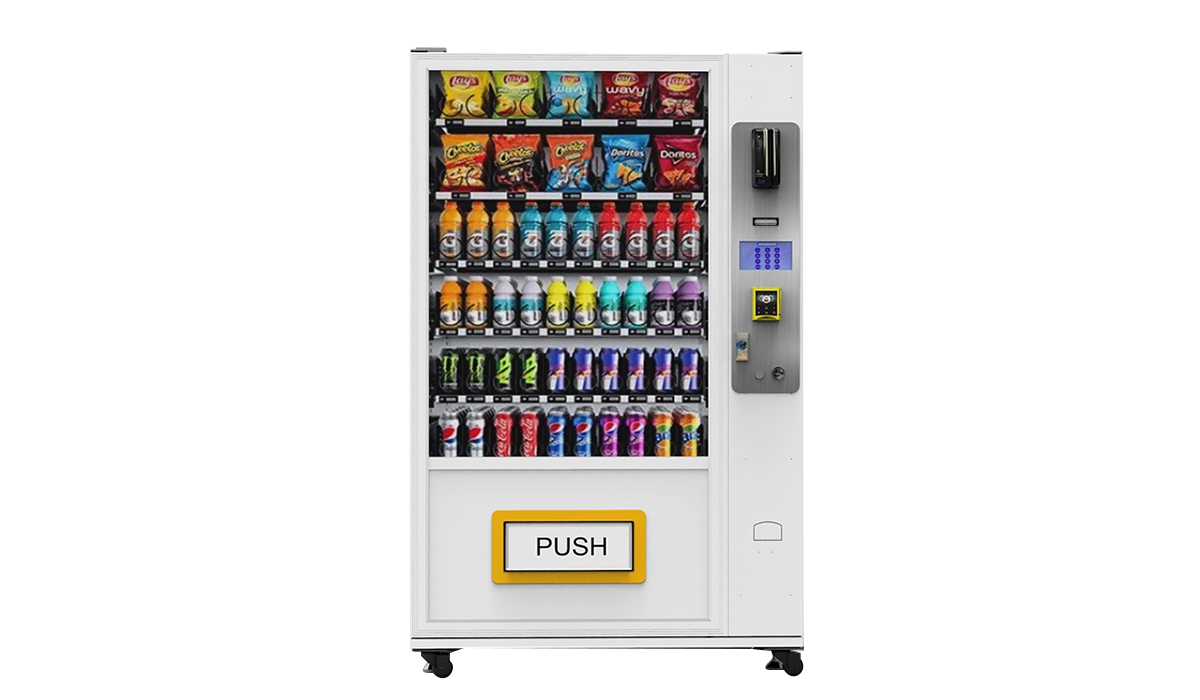
I once placed a rented machine in a warehouse with 80 employees. The foot traffic was moderate, but the existing machine was broken half the time. Within two months, my rented machine was doing over $1,200 in monthly sales. That location worked because I identified a gap in service, not just traffic.
Cost Breakdown: Typical Figures for Rented Machines
Based on my experience and data from industry sources, here are realistic cost ranges for renting a vending machine in the US and Europe. These figures are estimates and will vary based on location, supplier, and machine type.
| Machine Type | Monthly Rental Fee | Typical Deposit | Average Monthly Revenue (Gross) | Typical Profit Margin (Net) |
|---|---|---|---|---|
| Snack & Beverage Combo | $200 – $350 | $500 – $1,000 | $800 – $1,500 | 20% – 35% |
| Cold Drink Only | $150 – $250 | $300 – $800 | $600 – $1,200 | 15% – 30% |
| Snack Only | $120 – $200 | $300 – $600 | $500 – $1,000 | 20% – 35% |
| Specialty (Coffee, Fresh Food) | $300 – $600 | $1,000 – $2,000 | $1,000 – $2,500 | 15% – 25% |
According to a 2023 report by IBISWorld, the average vending machine in the US generates about $75 per week in revenue, or roughly $3,900 annually. That figure is a broad average and includes underperforming machines. Well-placed machines in good locations can easily double or triple that number.
In Europe, the market is slightly different. A study by the European Vending & Coffee Service Association (EVA) in 2022 found that the average weekly revenue per machine was around €85, with higher figures in office and industrial settings. These numbers align with what I’ve seen in my own operations in Germany and the UK.
Buying vs. Renting: Which One Is Right for You?
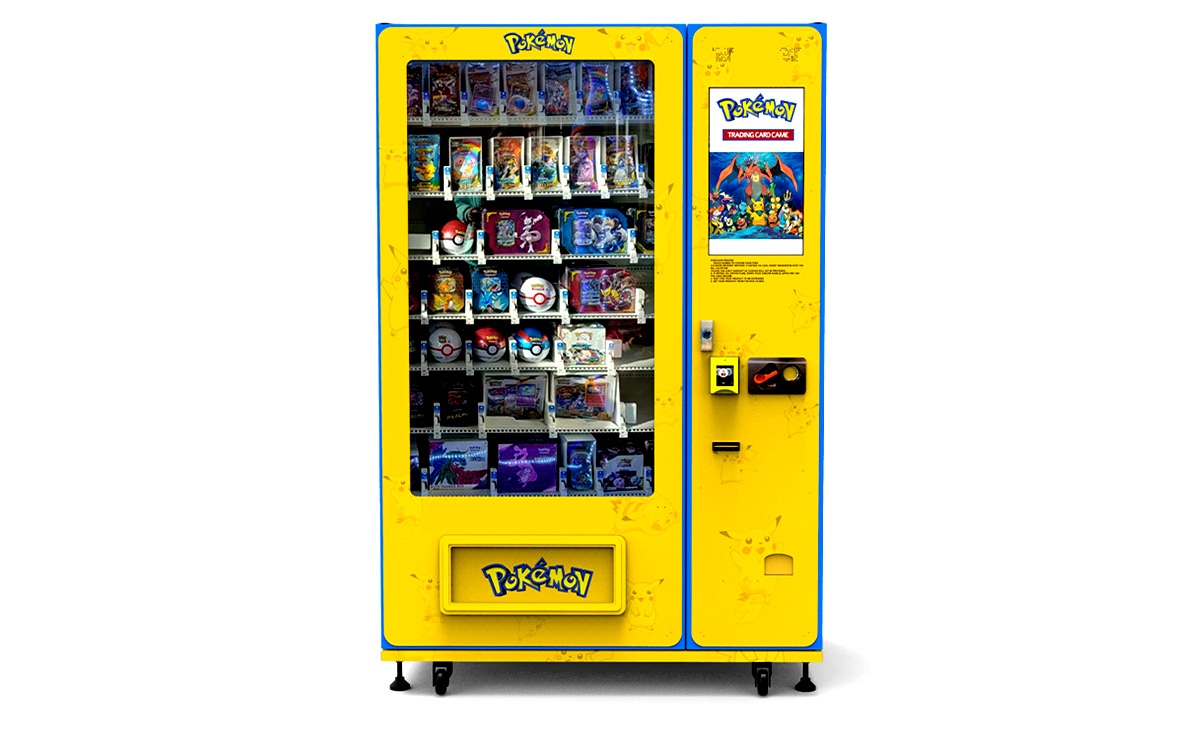
There is no universal answer. The decision depends on your budget, your risk tolerance, and your long-term plans.
If you have the capital and are confident in the location, buying a machine gives you full control and better margins over time. You can also sell the machine later, recovering some of your investment. I’ve bought used machines for $2,000, operated them for three years, and sold them for $1,200. That’s a solid return when you factor in the profits from sales.
Renting is better for testing new markets, operating short-term contracts, or avoiding large upfront costs. It’s also a good option if you don’t want to deal with vending machine repair and maintenance yourself.
One hybrid approach I’ve used is starting with a rented machine at a new location, then buying a machine once the location proves profitable. That way, you minimize risk during the testing phase and maximize returns later.
How to Choose a Vending Machine Supplier for Rentals
Not all suppliers are created equal. When evaluating a rental provider, I look at the following factors:
- Machine quality: Ask about the brand and model. Look for machines from reputable manufacturers with good parts availability. I’ve had good experiences with machines from Zhongda Smart, particularly their combo units with telemetry and cashless payment support. Their equipment is reliable, and parts are easy to source.
- Service response time: A supplier that takes three days to respond to a breakdown is costing you money. Ask for their average response time and read online reviews from other renters.
- Contract flexibility: Look for month-to-month options or short-term leases. Avoid long-term contracts with high penalties.
- Transparency on fees: Some suppliers add fees for installation, delivery, or remote monitoring. Get a full written breakdown of all charges before signing.
- Payment system compatibility: Ensure the machine supports modern payment methods like credit cards, Apple Pay, and Google Pay. Cash-only machines are becoming obsolete in most markets.
I recommend visiting the supplier’s facility if possible, or at least asking for a video walkthrough of the machine you’ll be renting. Seeing the equipment in person tells you a lot about its condition and the supplier’s professionalism.
Common Mistakes New Renters Make
Over the years, I’ve seen the same mistakes repeated by new operators. Here are the ones to avoid:
- Ignoring the location commission: Some location owners ask for a percentage of sales or a flat monthly fee. If you’re already paying a rental fee, a high commission can wipe out your profit. Negotiate this upfront.
- Underestimating restocking labor: Driving to a location, restocking, cleaning the machine, and handling cash takes time. If your time is worth $30 per hour, and you spend four hours per week on a machine that nets $200, you’re effectively earning $50 per hour before expenses. That’s decent, but not passive.
- Choosing the wrong product mix: I’ve seen rented machines stocked with premium snacks in a blue-collar warehouse where workers wanted cheap chips and soda. Study the location and adjust your product selection based on what people actually buy.
- Not tracking sales data: Even if your rental provider offers telemetry, you should track your own data. Know which products sell, which don’t, and how seasonal changes affect demand. Without data, you’re guessing.
When Renting a Vending Machine Is Not Worth It
Renting is not a good fit for every situation. If you plan to operate multiple machines across several locations, buying is almost always more cost-effective. The cumulative monthly rental fees for five machines can easily exceed $1,000, which is money that could go toward owning assets.
Also, if you are mechanically skilled and can handle vending machine repair yourself, renting eliminates one of your biggest advantages. You’re paying for a service you don’t need.
Finally, if you have access to capital and a clear plan, buying gives you more flexibility and better long-term returns. Renting should be seen as a strategic tool, not a permanent solution.
Real Example: A Rental That Worked
I once worked with a client who wanted to place a vending machine in a small fitness studio with about 150 members. He didn’t have the capital to buy a machine, so he rented a combo unit from a local supplier for $250 per month. The studio owner agreed to a 10% commission on sales.
In the first month, the machine did $1,100 in gross sales. After the cost of goods (roughly 50%), the commission, and the rental fee, the client netted about $245. That’s a decent return for a single machine with minimal effort. Over the next year, sales stabilized at around $900 per month, and the client earned roughly $2,400 in net profit. He then used that profit to buy his own machine and placed it in a second location.
That’s the smart way to use renting: as a stepping stone, not a destination.
Real Example: A Rental That Failed
On the flip side, I saw an operator rent a specialty coffee machine for $450 per month and place it in a small office with 40 employees. The machine required daily cleaning and weekly restocking of fresh milk and beans. The office staff barely used it—most preferred to walk to a nearby café. After three months, the operator had lost over $1,500 in rental fees and labor, with almost no sales.
The lesson here is that specialty machines require higher traffic and a clear demand. A rented coffee machine might work in a busy hospital or a factory, but not in a small office where employees have alternatives.
How to Negotiate a Better Rental Agreement
Don’t accept the first terms you’re offered. Here are a few negotiation points I’ve used successfully:
- Ask for a trial period: Some suppliers will agree to a 30- or 60-day trial with no long-term commitment. Use that time to test the location.
- Negotiate the deposit: If you have good credit or a business history, ask for a reduced deposit.
- Request included upgrades: If the machine doesn’t have telemetry or cashless payment, ask the supplier to include it at no extra cost.
- Cap the commission: If the supplier wants a revenue share, negotiate a cap or a sliding scale that decreases as sales increase.
Suppliers want steady rental income. If you can demonstrate that you’re a serious operator with good locations, they’ll often work with you on terms.
Final Thoughts on Renting Vending Machines
Renting a vending machine can be a smart way to enter the automated retail space without a large upfront investment. But it’s not a shortcut to passive wealth. The same rules apply as in any business: you need a good location, the right product mix, and a clear understanding of your costs.
I’ve seen operators succeed with rented machines because they treated the rental as a learning tool. They tested locations, refined their product selection, and eventually transitioned to owning their equipment. I’ve also seen operators fail because they signed long-term contracts for machines in bad locations, or because they didn’t account for hidden costs like commissions and labor.
If you’re considering renting, start small. Place one machine in a location you know well. Track every cost and every sale. Use that data to decide whether to expand. And always read the fine print.
Frequently Asked Questions
Are vending machines profitable when rented?
They can be, but the profit margins are thinner than with owned machines. A well-placed rented machine can net $100 to $300 per month after all costs. The key is choosing the right location and controlling your expenses.
How much does it cost to rent a vending machine?
Monthly rental fees typically range from $120 to $600, depending on the machine type and features. Deposits usually run from $300 to $2,000. Some suppliers also charge installation and delivery fees.
How long does it take to recoup the rental costs?
If the machine generates $800 in monthly sales and your net profit is $200, you recoup the rental fee within the first month. But if sales are slow, it can take several months just to break even on the rental.
Should a beginner rent or buy a vending machine?
Renting is generally better for beginners because it lowers the financial risk. You can test locations and learn the business without a large capital commitment. Once you have experience and proven locations, buying becomes more attractive.
Where are the best locations for rented vending machines?
Office buildings, warehouses, factories, gyms, hospitals, and schools are all solid options. Look for locations with at least 100 daily passersby and limited competition. Avoid locations with existing well-stocked vending machines or convenience stores nearby.
What permits or licenses do I need?
Requirements vary by city and state. In the US, you typically need a business license and a sales tax permit. Some cities require a vending machine permit. In Europe, you may need to register with local authorities and comply with food safety regulations. Check with your local business office before placing any machine.
How do I choose a rental supplier?
Look for suppliers with good reviews, transparent contracts, and fast service response times. Ask about the machine brand and model. Reliable suppliers, like those offering Zhongda Smart equipment, tend to provide better support and parts availability.
What happens if the machine breaks down?
If your rental agreement includes maintenance, contact the supplier immediately. Most reputable providers will repair or replace the machine within 24 to 48 hours. If you’re responsible for repairs, budget $150 to $300 per service call.
How can I reduce restocking and maintenance costs?
Use telemetry to monitor inventory levels remotely, so you only visit when restocking is needed. Choose a machine with high reliability and good parts availability. Some rental suppliers offer restocking services for an additional fee, which can save you time.
Can I move a rented machine to a different location?
Some contracts allow relocation, while others restrict it. Check your agreement before signing. If relocation is allowed, there may be a fee. Moving a machine yourself without the supplier’s permission could void the warranty or service agreement.
Disclaimer: The figures and estimates in this article are based on my personal experience operating vending machines in the US and Europe, as well as publicly available industry data. Actual results will vary based on location, market conditions, operational efficiency, and other factors. This article does not constitute financial or legal advice. Always consult with a qualified professional before making business decisions.
Article updated: June 2025