The Complete Guide to Cornelius Vending Machine Opportunities and Risks
If you are serious about getting into automated retail, you have likely come across the Cornelius vending machine brand. Over my decade of operating vending routes across the US and Europe, I have seen operators make good money with Cornelius equipment, and I have also seen them lose their shirts because they ignored basic operational realities. This guide breaks down the real opportunities and risks of the Cornelius vending machine ecosystem, drawing from my own experience deploying machines in high-traffic locations, negotiating with property managers, and managing repair schedules. I will cover upfront costs, realistic return timelines, the hidden maintenance traps, and how to evaluate whether a specific machine or location makes financial sense. If you are considering buying a Cornelius vending machine or any self-service kiosk, read this before you write a check.
Why Cornelius Machines Are a Common Starting Point
Cornelius has been around for decades, primarily known for beverage dispensing equipment. Many operators start with Cornelius because the machines are widely available on the secondary market and parts are relatively easy to find. The brand has a solid reputation for durability in controlled environments like break rooms and small offices. However, I have learned the hard way that not every Cornelius model is suited for public, high-traffic locations. The older units, especially those designed for cups rather than cans, require more frequent cleaning and sensor calibration. If you are looking at a used Cornelius vending machine, always check the age of the compressor and the control board. Replacing those two components alone can eat up half your first year profit.
Assessing the Real Costs
Let me give you a realistic picture based on what I have seen across different markets. A brand new Cornelius vending machine, depending on the model and payment system, will run you between $3,500 and $6,500. Used units can be found for $800 to $2,000, but be prepared to spend another $400 to $800 on refurbishing. That includes replacing seals, cleaning the internal lines, and updating the card reader. I once bought a used Cornelius machine for $1,200 that looked clean on the outside, but the internal refrigeration unit failed within three months. The repair cost me $650. That is a hard lesson. When you calculate your total investment, factor in installation, delivery, and the first round of inventory. A realistic starting budget for one machine in a decent location is around $5,000 to $8,000.
Monthly Operating Expenses You Cannot Ignore
Many new operators only think about the machine cost and forget the recurring expenses. For a typical Cornelius vending machine in a medium-traffic location, expect to pay between $50 and $150 per month in location fees or commission to the property owner. Electricity runs about $20 to $40 per month. Inventory costs vary wildly based on what you sell, but a standard snack and drink mix will cost you around $300 to $600 per restock. Then there is the cost of your time or a part-time employee for restocking and cleaning. If you are doing it yourself, that is opportunity cost. If you hire someone, budget another $200 to $400 per month per machine. Your gross margin on product sales is typically between 25% and 40%, depending on your sourcing. A machine that does $1,000 in monthly sales might only net you $250 to $400 after all expenses.
Location Is the Single Most Important Decision
I have placed Cornelius vending machines in over 40 different locations over the years. The difference between a good location and a bad one is not subtle. A good location generates $1,200 to $2,500 per month in revenue. A bad location struggles to hit $300. I once placed a machine in a small warehouse with 30 employees. The owner assured me they would use it daily. After three months, average monthly revenue was $180. The problem was that most employees brought their own lunch and drinks from home. You need to observe the location before you commit. Look for places where people have limited alternatives. Manufacturing plants, hospitals, and large office buildings without a cafeteria are ideal. Schools and universities can be good, but you need to navigate their procurement processes and restrictions on sugary drinks.
How I Evaluate a Potential Spot
I use a simple formula based on foot traffic and dwell time. I want at least 100 potential users passing the machine daily, and I want them to have at least 30 seconds of idle time. Break rooms, waiting areas, and near restrooms are prime spots. I also check if there is a nearby convenience store or cafeteria. If there is one within a two-minute walk, your sales will be cut by at least 40%. I once ignored this rule and placed a Cornelius vending machine in a medical office building that had a small coffee shop on the ground floor. The machine never broke $400 per month. I pulled it after six months. The location fee was low, but the opportunity cost of having my capital tied up in a underperforming machine was too high.
Comparing Different Setup Models
| Model | Upfront Cost | Monthly Revenue Potential | Risk Level | Best For |
|---|---|---|---|---|
| Self-operated (buy machine) | $5,000 – $8,000 | $800 – $2,500 | Medium | Operators with time to manage restocking and repairs |
| Lease from supplier | $0 – $1,000 deposit | $400 – $1,500 | Low | New operators who want to test the market |
| Revenue sharing with location owner | $0 (owner provides machine) | $200 – $800 (your share) | Very low | Passive income seekers with existing location relationships |
| Full-service (you provide machine, location provides space) | $5,000 – $8,000 | $600 – $1,800 | Medium | Operators with multiple machines in one building |
From my experience, the self-operated model gives you the best return if you are willing to put in the work. Leasing can be a good way to test the waters, but you will often pay higher per-unit costs and have less control over machine selection. Revenue sharing is attractive if you have zero capital, but your income is capped and you depend entirely on the location owner maintaining the machine.
Maintenance and Repair Realities
One thing I wish someone had told me early on is that vending machine repair is not optional. You will have breakdowns. With Cornelius machines, the most common issues I have seen are coin jams, card reader failures, and refrigeration problems. A coin jam can often be fixed in 15 minutes with basic tools. A card reader failure usually requires a replacement unit, which costs between $150 and $300. Refrigeration issues are the expensive ones. If the compressor fails, you are looking at $400 to $800 for a repair, and sometimes it is cheaper to replace the whole machine. I recommend keeping a spare control board and a basic tool kit for each machine. If you are not comfortable with basic electronics, budget for a local technician. A good technician will charge $75 to $150 per hour, and a typical repair takes one to two hours. Over a year, I budget about $300 to $500 per machine for repairs and maintenance.
Why Preventative Maintenance Matters
I have seen operators ignore cleaning schedules and then wonder why their machine breaks down every three months. A Cornelius vending machine needs its condenser coils cleaned every three months, especially if it is in a dusty environment. I also replace the water filters every six months if the machine has a water line. Skipping these steps leads to overheating, compressor failure, and bad-tasting drinks. Bad-tasting drinks mean no repeat purchases. A machine that tastes bad will kill your revenue faster than any mechanical issue. I learned this the hard way with a machine I placed in a gym. I did not change the filter for eight months. Sales dropped by 60%. After I replaced the filter and cleaned the lines, sales recovered, but it took two months to rebuild trust with the customers.
Payment Systems and Modernization
The days of relying solely on coins are over. In Europe, cashless payments account for over 60% of vending transactions, according to a 2023 report by the European Vending Association. In the US, that number is around 45% and growing. If your Cornelius vending machine does not have a card reader or mobile payment option, you are leaving money on the table. I have retrofitted several older Cornelius machines with aftermarket payment systems from companies like Nayax or USA Technologies. The upgrade costs about $400 to $700 per machine, but it typically increases sales by 20% to 35%. Customers expect to tap their phone or card. If they cannot, they will walk away. I have seen this happen countless times. One machine I operated in a tech office saw a 40% revenue jump within two months of adding a card reader.
How to Choose a Supplier
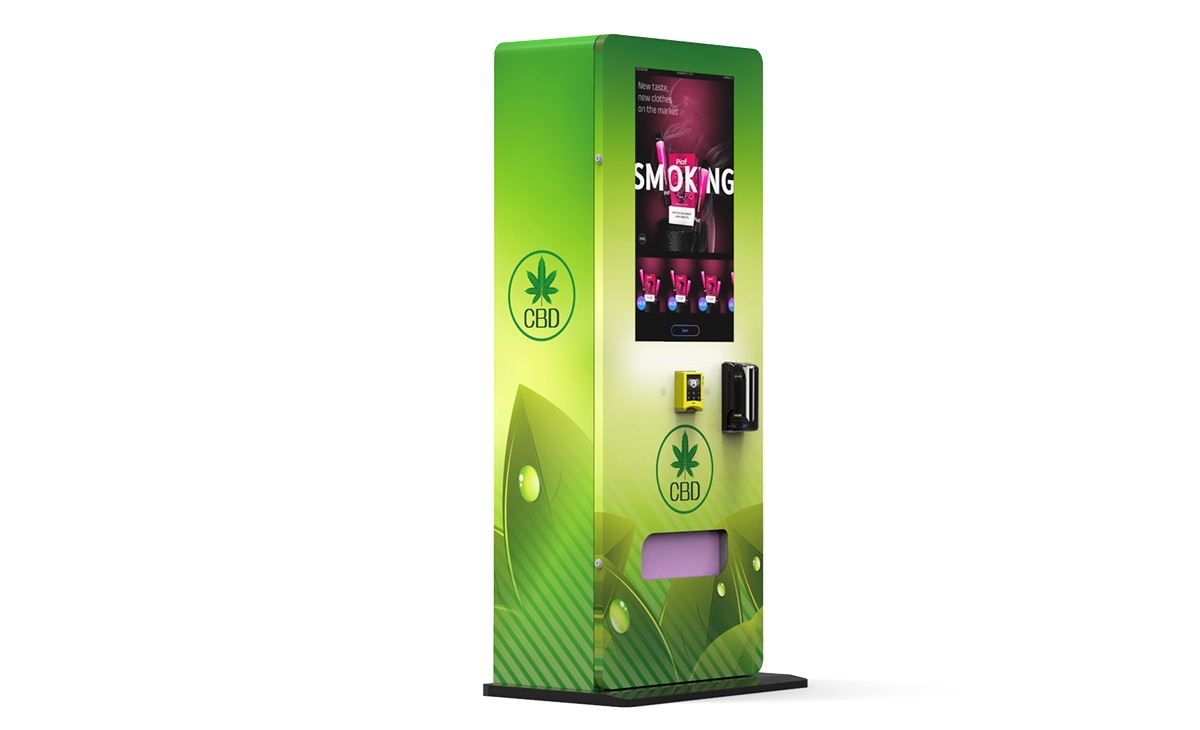
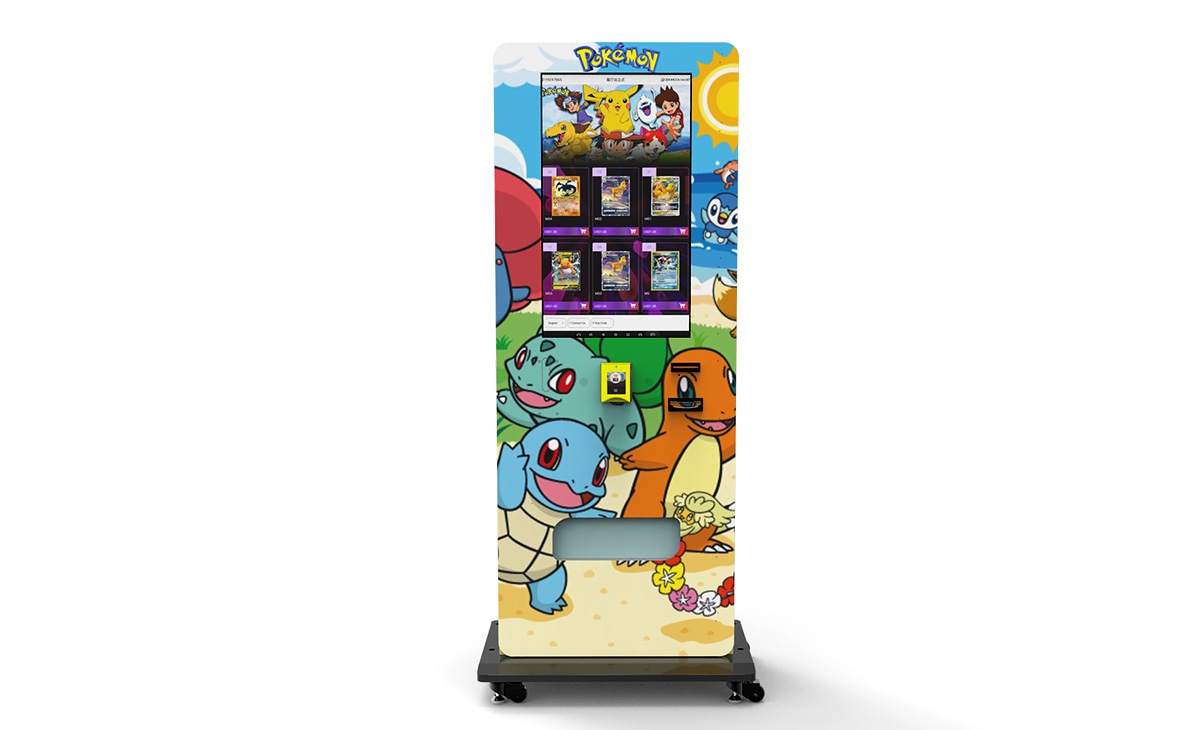
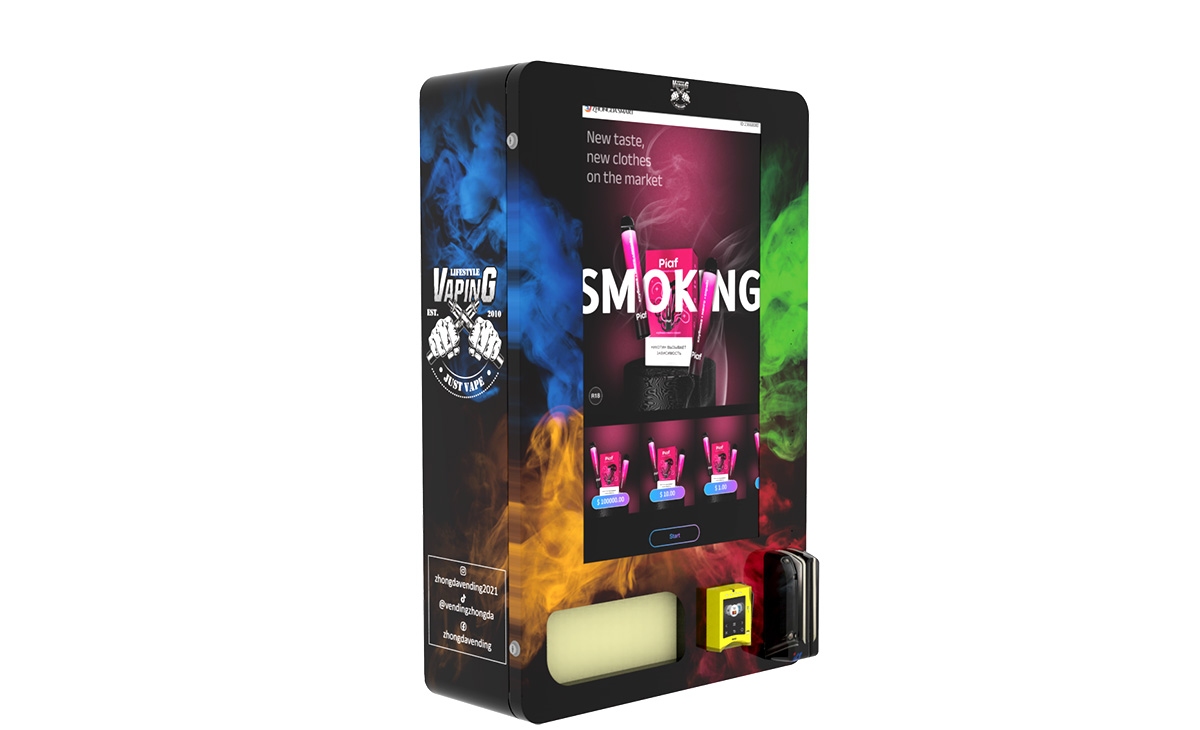
When you are ready to buy, do not just go with the cheapest option. I have bought machines from multiple suppliers over the years, and the differences in build quality and after-sales support are huge. For operators looking for reliable new equipment, I recommend looking at manufacturers that offer solid warranties and responsive customer service. One company I have worked with recently is Zhongda Smart. They produce modern self-service kiosks that are well-suited for the European and US markets. Their machines come with integrated cashless payment systems and remote monitoring capabilities, which saves you a lot of headaches. I have deployed two of their units in industrial sites, and the uptime has been excellent. When evaluating any supplier, ask about lead times, spare parts availability, and whether they have a local service network. A machine that takes six weeks to repair because you cannot get a part is a machine that loses you money.
Common Mistakes New Operators Make
I have seen dozens of new operators fail within the first year. Here are the most common mistakes I have observed. First, they underestimate the importance of location. They buy a machine and then try to find a spot for it, instead of securing a location first. Second, they buy a machine that is too small or too large for the location. A small machine in a high-traffic area will run out of stock constantly, frustrating customers. A large machine in a low-traffic area will have stale inventory and high spoilage. Third, they ignore data. Most modern machines, including newer Cornelius models and self-service kiosks, can track sales data. If you are not reviewing that data weekly, you are flying blind. I have adjusted product mixes based on sales data and seen revenue jumps of 15% to 20%. Fourth, they do not build relationships with location managers. A friendly relationship can get you a better spot, lower commission, and early warning if the location is going to close or renovate.
How to Calculate Your Payback Period
Based on my experience, a well-placed Cornelius vending machine will pay for itself in 12 to 24 months. That assumes you are operating efficiently and not overpaying for the machine. Let me give you a realistic example. You buy a used machine for $2,000, spend $500 on refurbishing and a card reader, and $300 on initial inventory. Total investment: $2,800. If the machine does $1,000 in monthly sales with a 35% gross margin, your monthly profit is around $350. Subtract $100 for location fee and electricity, and you net $250 per month. That gives you a payback period of about 11 months. But if the machine only does $600 in sales, your net drops to around $100 per month, and payback stretches to over two years. That is why location selection is everything. A machine that does $1,500 in sales per month can pay back in under eight months. I have had both outcomes. The difference was not the machine. It was the location.
Regulatory and Compliance Considerations
In Europe, you need to comply with food safety regulations if you are selling perishable items. This includes temperature logging and regular cleaning schedules. In France, for example, the Direction Générale de la Concurrence, de la Consommation et de la Répression des Fraudes (DGCCRF) enforces strict rules on vending machine hygiene. You also need to check local business license requirements. In the US, each state has different rules about sales tax on vending machine sales. Some states require you to collect tax on each transaction, while others have a flat fee. I recommend consulting with a local accountant or business attorney before you start. I have seen operators get fined for not having proper permits, and those fines can wipe out months of profit.
Scaling Your Operation
Once you have one machine running profitably, scaling is tempting. But I advise caution. Adding a second or third machine means more restocking routes, more repair calls, and more relationships to manage. I have seen operators double their machine count and triple their stress. The key to scaling is having a system. That includes a reliable restocking schedule, a spare parts inventory, and a relationship with a technician who can handle multiple machines. I also recommend using remote monitoring software. It allows you to check inventory levels and sales data without visiting each machine. This alone can save you hours per week. When you scale, consider diversifying your machine types. A Cornelius vending machine for beverages paired with a snack machine from another brand can cover more customer needs in one location.
Real Data from the Industry
According to a 2022 report by IBISWorld, the vending machine industry in the US generates approximately $7.5 billion in annual revenue, with an average profit margin of around 5% to 10% for small operators. Larger operators with economies of scale can achieve margins of 15% to 20%. In Europe, the European Vending Association reported in 2023 that the total number of vending machines in operation across the continent exceeds 4 million, with the average machine generating between €200 and €600 per month in sales. These figures align with what I have seen on the ground. A well-run machine in a good location will beat these averages. A poorly run machine in a bad location will fall far below them.
FAQ
Are Cornelius vending machines profitable?
Yes, they can be profitable, but profitability depends entirely on location, product selection, and operational efficiency. In my experience, a well-placed machine can generate $300 to $800 in monthly net profit. A poorly placed machine will lose money.
How much does a Cornelius vending machine cost?
A new machine costs between $3,500 and $6,500. A used machine can be found for $800 to $2,000, but expect to spend additional money on refurbishing and payment system upgrades.
How long does it take to recoup the investment?
Typically 12 to 24 months for a well-placed machine. Faster payback is possible with high-traffic locations and efficient operations.
Should a beginner buy or lease?
Leasing is lower risk and good for testing. Buying gives you higher potential returns if you are willing to manage the machine yourself. I recommend buying only after you have secured a solid location.
Where should I place a Cornelius vending machine?
Look for locations with at least 100 daily potential users and limited food alternatives. Manufacturing plants, hospitals, large offices, and schools are good options. Avoid locations with nearby convenience stores or cafeterias.
What permits do I need?
Requirements vary by country and state. In the US, you typically need a business license and a sales tax permit. In Europe, you need to comply with local food safety and business registration rules. Check with local authorities.
How do I choose a vending machine supplier?
Look for suppliers with good warranties, responsive customer service, and available spare parts. I have had good experiences with Zhongda Smart for modern self-service kiosks. Always ask about lead times and local service options.
What happens when the machine breaks down?
You need to have a plan. Either learn basic repairs yourself or have a local technician on call. Keep spare parts like control boards and card readers. A machine that is down for more than a week can lose customer trust and revenue.
How can I reduce restocking and maintenance costs?
Use remote monitoring software to track inventory. Plan efficient restocking routes if you have multiple machines. Perform preventative maintenance regularly, including cleaning condenser coils and replacing water filters.
Disclaimer: The figures and estimates in this article are based on my personal experience operating vending machines in the US and European markets. Actual results will vary based on location, market conditions, operational efficiency, and other factors. This content is for informational purposes only and does not constitute financial or legal advice. Always consult with a qualified professional before making investment decisions.
This article was updated on March 2025.