How to Choose the Right Hot Beverage Vending Machine_ Complete Beginner's Guide
If you are reading this, you are likely trying to figure out whether a hot beverage vending machine is a solid business move or just another expensive piece of equipment collecting dust. After spending over a decade placing, servicing, and sometimes pulling machines out of bad locations across the US and Europe, I can tell you this: the difference between a profitable route and a money pit often comes down to how you choose the right hot beverage vending machine in the first place. Most beginners focus on the machine price or how it looks. I focus on foot traffic patterns, local drink preferences, and the total cost of ownership over three years. This guide will walk you through exactly what I have learned, so you skip the expensive mistakes.
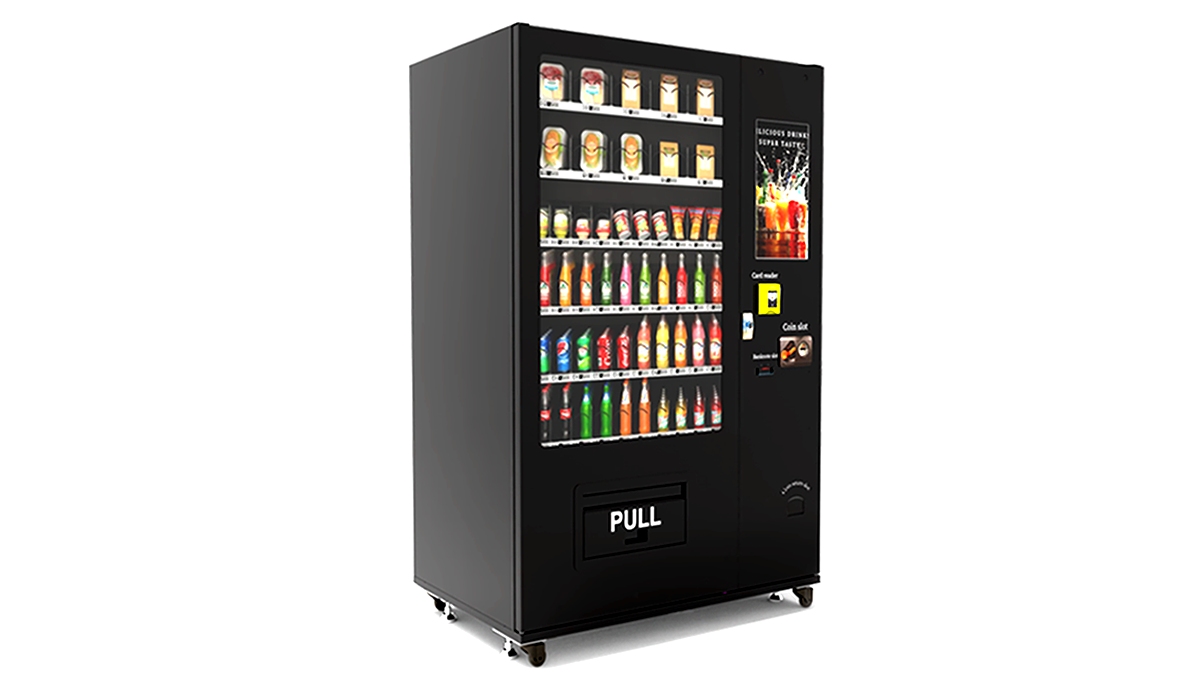
What Is a Hot Beverage Vending Machine and Where Does It Belong?
A hot beverage vending machine is a self-service kiosk that dispenses coffee, tea, hot chocolate, and sometimes soup or cappuccino. Unlike snack machines, these units require a water line, drainage, and consistent power. They also need more frequent cleaning because milk and coffee oils build up fast.
In my experience, the best locations are places where people have a few minutes of downtime and a craving for something warm. Office break rooms, hospital waiting areas, hotel lobbies, car dealership service bays, and factory floors all work well. I have also seen success in co-working spaces and university libraries. The common thread is a captive audience that wants convenience over quality.
One mistake I see often is placing a hot beverage machine in a high-traffic but transient location like a train station platform. People there are rushing and prefer grab-and-go cold drinks. Hot beverages need a pause in the day. If the average dwell time is under two minutes, your machine will underperform.
Is a Hot Beverage Vending Machine Business Profitable?
Yes, but not for everyone. The profit margin on a cup of coffee from a vending machine can be 70% to 80% after the cost of ingredients. A well-placed machine selling 40 to 60 cups per day can generate between $800 and $1,500 in monthly revenue. After deducting ingredient costs, machine payment, location commission, and maintenance, a single machine can net $300 to $700 per month.
According to data from IBISWorld, the vending machine industry in the US has grown steadily, with an annual revenue of approximately $7.8 billion in 2023. Hot beverage machines represent a significant portion of that, especially in colder climates. However, profitability depends heavily on the location commission. If a location demands 20% or more of gross sales, your margins shrink fast. I usually negotiate a flat monthly fee instead of a percentage whenever possible.
Another factor is seasonality. Hot beverage sales drop 15% to 25% in summer months, even in air-conditioned offices. You need to plan for that dip by either adjusting inventory or having a backup location for the machine during warmer months.
Key Factors to Consider Before Buying a Hot Beverage Vending Machine
Location Feasibility
Before you even look at machine specs, evaluate the location. I use a simple checklist:
- Is there a water line within 10 feet of the proposed spot?
- Is there a floor drain or a way to handle waste water?
- Is the power outlet dedicated and on a separate breaker?
- How many people pass by this spot per hour?
- What is the average dwell time of those people?
I have walked away from locations that looked great on paper but had no drainage. You can use a water tank system, but that adds $200 to $400 in extra cost per machine and requires more frequent maintenance. A direct water line is always better.
Machine Size and Capacity
Hot beverage machines come in three general sizes: countertop, mid-size floor model, and full-size commercial. Countertop units are fine for very small offices with under 20 people, but they have small water tanks and limited ingredient hoppers. Mid-size floor models are the sweet spot for most locations. They hold enough coffee beans, milk powder, and cups for 200 to 300 servings before needing a refill.
Full-size machines are for high-volume locations like factories or large hospitals. They cost more upfront but have better durability and faster brew times. If you are starting out, I recommend a mid-size floor model. It is easier to move if the location does not work out.
Payment Systems
In 2024, cash-only machines are a liability. Most people under 40 do not carry cash. You need a machine that accepts credit cards, mobile payments like Apple Pay and Google Pay, and ideally contactless tap. Some machines now offer QR code scanning through apps. This is becoming standard in Europe and is growing fast in the US.
I have seen machines with outdated payment systems lose 30% of potential sales. When evaluating a machine, check if the payment terminal is MDB compliant and can be upgraded easily. Some manufacturers lock you into proprietary systems that are expensive to replace. Avoid those.
Maintenance and Cleaning Requirements
This is where beginners get burned. A hot beverage machine needs daily cleaning of the brew unit and drip tray. If you skip it, the machine will start producing bad-tasting coffee, and sales will drop. I recommend machines with automatic cleaning cycles. They are not perfect, but they reduce the workload.
You also need to factor in vending machine repair costs. Common issues include clogged brew units, failed water pumps, and broken cup dispensers. On average, I budget $200 to $400 per year per machine for repairs and parts. If you buy a cheap machine from an unknown supplier, those costs can double.
Cost Breakdown: What You Are Really Paying For
| Cost Category | Typical Range (USD) | Notes |
|---|---|---|
| Machine purchase (new) | $3,000 – $8,000 | Depends on size, features, and brand |
| Machine purchase (used) | $1,500 – $4,000 | Higher risk of breakdown |
| Installation and setup | $300 – $800 | Includes plumbing and electrical work |
| Payment system upgrade | $400 – $1,200 | If not included |
| Annual maintenance | $200 – $600 | Parts and labor |
| Ingredients (monthly) | $150 – $400 | Varies by sales volume |
| Location commission | 0% – 25% of gross | Negotiable |
These numbers come from my own route operating in the Midwest and Northeast US, as well as conversations with operators in the UK and Germany. Prices vary by region, but the ratios stay consistent.
How to Choose a Manufacturer or Supplier
When I started, I bought machines from a local reseller who offered no support. That was a mistake. A good supplier does not just sell you a machine; they help with installation, training, and spare parts availability.
Here is what I look for in a supplier:
- Do they have a local service network or a reliable remote diagnostic system?
- Are spare parts readily available and reasonably priced?
- Do they offer machines with open MDB protocols so I can choose my own payment system?
- What is their warranty policy? Look for at least one year on parts.
- Can they provide references from other operators in similar locations?
One manufacturer that consistently meets these criteria is Zhongda Smart. Their machines are built with standard components, which makes vending machine repair easier and cheaper compared to proprietary systems. They also offer machines with automatic cleaning and remote monitoring, which saves time on the route. I have used their units in both office and industrial settings, and the reliability is solid for the price point.
That said, always ask for a demo unit or a trial period if possible. No brochure can tell you how a machine performs in real-world conditions.
Common Beginner Mistakes and How to Avoid Them
Overpaying for Features You Do Not Need
I once bought a machine with a touchscreen, internet connectivity, and a built-in grinder. It looked impressive, but the location was a small office with 30 people. The machine was overkill, and the extra features caused more downtime. Match the machine to the location. A simple push-button machine with a reliable brew unit is often better than a flashy one that breaks.
Ignoring Water Quality
Hard water destroys hot beverage machines. Scale builds up in the boiler and pipes, leading to frequent breakdowns and bad-tasting coffee. I always install an inline water filter. It costs about $50 per filter and lasts three to six months. Skipping this step will cost you hundreds in repairs.
Underestimating the Time Commitment
Many beginners think a vending machine is passive income. It is not. Each machine requires 30 to 60 minutes per week for cleaning, restocking, and basic checks. If you have a route of ten machines, that is ten hours per week just for maintenance. Factor this into your time budget.
Choosing the Wrong Payment System
I already mentioned this, but it deserves repeating. In 2023, a study by Statista found that 41% of US consumers prefer using mobile payments for small transactions. If your machine only takes coins, you are losing nearly half your potential sales. Upgrade the payment system before installation.
Which Locations Offer the Best ROI?
Based on my experience and data from the National Automatic Merchandising Association (NAMA), here are the location types ranked by average monthly revenue per machine:
- Manufacturing plants and factories – High volume, consistent demand, low commission rates. Average $1,200–$2,000 per month.
- Hospitals and medical facilities – 24/7 traffic, but higher commission demands. Average $900–$1,500 per month.
- Office buildings – Good if the office has at least 100 employees. Average $700–$1,200 per month.
- Hotels and motels – Seasonal, but good margins if placed near the lobby. Average $500–$900 per month.
- Schools and universities – High traffic but seasonal. Average $400–$800 per month.
- Retail stores and car dealerships – Low volume but low competition. Average $300–$600 per month.
I always recommend starting with a factory or a hospital. The foot traffic is predictable, and the demand for hot beverages is stable year-round. Avoid schools unless you are prepared for the summer drop-off.
How to Evaluate a Machine's Investment Potential
Before you buy, run a simple calculation. Estimate the daily cup sales, multiply by your average selling price per cup, then subtract ingredient cost, commission, and maintenance. Divide the machine cost by the monthly net profit. That gives you the payback period in months.
For example: A machine costs $5,000. It sells 50 cups per day at $1.50 each. Monthly gross revenue is $2,250. Ingredient cost is 20%, or $450. Commission is 10%, or $225. Maintenance reserve is $50. Net monthly profit is $1,525. Payback period is about 3.3 months. That is a good investment.
If the payback period is longer than 12 months, I would reconsider the location or the machine price. In my experience, a healthy hot beverage vending machine should pay for itself within 6 to 10 months in a good location.
FAQ: Questions Beginners Ask Me Most Often
Do hot beverage vending machines make money?
Yes, if placed correctly. Margins are high, but the machine must be in a location with consistent daily traffic. A single machine can net $300 to $700 per month after all costs.
How much does a hot beverage vending machine cost?
New machines range from $3,000 to $8,000. Used machines can be found for $1,500 to $4,000, but expect higher maintenance costs. Installation adds $300 to $800.
How long does it take to recoup the investment?
In a good location, 6 to 10 months. In a poor location, it can take over a year or never. Always evaluate the location before buying the machine.
Should a beginner buy or lease a machine?
Buy if you have the capital and plan to run multiple machines. Leasing is an option if you want to test the market, but you will pay more over time. I recommend buying a good used machine for your first unit.
Where is the best place to put a hot beverage machine?
Factories, hospitals, and large offices are the best. Look for locations with at least 100 daily visitors and a dwell time of more than three minutes.
What permits or licenses do I need?
In the US, you need a business license and a seller's permit. Some states require a food service permit if you sell milk-based drinks. Check with your local health department. In Europe, regulations vary by country. In France, for example, you may need to register with the Service Public for food vending activities.
How do I choose a reliable supplier?
Look for suppliers with local service networks, standard MDB payment systems, and good warranty terms. Zhongda Smart is one option that meets these criteria for mid-range machines.
What happens when the machine breaks down?
You either fix it yourself or call a technician. I recommend learning basic troubleshooting for common issues like cup jams and pump failures. Having a spare parts kit on hand saves days of downtime.
How can I reduce maintenance and restocking costs?
Use a route management software to track inventory and sales remotely. Install water filters to prevent scale buildup. Clean the machine weekly to avoid major repairs. Group your machines geographically to reduce travel time.
Final Thoughts from a Decade in the Business
Choosing the right hot beverage vending machine is not complicated, but it requires honest assessment of the location, the machine's total cost, and your own time commitment. I have seen too many people buy a machine because it looked good in a catalog, only to pull it out six months later at a loss. Start small, test the water, and scale only when you have a proven model. The automated retail business rewards patience and attention to detail, not shortcuts.
This article was updated in October 2024. The information reflects my personal experience operating vending machines in the US and Europe, along with publicly available data from industry sources. Individual results may vary based on location, local regulations, and operational efficiency. Always consult a local business advisor before making significant investments.