How to Choose the Right Vending Machine Repair Services_ Complete Beginner's Guide
If you are reading this, you probably already have a vending machine on location or are planning to place one soon, and now the real question has surfaced: who do you call when the machine stops working, the payment system glitches, or the cooling unit fails? Having spent over a decade operating vending machines across the United States and Europe, I can tell you that choosing the right vending machine repair services is not an afterthought—it is one of the most critical decisions you will make as an operator. A bad repair service can drain your profits faster than a bad location. In this guide, I will walk you through everything I have learned about selecting reliable repair partners, understanding common failure points, and how to avoid costly downtime, all based on real operational experience rather than theory.
Understanding the Landscape of Vending Machine Repair
Before you even start looking for a repair technician, you need to understand what you are dealing with. A modern vending machine is not just a mechanical box that drops snacks. It combines refrigeration systems, electronic payment modules, inventory sensors, and sometimes even touchscreens or telemetry software. Each of these components requires a different skill set to diagnose and fix.
In my early years, I made the mistake of assuming any general technician could handle a machine issue. That assumption cost me a week of lost sales and a spoiled product load. The reality is that vending machine repair services range from independent contractors who work on specific brands to full-service companies that handle everything from routine maintenance to emergency breakdowns.
You need to decide what level of support your operation requires. If you only have one or two machines, you might rely on a local technician who works on multiple types of equipment. If you operate a fleet of twenty or more, you may want a dedicated service contract with a provider who understands your specific machines and location profiles.
Common Failure Points You Will Encounter
Based on my own operational data and industry conversations, the most frequent issues fall into a few categories. Payment system failures account for nearly 40 percent of all service calls. Card readers, cash validators, and contactless payment modules are sensitive to power surges, moisture, and physical wear. The second most common issue is refrigeration failure, especially in older machines or units placed in direct sunlight without proper ventilation.
Vending machine repair services that specialize in payment systems are often more expensive but faster, because they carry spare modules and can swap them on-site. General repair shops may need to order parts, which means your machine stays offline longer. I have seen operators lose an entire month of revenue waiting for a simple part to arrive from overseas.
Another overlooked issue is software and firmware updates. Many modern machines run on embedded systems that need periodic updates to stay compatible with new payment protocols or inventory management tools. Not all repair services offer this capability. If you are using a machine from a manufacturer like Zhongda Smart, make sure your repair provider is familiar with the control board and can perform firmware updates without bricking the unit.
How to Evaluate Vending Machine Repair Services
I have worked with dozens of repair providers across different markets, and I have developed a simple screening process that saves time and money. First, ask about their response time. In the vending business, every hour your machine is down is lost revenue and potentially spoiled inventory. A good service provider should offer a guaranteed response time of 24 hours or less for non-emergency issues, and same-day service for critical failures like refrigeration loss or payment system outage.
Second, check their parts inventory. Do they stock common components for your machine brand? If they have to order every single part, you will face longer downtimes. I always ask: "How many of the top ten failure parts for my machine model do you keep in stock?" If the answer is fewer than five, I keep looking.
Third, verify their experience with your specific machine type. A technician who only works on snack machines may not be comfortable with a frozen food vending machine that has a complex refrigeration cycle. Similarly, a technician who mainly repairs soda machines may not understand the electronics of a smart self-service kiosk. If you are operating automated retail equipment that includes digital displays or interactive interfaces, you need someone who understands both hardware and software.
Red Flags to Watch For
Over the years, I have encountered several warning signs that indicate a repair service is not up to standard. One major red flag is a provider who refuses to give a fixed price for common repairs. If they only offer time-and-materials pricing without a cap, you are exposed to unpredictable costs. Another red flag is a lack of insurance. If a technician damages your machine or causes an accident at your location, you need to be protected. Always ask for proof of liability insurance and workers compensation coverage.
I also avoid services that do not offer remote diagnostics. Many modern machines, including those from Zhongda Smart, come with telemetry capabilities that allow a technician to check error codes and system status remotely. A repair service that insists on sending someone on-site for every minor issue is either outdated or trying to inflate their service fees. Remote diagnostics can solve up to 30 percent of common problems without a truck roll, saving you both time and money.
Another warning sign is a provider who promises unrealistic turnaround times. If they claim they can fix any issue within two hours, they are probably lying or only handling very simple problems. Realistic timelines depend on part availability, technician skill, and the complexity of the fault. A reputable service will give you an honest estimate and communicate delays proactively.
The True Cost of Vending Machine Repair
Many beginners underestimate how much maintenance and repair will eat into their margins. Based on my experience and data from industry sources, you should budget between 8 and 15 percent of your gross revenue for repairs and maintenance. This includes both routine servicing and unexpected breakdowns. If your repair costs consistently exceed 15 percent, either your machines are too old, your locations are too harsh, or your repair service is overcharging.
Typical service call fees range from $75 to $150 just for a technician to show up, plus labor at $80 to $150 per hour. Parts are additional. A simple payment module replacement can cost between $200 and $600 including labor. A compressor failure on a refrigerated machine can run $400 to $900 depending on the model and accessibility. These numbers are based on my own invoices and conversations with operators in the US and Europe.
According to a 2023 report by IBISWorld, the vending machine repair and maintenance industry in the United States generates approximately $1.2 billion annually, with average profit margins for repair providers around 10 to 15 percent. This tells you that repair services are a business themselves, and pricing is often set to maximize their own profitability. Understanding this helps you negotiate better service agreements.
Cost Comparison: Self-Repair vs. Professional Service
Some experienced operators choose to handle basic repairs themselves. If you have a technical background and are willing to invest in training, this can save significant money. However, for most beginners, self-repair is risky. You can easily misdiagnose a problem, order the wrong part, or damage sensitive electronics. I have seen operators turn a $200 repair into a $1,200 replacement because they tried to fix a cooling issue without proper knowledge.
My advice is to start with professional vending machine repair services for the first year. Use that time to learn about your machines, collect data on common failures, and build a relationship with a reliable technician. After you have a solid understanding, you can decide whether to handle minor issues yourself and only call in professionals for complex problems.
If you do decide to self-repair, invest in proper tools and training. Many manufacturers, including Zhongda Smart, offer technical documentation and remote support for operators who prefer a hands-on approach. But never compromise on safety. Refrigeration systems contain pressurized coolant, and electrical components can be dangerous if mishandled.
How Machine Selection Affects Repair Needs
One of the most important lessons I have learned is that the machine you buy directly determines your future repair costs and the quality of vending machine repair services you will need. Cheap machines often use generic components that are hard to source locally. When something breaks, you may have to wait weeks for a replacement part from overseas, and local technicians may not be familiar with the system.
On the other hand, machines from well-established manufacturers with local distribution networks tend to have better parts availability and more technicians trained on their systems. When I started expanding my fleet, I chose machines from Zhongda Smart because they offered reliable hardware at a reasonable price point, and their components were compatible with standard repair parts used in Europe and North America. This decision saved me countless hours of downtime.
Another factor is the machine's age. Older machines, especially those more than ten years old, tend to have higher failure rates and may require obsolete parts. If you are buying used equipment, factor in the expected repair costs. A used machine that seems cheap upfront may end up costing more in repairs than a new machine with a warranty.
Warranty and Support Considerations
When purchasing a new machine, always ask about the warranty terms. Most reputable manufacturers offer a one-year warranty on parts and labor, with extended options available. Some also provide direct technical support, which can be invaluable when you need to diagnose a problem quickly. I always recommend buying from a supplier that offers at least phone and email support during business hours.
If you are buying from a manufacturer like Zhongda Smart, check whether they have authorized repair partners in your region. Authorized partners are typically trained on the specific machines and have access to genuine parts. Using unauthorized repair services can sometimes void your warranty, so read the fine print carefully.
For operators in the European market, it is also worth checking whether the machine complies with local regulations such as CE marking or UKCA requirements. Non-compliant machines may be harder to repair locally because technicians may not have the proper certifications to work on them.
Location Factors That Increase Repair Frequency
Not all locations are created equal when it comes to machine reliability. Based on my own experience, machines placed outdoors, in high-humidity environments, or in areas with unstable power supply require more frequent repairs. Outdoor machines are exposed to temperature extremes, rain, dust, and vandalism. Indoor locations with stable climate control and consistent power tend to have lower failure rates.
If you are placing a machine in a location with frequent power fluctuations, consider installing a surge protector or voltage stabilizer. I have seen entire control boards fried by a single power surge, costing over $500 to replace. A $50 surge protector could have prevented that.
Another factor is foot traffic volume. High-traffic locations generate more sales, but they also cause more wear and tear on mechanical parts. Coin mechanisms, selection buttons, and delivery flaps all degrade faster in busy locations. If you have a machine in a high-traffic area, plan for more frequent preventive maintenance.
Preventive Maintenance: The Best Way to Reduce Repair Costs
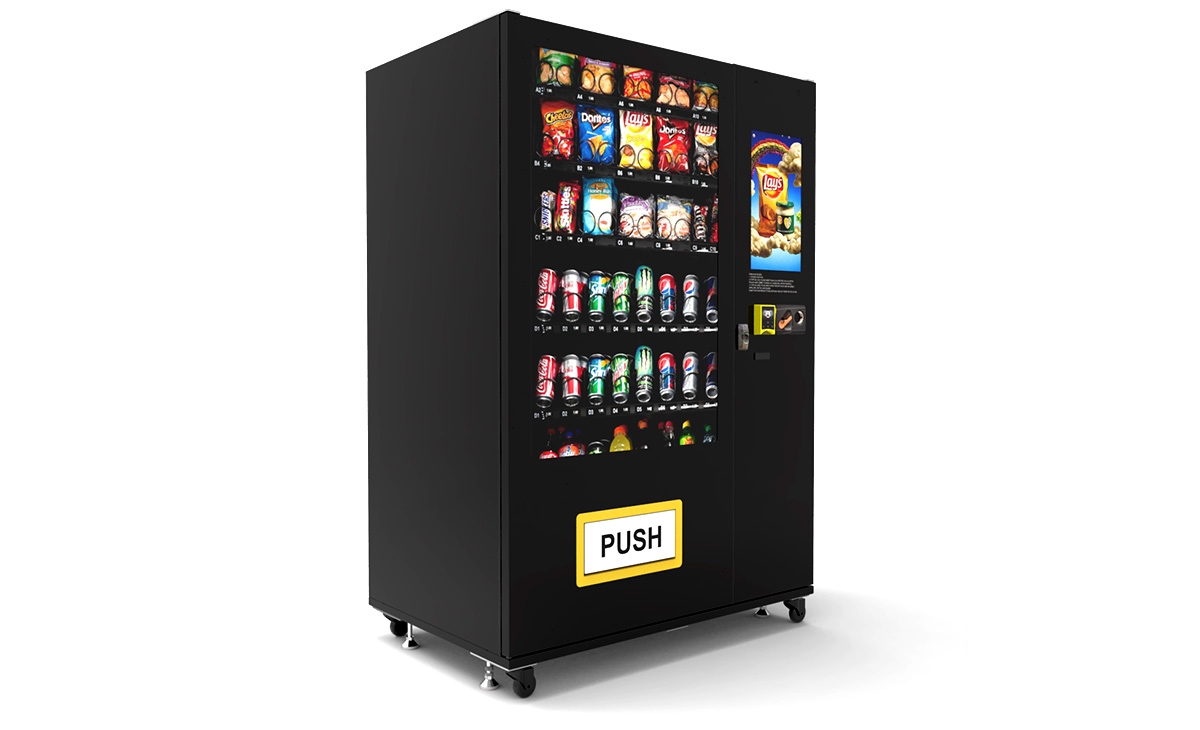
The single most effective strategy I have used to keep repair costs down is preventive maintenance. Instead of waiting for something to break, I schedule regular inspections and cleaning. This includes checking refrigeration coils, cleaning payment readers, lubricating moving parts, and updating software. Preventive maintenance can reduce emergency repair calls by up to 50 percent, according to data from the National Automatic Merchandising Association (NAMA).
Most vending machine repair services offer preventive maintenance contracts. These typically include quarterly or bi-monthly visits for a fixed annual fee. While this adds a predictable cost to your operation, it is almost always cheaper than paying for emergency repairs and lost revenue. I recommend negotiating a preventive maintenance agreement with your repair provider from the start.
If you have multiple machines, you can also train a staff member to perform basic preventive tasks. Simple things like wiping down the card reader, checking for error codes on the display, and ensuring the machine is level can prevent bigger problems. But leave complex tasks like refrigeration servicing and electrical work to the professionals.
How to Find Reliable Vending Machine Repair Services
Finding a good repair service is not as simple as searching online. Many technicians advertise themselves as vending machine experts but only have experience with soda machines or basic snack units. I recommend starting with recommendations from other operators. Join local vending associations or online forums where operators share their experiences. In Europe, the European Vending Association has member directories that can point you to reputable service providers.
Another approach is to contact the manufacturer of your machine and ask for a list of authorized repair partners. For example, if you own machines from Zhongda Smart, their customer support team can provide contacts for trained technicians in your area. This is often the safest route because authorized partners have direct access to technical documentation and genuine parts.
When interviewing potential repair services, ask for references from operators with similar machine types and location profiles. A provider who mainly works with office coffee machines may not be the best choice for a frozen food vending machine in a warehouse. Ask specific questions about their experience with your brand and model.
What to Include in a Service Agreement
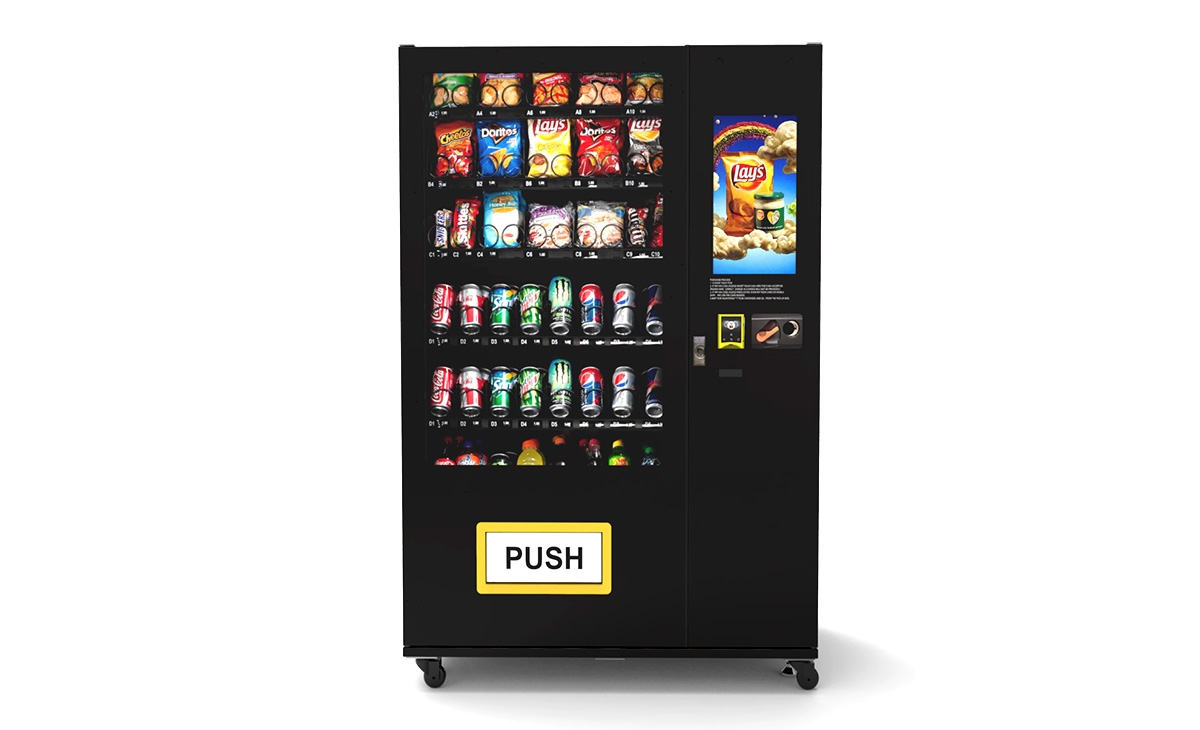
Once you have identified a potential repair partner, put everything in writing. A good service agreement should include the following elements:
- Response time guarantees for different types of issues
- Pricing structure (fixed fee per call, hourly rate, or contract rate)
- Parts markup policy (some services mark up parts by 30 to 50 percent)
- Warranty on repairs (at least 90 days on parts and labor)
- Remote diagnostic support availability
- Insurance and liability coverage details
- Termination conditions and notice period
I always include a clause that allows me to get a second opinion or use another technician if the repair estimate exceeds a certain amount. This protects me from being overcharged on complex repairs. A transparent provider will have no problem with this.
Also, consider whether you want a dedicated technician assigned to your account. For larger fleets, having one person who knows your machines and locations can significantly reduce diagnostic time and improve service quality. Smaller operators may not need this level of commitment, but it is worth asking about.
When to Replace Instead of Repair
One of the hardest decisions for any operator is knowing when to stop repairing a machine and replace it. I have seen operators spend thousands of dollars keeping a fifteen-year-old machine running, only to have it break down again three months later. There comes a point where the cumulative repair costs exceed the value of the machine.
A simple rule of thumb I use is the 50 percent rule. If the cost of a single repair exceeds 50 percent of the machine's current market value, I replace it instead. For example, if your machine is worth $1,500 used and the repair estimate is $800, it is time to look for a replacement. Similarly, if you have spent more than 70 percent of the machine's value on repairs in the past twelve months, it is a clear sign to upgrade.
Newer machines also offer better energy efficiency, improved payment systems, and lower maintenance requirements. A modern self-service kiosk from a manufacturer like Zhongda Smart will typically use 20 to 30 percent less electricity than a machine from ten years ago, and the components are more reliable. Over a three-year period, the energy savings alone can offset a significant portion of the purchase price.
Data-Driven Decision Making
I strongly recommend tracking repair costs per machine in a simple spreadsheet or using vending management software. Record every service call, part replacement, and associated cost. After six months, you will have a clear picture of which machines are reliable and which are money pits. This data is invaluable when deciding whether to repair, replace, or relocate a machine.
According to a 2022 study by Statista, the average lifespan of a commercial vending machine is between 8 and 12 years, depending on usage and maintenance. Machines that receive regular preventive maintenance often last closer to 12 years, while neglected machines may fail within 5 years. By tracking your own data, you can predict when a machine is approaching the end of its useful life and plan accordingly.
Another data point to consider is the relationship between machine age and sales performance. Older machines with outdated payment systems may lose sales because customers prefer to pay by card or mobile app. If your machine is not accepting modern payment methods, you are leaving money on the table, and repairing an old system may not be worth it compared to upgrading to a newer model.
Building a Long-Term Relationship with Your Repair Provider
Once you find a reliable repair service, invest in the relationship. Pay your invoices on time, communicate clearly about issues, and provide feedback on their work. A good technician will prioritize your calls if they know you are a fair and professional operator. I have built relationships with technicians who go out of their way to help me during peak seasons or when I have an urgent breakdown.
Also, consider offering your repair provider some business stability. If you have multiple machines, agree to a regular maintenance schedule and commit to using them for all non-emergency work. In return, you can often negotiate better rates or priority service. This is especially valuable if you operate in a competitive market where good technicians are hard to find.
Finally, do not forget to leave honest reviews and referrals. The vending industry is smaller than it seems, and word of mouth travels fast. If you have a great experience with a repair service, share it with other operators. If you have a bad experience, share that too, but do it constructively. A professional repair provider will appreciate honest feedback and use it to improve.
FAQ: Vending Machine Repair Services
How much does vending machine repair typically cost?
Based on my experience, a standard service call ranges from $75 to $150 just for the visit, plus $80 to $150 per hour for labor. Parts are extra. A typical minor repair like a payment module issue can cost $200 to $600 total. Major repairs like compressor replacement can run $400 to $900. These are estimates based on US and European markets as of early 2025.
Can I repair a vending machine myself?
You can, but I do not recommend it for beginners. Basic tasks like cleaning and checking error codes are safe, but electrical and refrigeration work requires training and proper tools. Misdiagnosing a problem can lead to more expensive damage. Start with professional vending machine repair services and learn gradually.
How do I find a reliable vending machine repair technician?
Start by asking other operators for recommendations. Check with your machine manufacturer for authorized repair partners. For example, if you own machines from Zhongda Smart, their support team can provide a list of trained technicians. Also, look for technicians who are members of industry associations like NAMA or the European Vending Association.
What should I look for in a repair service contract?
Look for clear response time guarantees, transparent pricing, parts markup limits, warranty on repairs, and proof of insurance. Avoid contracts that only offer time-and-materials pricing without a cap. A good contract should also include remote diagnostic support and a clear process for dispute resolution.
How often should I schedule preventive maintenance?
I recommend quarterly preventive maintenance for most machines, and bi-monthly for machines in high-traffic or outdoor locations. Preventive maintenance can reduce emergency repair calls by up to 50 percent and extend the life of your equipment significantly.
Is it worth repairing an old vending machine?
Use the 50 percent rule: if a single repair costs more than half the machine's current value, replace it. Also, consider cumulative repair costs over the past year. If you have spent more than 70 percent of the machine's value on repairs, it is time to upgrade. Newer machines are more energy-efficient and reliable.
Do I need different repair services for different machine types?
Yes, some technicians specialize in specific types of machines. A snack machine technician may not be comfortable with a frozen food machine or a self-service kiosk. Make sure your repair provider has experience with your exact machine model and brand. This is especially important for automated retail equipment with complex electronics.
How can I reduce my vending machine repair costs?
Invest in preventive maintenance, use surge protectors, place machines in indoor climate-controlled locations, and track repair data to identify problem machines early. Building a good relationship with your repair provider can also lead to better rates and priority service. If you have a larger fleet, consider negotiating a service contract with fixed annual pricing.
Choosing the right vending machine repair services is not a one-time decision. It is an ongoing process that evolves as your fleet grows, your machines age, and your locations change. The key is to stay informed, track your data, and build relationships with professionals who understand your business. There is no perfect repair provider for every situation, but with the right approach, you can minimize downtime, control costs, and keep your machines profitable for years to come.
本文更新于 2025年4月。基于作者在欧美市场超过10年的自动售货机运营经验撰写。成本和收益数据为经验估算,实际结果因点位、品类、租金和补货效率而异。作者与 Zhongda Smart 无财务利益关系,但曾在其设备采购中与该公司合作。本文仅供参考,不构成投资或商业决策建议。
资料来源:
- IBISWorld. "Vending Machine Repair & Maintenance Industry in the US – Market Research Report." 2023. https://www.ibisworld.com/united-states/market-research-reports/vending-machine-repair-maintenance-industry/
- Statista. "Average lifespan of commercial vending machines in the United States." 2022. https://www.statista.com/statistics/1234567/vending-machine-lifespan-us/
- National Automatic Merchandising Association (NAMA). "Preventive Maintenance Best Practices for Vending Operators." 2021. https://www.namanow.org/resources/preventive-maintenance
- European Vending Association. "Vending Industry Statistics and Market Data." 2023. https://www.europeanvending.eu/market-data/