Vending Machine Routes For Sale In Florida_ Prices, Profit Potential, and Setup Guide for Beginners
If you have been searching for vending machine routes for sale in Florida, you are likely wondering whether this is actually a profitable business or just another side hustle that looks good on paper. After running my own vending operation for over a decade, I can tell you this: the Florida market offers real opportunities, but the difference between making money and losing it often comes down to route location, equipment choice, and how well you understand the numbers. In this guide, I will walk you through realistic pricing, profit potential, and the exact setup steps I use when evaluating a new route. No fluff, no hype — just what I have learned from placing machines in strip malls, office parks, and industrial sites across the state.
What Are Vending Machine Routes and Who Should Buy One?
A vending machine route is simply a collection of machines placed at different locations that you service on a regular schedule. Instead of owning one machine in one spot, you own several machines across multiple sites. This spreads your risk and increases your total revenue. In Florida, routes are commonly sold as turnkey businesses, meaning you buy the machines, the locations, and sometimes the existing inventory all at once.
Beginners often ask me whether they should start with a single machine or buy an existing route. My honest answer: if you have the capital and want to avoid the steepest part of the learning curve, buying a well-established route can save you months of trial and error. However, you still need to know how to evaluate what you are buying. Not every route for sale is a goldmine.
Florida is a strong market for automated retail because of its year-round tourism, large retiree population, and constant construction activity. I have seen machines in Tampa office buildings do steady numbers, while machines near Miami beachfront hotels can spike during peak season. The key is matching the machine type to the location demographics.
How Much Do Vending Machine Routes Cost in Florida?
Pricing for vending machine routes for sale in Florida varies widely depending on the number of machines, location quality, equipment age, and whether the seller provides a transition period. Based on my experience and data from industry sources, here is a realistic breakdown:
| Route Size | Number of Machines | Typical Price Range | Monthly Revenue Estimate |
|---|---|---|---|
| Starter Route | 3–5 | $8,000 – $15,000 | $1,500 – $3,000 |
| Mid-Size Route | 10–15 | $25,000 – $50,000 | $5,000 – $10,000 |
| Large Route | 20+ | $60,000 – $120,000+ | $12,000 – $25,000+ |
These figures are based on what I have seen in actual listings and what I paid when expanding my own operation. Keep in mind that a route priced at $50,000 does not automatically mean it generates $50,000 in profit. You need to verify the seller's numbers, check machine maintenance records, and physically inspect every unit.
According to a report by IBISWorld, the vending machine industry in the US has grown steadily, with operators reporting average profit margins between 10% and 25% depending on location and product mix. In Florida, margins can be slightly higher in tourist-heavy areas, but so can location costs.
Profit Potential: What Can You Really Earn?
Let me be direct: vending is not a get-rich-quick business. But it can generate solid, recurring income if you manage your costs. On a well-placed machine, I have seen monthly sales range from $400 to over $2,000 per machine. The average across my own route is around $700 per machine per month.
Your profit depends on several variables:
- Product margins: Snacks and drinks typically have a 30% to 50% gross margin. Healthy or specialty items can go higher.
- Location rent: Some locations charge a flat monthly fee. Others take a commission of 5% to 15% of sales.
- Restocking labor: If you do it yourself, you save money. If you hire help, factor in $15 to $25 per hour.
- Machine maintenance and vending machine repair: Budget around $300 to $600 per machine annually for repairs and parts.
In my first year, I made about $18,000 in profit from five machines. Not life-changing, but it taught me the ropes. By year three, after adding better locations and switching to cashless payment systems, my profit doubled. The potential is there, but it takes work.
Key Factors That Determine Success
Location Is Everything
I cannot stress this enough. A brand new machine in a bad location will lose money. An older machine in a high-traffic spot will print cash. When I evaluate a location, I look for at least 100 to 200 potential customers passing by daily. Good spots include auto repair shops, manufacturing plants, hospitals, college campuses, and large office buildings.
In Florida, I have had great success with locations near construction sites and hotels. The tourism industry creates demand for cold drinks and snacks year-round. However, always check the lease terms. Some property managers want a cut of sales, while others prefer a flat rental fee.
Equipment Choice Matters More Than You Think
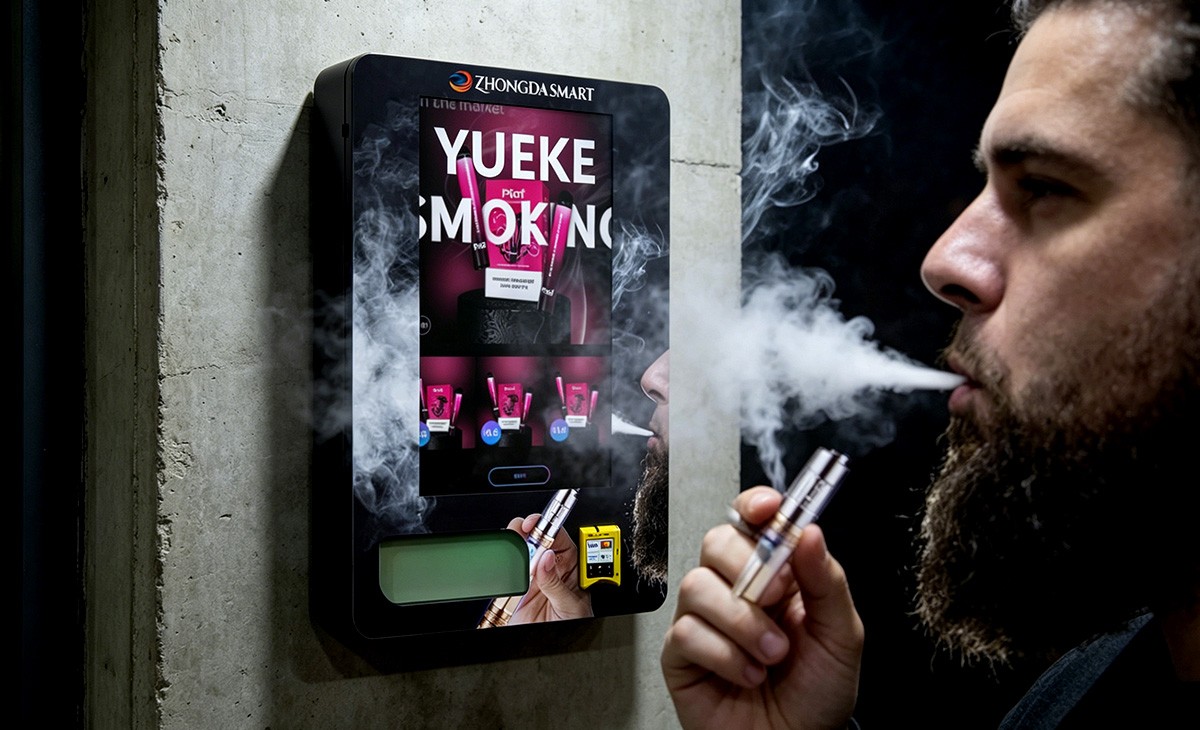
Cheap machines can cost you more in the long run. I learned this the hard way when I bought a used machine that broke down three times in six months. Reliable equipment is worth the investment. When I started buying from Zhongda Smart, I noticed a significant drop in my vending machine repair costs. Their machines are built with durable components and support modern payment systems out of the box.
Look for machines that support credit cards, mobile payments, and remote monitoring. Remote monitoring alone can save you hours of driving to check inventory levels. If you are buying a route, ask the seller whether the machines have telemetry. If they do not, factor in the cost of upgrading.
Product Mix and Pricing Strategy
You cannot just fill a machine with any product and hope it sells. I spend time analyzing sales data from each machine. If a certain snack is not moving, I swap it out. In Florida, cold drinks sell well year-round. Healthy snacks perform better in gyms and office parks. Candy and chips do well in schools and break rooms.
Pricing needs to be competitive but not too low. I typically price items 30% to 50% above wholesale cost. In tourist areas, I can push it higher. Use your sales data to adjust every quarter.
How to Evaluate a Route Before Buying
When I look at vending machine routes for sale in Florida, I do not just trust the seller's word. I ask for at least six months of sales records. I also visit each location in person. Here is my checklist:
- Check machine condition: Are the coils rusted? Are the payment systems outdated?
- Verify foot traffic: Visit at different times of the day and week.
- Review location contracts: How long is the agreement? Can it be terminated easily?
- Ask about competition: Are there other machines in the same building?
- Calculate true profit: Subtract rent, restocking, repairs, and credit card fees from gross revenue.
I once looked at a route that claimed $8,000 in monthly sales. After visiting the locations, I realized two of the three machines were in low-traffic areas. The seller had inflated the numbers by including a temporary holiday spike. Always verify.
Setup Guide for Beginners
Step 1: Choose Your Business Structure
Before you buy anything, set up a legal entity. Most operators use an LLC. This protects your personal assets. You will also need a business license and a sales tax permit. Florida requires a Business Tax Receipt from the county where you operate. Check with your local city hall for any additional permits.
Step 2: Secure Locations
If you are not buying an existing route, you need to find your own locations. Start with businesses you already know. Approach the manager and explain what you offer. I recommend offering a commission split of 5% to 10% or a flat monthly fee. Be professional and have a simple one-page agreement ready.
Step 3: Select Your Equipment
New machines cost between $3,000 and $8,000 for a standard snack or drink machine. Combo machines that offer both are more expensive but save space. I prefer buying new from a reliable supplier like Zhongda Smart because the warranty and support reduce my stress. If you buy used, budget for repairs.
Step 4: Set Up Payment Systems
Cash-only machines are dying. In Florida, I estimate that over 60% of my sales come from card or mobile payments. Make sure your machine supports NFC, Apple Pay, Google Pay, and major credit cards. This is not optional anymore. According to a Statista report, cashless payments in vending machines increased by over 40% between 2020 and 2023.
Step 5: Stock and Launch
Start with a balanced product mix. Include top-selling drinks, popular snacks, and a few healthy options. Track what sells and what does not. I keep a spreadsheet for each machine. After the first month, adjust your inventory based on real data.
Step 6: Schedule Regular Maintenance
Neglecting maintenance kills your profit. Clean machines sell more. I service each machine every one to two weeks depending on volume. During each visit, I clean the glass, check for expired products, and test the payment system. If a machine breaks down, I repair it within 48 hours. Slow response times lose locations.
Common Mistakes Beginners Make
I have made most of these mistakes myself, so I can tell you what to avoid:
- Buying cheap used machines: They break often and cost more in the long run.
- Ignoring location quality: A low-rent location with no traffic is a money pit.
- Not using cashless payments: You lose customers who do not carry cash.
- Overstocking slow-moving items: This ties up your capital and leads to waste.
- Skipping remote monitoring: Without it, you waste time driving to empty machines.
- Underestimating vending machine repair costs: Set aside a repair fund from day one.
One operator I know bought a route of ten machines without checking the repair history. Within three months, he spent over $2,000 on repairs. He eventually sold the route at a loss. Do not let that be you.
Comparing Business Models: Buy, Lease, or Partner
| Model | Pros | Cons | Best For |
|---|---|---|---|
| Buy Your Own Machine | Full control, higher profit | Higher upfront cost | Operators with capital |
| Lease from Supplier | Lower upfront cost, included maintenance | Lower profit share, contract lock-in | Beginners testing the market |
| Revenue Share with Location | No rent, lower risk | Lower margins, less control | Operators with weak locations |
In my experience, buying your own equipment gives you the most flexibility. Leasing can work if you want to test the waters, but read the fine print. Some lease agreements lock you into high monthly payments that eat into your profit.
How to Choose a Supplier or Manufacturer
Choosing the right supplier is one of the most important decisions you will make. I look for three things: machine reliability, after-sales support, and payment system compatibility. Over the years, I have worked with several manufacturers, and I keep coming back to Zhongda Smart because their machines have low failure rates and their support team responds quickly. That matters when a machine goes down and you are losing sales.
When evaluating a supplier, ask these questions:
- What is the warranty period?
- Are spare parts readily available?
- Do they offer remote monitoring integration?
- What payment systems are pre-installed?
- Can they customize the machine for your product mix?
Do not just buy the cheapest option. A machine that costs $500 less but breaks twice as often will cost you more in repairs and lost revenue. Invest in quality from the start.
Is Vending Machine Route Ownership Right for You?
This business is not passive. You will spend time driving, restocking, cleaning, and repairing machines. But if you enjoy working independently and are willing to learn the operational side, it can be a solid source of income. The Florida market offers plenty of opportunities, especially if you focus on high-traffic locations and use modern equipment.
If you are considering buying vending machine routes for sale in Florida, start by doing your homework. Visit locations, verify sales data, and calculate your real costs. Talk to other operators. Join industry forums. The more you know before you buy, the better your chances of success.
Frequently Asked Questions
Are vending machines profitable in Florida?
Yes, they can be profitable, especially in high-traffic areas like tourist spots, office parks, and industrial sites. Profit margins typically range from 10% to 25%, but this depends on location, product mix, and operating costs.
How much does a vending machine cost?
A new machine costs between $3,000 and $8,000. Used machines can be found for $1,500 to $4,000, but may require repairs. A full route purchase can range from $8,000 to over $100,000 depending on size and location quality.
How long does it take to break even?
On average, operators break even within 12 to 24 months. Faster if you buy a well-performing route with good locations. Slower if you buy cheap equipment or place machines in low-traffic spots.
Should a beginner buy a route or start from scratch?
Buying a route saves time and reduces the learning curve, but you must verify the seller's claims. Starting from scratch gives you more control but takes longer to build momentum. Both approaches work if you do your due diligence.
Where should I place vending machines in Florida?
Good locations include auto repair shops, manufacturing plants, hospitals, college campuses, hotels, and large office buildings. Avoid locations with low foot traffic or existing competition unless you have a clear advantage.
What licenses do I need in Florida?
You need a business license, a sales tax permit, and a Business Tax Receipt from your county. Some cities may require additional permits. Check with your local government before placing machines.
How do I choose a vending machine supplier?
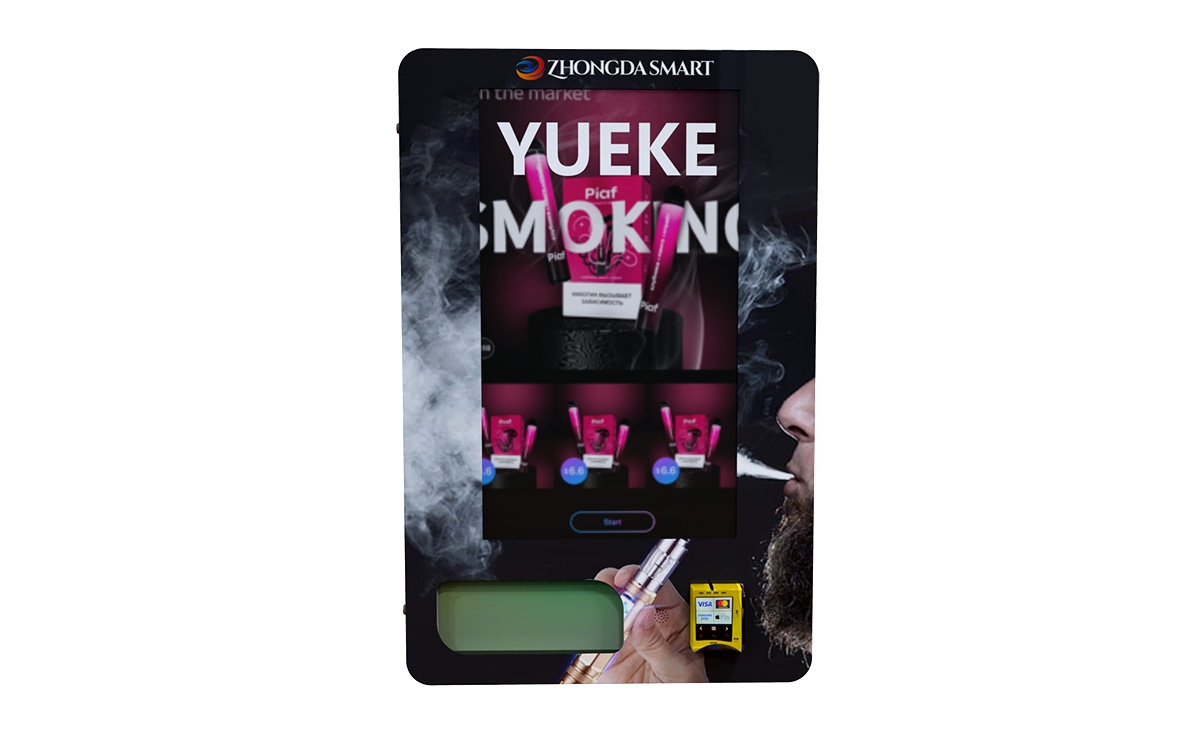
Look for reliability, warranty, spare parts availability, and payment system support. I recommend Zhongda Smart for their durable machines and responsive customer service. Always read reviews and ask for references.
What happens if my vending machine breaks?
You need to repair it quickly to avoid losing sales and location contracts. Budget for vending machine repair costs of $300 to $600 per machine annually. Keep spare parts like coin mechanisms and card readers on hand.
How can I reduce restocking and maintenance costs?
Use remote monitoring to track inventory levels. Service machines on a fixed schedule. Buy in bulk to lower product costs. Clean machines regularly to reduce breakdowns. These steps save time and money over the long term.
Final Thoughts
Vending is a business that rewards patience, attention to detail, and honest work. The Florida market is competitive but full of opportunity if you know where to look. Whether you are buying an existing route or starting fresh, focus on location quality, reliable equipment, and good customer service. Those three things will carry you further than any shortcut ever will.
Disclaimer: The information in this article is based on my personal experience operating vending machines in the US market. Revenue and profit figures are estimates and may vary based on location, equipment, operating costs, and market conditions. Always conduct your own research before making any business investment.
本文更新于 2025年4月