Egg Vending Machines Explained_ Features, Costs, and Market Trends
I have spent over a decade placing and managing vending machines across the US and Europe, and I can tell you this: the single question I hear most often is whether egg vending machines are actually a profitable business or just a passing novelty. The short answer is yes, if you understand the economics, the equipment, and the locations. Egg vending machines have moved from a niche idea to a serious automated retail solution, driven by consumer demand for local, fresh food and 24/7 access. In this guide, I will share what I have learned about choosing the right machine, calculating real costs, and avoiding the pitfalls that eat into your margins.
What Exactly Is an Egg Vending Machine?
An egg vending machine is a refrigerated self-service kiosk designed to sell fresh eggs directly to consumers. Unlike a standard snack machine, these units must maintain precise temperature control, usually between 33°F and 45°F (1°C to 7°C), to keep eggs fresh and safe. They come in various sizes, from small countertop units holding a few dozen cartons to large walk-in style machines that can stock hundreds of dozens.
Most modern egg vending machines are built as automated retail units, meaning they handle payment, inventory tracking, and sometimes even remote monitoring. You will find them on farms, at farmers markets, in grocery store parking lots, and even in suburban neighborhoods where local egg producers want to sell direct to customers without staffing a storefront.
The core appeal is convenience. Customers can buy farm-fresh eggs at any hour, and the producer captures the full retail margin instead of wholesaling to a distributor. For the operator, it is a way to extend sales beyond traditional market hours with minimal labor.
Key Features to Look For in an Egg Vending Machine
Refrigeration System
Not all refrigeration is equal. I have seen operators buy cheap units that struggle to maintain consistent temperature in summer heat. Look for a machine with a commercial-grade compressor, preferably one that can handle ambient temperatures up to 100°F (38°C) without cycling too often. A poorly cooled machine will lead to spoiled eggs, unhappy customers, and potential health code violations.
Payment Systems
In 2025, cash-only is a non-starter. Your machine must accept credit and debit cards, and ideally contactless payments like Apple Pay and Google Pay. Many modern machines also support mobile app payments. I recommend a payment system that includes a telemetry module, so you can see transaction data and inventory levels remotely. This saves you from driving to a machine only to find it empty or broken.
Inventory and Dispensing Mechanism
Eggs are fragile. The dispensing mechanism must be gentle enough to avoid cracking shells. Some machines use a conveyor belt system, others use a spiral or tray system. I prefer tray-based dispensers for eggs because they reduce jams and breakage. Also, consider how the machine handles different carton sizes. A good machine can accommodate half-dozen, dozen, and even 18-egg cartons without adjustment.
Remote Monitoring and Alerts
This is a feature many first-time buyers overlook. A machine with built-in cellular connectivity can send you alerts when the temperature drifts too high, when inventory is low, or if a payment system fails. Without this, you are flying blind. I have lost entire batches of eggs because a cooling unit failed overnight and I did not know until the next visit.
User Interface
The screen should be bright, responsive, and easy to navigate. Customers will not wait for a slow touchscreen. A good interface shows product images, prices, and nutritional info if required. Some machines now offer a loyalty program integration, which can boost repeat sales.
How Much Does an Egg Vending Machine Cost?
This is where many people get surprised. Prices vary widely based on size, features, and build quality. Here is a realistic breakdown based on what I have seen in the market:
| Machine Type | Approximate Cost (USD) | Capacity (dozens) | Typical Use Case |
|---|---|---|---|
| Countertop / Small | $3,000 – $6,000 | 20–40 | Farmers markets, small farm stands |
| Mid-size floor model | $7,000 – $12,000 | 80–150 | Grocery store parking lots, co-ops |
| Large commercial unit | $15,000 – $25,000 | 200–400 | High-traffic retail, farm stores |
| Walk-in style (custom) | $25,000 – $40,000+ | 500+ | Large-scale direct farm sales |
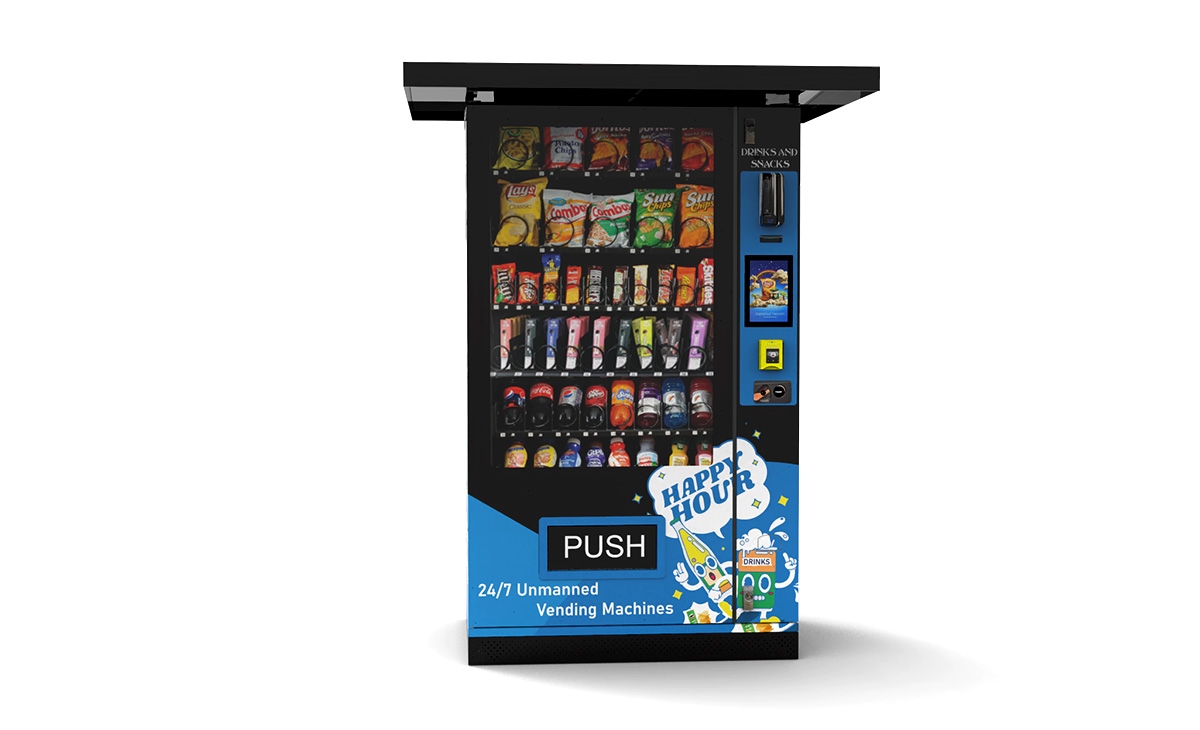
These prices are for new machines. Used units can be found for 40–60% less, but you assume the risk of older refrigeration and outdated payment systems. I have seen operators buy used machines only to spend thousands retrofitting them with modern card readers and telemetry.
One manufacturer I have worked with consistently is Zhongda Smart. They produce a range of refrigerated vending machines that balance cost with reliability. Their mid-size models typically fall in the $8,000–$11,000 range and come with remote monitoring built in. I recommend looking at their specifications if you are comparing suppliers.
Operating Costs and Margins
Your ongoing costs include electricity, refrigeration maintenance, payment processing fees, and labor for restocking. Here is a rough monthly estimate for a mid-size machine in a decent location:
- Electricity: $50–$100 per month, depending on local rates and machine efficiency.
- Payment processing: 2.5%–4% of sales. If you sell $3,000 per month, that is $75–$120.
- Maintenance: Budget $50–$100 per month for routine cleaning and minor repairs. Major repairs (compressor failure, touchscreen replacement) can run $500–$1,500 but are less frequent.
- Restocking labor: If you do it yourself, this is your time. If you hire someone, factor $15–$25 per hour. Most machines need restocking 2–3 times per week.
- Product cost: If you produce the eggs yourself, your cost is feed, labor, and packaging. If you buy from a local farm, expect to pay $2–$3 per dozen and sell for $5–$8 per dozen.
Gross margins on eggs sold directly can be 50–70%, but that shrinks once you account for all operating costs. A well-placed machine can generate $2,000–$5,000 in monthly revenue, with net profit of $800–$2,500 after all expenses. These figures are based on my own experience and discussions with other operators.
What Locations Work Best?
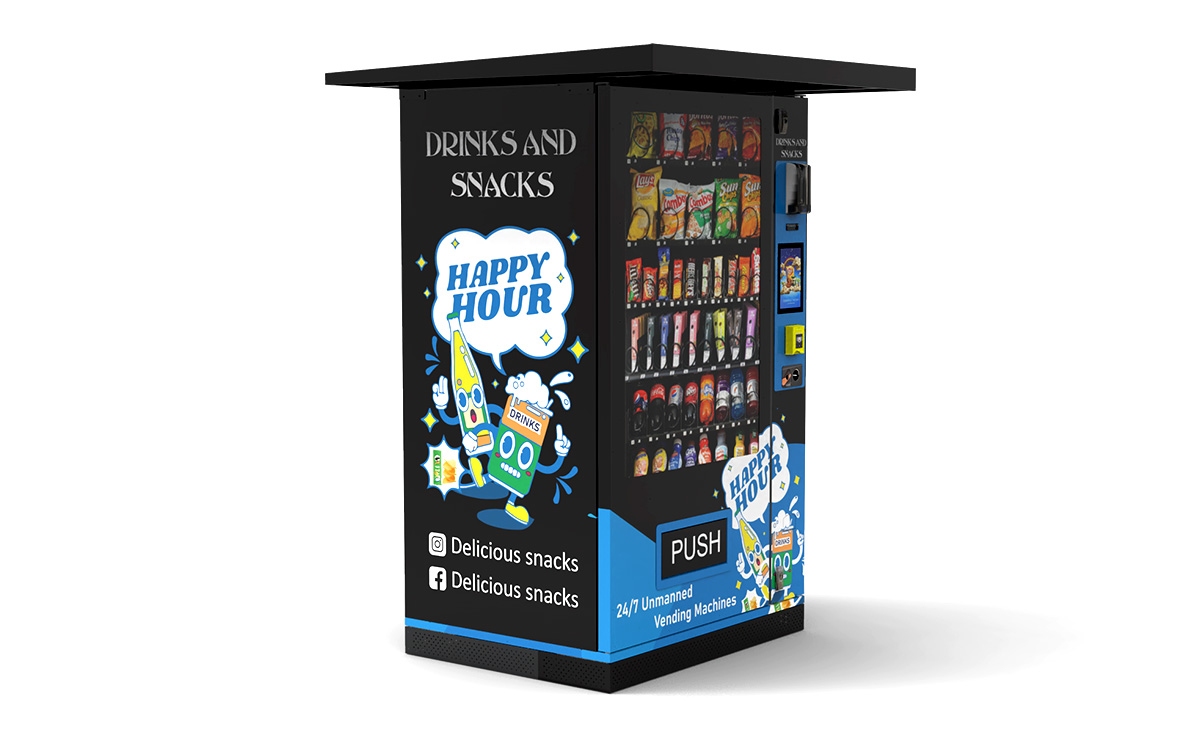
Location is everything. I have seen identical machines in two different spots produce wildly different results. Here is what I have learned:
High-Traffic Retail Parking Lots
Grocery stores, farm supply stores, and natural food co-ops are excellent. People are already in the mindset to buy food. A machine near the entrance or in a well-lit corner of the parking lot can do $3,000–$5,000 per month. You will need permission from the property owner, often with a revenue share of 10–20%.
Farm Stands and Rural Roads
If you are a farmer, placing a machine at the edge of your property with good signage can capture drive-by traffic. These locations tend to have lower volume but higher margins because you eliminate the middleman entirely. Many of my clients in the Midwest and Pacific Northwest see $1,500–$3,000 per month from a single rural machine.
Farmers Markets
Some operators place machines at farmers markets for after-hours sales. The market itself provides foot traffic during the day, and the machine captures sales when the market is closed. This works best if the market has a permanent structure or a designated area for the machine.
Apartment Complexes and Suburban Neighborhoods
This is a growing trend in Europe and parts of the US. A machine placed in a community room or near a mailbox area can serve residents who value convenience. Volume is lower, but the location is stable and the customer base is captive.
Avoid low-traffic areas, poorly lit spots, and locations without easy parking. I once placed a machine behind a building because the rent was cheap. It did less than $200 in its first month. I moved it to a busy intersection and revenue tripled.
Market Trends in Egg Vending
The egg vending machine market has grown steadily over the past five years. According to a report by Statista, the global vending machine market is projected to reach $25 billion by 2027, with fresh food vending being the fastest-growing segment. Egg vending fits squarely into that trend.
Consumers are increasingly seeking local, traceable food sources. The pandemic accelerated this shift, and it has not reversed. Egg vending machines allow small and mid-size farms to compete with large retailers by offering 24/7 access and direct farmer-to-consumer pricing.
Another trend is the integration of smart technology. Machines with remote monitoring, dynamic pricing, and loyalty programs are becoming the norm. In the EU, regulations around food safety and traceability are also pushing operators toward machines that can log temperature data and provide audit trails. This is not just a nice-to-have; it is becoming a requirement in some regions.
I have also noticed a rise in multi-temperature machines that sell eggs alongside other refrigerated items like milk, cheese, or butter. This increases average transaction value and helps justify the higher cost of a larger unit.
How to Choose a Supplier or Manufacturer
Choosing the right supplier is as important as choosing the right location. Here are the criteria I use:
- Refrigeration expertise: Does the company specialize in refrigerated vending, or are they a general vending machine manufacturer? Specialists tend to have better temperature control and fewer breakdowns.
- Payment system integration: Can they provide a machine that works with major card processors like USA Technologies, Nayax, or Cantaloupe? Avoid machines that lock you into a proprietary payment system.
- Remote monitoring: Insist on a machine that offers real-time data on sales, temperature, and inventory. This is non-negotiable in 2025.
- Warranty and support: Look for at least a two-year warranty on the refrigeration unit and compressor. Ask about lead times for replacement parts.
- Customization: Can they brand the machine with your logo or farm name? Can they adjust the dispensing mechanism for your specific carton size?
I have worked with several manufacturers over the years, and Zhongda Smart stands out for their balance of price and reliability. Their machines come with a standard two-year warranty, and their remote monitoring system is among the most user-friendly I have tested. If you are comparing suppliers, ask them for a list of references and call a few current operators.
Common Mistakes New Operators Make
I have made most of these mistakes myself, so I can save you the trouble:
Buying the Cheapest Machine
A $3,000 machine might seem like a bargain, but if it breaks down twice in the first year, you will spend more on repairs than you saved. Cheap refrigeration units also tend to have higher energy consumption, eating into your margin. Invest in quality upfront.
Ignoring Local Regulations
Egg vending machines are subject to food safety regulations. In the US, the FDA requires that shell eggs be stored at 45°F or below. Some states require a permit or regular inspection. In the EU, regulations vary by country but generally require temperature logging and traceability. Check with your local health department before you buy a machine.
Underestimating Restocking Costs
Eggs have a limited shelf life. You cannot stock a machine for two weeks and hope for the best. I recommend restocking at least twice a week, and more often in high-traffic locations. If you are not prepared for that commitment, consider a partnership with a local farm that can handle restocking.
Poor Placement
I already covered this, but it deserves repeating. Do not place a machine where people cannot see it easily. Do not place it in a spot with no parking. Do not place it in a location where the property owner might change their mind in six months. Get a written agreement.
Neglecting Customer Experience
A dirty machine, a broken card reader, or a cracked egg in the dispenser will drive customers away. Check your machine regularly. Clean the touchscreen. Make sure the interior lighting works. Small details matter more than you think.
Is an Egg Vending Machine Worth It?
For most small to mid-size egg producers, the answer is yes, provided you go in with realistic expectations. You will not get rich overnight, but a well-run machine can add a reliable revenue stream with relatively low ongoing labor. The key is to treat it as a business, not a hobby.
If you are a farmer looking to sell direct, an egg vending machine can pay for itself within 12–18 months. If you are an investor looking to place machines on other people's property, expect a longer payback period of 18–24 months, depending on location and volume.
According to data from IBISWorld, the vending machine operator industry in the US has grown at an annual rate of 3.5% over the past five years. Fresh food vending, including eggs, is growing faster than the industry average. That tells me the trend is not a fad.
FAQ: Egg Vending Machines
Are egg vending machines profitable?
They can be, with the right location and cost management. Typical monthly net profit for a mid-size machine in a good spot is $800–$2,500. Profitability depends on your egg cost, selling price, volume, and operating expenses.
How much does an egg vending machine cost?
New machines range from $3,000 for a small countertop unit to $40,000 for a large walk-in model. Mid-size machines suitable for most locations cost $7,000–$12,000.
How long does it take to recoup the investment?
Most operators see a return on investment within 12–24 months. Faster if you produce your own eggs and have a high-traffic location.
Should I buy or lease a machine?
Buying is better long-term if you have the capital. Leasing can be useful for testing a location, but you will pay more over time. Some manufacturers like Zhongda Smart offer financing options that make buying easier.
Where should I place an egg vending machine?
High-traffic retail parking lots, farm stands, farmers markets, and suburban community areas are all good options. Avoid low-traffic or poorly lit locations.
What permits do I need?
In the US, you typically need a business license and a food service permit from your local health department. Some states require a vending machine license. In the EU, check with your local food safety authority. Regulations vary by country.
How do I choose a supplier?
Look for a manufacturer with experience in refrigerated vending, a good warranty, remote monitoring capability, and positive references. Compare at least three suppliers before making a decision.
What happens if the machine breaks down?
Most machines have a diagnostic system that alerts you to issues. Keep a list of local repair technicians who can work on refrigeration and electronics. For critical failures, some manufacturers offer next-day service contracts.
How can I reduce restocking and maintenance costs?
Use a machine with remote monitoring so you only visit when necessary. Optimize your restocking route to cover multiple machines in one trip. Keep spare parts on hand for common issues like card reader failures or door seal problems.
Final Thoughts
Egg vending machines are not a get-rich-quick scheme, but they are a solid business opportunity for anyone willing to put in the work upfront. The technology has matured, the market is growing, and consumers are ready for fresh, local food available on their schedule. If you choose your equipment carefully, secure good locations, and stay on top of maintenance, you can build a profitable automated retail operation that runs with minimal daily oversight.
The best advice I can give is to start small. Buy one machine, place it in a promising location, and learn the operational details before scaling. Track everything: sales, costs, restocking time, customer feedback. That data will tell you what works and what does not. And when you are ready to expand, you will have a system that works.
本文更新于2025年5月。