How to Choose the Right Locations To Put Vending Machines_ Complete Beginner's Guide
If you are looking to break into the vending machine business, the single most important decision you will make is not which machine to buy or what product to stock—it is where you place it. After a decade of operating vending routes across the U.S. and Europe, I can tell you that location determines roughly 80 percent of your success. A mediocre machine in a high-traffic spot will outperform a top-tier machine in a dead zone every time. This is not guesswork; it is the reality of automated retail. In this complete beginner’s guide, I will walk you through how to choose the right locations to put vending machines, based on real experience, hard data, and the mistakes I have seen too many new operators make.
Why Location Matters More Than Anything Else
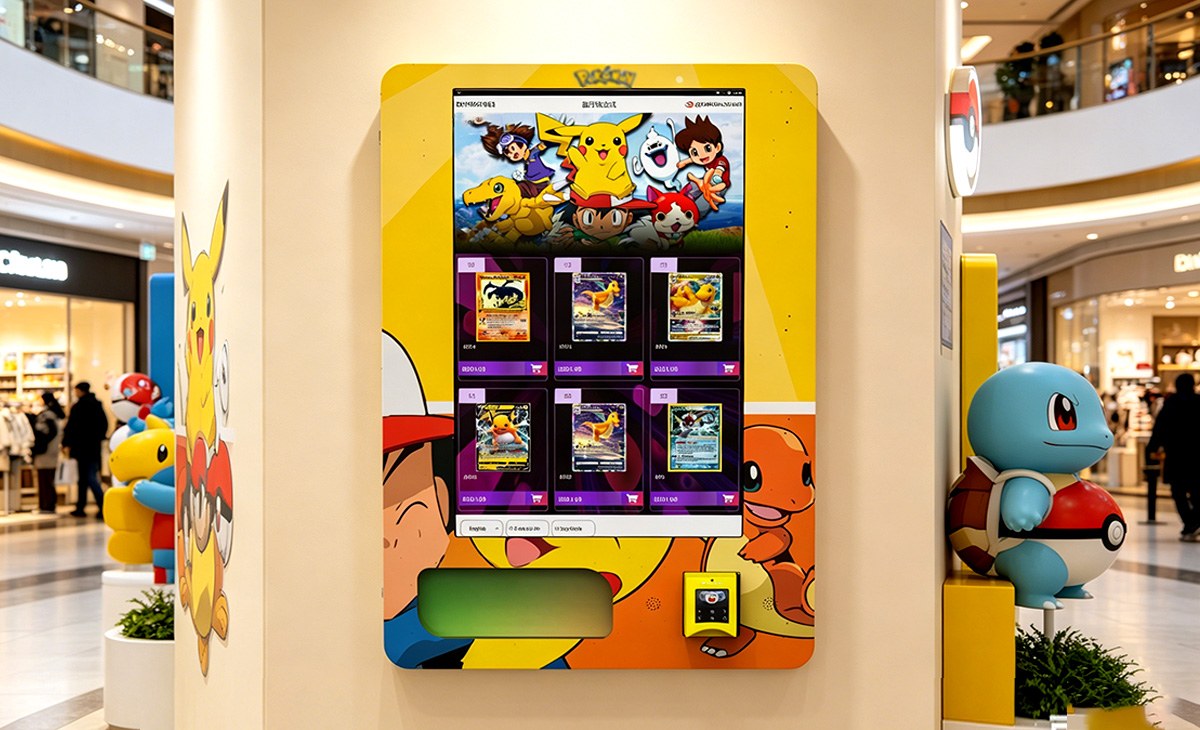
When I started my first vending route in the Midwest, I bought a brand-new combo machine and placed it in a small office building with about 50 employees. I thought the low rent and lack of competition would guarantee steady sales. Within three months, I was losing money on that machine. The foot traffic was simply too low, and the office workers brought their own snacks from home. That machine ended up costing me more in maintenance and restocking than it ever earned. I moved it to a busy auto repair shop with a waiting area, and within two weeks, sales doubled. That experience taught me a lesson I have never forgotten: the right location to put vending machines is not about convenience for you; it is about convenience for the customer and high, consistent foot traffic.
According to a 2022 report by IBISWorld, the vending machine industry in the United States generates over $7 billion annually, with the majority of revenue coming from machines placed in high-traffic commercial and industrial locations. The report also notes that machines in low-traffic areas have an average failure rate of over 40 percent within the first year. This is not a business where you can set it and forget it. You need to evaluate each potential spot with the same rigor a real estate investor uses to evaluate a property.
Evaluating Foot Traffic: The First Rule of Vending Machine Placement
What Counts as High Traffic?
Foot traffic is not just about numbers; it is about the right kind of numbers. A location with 500 people passing by per day might sound good, but if those people are all rushing to catch a train and have no time to stop, your machine will sit idle. I look for locations where people have a natural pause in their day. Waiting rooms, break rooms, laundry mats, and gym lobbies are prime examples. In these spots, people have time to browse, make a selection, and complete a purchase.
For a snack or beverage machine, I consider a location viable if it has at least 100 potential customers per day who are on-site for at least 10 minutes. For a specialized machine like a self-service kiosk selling electronics or personal care items, the threshold might be lower, but the customer intent must be higher. I once placed a healthy snack machine in a yoga studio with only 80 daily visitors, and it performed better than a soda machine in a busy gas station because the audience was highly targeted.
How to Measure Foot Traffic Without a Degree in Statistics
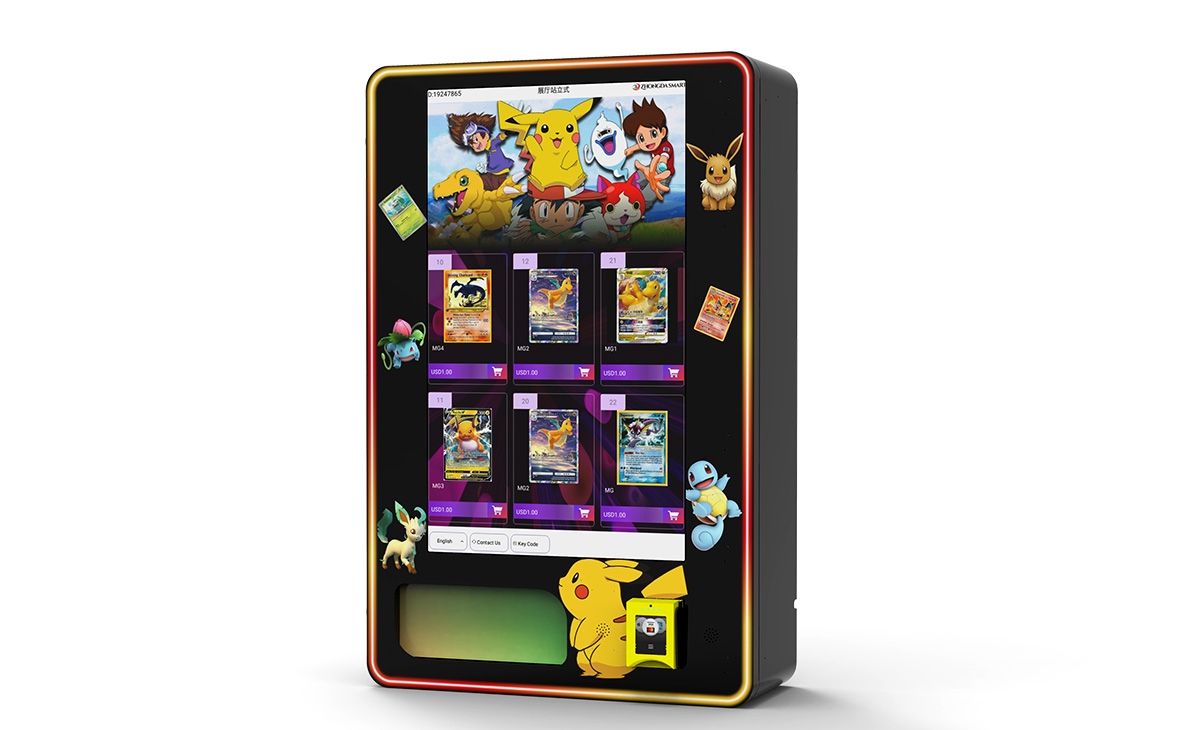
You do not need fancy tools to measure foot traffic. I use a simple manual counter for three different days of the week, including a weekday and a weekend. I stand near the proposed location and count the number of people who pass within 10 feet of the spot. I also note how many of them stop, look around, or appear to be waiting. If the location is a business, I ask the manager for their daily customer count or employee headcount. Most managers are happy to share this information if you are polite and explain what you are doing. According to a study by the National Automatic Merchandising Association (NAMA), locations with over 200 daily visitors have a 60 percent higher chance of generating positive cash flow within the first six months.
Understanding the Different Types of Locations
Commercial and Industrial Locations
These are the bread and butter of the vending industry. Factories, warehouses, office parks, and distribution centers often have hundreds of employees who work long shifts. They need quick access to food and drinks. In my experience, a well-placed combo machine in a factory break room can generate between $500 and $1,500 per month in revenue, depending on the size of the workforce and the shift structure. The key here is to negotiate a low rent or a commission-based agreement. Many industrial locations will allow you to place a machine for free if you offer a small percentage of sales, typically 5 to 10 percent.
Public and Semi-Public Spaces
Laundromats, car washes, bus stations, and train stations fall into this category. These locations have steady, often unpredictable foot traffic. The challenge here is that you may need to service the machine more frequently because of higher turnover. I once had a machine in a busy bus terminal that needed restocking every two days. The revenue was high, around $2,000 per month, but the operational cost was also higher. You need to factor in the time and fuel required to service these high-traffic spots.
Educational and Healthcare Facilities
Schools, universities, hospitals, and clinics are excellent locations, but they come with specific requirements. Many schools have strict nutritional guidelines, and hospitals often require machines that accept contactless payments. In the European market, for example, the French government has implemented regulations on vending machine offerings in schools, limiting sugary drinks and high-fat snacks. If you are placing a machine in a school, you need to be aware of local laws. According to a report by Statista, the vending machine market in Europe is expected to grow by 3.5 percent annually, driven largely by demand for healthier options in educational and healthcare settings.
Retail and Hospitality Locations
Hotels, motels, gyms, and shopping centers can be lucrative, but the competition is often higher. Many large retail chains already have contracts with national vending operators. As a beginner, you are better off targeting smaller, independent businesses. I have had good success with boutique hotels that do not have room service. A small machine in the lobby selling bottled water, snacks, and travel-sized toiletries can generate steady revenue with minimal competition.
The Financial Side: Costs, Revenue, and Return on Investment
Initial Investment
The cost of a vending machine varies widely depending on the type and features. A basic snack machine can cost between $2,000 and $5,000. A beverage machine is typically $3,000 to $7,000. A combo machine that sells both snacks and drinks ranges from $4,000 to $10,000. If you want a high-end self-service kiosk with a touch screen and cashless payment system, you could pay $8,000 to $15,000 or more. I recommend starting with a mid-range combo machine from a reliable manufacturer like Zhongda Smart, which offers durable machines with modern payment systems at a reasonable price point. Avoid the cheapest machines you can find online; they often break down within the first year, and the cost of vending machine repair will eat into your profits quickly.
Operating Costs
Your monthly operating costs include rent or commission, product cost, electricity, payment processing fees, and maintenance. Rent for a good location typically ranges from $50 to $300 per month, or 5 to 15 percent of gross sales. Product cost for snacks and beverages is usually 40 to 50 percent of the retail price. Electricity is minimal, around $10 to $30 per month per machine. Payment processing fees for credit cards and mobile payments are about 2 to 4 percent of each transaction. Maintenance and vending machine repair costs can vary, but I budget about $200 to $400 per year per machine for routine service and unexpected breakdowns.
Revenue Potential
Based on my experience and data from NAMA, a well-placed vending machine in a good location can generate $400 to $1,200 per month in gross revenue. After subtracting product costs and operating expenses, your net profit per machine is typically $150 to $500 per month. This means a machine that costs $5,000 to purchase and install can pay for itself in 10 to 18 months. However, this is an estimate, and actual results depend heavily on location, product mix, and pricing strategy. I have seen machines in prime locations pay for themselves in six months, and I have seen machines in poor locations that never broke even.
How to Evaluate a Potential Location: A Practical Checklist
Before you commit to a location, I recommend using a simple evaluation framework. I have developed this over years of trial and error, and it has saved me from making costly mistakes. Here is what I look for:
- Daily foot traffic: At least 100 people who are on-site for 10 minutes or more.
- Dwell time: People have time to stop and make a purchase.
- Accessibility: The machine is easy to see and reach, with no physical barriers.
- Power and internet: A nearby electrical outlet and reliable Wi-Fi or cellular signal for cashless payments.
- Security: The location is safe and well-lit, with low risk of vandalism.
- Competition: No other vending machines within 500 feet selling the same products.
- Contract terms: A reasonable rent or commission, with a minimum term of one year.
I also ask the location manager about their peak hours and any seasonal fluctuations. A location that is busy only three months a year, like a summer camp, may not be worth the investment unless you can move the machine easily.
Common Mistakes New Operators Make
Choosing a Location Based on Low Rent
Low rent is tempting, but it is often a red flag. A location that charges very little rent usually has low foot traffic or high turnover. I once placed a machine in a small retail store for $20 per month. The store had maybe 30 customers per day, and most of them were regulars who did not buy from the machine. I lost money on that spot for six months before I moved the machine to a laundromat with a $100 monthly rent. The laundromat generated over $800 per month in sales. Do not let low rent fool you; focus on traffic, not cost.
Ignoring the Need for Cashless Payments
In 2024, a vending machine that only accepts cash is a relic. According to a 2023 survey by the European Payments Council, over 60 percent of consumers in the EU prefer contactless payments for small transactions. In the United States, the percentage is even higher. If your machine does not accept credit cards, mobile wallets, or tap-to-pay, you are losing at least 30 percent of potential sales. I learned this the hard way when I placed a cash-only machine in a college dormitory. Students simply walked past it because they did not carry cash. I upgraded the payment system, and sales increased by 40 percent within a month.
Overlooking Maintenance and Repair Costs
Many beginners assume that once the machine is installed, it will run smoothly for years. That is not the case. Vending machines have moving parts, refrigeration systems, and electronic components that can fail. A common issue is a jammed coin mechanism or a broken refrigerator compressor. If you do not have a relationship with a reliable vending machine repair technician, you could be looking at days of downtime and lost revenue. I recommend budgeting for a service contract or learning basic repairs yourself. Some manufacturers, including Zhongda Smart, offer remote diagnostics and troubleshooting guides that can help you resolve common issues without a service call.
How to Negotiate with Location Owners
When you approach a business owner about placing a machine, you are offering them a service. Your machine provides convenience for their employees or customers, and you are willing to share the revenue. Most owners will ask for a rent or a commission. I prefer offering a commission of 10 to 15 percent of gross sales, with no upfront rent. This aligns your interests with theirs; if the machine does well, they earn more. If it does not, you are not stuck paying rent on a dead spot. Get the agreement in writing, even if it is just a one-page contract. Specify the commission rate, payment schedule, and the term of the agreement. Also, include a clause that allows you to remove the machine if sales fall below a certain threshold for three consecutive months.
Comparing Different Vending Machine Types and Their Suitability
Not all vending machines are created equal, and the type of machine you choose should match the location. Here is a simple comparison table based on my experience:
| Machine Type | Initial Cost (USD) | Monthly Revenue Potential | Best Location | Maintenance Frequency |
|---|---|---|---|---|
| Basic Snack Machine | $2,000 - $4,000 | $300 - $800 | Office break rooms, small factories | Every 2-3 weeks |
| Beverage Machine | $3,000 - $6,000 | $400 - $1,000 | Gyms, laundromats, bus stations | Every 1-2 weeks |
| Combo Machine | $4,000 - $8,000 | $500 - $1,200 | Hotels, hospitals, schools | Every 1-2 weeks |
| Self-Service Kiosk | $8,000 - $15,000 | $800 - $2,000 | High-traffic retail, airports, universities | Weekly |
| Specialty Machine (e.g., healthy snacks, personal care) | $3,000 - $7,000 | $300 - $900 | Yoga studios, salons, clinics | Every 2-3 weeks |
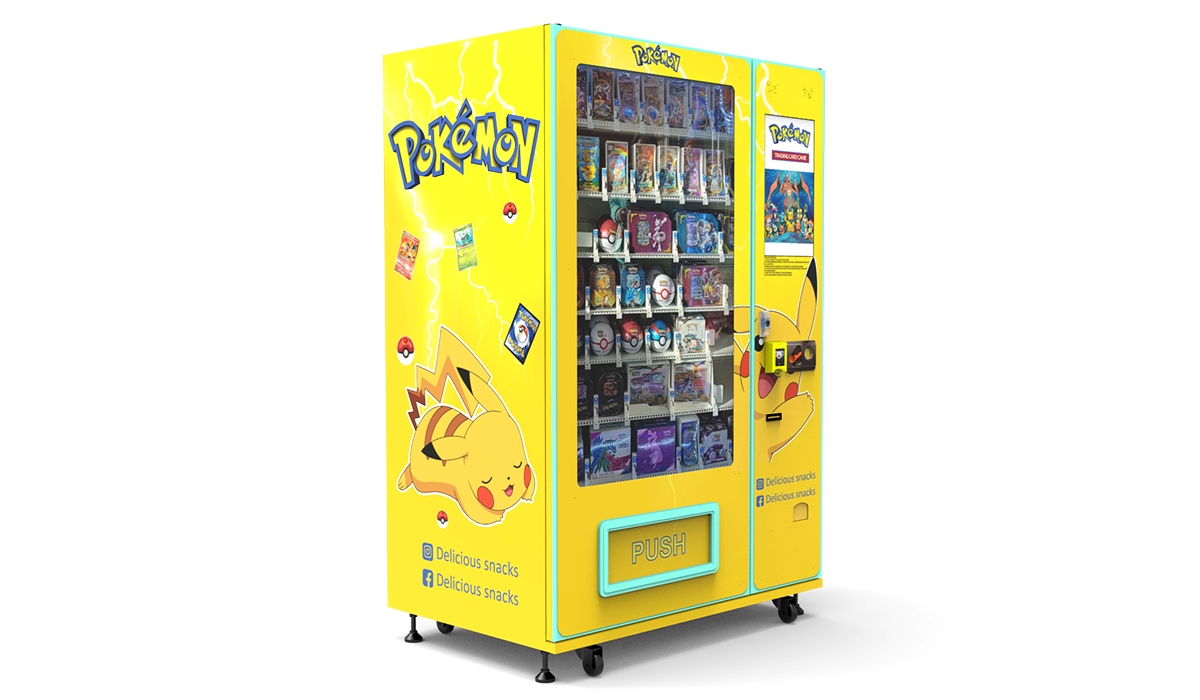
This table is based on my own operational data and industry benchmarks from NAMA. Keep in mind that revenue can vary significantly based on local pricing, product selection, and seasonal demand.
How to Choose a Vending Machine Supplier
Your supplier is your partner in this business. A bad supplier can leave you with a broken machine and no support. I have worked with several manufacturers over the years, and I have learned to look for three things: build quality, after-sales support, and payment system options. A machine that looks good on paper but breaks down frequently will cost you more in vending machine repair than you saved on the purchase price. I recommend checking online reviews and asking for references from other operators in your area. One manufacturer that consistently meets these criteria is Zhongda Smart. Their machines are built with durable components, and they offer remote monitoring and support, which is invaluable for a beginner who does not want to deal with frequent breakdowns.
When to Move a Machine or Change the Product Mix
Not every location will work out, and that is okay. The key is to monitor sales data closely. I check my machines at least once a week, either by visiting or through remote monitoring software. If a machine has been underperforming for two consecutive months, I consider three options: change the product mix, adjust the pricing, or move the machine to a new location. I have found that changing the product mix can sometimes double sales. For example, I once had a machine in a gym that sold regular soda and candy bars. Sales were mediocre. I switched to protein bars, bottled water, and sports drinks, and revenue increased by 70 percent. If changing the product does not work, I move the machine. Moving a machine costs time and money, but it is better than letting it sit idle and lose money.
Legal and Regulatory Considerations
In the United States and Europe, vending machines are subject to various regulations. In the U.S., you need to check local health department requirements, especially if you are selling perishable food items. Some states require a food service license or a vending machine permit. In Europe, regulations vary by country. In France, for example, vending machines in schools must comply with the Loi relative à la santé publique, which restricts the sale of sugary drinks and high-fat snacks. According to the French government’s Service-Public.fr website, any vending machine operator must declare their activity to the local Chamber of Commerce and comply with tax obligations. I recommend consulting with a local business attorney or visiting your local government’s business portal before signing any contracts.
FAQ: Common Questions from Beginner Vending Machine Operators
Is the vending machine business profitable?
Yes, it can be profitable, but it is not a get-rich-quick scheme. A well-placed machine with the right product mix can generate a net profit of $150 to $500 per month. Your profitability depends on location, operating costs, and how efficiently you manage your route. Based on my experience, most operators see a return on investment within 12 to 18 months.
How much does a vending machine cost?
A basic snack machine costs between $2,000 and $5,000. A beverage machine is $3,000 to $7,000. A combo machine ranges from $4,000 to $10,000. High-end self-service kiosks can cost $8,000 to $15,000 or more. I recommend budgeting an additional $500 to $1,000 for installation, payment system setup, and initial inventory.
How long does it take to break even?
Most operators break even within 10 to 18 months, assuming a good location and reasonable operating costs. I have seen machines in prime locations pay for themselves in six months, but that is not the norm. If you are not breaking even after 18 months, consider moving the machine or changing your product mix.
Should a beginner buy or lease a vending machine?
I recommend buying a machine outright if you have the capital. Leasing often comes with high monthly payments and restrictive contracts. If you buy a machine, you own it and can move it whenever you want. Some suppliers, including Zhongda Smart, offer financing options if you cannot pay the full amount upfront. Avoid lease-to-own agreements that lock you into a long-term commitment with a machine you do not own.
Where should I place my first vending machine?
Start with a location you already have access to, such as your workplace, a friend’s business, or a local gym you frequent. This reduces the risk of a bad contract and gives you time to learn the operational side of the business. Once you have proven the concept, you can expand to other locations.
What permits or licenses do I need?
Requirements vary by country and state. In the U.S., you typically need a business license, a seller’s permit, and possibly a food service license if you sell perishable items. In Europe, you need to register your business with the local Chamber of Commerce and comply with tax regulations. Check with your local government’s business portal for specific requirements.
How do I choose a vending machine supplier?
Look for a supplier with good build quality, reliable after-sales support, and modern payment system options. Read online reviews and ask for references. I recommend starting with a mid-range machine from a reputable manufacturer like Zhongda Smart, which offers durable machines and remote monitoring support.
What happens if my machine breaks down?
If you have a service contract, call your technician. If you do not, you will need to troubleshoot the issue yourself or find a local repair service. Many modern machines have diagnostic features that can help you identify the problem. I recommend learning basic vending machine repair skills, such as clearing a jam or resetting the payment system. This can save you hundreds of dollars in service calls.
How can I reduce restocking and maintenance costs?
Plan your route efficiently. If you have multiple machines in the same area, service them on the same day. Use remote monitoring software to track inventory levels and only visit machines that need restocking. Buy products in bulk to get better pricing. And invest in a machine with a reliable refrigeration system and payment module to minimize breakdowns.
Final Thoughts: Start Small, Learn Fast, and Scale Smart
The vending machine business is not complicated, but it requires patience and a willingness to learn from mistakes. Start with one machine in a location you know well. Track every expense and every sale. Learn how to do basic maintenance and repairs yourself. Once you have a machine that is consistently profitable, replicate that model in similar locations. Avoid the temptation to buy multiple machines at once before you understand the operational rhythm. I have seen too many beginners buy ten machines, place them in bad locations, and lose their entire investment. If you focus on finding the right locations to put vending machines and treat each placement as a mini-business, you will build a sustainable route that generates steady income over time.
Remember that this guide is based on my personal experience and publicly available data. Your actual results may vary depending on your location, market conditions, and operational efficiency. I encourage you to do your own research, talk to other operators, and consult with local business advisors before making any significant investment. The vending machine industry is a solid business for those who approach it with discipline and realistic expectations.
Sources:
- IBISWorld, Vending Machine Operators in the US Industry Report, 2022. ibisworld.com
- National Automatic Merchandising Association (NAMA), Industry Data and Benchmarks. namanow.org
- Statista, Vending Machine Market in Europe, 2023. statista.com
- Service-Public.fr, Obligations pour les exploitants de distributeurs automatiques en France. service-public.fr
- European Payments Council, Consumer Payment Preferences in the EU, 2023. europeanpaymentscouncil.eu
This article was updated on October 2024.