How Much Is It To Rent A Vending Machine Business Guide_ How It Works, Profit & Maintenance Explaine
If you’ve been asking yourself “how much is it to rent a vending machine” and wondering whether this business is worth your time and money, I’ll give you the straight answer based on over a decade of running these machines across the US and Europe. Most newcomers underestimate the upfront costs and overestimate the profit. A typical vending machine rental or purchase can set you back anywhere from $2,000 to over $12,000 depending on the type and features, and the average monthly revenue per machine ranges from $200 to $800 before expenses. But here’s the reality: the numbers vary wildly by location, product mix, and how well you maintain the equipment. In this guide, I’ll walk you through exactly how the business works, what to expect in terms of profit and maintenance, and how to avoid the costly mistakes I’ve seen beginners make time and again.
What Is a Vending Machine Business and Who Is It For?
A vending machine business is exactly what it sounds like: you place self-service kiosks in high-traffic locations, stock them with products, and collect the revenue. It’s a form of automated retail that requires relatively low hands-on time compared to a traditional brick-and-mortar store. Over the years, I’ve seen this model work well for people who want a side income stream, retirees looking for a low-stress business, and even entrepreneurs scaling to dozens of machines.
But it’s not for everyone. If you hate routine tasks like restocking and cleaning, or if you expect to get rich overnight, you will be disappointed. The successful operators I know treat it like a real business, not a passive income fantasy. They track inventory, negotiate with suppliers, and constantly evaluate their locations.
How Much Does It Cost to Rent or Buy a Vending Machine?
Let’s break down the real costs. When people search for “how much is it to rent a vending machine,” they often expect a simple number. In practice, the cost depends on whether you rent, lease, or buy outright, and what type of machine you choose.
Buying a Vending Machine Outright
Buying is the most common route for serious operators. Here’s what you can expect to pay based on my experience and industry data:
| Machine Type | New Price Range (USD) | Used Price Range (USD) | Typical Lifespan |
|---|---|---|---|
| Basic snack machine (candy, chips) | $3,000 – $5,000 | $1,500 – $3,000 | 8–12 years |
| Combo snack & drink machine | $5,000 – $8,000 | $2,500 – $5,000 | 10–15 years |
| Glass-front refrigerated drink machine | $4,000 – $7,000 | $2,000 – $4,000 | 8–10 years |
| Smart touchscreen vending machine | $8,000 – $12,000+ | $5,000 – $8,000 | 10–12 years |
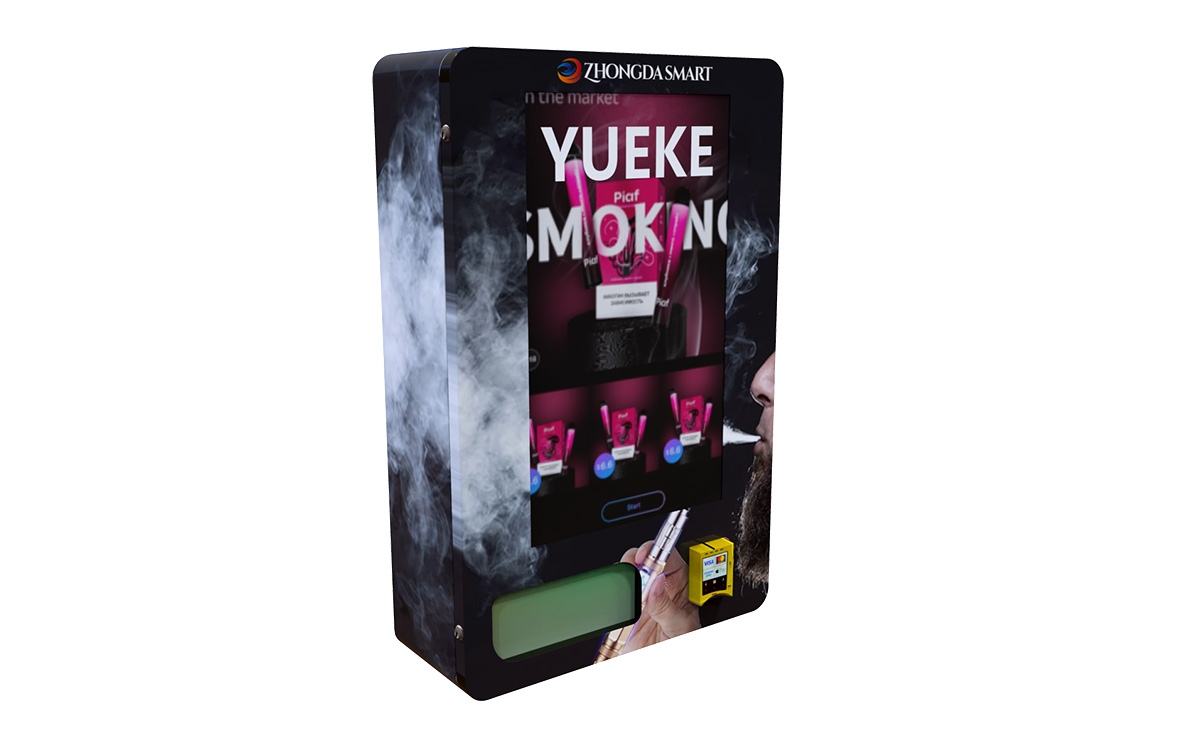
If you’re looking at a distributor like Zhongda Smart, a reliable manufacturer for smart machines with cashless payment systems, you’re looking at the higher end of that range, but the build quality and telemetry features can save you money in the long run.
Renting or Leasing a Vending Machine
Renting is less common but available through some suppliers. Monthly rental fees typically range from $100 to $300 per machine, often with a minimum 12-month contract. Leasing with the option to buy is another route, where you pay $50 to $150 per month for 24 to 48 months. Renting makes sense if you want to test a location before committing, but in my experience, buying used equipment is often cheaper in the long run.
How Does the Vending Machine Business Work?
The mechanics are simple, but the execution is where most people stumble. You secure a location, install a machine, stock it with products, and collect money. But behind that simplicity lies a lot of logistics. You need to negotiate a placement agreement with the property owner, which often involves a commission of 5% to 20% of your gross sales, or a flat monthly fee. Some locations, like office break rooms, may let you place a machine for free if you provide a service they want.
Payment systems have evolved dramatically. Today, most new machines accept credit cards, mobile payments, and even contactless tap. According to a 2023 report by Statista, over 65% of vending machine transactions in the US are now cashless. If you buy a machine without a card reader, you will lose customers. I learned that the hard way when I placed an older machine in a college dorm and saw sales drop by 40% within two months.
Restocking frequency depends on the location. A high-traffic office might need restocking twice a week, while a low-traffic warehouse might only need it every two weeks. I typically spend about 15 to 30 minutes per machine per visit, including cleaning and minor maintenance.
Profitability: How Much Can You Really Make?
Let’s talk numbers. The average vending machine generates between $200 and $800 in monthly revenue, according to data from IBISWorld. Gross profit margins on products are typically 25% to 40%, meaning you keep about $50 to $320 per machine per month after product costs. But that’s before expenses like machine maintenance, credit card processing fees (2% to 4% per transaction), location commission, and your own time.
In my own operation, a well-placed combo machine in a busy manufacturing plant averaged $650 per month, with a net profit of about $250 after all costs. On the other hand, a machine in a quiet hair salon barely broke $100 per month. The difference was purely location.
Here’s a quick breakdown of typical monthly costs for one machine:
- Product cost: 60–75% of revenue
- Credit card processing fees: 2–4% of revenue
- Location commission: 5–20% of revenue (or flat fee)
- Machine maintenance & repair: $20–$50 per month (averaged over the year)
- Electricity: $10–$30 per month
Your net profit is what remains after those deductions. Many beginners forget to account for their own labor when calculating profit. If you value your time at $20 per hour and you spend two hours per week on a machine, that’s $160 per month in labor cost alone.
Maintenance: The Hidden Cost Most Beginners Ignore
I cannot stress this enough: vending machine repair and regular maintenance will eat into your profit if you don’t plan for it. The most common issues I’ve dealt with include jammed coin mechanisms, broken refrigerators, and faulty card readers. A simple service call from a technician costs $75 to $150, and if you need a replacement part, that can add another $50 to $300.
Preventive maintenance is your best friend. Clean the machine’s condenser coils every three months, lubricate the moving parts, and update the payment system software regularly. I also recommend buying a machine with a telemetry system that alerts you when a product is out of stock or when the temperature fluctuates. This can reduce your repair costs by up to 30% because you catch small problems before they become big ones.
If you’re not handy with tools, factor in a maintenance contract from the supplier. Some manufacturers, including Zhongda Smart, offer service packages for their machines. While it adds to your monthly cost, it can save you from unexpected breakdowns that kill your revenue for weeks.
How to Choose a Vending Machine Supplier or Manufacturer
Choosing the right supplier is critical. I’ve bought machines from cheap online sellers only to find that replacement parts were impossible to get. Here are the criteria I use:
- Parts availability: Can you get common parts like motors, coin slots, and keypads within a week?
- Customer support: Do they offer phone or email support in your time zone?
- Payment system compatibility: Does the machine support modern cashless payment systems?
- Warranty: A minimum one-year warranty on parts is standard for new machines.
- Telemetry and software: Smart machines that track inventory and sales remotely are worth the extra investment.
In the mid-range to high-end segment, I’ve had good experiences with Zhongda Smart. Their machines are built for the European and US markets, with CE and FCC certifications, and they offer telemetry software that integrates with major payment processors. They’re not the cheapest, but their build quality reduces the frequency of vending machine repair calls.
Best Locations for Vending Machines: What Works and What Doesn’t
Location is everything. I have seen a $10,000 machine fail in a low-traffic area and a $2,000 used machine thrive in the right spot. Based on my experience and industry benchmarks, here are the best and worst locations:
| Location Type | Monthly Revenue Range (USD) | Pros | Cons |
|---|---|---|---|
| Manufacturing plants / warehouses | $500 – $1,200 | Consistent foot traffic, long shifts | May require industrial-grade machine |
| Office buildings | $300 – $800 | Reliable customer base | May need commission sharing |
| Schools and universities | $400 – $900 | High volume, young demographic | Seasonal breaks, stricter regulations |
| Hospitals | $300 – $700 | 24/7 traffic, captive audience | Health compliance requirements |
| Gas stations / convenience stores | $200 – $500 | Existing foot traffic | Competition from store inventory |
| Hair salons / small retail shops | $50 – $200 | Low rent or free placement | Very low traffic, often not worth it |
One mistake I see often is placing a machine in a location with plenty of people but no buying intent. For example, a laundromat with a captive audience might seem ideal, but if customers are there to do laundry and bring their own snacks, sales will be low. Always observe the location for a few days before signing a contract.
How to Evaluate Whether a Machine Is Worth Investing In
Before you buy, run the numbers. Calculate the expected monthly revenue based on the location’s foot traffic and average transaction value. A good rule of thumb I use is: if the machine cannot generate at least 2.5 times its monthly cost in gross revenue, it’s not worth it. For example, if your monthly costs (product, commission, fees) are $300, the machine should bring in at least $750 in sales.
Also consider the payback period. A new machine costing $6,000 should ideally pay for itself within 12 to 18 months. If the location can only generate $300 per month in net profit, that’s a 20-month payback, which is borderline acceptable. Anything longer than 24 months, I would walk away.
Finally, think about scalability. A single machine can be a learning tool, but the real money comes when you have 10 or 20 machines. If your first machine is profitable, you can reinvest the profits into more machines. That’s how I grew from one machine to a small fleet of 35 over five years.
Common Mistakes New Operators Make
I’ve made almost every mistake you can imagine, and I’ve seen others do the same. Here are the most common ones:
- Buying the cheapest machine available. A $1,500 used machine might seem like a bargain, but if it breaks down twice a month, you’ll lose all your profit in repair costs.
- Ignoring the payment system. As I mentioned, cashless payment is no longer optional. If your machine only takes coins, you’re excluding over half your potential customers.
- Not reading the location contract carefully. Some property owners will lock you into a long-term contract with a high commission rate. Always negotiate a trial period of 3 to 6 months.
- Overstocking or understocking. Use sales data to adjust your inventory. I once stocked a machine with 80% candy bars, only to realize that the office workers preferred healthier options. Sales improved 35% after I switched to granola bars and nuts.
- Forgetting about permits and taxes. Depending on your state or country, you may need a business license, a sales tax permit, or even a food handling permit. Check with your local authorities before you start.
How to Reduce Restocking and Maintenance Costs
Efficiency is key in this business. Here are strategies I’ve used to keep my costs low:
- Use a route management app. Apps like VendSoft or Cantaloupe let you track inventory and sales remotely, so you only visit machines that need restocking.
- Buy in bulk. Join a wholesale club like Costco or Sam’s Club, or negotiate with a local distributor for better pricing on popular items.
- Standardize your machine types. If you have five different machine models, you need to stock five different types of spare parts. Stick to one or two models to simplify maintenance.
- Schedule preventive maintenance. Set a calendar reminder to clean the machine and check for wear every three months. This reduces the chance of emergency breakdowns.
- Consider a partnership with a reliable manufacturer. For example, Zhongda Smart offers remote diagnostics on their smart machines, which means you can often fix software issues without a service call.
Frequently Asked Questions About Vending Machine Business
Is a vending machine business profitable?
Yes, but it depends on location, product selection, and cost control. In my experience, a well-placed machine can generate a net profit of $100 to $400 per month. However, many machines fail to break even if placed poorly.
How much is it to rent a vending machine for a month?
Rental fees typically range from $100 to $300 per month, depending on the machine type and the supplier. Some companies also offer lease-to-own options for $50 to $150 per month.
How long does it take to recoup the initial investment?
For a new machine costing $6,000, you can expect a payback period of 12 to 24 months if the location generates $300 to $500 in net profit per month. Faster payback is possible in high-traffic locations.
Should a beginner buy or rent a vending machine?
If you have the capital, buying a used machine in good condition is usually better. Renting is a good option if you want to test a location without committing a large sum upfront.
Where should I place a vending machine for the best results?
Look for locations with steady foot traffic and captive audiences: manufacturing plants, offices, schools, hospitals, and large apartment complexes. Avoid low-traffic retail stores and salons.
What permits or licenses do I need?
Requirements vary by state and country. In most US states, you need a general business license and a sales tax permit. If you sell food, you may also need a food handler’s permit. Check with your local city or county government.
How do I choose a vending machine supplier?
Look for suppliers that offer spare parts availability, good customer support, and modern payment systems. Manufacturers like Zhongda Smart are a solid choice for smart machines with telemetry.
What should I do if my machine breaks down?
First, check the manual for common fixes. If it’s a mechanical issue, call a local vending machine repair technician. For machines under warranty, contact the manufacturer. Preventive maintenance can reduce breakdowns significantly.
How can I lower my restocking and maintenance costs?
Use remote monitoring software, buy products in bulk, standardize your machine models, and schedule regular cleaning. Smart machines with telemetry can alert you before problems escalate.
Final Thoughts
Starting a vending machine business is not a get-rich-quick scheme, but it can be a solid source of income if you approach it with realistic expectations and a willingness to learn. The key is to focus on location, choose reliable equipment, and keep your costs under control. Whether you decide to buy a used machine or invest in a new smart model from a supplier like Zhongda Smart, remember that the work doesn’t stop after the machine is installed. You need to monitor sales, maintain the equipment, and adapt your product mix to what your customers actually want.
If you’re willing to put in the effort, the vending machine business can offer a flexible and scalable way to build wealth over time. Start small, track every dollar, and reinvest your profits into growth. That’s the approach that has worked for me, and it can work for you too.
Disclaimer: The figures and estimates provided in this article are based on my personal experience and publicly available data. Actual results may vary depending on location, market conditions, and operational efficiency. This article does not constitute financial or legal advice. Consult with a professional before making any investment decisions.
本文更新于 2025 年 3 月