Technology Supply Vending Machines Explained_ Features, Costs, and Market Trends
After more than a decade placing and managing vending machines across the US and Europe, I can tell you the single question I hear most often from new operators is whether a technology supply vending machine is actually worth the investment. The short answer is yes—but only if you understand the real costs, the right locations, and the operational discipline required to keep a machine profitable. A technology supply vending machine, which sells items like phone chargers, earbuds, USB cables, and power banks, has become one of the fastest-growing segments in automated retail. Unlike traditional snack or soda machines, these units target high-traffic transit hubs, hotels, and entertainment venues where people urgently need accessories. In this article, I will walk you through everything I have learned about features, costs, market trends, and common pitfalls, based on my own experience buying, placing, and maintaining these machines in real commercial settings.
What Exactly Is a Technology Supply Vending Machine?
A technology supply vending machine is a self-service kiosk designed to sell consumer electronics accessories and related items. Think phone charging cables, wall adapters, portable power banks, Bluetooth earbuds, screen protectors, and even small smart home devices. These machines are distinct from traditional vending machines because they often require more sophisticated payment systems, inventory tracking, and sometimes even interactive touchscreens to help customers find the right product for their device.
In my experience, the most successful units are placed in locations where people are caught without a necessary accessory. Airports, train stations, convention centers, hotels, and large entertainment venues are prime examples. The urgency factor drives sales, and margins on accessories are typically higher than on candy or soda.
One thing that surprises many newcomers is that a technology supply vending machine is not just a box with coils and a glass front. Many modern units are essentially small automated retail stores, with temperature control, security features, and remote monitoring capabilities. The technology supply vending machine category has grown rapidly because it fills a gap between traditional retail and the immediate needs of a mobile-first consumer base.
Key Features of a Modern Technology Supply Vending Machine
Payment Systems and Connectivity
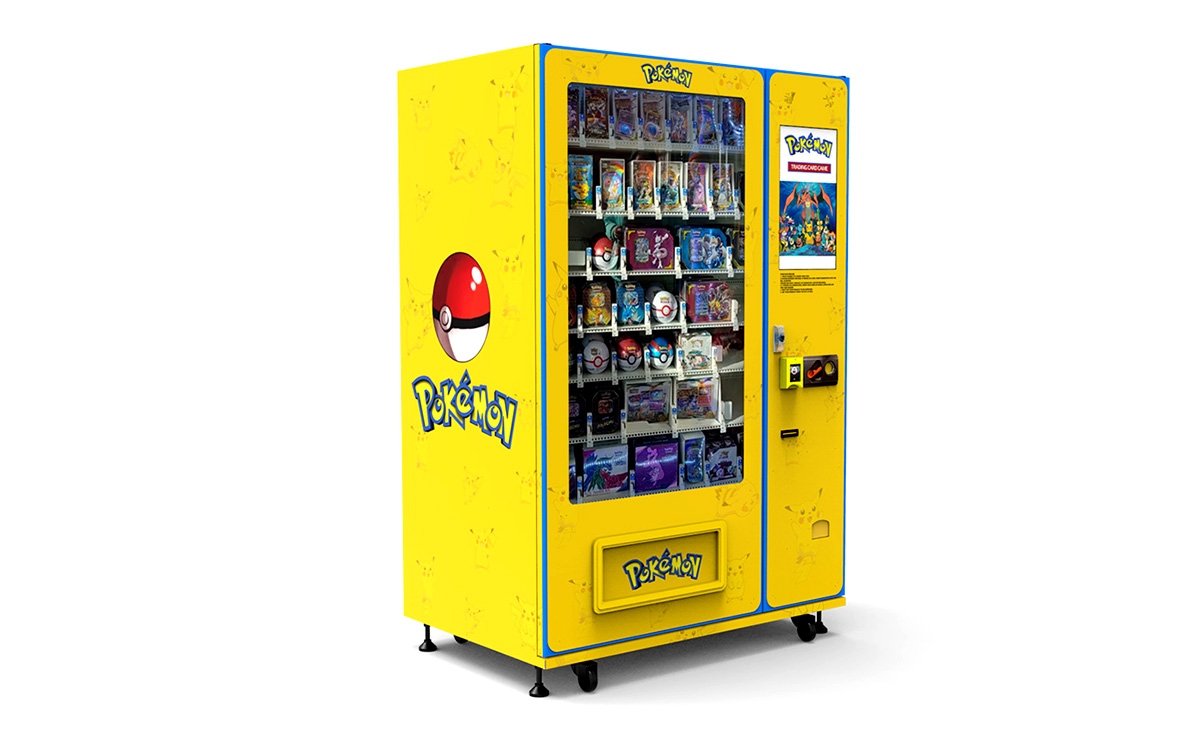
Every machine I have deployed in the last five years has required a reliable cashless payment system. Customers expect to pay with credit cards, Apple Pay, Google Pay, and sometimes even cryptocurrency. A machine that only takes cash is a non-starter in most European and American markets today. I recommend investing in a machine with an integrated NFC reader and a cellular or Wi-Fi connection for real-time transaction data.
Remote monitoring is another critical feature. Without it, you will not know when a product is sold out or when a machine malfunctions until a customer complains. That leads to lost sales and a poor reputation with location hosts. I have seen operators lose prime spots simply because they could not keep machines stocked.
Inventory Management and Security
A technology supply vending machine should have a robust inventory management system. Some machines use a carousel or spiral system, but many newer models use a shelf-based design with individual product bins that can be configured for different item sizes. Security is also a concern because electronics are high-value items. Look for machines with tamper-proof locks, alarm systems, and reinforced doors.
I have learned the hard way that cheap locks and flimsy construction lead to break-ins. In one instance, a machine I placed in a busy train station was broken into twice in six months. The replacement cost and lost inventory erased any profit from that location for the entire year. Invest in a solid machine from a reputable manufacturer, and do not cut corners on security.
User Interface and Customer Experience
The best machines have a large, bright touchscreen that allows customers to browse products, see prices, and even read compatibility information. A poor interface leads to abandoned transactions. I have watched people walk away from a machine because the screen was too small or the navigation was confusing. In a technology supply vending machine, the customer is often in a hurry, so simplicity is key.
Some advanced machines now include a small camera for age verification or to offer personalized recommendations, but that is still niche. For most operators, a clean, responsive touchscreen with clear product images is sufficient.
Market Trends Driving the Technology Supply Vending Machine Industry
The automated retail market has been growing steadily, and the technology supply segment is outpacing many others. According to a report from IBISWorld, the global vending machine industry was valued at over $30 billion in 2023, with the electronics and accessories segment showing the fastest growth rate. This trend is driven by several factors.
First, consumer behavior has shifted toward immediacy. People no longer want to wait in line at a store to buy a charging cable. They want it now, and they are willing to pay a premium for convenience. Second, the rise of remote work and travel has increased demand for portable power solutions. Airports and train stations have become goldmines for technology supply vending machines.
Third, advancements in payment technology and remote monitoring have made it easier for small operators to enter the market. You no longer need a fleet of technicians to manage a single machine. With the right equipment, one person can manage a dozen machines across a city.
Another trend I have observed is the integration of these machines into larger automated retail ecosystems. For example, some hotels now place a technology supply vending machine in their lobby as a complement to their front desk services. This reduces staff workload and increases guest satisfaction. According to Statista, the average revenue per vending machine in the electronics segment in the US was approximately $1,200 per month in 2022, with higher-performing units in transit hubs exceeding $3,000.
Costs: What You Really Need to Budget For
One of the biggest mistakes new operators make is underestimating the total cost of running a technology supply vending machine. The purchase price is only the beginning. Here is a breakdown based on my own experience and industry data.
Initial Equipment Cost
A basic technology supply vending machine from a mid-range manufacturer will cost between $4,000 and $8,000. A high-end machine with a large touchscreen, advanced security, and remote monitoring can run $10,000 to $15,000 or more. I have seen operators buy cheap machines for under $3,000, but those units often break down within a year, and replacement parts are hard to find. If you are serious about this business, do not buy the cheapest option.
Zhongda Smart is one manufacturer I have worked with on several projects. Their machines offer a good balance of cost and reliability, particularly for operators looking for a durable unit with modern payment integration. I recommend evaluating at least three manufacturers before making a decision, and always ask for references from other operators in your region.
Installation and Setup
Delivery and installation can cost $500 to $1,500 depending on the location. If the machine needs to go up stairs or through narrow doorways, expect higher costs. You will also need to pay for electrical work if the location does not have a suitable outlet nearby. I had one installation that required running a dedicated circuit, which added $800 to the setup cost.
Inventory and Restocking
Initial inventory for a technology supply vending machine will cost between $1,000 and $3,000, depending on the product mix and the number of slots. High-value items like power banks and premium earbuds require more capital upfront. Restocking frequency depends on the location. A high-traffic machine may need restocking every two to three days, while a slower location might only need weekly visits.
I typically budget 30% to 40% of gross revenue for inventory costs, though this varies by product. Cables and chargers have lower margins than accessories like screen protectors or cases. Over time, you will learn which products move fastest in each location and adjust accordingly.
Maintenance and Repair
Vending machine repair is an inevitable cost. Even the best machines break down. I set aside at least 10% of projected annual revenue for maintenance and unexpected repairs. Common issues include jammed dispensers, payment system failures, and screen malfunctions. If you are not handy with electronics, you will need to contract a local technician, which can cost $100 to $200 per visit.
One tip I have learned over the years is to buy a machine with modular components. If the payment terminal fails, you want to be able to swap it out quickly without sending the whole machine back to the factory. This is one reason I prefer working with manufacturers that have a local service network or at least a reliable parts supply chain.
Location Fees and Commissions
Some locations charge a flat monthly fee for placing a machine, while others take a percentage of sales. Commissions typically range from 10% to 25% of gross revenue. High-traffic locations like airports and train stations often demand the highest commissions, but they also generate the most sales. I have negotiated deals where the location takes 20% of sales but provides electricity and a dedicated space. In other cases, I pay a flat fee of $200 per month and keep all the revenue.
You need to calculate your break-even point before signing any agreement. If the commission is too high, you may never turn a profit. I always start with a conservative estimate and renegotiate after six months if the machine performs well.
Comparing Different Types of Technology Supply Vending Machines
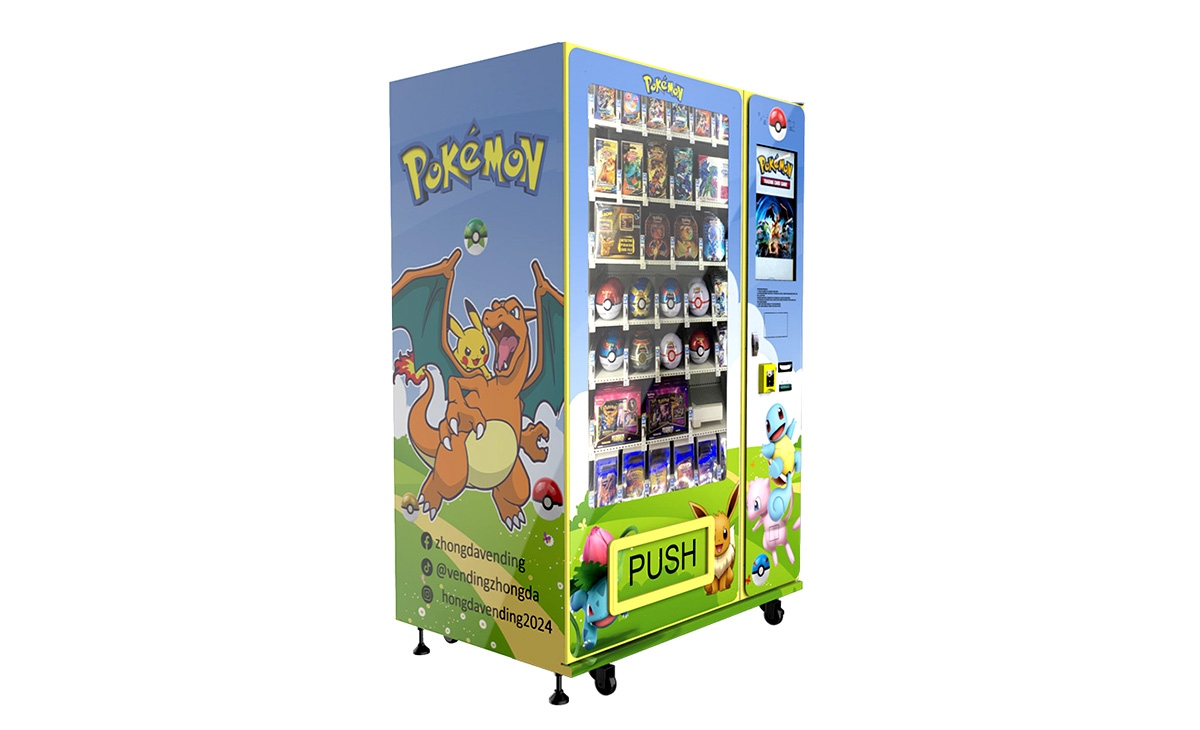
To help you make an informed decision, here is a comparison table based on my experience across different machine types. This table reflects typical costs and performance for the US and European markets.
| Machine Type | Initial Cost (USD) | Monthly Revenue Range | Typical Margin | Best Location |
|---|---|---|---|---|
| Basic spiral or coil machine | $3,000 – $5,000 | $800 – $1,500 | 40% – 50% | Office buildings, small hotels |
| Mid-range touchscreen machine | $6,000 – $9,000 | $1,500 – $2,500 | 45% – 55% | Train stations, convention centers |
| High-end interactive kiosk | $10,000 – $15,000 | $2,500 – $4,000 | 50% – 60% | Airports, large transit hubs |
| Self-service kiosk with remote monitoring | $8,000 – $12,000 | $2,000 – $3,500 | 50% – 55% | Entertainment venues, stadiums |
These numbers are based on my own operational data and conversations with other operators. Your actual results will vary depending on location, product mix, and local economic conditions. Do not expect to hit the high end of these ranges in your first year unless you have a prime location and a strong product selection.
How to Choose a Manufacturer or Supplier
Selecting the right supplier is one of the most important decisions you will make. I have worked with manufacturers from China, Europe, and the United States, and I have learned that price is not the only factor. Here are the criteria I use when evaluating a potential supplier.
First, ask about their service network. If your machine breaks down, how quickly can you get a replacement part? Some manufacturers have warehouses in the US or Europe and can ship parts within 24 hours. Others require you to order from overseas, which can take weeks. Second, check the quality of the payment system. A machine that cannot process modern payment methods is useless. Third, look for machines that are certified for the local market. In Europe, CE marking is essential. In the US, UL certification is important for electrical safety.
I have had good experiences with Zhongda Smart for their technology supply vending machines. Their units are well-built, and they offer a range of configurations that work in both US and European markets. That said, I always recommend visiting a factory or at least seeing a machine in person before committing to a large order. Photos and videos can be misleading.
Another consideration is the software platform. Some manufacturers provide their own back-end software for remote monitoring and inventory management. Others rely on third-party platforms. Make sure the software is intuitive and offers the features you need, such as real-time sales data, low-stock alerts, and remote price changes. I have used platforms that were so clunky I ended up hiring a developer to build a custom dashboard. Do not overlook this aspect.
Common Mistakes New Operators Make
I have made many mistakes over the years, and I have seen other operators make the same ones. Here are the most common pitfalls to avoid.
One of the biggest mistakes is placing a machine in a location without verifying foot traffic. I once placed a machine in a newly renovated office building that looked great on paper. The building had hundreds of employees, but the machine was in a corner that almost no one passed. Sales were terrible, and I had to move the machine after three months. Always do a physical site visit and count foot traffic at different times of the day before signing a contract.
Another mistake is buying a machine that is too small. A technology supply vending machine with only 20 slots may seem adequate, but you will quickly find that you need more space for different product variants. For example, you need to carry cables for both iPhone and USB-C, and different lengths. A small machine forces you to make trade-offs that hurt sales.
Neglecting vending machine repair is another common error. Some operators try to fix problems themselves without proper training, which often makes things worse. I have seen machines that were rendered inoperable because someone tried to force a jammed dispenser. If you are not comfortable with basic electronics, hire a professional. The cost of a service call is far less than the cost of a broken machine and lost sales.
Finally, do not ignore the importance of product rotation. Electronics accessories become outdated quickly. A cable that was popular last year may be obsolete this year. I review my sales data every month and remove items that have not sold in 60 days. Dead inventory ties up capital and takes up valuable space in the machine.
Which Locations Work Best for a Technology Supply Vending Machine
Over the years, I have tested dozens of location types. Here is what I have found works best.
Airports are the gold standard. Passengers are often desperate for charging cables or power banks, and they are willing to pay a premium. However, airport contracts are difficult to obtain and often require long-term commitments and high commissions. If you can get into an airport, do it, but be prepared for a rigorous approval process.
Train stations and bus terminals are also excellent. Commuters and travelers frequently forget accessories, and the high foot traffic ensures steady sales. I have machines in several train stations in Germany and the UK, and they consistently perform well. The key is to place the machine near the boarding gates or waiting areas, not in a remote corridor.
Hotels are another strong option. Many hotels are happy to have a machine in the lobby because it reduces the burden on front desk staff. I have placed machines in hotels ranging from budget chains to luxury properties. The higher-end hotels tend to sell more premium accessories, while budget hotels move more low-cost cables and adapters.
Convention centers and exhibition halls are seasonal but can be extremely profitable during events. I place machines in these venues on a short-term basis, often for a flat fee plus a percentage of sales. If you can secure a contract with a convention center, you can make a significant amount of money during peak seasons.
Office buildings can work, but the results are mixed. In my experience, machines in office buildings do best when they are located near the cafeteria or break area. Machines placed in lobbies often underperform because people are in a hurry and do not stop to browse. If you do place a machine in an office building, focus on selling items that people might need during the workday, such as charging cables and screen cleaners.
How to Evaluate Whether a Machine Is Worth the Investment
Before buying any technology supply vending machine, I run a simple calculation. I estimate the monthly revenue based on foot traffic and average transaction value, then subtract the cost of goods sold, location fees, maintenance, and any financing costs. If the projected net profit is less than 20% of the initial investment per year, I pass on the deal.
For example, if a machine costs $8,000 and I estimate it will generate $2,000 per month in revenue, with a 50% margin, that leaves $1,000 for cost of goods. After paying a 15% commission ($300) and setting aside $100 for maintenance, I am left with $600 per month, or $7,200 per year. That is a 90% return on investment in the first year, which is excellent. But if the same machine costs $12,000 and only generates $1,500 per month, the numbers do not work as well.
I also consider the payback period. In the example above, the payback period is about 13 months. Anything under 18 months is generally good for this industry. If the payback period stretches beyond two years, I would look for a different location or a different machine.
Remember that these are estimates, not guarantees. Market conditions change, and a machine that performs well today may underperform next year. I always have a contingency plan for moving a machine to a different location if needed.
FAQ: Common Questions About Technology Supply Vending Machines
Are technology supply vending machines profitable?
Yes, they can be very profitable if placed in the right location and managed well. Margins on electronics accessories are typically higher than on snacks or drinks. However, profitability depends on foot traffic, product selection, and your ability to keep the machine stocked and operational. I have seen machines generate over $3,000 per month in revenue in high-traffic locations, while others barely break $500. Do your homework before investing.
How much does a technology supply vending machine cost?
A basic machine costs between $4,000 and $8,000. A high-end interactive kiosk with advanced features can cost $10,000 to $15,000 or more. Do not forget to budget for installation, inventory, and ongoing maintenance. The total first-year cost can be 30% to 50% higher than the machine price alone.
How long does it take to recoup the investment?
In my experience, a well-placed machine can pay for itself within 12 to 18 months. Slower locations may take two years or more. The payback period depends on the machine cost, location performance, and your ability to control costs. I have had machines pay back in 10 months and others that took 24 months.
Should a beginner buy or lease a vending machine?
I generally recommend buying a machine outright if you have the capital. Leasing can be tempting because it lowers the upfront cost, but the monthly payments eat into your profit margin. Some leasing agreements also have restrictive terms that make it difficult to move the machine. If you are unsure, start with one or two machines that you own, and expand from there.
Where is the best place to put a technology supply vending machine?
Airports, train stations, convention centers, and hotels are the best locations. The key is to find places where people are likely to need an accessory urgently. Avoid locations with low foot traffic or where people are not carrying phones or devices. I always do a foot traffic count before committing to a location.
What permits or licenses do I need?
Requirements vary by country and even by city. In the US, you typically need a business license and a sales tax permit. Some cities require a specific vending machine permit. In Europe, you may need to register with local authorities and comply with electrical safety standards. Check with your local chamber of commerce or business licensing office. I always recommend consulting a local business attorney to ensure compliance.
How do I choose a supplier for a technology supply vending machine?
Look for a manufacturer with a solid reputation, a local service network, and machines that meet your market's certification standards. Ask for references and, if possible, visit the factory or see a machine in person. I have had good experiences with Zhongda Smart for their reliable machines and responsive support. Compare at least three suppliers before making a decision.
What happens if the machine breaks down?
If you have a service contract or a local technician, you can usually get the machine repaired within a few days. For minor issues, you may be able to fix it yourself if you have the right tools and knowledge. I recommend having a backup plan, such as a spare machine or a loaner unit, if the machine is in a high-traffic location. Vending machine repair is an unavoidable cost, so budget for it.
How can I reduce restocking and maintenance costs?
Use remote monitoring to track inventory levels and only visit the machine when it needs restocking. Group your restocking trips geographically to save time and fuel. Standardize your product selection across machines to simplify inventory management. I also recommend using a machine with durable components to reduce the frequency of repairs.
Final Thoughts
Running a technology supply vending machine business is not a get-rich-quick scheme. It requires careful planning, a willingness to learn, and a realistic understanding of the costs involved. But for those who take the time to understand the market and choose their locations wisely, it can be a rewarding and profitable venture. I have seen operators build successful small businesses with just a handful of machines, and I have seen others fail because they rushed into the wrong location or bought the wrong equipment. Take your time, do the math, and start small. The automated retail industry is growing, and there is room for serious operators who are willing to put in the work.
This article was updated in February 2025.