Is Vending Machine Candy Bulk Worth It_ Pros, Cons, and Real-World Insights
If you’ve been looking into starting a vending machine business or expanding an existing route, the question of whether buying candy in bulk for vending machines is worth it comes up sooner or later. After more than a decade running vending operations across the US and parts of Europe, I can tell you that the answer isn’t a simple yes or no — it depends on your location, your machine type, your supplier relationships, and how you manage inventory. In this article, I’ll break down the real costs, the hidden pitfalls, and the practical strategies I’ve learned from placing hundreds of machines, so you can decide if vending machine candy bulk purchasing makes sense for your business.
The Core Question: Why Buy Candy in Bulk for Vending Machines?
Buying candy in bulk sounds like an obvious way to save money. Wholesale prices are lower per unit, and if you have multiple machines, the logic seems straightforward: buy more, pay less, keep more profit. But in practice, bulk purchasing for vending machines comes with trade-offs that many new operators overlook.
When I started my first route, I bought pallets of candy from a big-box wholesaler thinking I was being smart. Within three months, I had stale product, broken packaging, and flavors that simply didn’t sell in certain locations. The lesson was expensive. Bulk buying works only when you match the product mix to the specific demand of each machine location.
For a single machine in a low-traffic office break room, buying a 24-count box of chocolate bars might take six months to sell through. By then, the product could be past its peak freshness, and customers notice. In a high-traffic location like a gym or a college dorm, the same box might sell in two weeks. The difference is night and day.
Pros of Buying Vending Machine Candy in Bulk
Lower Per-Unit Cost
This is the most obvious advantage. When you buy in bulk, the cost per piece drops significantly. For example, a single chocolate bar purchased from a convenience store might cost $1.50, but buying a case of 48 bars from a wholesale supplier can bring the unit cost down to $0.85 or less. That difference directly improves your margin, assuming you sell at the standard vending price of $1.75 to $2.50 per item.
Fewer Restocking Trips
If you have a high-volume machine, buying in bulk means fewer trips to the warehouse and less time spent on replenishment. This is especially important if your machines are spread across a wide area. I’ve seen operators cut their restocking frequency by half just by switching to bulk purchasing for their top-selling items.
Better Negotiation Leverage
When you consistently buy larger quantities, you build a relationship with your supplier. Over time, you can negotiate better pricing, early delivery slots, or even exclusive access to new products. This is something small operators often miss — bulk buying isn’t just about the immediate price, it’s about long-term partnership.
Cons of Buying Vending Machine Candy in Bulk
Storage and Shelf-Life Issues
Chocolate and candy have a shelf life, and that life is shorter than most people think. Chocolate can bloom (develop a white, chalky surface) if stored in fluctuating temperatures. Gummy candies can harden or become sticky. If you don’t have a climate-controlled storage space, bulk buying can lead to significant waste. I’ve thrown away entire cases of product that looked fine when bought but turned into a mess after three months in a hot garage.
Cash Flow Tied Up in Inventory
Buying bulk means spending more money upfront. For a new operator with limited capital, this can be risky. If a machine underperforms, you’re stuck with inventory that might not move. I’ve seen beginners buy $2,000 worth of candy only to realize their machine location generates $300 a month in sales. That’s over six months of inventory sitting in storage, eating into your cash flow.
Product Variety Constraints
When you buy bulk, you commit to a specific product or flavor. If that product doesn’t sell well in a particular machine, you can’t easily swap it out without losing money. Diversifying your product mix becomes harder when you’re sitting on large quantities of a single item.
Real-World Insights from My Vending Route
I’ve managed machines in office buildings, schools, hospitals, and manufacturing facilities. Each location has a different candy profile. For example, in a high school, sour gummies and spicy candy sell fast, but chocolate bars can sit for weeks. In a hospital break room, healthier options like granola bars and sugar-free mints outperform traditional candy. Bulk buying only works if you have the data to back it up.
One of the biggest mistakes I see new operators make is buying a mixed pallet of candy without analyzing their sales data first. They assume that what sells in one machine will sell in another. That’s rarely true. I keep a spreadsheet for every machine, tracking sales by item, by week. That data tells me exactly which products to buy in bulk and which to buy in smaller quantities.
Another insight: temperature matters more than most people realize. I once placed a machine near a window in a warehouse. The afternoon sun caused the chocolate to melt inside the machine. I lost an entire restock cycle before I figured out the problem. Now I always check the ambient temperature of a location before deciding which candy to stock.
What Does a Vending Machine Business Actually Cost?
Let’s talk numbers. Based on my experience and data from industry sources, here’s a realistic breakdown of what you’re looking at when starting a vending machine route.
| Item | Low-End Cost | High-End Cost | Notes |
|---|---|---|---|
| New vending machine (candy/snack) | $2,500 | $6,000 | Depends on features, brand, and payment system |
| Used/refurbished machine | $800 | $2,000 | Higher maintenance risk |
| Initial inventory (candy bulk purchase) | $500 | $1,500 | Depends on machine capacity |
| Payment system (card reader) | $300 | $800 | Required for modern locations |
| Location commission (if applicable) | 5% | 20% | Varies by location and negotiation |
| Monthly maintenance & repair | $50 | $200 | Average over a year |
According to the National Automatic Merchandising Association (NAMA), the average vending machine in the US generates between $75 and $100 per week in sales, though this varies widely by location. In high-traffic areas, I’ve seen machines do $400 a week. In low-traffic spots, $30 a week is not unusual. Source: NAMA Industry Data.
How to Choose a Vending Machine Supplier
Not all vending machine manufacturers are equal. I’ve worked with several over the years, and the differences in build quality, warranty support, and after-sales service are significant. When evaluating a supplier, here’s what I look for:
- Build quality: Look for machines with metal cabinets, not plastic. Plastic machines warp over time, especially in temperature-variable environments.
- Payment system compatibility: Make sure the machine supports modern card readers and contactless payments. Cash-only machines are becoming obsolete.
- Warranty and parts availability: A good supplier offers at least a one-year warranty and stocks spare parts. I’ve had machines down for weeks waiting for a simple part from overseas.
- Energy efficiency: Machines with LED lighting and efficient compressors save money over time. Check the Energy Star rating if available.
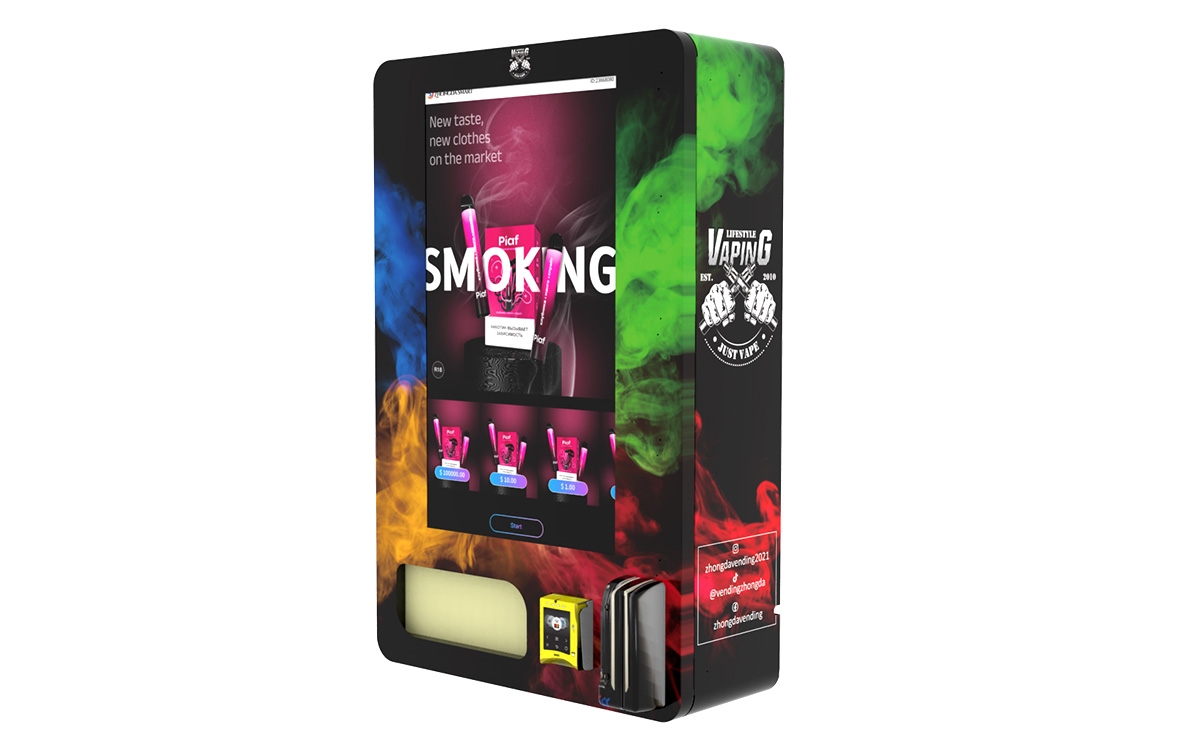
One manufacturer I’ve had positive experiences with is Zhongda Smart. Their machines are well-built, support modern payment systems, and their customer service team responds quickly to technical issues. I’ve recommended them to colleagues who run routes in Europe and North America. That said, always test a machine before committing to a large order, and ask for references from other operators.
Self-Service Kiosk vs. Traditional Vending Machine: Which One Fits Your Business?
In recent years, the line between traditional vending machines and self-service kiosks has blurred. A self-service kiosk typically offers a touchscreen interface, more product variety, and often supports higher price points. Some kiosks even allow for fresh food or hot beverages. If you’re considering an automated retail approach, a kiosk might be a better fit for locations like airports, hotels, or corporate campuses where customers expect a modern experience.
However, kiosks cost more upfront — often $5,000 to $12,000 — and require more technical support. For a beginner, a traditional vending machine is usually a safer bet. I’ve seen operators lose money on kiosks placed in low-traffic areas because the higher investment never paid off. Start simple, prove your model, then upgrade.
Where to Place Your Vending Machine for Maximum Profit
Location is everything in this business. I’ve placed machines in what looked like perfect spots — high foot traffic, no nearby competition — only to see them underperform. Here’s what I’ve learned:
- Office buildings: Good if there are at least 50 employees on site. Break rooms with limited food options nearby work best.
- Schools and universities: High volume but seasonal. You’ll need to adjust inventory during summer breaks.
- Hospitals: Steady traffic but strict health regulations. Some hospitals require machines to be cleaned daily.
- Gyms and fitness centers: Great for protein bars, water, and healthy snacks. Candy doesn’t sell as well here.
- Manufacturing plants: Excellent if the plant has shift workers. They often have limited break time and no food options nearby.
Before signing a placement agreement, spend a day observing the location. Count how many people pass by during peak hours. Talk to the facility manager about employee count and shift schedules. I’ve walked away from several “good” locations after realizing the traffic was mostly visitors, not regulars.
How to Evaluate Whether a Machine Is Worth the Investment
I use a simple formula: expected monthly sales minus cost of goods sold, commission, and maintenance. If the net profit doesn’t cover the machine cost within 12 to 18 months, I pass. For example, if a machine costs $3,000 and generates $400 in monthly sales with a 50% margin, that’s $200 profit per month. At that rate, the machine pays for itself in 15 months. That’s acceptable for a first machine, but I aim for 12 months or less on subsequent ones.
According to IBISWorld, the vending machine industry in the US has an average profit margin of about 12% after all costs are considered. That might sound low, but successful operators achieve much higher margins by optimizing product mix and location. Source: IBISWorld Vending Machine Industry Report.
Common Mistakes New Vending Machine Operators Make
I’ve made most of these mistakes myself, so I can tell you exactly what to avoid:
- Buying too many machines at once: Start with one or two. Learn the rhythm of restocking, maintenance, and customer preferences before scaling.
- Ignoring location commissions: Some location owners demand 20% or more of sales. Factor this into your math before agreeing.
- Using outdated payment systems: If your machine only takes cash, you’re losing customers. Most people under 40 rarely carry cash.
- Overstocking slow-moving items: That bulk candy purchase might look cheap, but if it sits in your machine for months, it’s costing you money.
- Neglecting machine cleanliness: A dirty machine drives customers away. I clean every machine every time I restock.
How to Lower Restocking and Maintenance Costs
Efficiency is the key to profitability in vending. Here are a few strategies I use:
- Route optimization: Group your machines geographically so you can restock multiple in one trip.
- Remote monitoring: Some modern machines offer telemetry that tells you exactly what’s sold and what needs restocking. This saves time and reduces waste.
- Standardize your product list: Use the same top 20 items across all machines. This simplifies bulk buying and reduces the risk of slow-moving inventory.
- Learn basic repairs: You can save hundreds of dollars a year by fixing simple issues like jammed coils or stuck buttons yourself.
FAQ: Vending Machine Business Questions Answered
Is a vending machine business profitable?
It can be, but it’s not passive income. Profitability depends on location, product selection, and how well you manage costs. Most operators see a return on investment within 12 to 18 months if they choose good locations and buy smart.
How much does a vending machine cost?
A new machine ranges from $2,500 to $6,000. Used machines can be found for $800 to $2,000, but they often require more maintenance. Factor in the cost of a card reader ($300–$800) and initial inventory ($500–$1,500).
How long does it take to break even?
Based on my experience, a well-placed machine in a medium-traffic location breaks even in 12 to 18 months. High-traffic locations can break even in 6 to 9 months. Low-traffic locations may never break even.
Should I buy or lease a vending machine?
Buying is better for long-term operators. Leasing can be useful if you want to test the waters with minimal upfront cost, but you’ll pay more over time. I always recommend buying a used machine for your first route.
Where should I place my first vending machine?
Start with a location you have a personal connection to — an office where you work, a friend’s business, or a local gym. This gives you flexibility in negotiating terms and makes it easier to monitor performance.
What permits do I need?
Requirements vary by city and state. In the US, you typically need a business license and a sales tax permit. Some cities require a vending machine permit. In Europe, check with local trade authorities. For France, refer to Service-Public.fr for guidance on commercial permits.
How do I choose a vending machine supplier?
Look for a supplier with good reviews, a solid warranty, and responsive customer service. Ask for references from other operators. Test a machine before buying multiple units. Zhongda Smart is one option worth considering for their build quality and support.
What happens if my machine breaks down?
If you have a warranty, contact the supplier. If not, you’ll need to find a local repair technician or learn to fix it yourself. I recommend keeping a spare parts kit for common issues like jammed coils or faulty payment readers.
How can I reduce restocking costs?
Use remote monitoring to track inventory levels. Group your machines by location for efficient routes. Standardize your product list to simplify bulk buying. And always buy vending machine candy bulk only for items that sell consistently in your machines.
本文更新于 2025 年 2 月。数据和行业参考来源包括:NAMA (National Automatic Merchandising Association), IBISWorld Vending Machine Industry Report, 以及 Service-Public.fr 法国商业许可指南。所有成本和收益数据基于个人运营经验及行业公开数据,实际结果可能因地点、品类、租金及运营效率而有所不同。本文不构成投资建议,请在做出商业决策前咨询专业人士。