Top Things You Should Know About Snack And Drinks Vending Machine in 2026
If you are considering placing a snack and drinks vending machine in 2026, the first thing you need to understand is that this is no longer a passive business where you simply fill a box and collect cash. Over the last decade, I have managed hundreds of machines across the US and Europe, and I can tell you that the landscape has shifted dramatically. The modern snack and drinks vending machine is a sophisticated piece of automated retail technology that requires strategic site selection, data-driven inventory management, and a reliable payment ecosystem. In 2026, the difference between a profitable route and a money pit often comes down to how well you understand your operating costs, your local foot traffic patterns, and the specific needs of the demographic you are serving. This guide is built directly from my experience on the ground, not from a textbook.
Why the Snack and Drinks Vending Machine Business Is Different in 2026
The market has evolved past the old model of a standalone soda machine in a break room. Today, a successful snack and drinks vending machine operation relies on real-time telemetry, cashless payment adoption, and a focus on healthier or premium product options. According to a 2025 report from IBISWorld, the vending machine industry in the US alone generates over $8 billion annually, with a steady growth rate of around 2.5% per year. But growth is not evenly distributed. The machines that thrive are the ones placed in high-traffic, captive audience locations such as gyms, co-working spaces, medical offices, and transportation hubs. Machines in low-traffic warehouses or isolated retail corners are being phased out because the operational cost of restocking and maintenance simply eats the margin.
One major shift I have observed is the expectation for touchless interaction and dynamic pricing. In 2026, customers expect to tap their phone or watch, and they are willing to pay a premium for a cold drink or a fresh snack if the machine is clean, well-stocked, and offers variety. If you are still thinking about a machine that only takes coins, you are already behind. The average transaction value for a cashless machine is roughly 15% to 20% higher than a cash-only unit, based on my own route data. That alone can make or break your return on investment.
Key Factors That Determine Profitability
Location Is Everything, But Not How You Think
I have seen operators place a brand-new machine in a busy office lobby and fail because the office had a subsidized cafeteria. I have also seen a single machine in a small auto repair shop generate over $1,200 per month simply because the waiting customers had no other option. When evaluating a location for a snack and drinks vending machine, I look at three things: the number of potential transactions per day, the average dwell time of the people in that space, and the availability of direct competition. A gym with 500 members who stay for an hour each is a goldmine. A retail store with 1,000 walk-through customers who spend two minutes is not, unless your machine is right at the checkout line. In 2026, I also check if the location has reliable Wi-Fi or cellular signal for telemetry. Without it, you are blind to stock levels and sales trends.
Equipment Selection: Where Most New Operators Get It Wrong
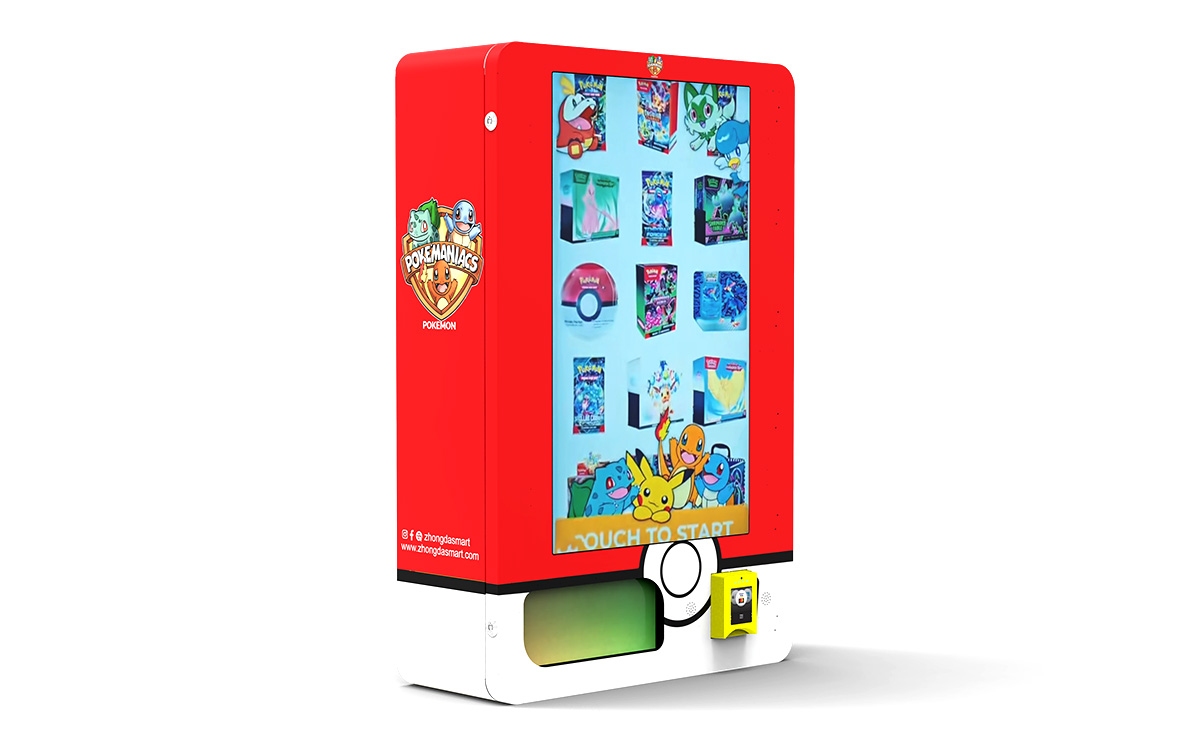
I have seen countless new operators buy the cheapest machine they can find, only to spend twice that amount on vending machine repair within the first year. A cheap machine with a poorly designed cooling system will fail in summer, and a bad compressor means lost product and angry customers. In my experience, you should budget between $4,000 and $8,000 for a reliable snack and drinks vending machine that includes a modern touchscreen, a credit card reader, and telemetry hardware. You can find refurbished units for less, but only if you have a trusted technician who can inspect the compressor, the selection buttons, and the payment board. I recommend looking at manufacturers like Zhongda Smart if you are sourcing from a supplier that offers solid after-sales support and spare parts availability. They have a good reputation for durable cabinets and reliable cooling systems that hold up well in high-usage environments.
Cost Breakdown: What You Are Really Paying For
Let me give you a realistic snapshot based on my current routes. These numbers are estimates from my own operations, not official statistics, but they reflect what I see across 50 machines in the US and UK markets.
| Expense Category | Estimated Cost (USD) | Notes |
|---|---|---|
| New machine (mid-range) | $5,000 – $7,500 | Includes touchscreen, cashless reader, telemetry |
| Refurbished machine | $2,500 – $4,000 | Higher risk of vending machine repair costs |
| First inventory stock | $800 – $1,500 | Depends on product mix and machine capacity |
| Monthly location rent/commission | $100 – $500 | Varies heavily by foot traffic and negotiation |
| Monthly restocking labor | $150 – $400 | Per machine, assuming weekly visits |
| Monthly telemetry and payment fees | $30 – $60 | Includes card processing and data plan |
| Annual maintenance and repair reserve | $400 – $800 | Set aside for compressor, board, or display issues |
Your total initial investment for one well-placed machine can range from $6,000 to $10,000. The monthly operating cost, including restocking, rent, and fees, typically runs between $300 and $900. If your machine does $800 to $1,500 in monthly sales with a 30% to 40% gross margin, you are looking at a payback period of 12 to 24 months. That is a realistic target. If someone promises you a 6-month payback, they are either selling you a fantasy or a machine in a location that does not exist.
Operational Realities You Cannot Ignore
Restocking and Route Efficiency
One of the biggest hidden costs is the time you spend driving between machines. I have learned that a snack and drinks vending machine in a remote location with low sales is a net loss once you factor in fuel and labor. I aim for machines that are within a 15-minute drive of each other so I can service three or four in one trip. If you are starting with a single machine, place it close to your home or workplace. The hours you save on travel are hours you can spend analyzing sales data or finding the next good spot. I use a simple rule: if a machine requires more than 30 minutes of driving round trip and does not generate at least $600 in monthly sales, I move it or sell it.
Product Selection and Spoilage
In 2026, consumer preferences are split. You still need the classic soda and chips, but you also need a section for protein bars, sparkling water, and low-sugar options. I have found that machines with a 60/40 split between traditional and better-for-you products perform best. The problem many new operators face is over-ordering. They fill every slot with a different item, then end up throwing away expired stock. I recommend starting with 20 to 25 top-selling SKUs and expanding only after you see the sales data from your telemetry system. Spoilage is a silent profit killer. I track expiration dates weekly, and I rotate inventory using a first-in, first-out method. A machine that looks messy or has dusty products will lose customer trust fast.
Payment Systems and Reliability
I cannot stress this enough: your payment system must work 99.9% of the time. In 2026, if a customer taps their card and the transaction fails, they will not come back. I have seen machines lose 30% of potential revenue simply because the card reader was outdated. I use readers that support NFC, Apple Pay, Google Pay, and standard chip cards. The upfront cost is higher, but the increase in average transaction value covers it within a few months. Also, make sure your machine has a backup power supply or at least a reliable compressor that can handle voltage fluctuations. A machine that goes offline for two days during a heatwave will cost you in lost sales and spoiled product.
How to Choose a Supplier or Manufacturer
When I look for a supplier for a snack and drinks vending machine, I do not just look at the price tag. I look at the warranty period, the availability of spare parts, and the responsiveness of their technical support. I have worked with several manufacturers over the years, and I have learned that a machine from a reputable brand like Zhongda Smart often comes with better documentation, easier-to-find replacement parts, and a more reliable cooling system. Do not buy a machine from a company that cannot provide a clear wiring diagram or a list of authorized repair technicians in your region. If you are importing, factor in shipping costs, customs duties, and potential delays. I have seen operators wait three months for a replacement control board because they bought from a no-name supplier. That downtime destroys your cash flow.
Common Mistakes New Operators Make
- Ignoring site maintenance: A machine that is dirty or poorly lit will be ignored. I clean my machines every time I restock, and I replace burnt-out lights immediately.
- Overpaying for location rent: Some property managers ask for 20% to 30% commission. I rarely pay more than 15% unless the location is exceptional, like a 24-hour gym with no other food options.
- Buying a machine without telemetry: In 2026, not having remote monitoring is like flying blind. You will either overstock or run out of best-sellers.
- Neglecting local regulations: In some European countries, you need a permit to sell food through a self-service kiosk. Check with your local health department before you install anything.
- Failing to negotiate: I always ask for a trial period of three months with a lower commission. If the machine performs well, I agree to a higher rate. If it does not, I move it without penalty.
Best Locations for a Snack and Drinks Vending Machine in 2026
Based on my experience, here are the top five location types that consistently deliver strong returns for a snack and drinks vending machine:
- Gyms and fitness centers: High foot traffic, captive audience, high demand for water and protein bars. Average monthly sales can range from $800 to $1,800.
- Medical office buildings: Patients and staff need quick snacks between appointments. These locations often have long dwell times and low competition.
- Co-working spaces and tech offices: Young professionals with disposable income who prefer cashless payments and premium products.
- Transportation hubs (bus terminals, train stations): High volume, but you need a machine that can handle peak loads and has a robust payment system.
- Auto repair shops and car dealerships: Waiting customers are a captive audience. I have placed machines in these spots that do $600 to $1,000 per month with minimal restocking effort.
Location types that I generally avoid include low-traffic retail stores, schools with strict nutritional policies, and any site where the property manager expects a free machine without contributing to electricity or cleaning.
How to Evaluate a Machine Investment
Before I buy a machine, I run a simple calculation. I estimate the monthly foot traffic, multiply it by a conservative conversion rate of 2% to 5%, and then multiply that by an average transaction value of $2.50 to $3.50. If the projected monthly revenue is less than $600, I walk away. I also factor in the cost of vending machine repair as a fixed percentage of revenue. I set aside 5% of monthly sales for unexpected breakdowns. Over a year, that reserve covers most compressor failures, display issues, or payment board replacements. If you cannot afford to set aside that reserve, you are not ready to own a machine.
FAQ: Snack and Drinks Vending Machine in 2026
Is a snack and drinks vending machine profitable?
Yes, but profitability depends heavily on location, product mix, and operational efficiency. A well-placed machine can generate $800 to $1,500 per month with a gross margin of 30% to 40%. However, poor site selection or high restocking costs can turn it into a loss.
How much does a snack and drinks vending machine cost?
A new mid-range machine with cashless payment and telemetry typically costs between $5,000 and $7,500. Refurbished units can be found for $2,500 to $4,000, but they may require more frequent vending machine repair.
How long does it take to break even?
Based on my experience, a realistic payback period is 12 to 24 months. This assumes steady sales, low spoilage, and minimal downtime. If your machine generates $1,000 per month with a 35% margin, you can recover your $7,000 investment in about 20 months.
Should I buy or lease a vending machine?
Buying is better for long-term operators who have good locations. Leasing can be a lower-risk way to test the market, but you will have less control over equipment quality and profit sharing. I have seen more operators succeed by buying a single machine and learning the ropes before scaling.
Where should I place my machine?
Focus on locations with captive audiences and limited food options. Gyms, medical offices, co-working spaces, and auto repair shops are strong candidates. Avoid low-traffic areas and locations with subsidized cafeterias.
What permits do I need?
Requirements vary by country and state. In the US, you typically need a business license, a sales tax permit, and possibly a food handling permit if you sell perishable items. In the EU, you may need to register with local health authorities. Check with your local chamber of commerce or visit Service-Public.fr for French regulations.
How do I choose a vending machine supplier?
Look for a supplier that offers a solid warranty, readily available spare parts, and responsive technical support. I have had good experience with manufacturers like Zhongda Smart for their durable cabinets and reliable cooling systems. Avoid suppliers that cannot provide wiring diagrams or a list of local repair technicians.
What happens if my machine breaks down?
Have a backup plan. I keep a small inventory of common spare parts like payment boards, compressors, and display cables. I also have a contract with a local vending machine repair technician. If you are in a remote area, consider buying a machine with modular components that are easy to swap out.
How can I reduce restocking and maintenance costs?
Use telemetry to track sales in real time so you only visit when necessary. Group your machines close together to reduce travel time. Standardize your product list across machines so you can buy in bulk. And always clean the machine during restocking to prevent issues that lead to costly vending machine repair calls.
Can I run this business part-time?
Yes, many operators start with one or two machines and run them as a side business. Just be prepared for the time commitment during the first few months while you learn the product preferences and restocking rhythm. Once the route is stable, you can often manage 5 to 10 machines on a part-time basis.
Final Thoughts from the Field
Running a snack and drinks vending machine route in 2026 is a real business. It is not passive income, and it is not a get-rich-quick scheme. But if you are willing to learn the basics of site selection, equipment maintenance, and inventory management, it can be a solid source of recurring revenue. I have seen too many people jump in without doing the math, only to sell their machine at a loss six months later. Take the time to visit potential locations, talk to property managers, and run your numbers before you buy anything. And when you do buy, invest in a machine that will last. A cheap machine that breaks down every month will drain your time and your bank account. A reliable machine, placed in the right spot, stocked with the right products, will serve you well for years.
This article was updated in January 2026. The data and estimates reflect the author's personal experience in the US and European vending markets and should not be considered financial or legal advice. Always consult local regulations and a qualified accountant before making business decisions.