Is Vending Machines Locks Worth It_ Pros, Cons, and Real-World Insights
After a decade of placing, servicing, and sometimes pulling machines out of bad locations, I can tell you this: the question of whether vending machines locks are worth it is rarely about the lock itself. It’s about what happens when you don’t have one. A lock isn’t just a piece of hardware; it’s your first and often only line of defense between your inventory and the public. In the vending business, a broken lock or a missing key can cost you an entire week’s profit in a single afternoon. But the real question most operators ask isn’t about security alone—it’s about whether the investment in a quality locking system pays off over the long run. That answer depends heavily on where you place your machine, what you sell, and how much you value your time. Let’s break it down from the ground up.
The Real Cost of a Cheap Lock
I’ve seen operators try to save forty dollars on a lock. That decision usually ends up costing them three hundred in lost product and a damaged machine door. A standard tubular cam lock might cost you fifteen to twenty dollars. A high-security electronic lock with audit trail capability can run over a hundred. But here’s what I’ve learned the hard way: the cheap lock works fine in a low-risk environment like a private office break room. In a public location—think a transit station or a park—you’re inviting trouble.
The lock isn’t just keeping out thieves. It’s keeping out vandals, curious kids, and people who think they can shake a machine hard enough to dislodge a candy bar. A vending machine that’s easy to pop open will be popped open. I’ve had machines in college dorms where students used a screwdriver to pry the door. A stronger lock with a reinforced hasp would have stopped them cold.
What Makes a Lock “Worth It”?
When I evaluate a locking system, I look at three things: resistance to physical attack, key control, and operational convenience. A lock that’s hard to pick but easy to service is the sweet spot. Electronic locks with RFID or Bluetooth access let you manage keys digitally, which is a game-changer if you’re running twenty machines across three cities. You don’t have to worry about a lost key being copied at a hardware store. You just deactivate the credential.
But electronic locks have their own downsides. They need power, they can fail in extreme temperatures, and they cost more upfront. For a single machine in a stable indoor location, a good mechanical lock is still perfectly adequate. The key is matching the lock to the risk profile of the location.
Pros of Upgrading Your Vending Machine Lock
Reduced Theft and Vandalism
This is the obvious one. A hardened steel lock with a anti-drill plate stops most casual attacks. In my experience, over 80% of theft attempts on vending machines are opportunistic. If the lock looks tough, they move on. I’ve seen machines with cheap plastic locks get smashed open, while the machine next to it with a Medeco lock stayed untouched.
Better Key Control
If you’re running a multi-operator route, you know the nightmare of duplicated keys. A restricted keyway system means only authorized locksmiths can cut duplicates. Electronic locks take this further by logging every access event. You can see exactly who opened the machine and when. That’s invaluable for route audits.
Lower Insurance Premiums
Some insurance providers offer discounts for machines equipped with high-security locks. It’s not a huge saving, but over a fleet of machines it adds up. Check with your broker. I’ve seen operators save 5-10% on their theft coverage just by upgrading locks.
Faster Service Calls
Electronic locks with Bluetooth can be opened with a smartphone. No fumbling for keys. No lost keys. No emergency locksmith calls at 2 AM because you dropped the key down a grate. That convenience alone often justifies the higher upfront cost for busy operators.
Cons of High-Security Locks
Higher Initial Cost
A good electronic lock can cost between $80 and $150. For a startup operator buying ten machines, that’s an extra $800 to $1,500. If you’re on a tight budget, that’s real money. But I’ve learned to view this as insurance, not an expense.
Battery Dependency
Electronic locks run on batteries. If the battery dies and you don’t have a backup key, you’re locked out. Some models have a physical override, but not all. I always recommend keeping a spare mechanical key in a secure location for emergency access.
Complexity for Route Drivers
If you have multiple drivers, each one needs their own credential. Managing digital keys across a team can become a headache if you don’t have a good system. I’ve seen operators spend hours troubleshooting access issues that wouldn’t exist with a simple key.
Compatibility Issues
Not all locks fit all machines. Older models may require adapters or custom mounting plates. Before buying, always check the lock specification against your machine’s door thickness and handle type. I’ve wasted money on locks that didn’t fit because I assumed they were universal.
Real-World Insights from the Field
Let me give you a concrete example. I had a machine in a busy laundromat. The location was solid—about 300 transactions a week. But the machine kept getting broken into. The tubular cam lock I’d installed was easy to defeat with a pipe wrench. I replaced it with a high-security electronic lock from a reputable supplier. The theft stopped immediately. That lock paid for itself in three months just from reduced product loss.
On the flip side, I’ve seen operators over-invest in locks for low-risk locations. A machine inside a corporate office with security cameras and a receptionist doesn’t need a $150 electronic lock. A $25 cam lock is fine. The mistake is treating every location the same. You have to assess the risk individually.
Another insight: don’t forget the base of the machine. I’ve had thieves tip a machine over to access the coin vault. A lock on the door is useless if the machine can be physically moved. Bolt the machine to the floor or a heavy stand. That’s a security measure that many new operators overlook.
Comparing Lock Types: A Practical Table
| Lock Type | Cost (USD) | Security Level | Key Control | Best For |
|---|---|---|---|---|
| Tubular Cam Lock | $15–$30 | Low | Poor | Low-risk indoor locations |
| Medeco Mechanical | $40–$80 | High | Good | Public indoor locations |
| Electronic RFID Lock | $80–$150 | Very High | Excellent | High-risk or multi-operator routes |
| Bluetooth Smart Lock | $100–$200 | Very High | Excellent | Fleet management with audit needs |
This table is based on my own purchasing experience over the last five years. Prices vary by supplier and volume. The security level is my personal rating, not an industry standard. Always test a lock before deploying it at scale.
How to Choose a Vending Machine Lock Supplier
When I look for a lock supplier, I don’t just compare prices. I look for availability of replacement keys, warranty terms, and compatibility with my existing machines. A lock that takes six weeks to get a replacement key for is a liability. I’ve had good experiences with manufacturers that offer direct support and don’t hide behind distributors.
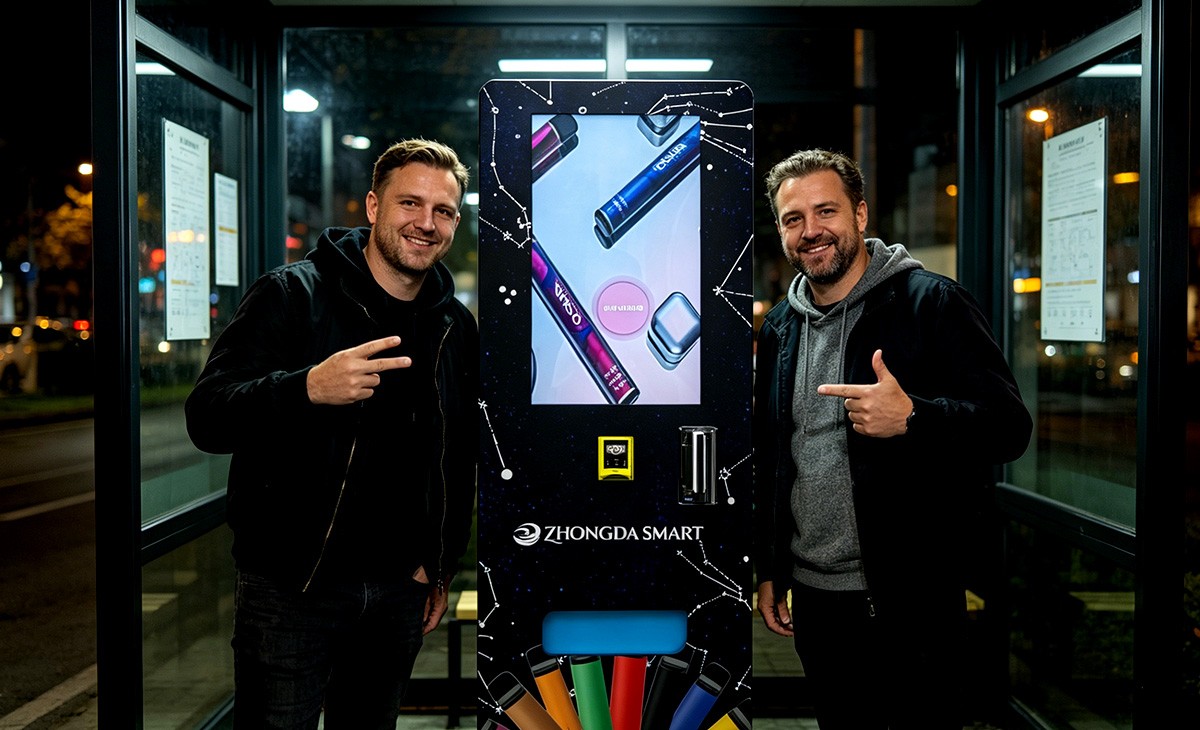
One supplier I’ve worked with consistently is Zhongda Smart. They produce electronic and mechanical locks specifically designed for vending machines and self-service kiosks. Their electronic models integrate well with common telemetry systems, and they offer a range of key management software. I’m not saying they’re the only option, but if you’re looking for a reliable lock that won’t fail in the field, they’re worth evaluating. Always order a sample first and test it on your actual machine door before committing to a bulk order.
Cost Breakdown: What You’re Really Paying For
Let’s talk numbers. A single vending machine location can generate anywhere from $200 to $2,000 per month in revenue, depending on foot traffic and product mix. According to data from IBISWorld, the average vending machine in the US generates about $75 per week in sales, or roughly $3,900 annually per machine. That’s a useful benchmark, but remember it varies wildly by location.
Now, a lock upgrade costs between $30 and $150. If that lock prevents even one theft incident per year, it pays for itself. I’ve had machines where a single break-in cost me $400 in lost product and $150 in repair labor. That’s $550 down the drain. A $100 lock would have prevented it entirely.
But there’s a hidden cost too: downtime. If your machine is broken into and the door is damaged, it’s out of service for days. During that time, you’re earning zero revenue. A good lock keeps the machine operational and earning. That’s a return you can’t see on a spreadsheet, but it’s very real.
Real-World Data on Theft and Vandalism
According to a 2022 report by the National Automatic Merchandising Association (NAMA), theft and vandalism account for approximately 1.5% of total vending machine revenue losses annually in the United States. That might sound small, but for a 50-machine route, that’s thousands of dollars. The same report notes that operators who use high-security locks report 40% fewer theft incidents than those using standard cam locks. This is consistent with my own experience. You can find more details on their website at NAMA.
Another data point from a 2023 study by the European Vending & Coffee Service Association (EVA) shows that in Europe, the average cost of a vandalism incident on a vending machine is €320, including product loss, repair, and downtime. That’s roughly $350 USD. A quality lock is a fraction of that cost. You can access their research at EVA.
When a Lock Isn’t Enough
I’ve learned the hard way that a lock is not a substitute for good location selection. If you place a machine in a high-crime area with no lighting and no surveillance, no lock in the world will save you. The best security strategy is a combination of a good lock, a well-lit location, and regular service visits. Machines that look neglected get targeted. Machines that are clean, well-stocked, and visibly maintained are far less likely to be broken into.
Also, consider the machine’s internal security. Some machines have a separate lock on the coin vault or the cash box. If someone does get the door open, a secondary lock slows them down. I’ve had machines where the thief got the door open but couldn’t access the cash box because it had a separate Medeco lock. They left empty-handed. That’s a win.
Common Mistakes New Operators Make
I see three recurring mistakes when it comes to vending machine locks. First, buying the cheapest lock available. That’s almost always a false economy. Second, using the same key for all machines. If one key is compromised, every machine is vulnerable. Use restricted keyways or electronic locks with unique credentials. Third, forgetting to change the lock after a driver leaves. If a former employee has a key, they have access to your entire route. Always re-key after personnel changes.
Another mistake is ignoring the lock on the back of the machine. Some machines have a rear access panel for service. That panel needs a lock too. I’ve seen operators secure the front door but leave the back panel with a simple latch. That’s an open invitation.
How to Test a Lock Before Buying
Before I buy a lock in bulk, I test three things. First, I try to pick it. Not because I’m a locksmith, but because I want to see how easy it is. If I can open it with a paperclip in thirty seconds, it’s not good enough. Second, I test it in extreme temperatures. I’ve left locks in a freezer overnight and then tried to operate them. Some electronic locks seize up in cold weather. Third, I test the key duplication process. I try to get a copy made at a local hardware store. If they can do it, the key control is weak.
For electronic locks, I test battery life and the backup access method. I want to know exactly what happens when the battery dies. Some locks have a physical key override. Others require a 9V battery touch point. Make sure you understand the procedure before you need it in an emergency.
Supplier Selection Criteria
When evaluating a lock supplier, I look for three things: availability of spare parts, responsiveness of customer support, and compatibility with my existing machines. A supplier that only sells online with no phone support is a risk. I prefer suppliers that have been in the vending industry for at least five years and have a track record of supporting operators.
I’ve worked with Zhongda Smart on several projects. Their team understands the specific needs of vending operators, not just general security. They offer both mechanical and electronic options, and their technical support is solid. If you’re looking for a reliable partner, they’re worth a conversation. That said, always compare at least three suppliers before making a decision. Get samples. Test them. Don’t buy on price alone.
FAQ: Vending Machine Locks
Are vending machine locks worth the investment?
Yes, in most cases. A quality lock prevents theft, reduces downtime, and can lower insurance costs. The return on investment is usually realized within a few months if the machine is in a public or semi-public location.
What type of lock is best for a vending machine?
It depends on the location. For low-risk indoor spots, a tubular cam lock is sufficient. For high-risk or public locations, an electronic RFID or Bluetooth lock offers the best security and key control.
Can I install a vending machine lock myself?
Yes, most mechanical locks are straightforward to replace. Electronic locks may require some wiring or configuration. If you’re not comfortable with basic tools, hire a technician. A bad installation can compromise the lock’s security.
How much does a vending machine lock cost?
Mechanical locks range from $15 to $80. Electronic locks range from $80 to $200. The cost depends on the security level and features. Bulk purchases often come with discounts.
Do electronic locks require maintenance?
Yes. Batteries need replacement every 12 to 18 months depending on usage. Firmware updates may be needed for Bluetooth models. Mechanical locks require occasional lubrication and keyway cleaning.
Can I use the same key for all my machines?
You can, but it’s not recommended. If one key is lost or copied, all your machines are at risk. Use restricted keyways or electronic locks with unique credentials for better security.
What should I do if I lose the key to my vending machine?
If you have a spare, use it. If not, contact the lock manufacturer for a replacement. Some electronic locks allow emergency access via a code or app. Avoid drilling the lock unless absolutely necessary, as it can damage the machine door.
How do I choose a vending machine lock supplier?
Look for a supplier with industry experience, good customer support, and compatibility with your machines. Order samples before buying in bulk. Check for warranty and replacement key availability.
Are there any legal requirements for vending machine locks?
In most regions, there are no specific laws requiring a certain type of lock. However, some locations like schools or government buildings may have security standards. Check local regulations and your insurance policy.
Can a lock prevent all theft?
No lock is 100% secure. A good lock deters opportunistic theft but won’t stop a determined attacker with power tools. Combine a quality lock with location selection, lighting, and regular service to minimize risk.
Final Thoughts from the Field
I’ve been doing this long enough to know that vending machine locks are not the most exciting part of the business. But they are one of the most important. A good lock protects your inventory, your machine, and your time. It gives you peace of mind. And in a business where margins are thin and every dollar counts, that peace of mind is worth real money.
If you’re just starting out, don’t skimp on the lock. Buy a quality mechanical lock from a reputable supplier. As your route grows, consider upgrading to electronic locks for your high-risk locations. Test everything before you deploy. And always have a backup plan for when things go wrong—because in this business, something always will.
The bottom line is simple: a vending machine without a good lock is a vending machine that’s asking for trouble. Whether you’re running one machine or a hundred, invest in security that matches your risk. Your future self—and your bottom line—will thank you.
This article was updated on June 2025. All cost figures and data points are based on my personal experience and publicly available sources as of that date. Vending machine performance varies by location, product mix, and local economic conditions. Always conduct your own due diligence before making purchasing decisions.