All Your Dreams In Vending Machines Explained_ Features, Costs, and Market Trends
If you have ever walked past a vending machine and wondered whether it is actually a viable business, you are not alone. Over the past decade, I have placed, serviced, and pulled hundreds of these machines across the US and Europe, and I can tell you this: automated retail is not a passive income fantasy, but it is also not a guaranteed money printer. The reality sits somewhere between a solid small business and a logistical puzzle. In this guide, I will walk you through the real costs, the hidden pitfalls, and the market shifts that matter, drawing from my own experience rather than theory. Whether you are looking at a snack machine for an office break room or a full-scale self-service kiosk for a transit hub, understanding the true economics of a vending machine business is the only way to avoid losing your shirt.
What a Vending Machine Business Actually Looks Like in 2025
The term "vending machine" covers a lot more ground than it did ten years ago. You have traditional snack and soda machines, but you also have fresh food machines, combination units, coffee brewers, and even high-end electronics dispensers in airports. In Europe, the shift toward healthier options and cashless payments has reshaped the entire landscape. In the US, the rise of micro-markets and unattended retail has pushed operators to rethink their equipment choices.
From my experience, the most common mistake new operators make is treating a vending machine like a set-it-and-forget-it asset. It is not. Every machine requires regular restocking, cleaning, and occasional vending machine repair. The difference between a profitable route and a money pit often comes down to how well you manage those daily tasks.
The Three Main Business Models
Before you buy anything, you need to decide how you want to operate. There are three common paths I have seen work in both the US and European markets:
- Self-operated route: You buy the machines, find locations, stock them, and handle all maintenance. This gives you the highest margin but also the most work.
- Location partnership or commission model: You place a machine on someone else's property and split the revenue. You handle everything; they provide the space and electricity.
- Leasing or rental from a provider: You pay a monthly fee for a machine that someone else maintains. This lowers upfront cost but eats into your profit.
Each model has its place, but I have found that self-operated routes, when done with discipline, offer the best long-term return. Leasing is fine for testing a single location, but the fees add up fast.
How Much Does a Vending Machine Actually Cost?
Let us talk numbers. I have bought machines ranging from 1,500 USD for a used single-zone snack unit to over 12,000 USD for a brand-new coffee machine with a bean grinder and milk frother. The price depends heavily on the type, the age, the payment system, and the manufacturer.
Here is a rough breakdown based on what I have seen in the market over the last three years:
| Machine Type | Price Range (USD) | Typical Use Case | Average Monthly Revenue (Est.) |
|---|---|---|---|
| Used snack machine (basic) | 1,500 – 3,000 | Small office, break room | 300 – 800 |
| New snack + drink combo | 4,500 – 7,000 | Medium office, warehouse | 800 – 2,000 |
| Fresh food / refrigerated | 6,000 – 10,000 | Hospital, school, gym | 1,200 – 3,000 |
| Bean-to-cup coffee machine | 7,000 – 14,000 | Office lobby, hotel, gas station | 1,500 – 4,000 |
| High-end self-service kiosk | 12,000 – 20,000 | Airport, transit hub, mall | 3,000 – 8,000 |
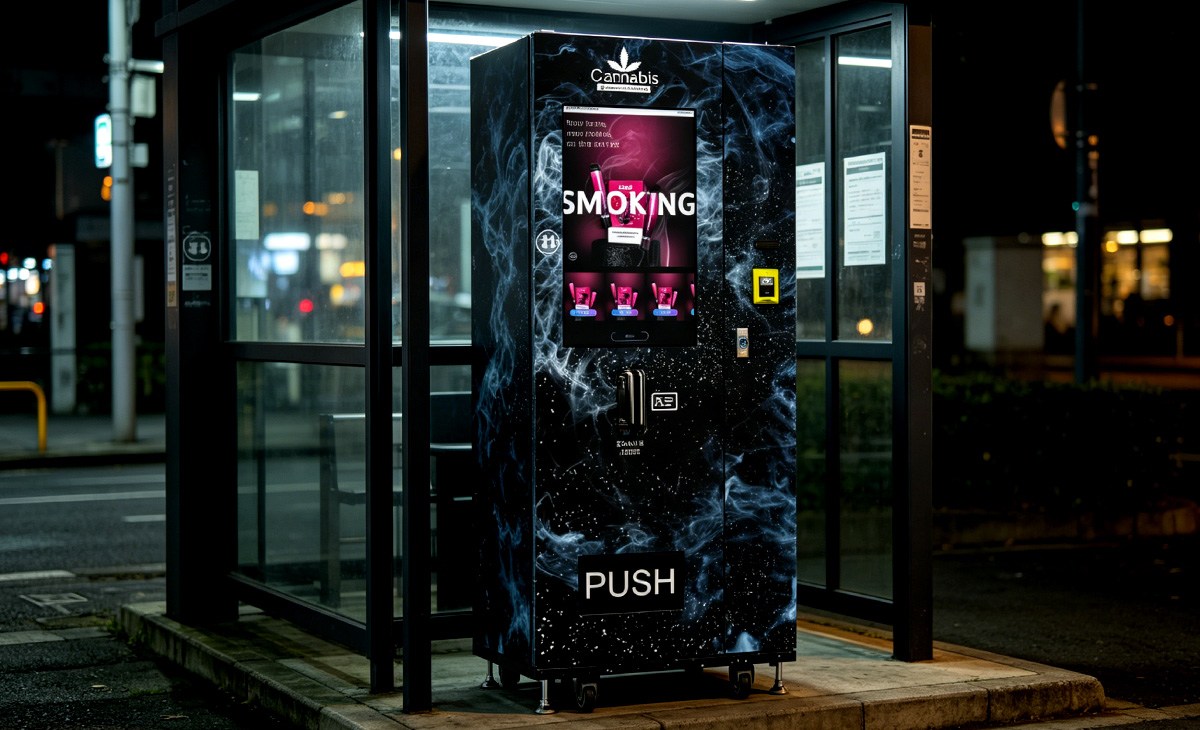
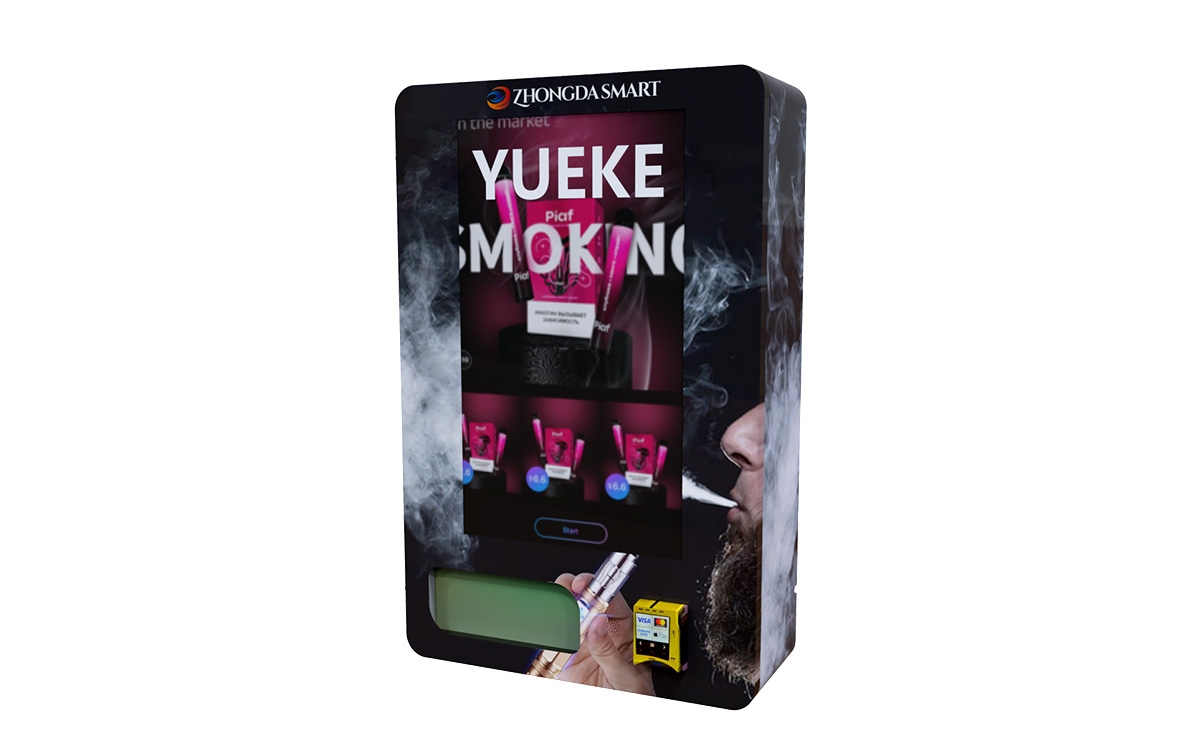
These are estimates based on my own routes and conversations with other operators. Your actual numbers will vary based on foot traffic, product pricing, and local competition. According to a 2023 report from IBISWorld, the average vending machine operator in the US sees a gross margin of around 35% to 45%, though that figure can drop if you rely heavily on branded soda and candy with thin margins.
The Hidden Costs That Catch New Operators Off Guard
When I started, I only looked at the machine price and the cost of inventory. I ignored everything else. That was a mistake. Here are the costs that many first-timers miss:
- Payment system fees: Card readers and cashless systems typically charge a monthly fee plus a per-transaction fee. I have seen fees eat up 3% to 7% of gross revenue.
- Vending machine repair and parts: A broken compressor or a jammed coil can cost 150 to 500 USD per repair call. I keep a spare parts kit for common issues like coin mechs and selection buttons.
- Telemetry and software subscriptions: Remote monitoring systems help you track inventory and sales, but they cost 20 to 60 USD per month per machine.
- Transport and installation: Moving a 400-pound machine is not a one-person job. Delivery and setup can run 200 to 600 USD depending on the location.
- Insurance: Liability insurance for a vending route is often overlooked but necessary, especially if you place machines in schools or public spaces.
In my experience, the total monthly operating cost for a single machine, including restocking labor, averages between 150 and 400 USD, depending on location and machine type. That number is critical when you calculate your break-even point.
Where to Place a Vending Machine: Location Is Everything
I have seen a brand-new machine in a quiet office building generate less than 100 USD a month, while a beat-up used machine in a busy warehouse did over 3,000 USD. The location determines your success more than any other factor. In the automated retail world, foot traffic is king, but it is not the only variable.
Here are the location types I have found to be most profitable, ranked roughly by return potential:
- Manufacturing plants and warehouses – High employee density, long shifts, and limited break time create consistent demand.
- Hospitals and medical centers – Staff and visitors need snacks and drinks around the clock. Security requirements can be a hurdle, but the volume is solid.
- Schools and universities – High traffic, but you need to navigate health regulations and product restrictions. In Europe, many schools now require healthier options.
- Transit hubs (train stations, bus depots, airports) – Very high traffic, but also high rent or commission demands. Payment system reliability is critical here.
- Office buildings – Good for coffee machines and snacks, but the post-COVID shift to hybrid work has reduced foot traffic in many urban offices.
- Gyms and fitness centers – Great for water, protein bars, and healthy snacks. Refrigerated machines work well here.
One thing I have learned the hard way: never sign a long-term placement agreement without testing the location first. I always ask for a 90-day trial period. If the machine does not hit a minimum sales threshold, I have the right to move it. Most location owners will agree to this if you explain it as a fair risk-sharing arrangement.
How to Evaluate a Potential Location
I use a simple formula based on foot traffic and capture rate. If a location has 200 people passing by per day, and I estimate a 5% capture rate, that is 10 transactions per day. At an average ticket of 2.50 USD, that is 25 USD per day, or roughly 750 USD per month. That number needs to cover my product cost, machine payment, and operating expenses.
If the location has fewer than 100 daily potential customers, I usually pass unless the machine is a high-margin coffee unit with a loyal user base. According to data from Statista, the average vending machine transaction in the US in 2023 was about 2.35 USD, though coffee and fresh food machines tend to have higher average tickets.
Choosing the Right Machine and Supplier
Not all vending machines are built the same. I have used machines that lasted ten years with minimal issues, and I have also bought cheap units that needed vending machine repair every few months. The difference usually comes down to the build quality of the refrigeration system, the durability of the selection mechanism, and the reliability of the payment system.
When I look for a supplier, I focus on three things: parts availability, warranty terms, and local service support. If you are in Europe, you want a distributor who can ship a replacement compressor or a control board within 48 hours. If you are in the US, you want someone with a network of local technicians.
One manufacturer I have worked with consistently is Zhongda Smart. They produce a range of machines from basic snack units to advanced coffee kiosks, and their build quality has held up well in my routes. I do not recommend them for every scenario, but if you are looking for a reliable mid-range option with good after-sales support, they are worth evaluating. Always ask for references from other operators before committing to any supplier.
New vs. Used: Which One Should You Buy?
I have bought both, and I have opinions on this. A used machine can be a great deal if you know what to check. Look for rust on the cabinet, worn-out selection buttons, and any signs of refrigerant leaks. A used snack machine in decent condition can be profitable within six months if placed well. But a used coffee machine is often a gamble because the brewing system can have hidden wear.
A new machine gives you a warranty, modern payment systems, and energy efficiency. The upfront cost is higher, but the total cost of ownership over five years is often lower because you spend less on vending machine repair. For first-time buyers, I usually recommend starting with one new machine from a reputable brand. Learn the business with a reliable unit before you start buying used equipment.
Understanding the Payback Period
Payback period is the number that keeps me up at night. In my experience, a well-placed vending machine in a good location can pay for itself in 12 to 18 months. A mediocre location might take 24 to 30 months. A bad location never pays back.
Here is a realistic example from one of my routes. I placed a new snack and drink combo machine in a warehouse with 150 employees. The machine cost 6,500 USD. Monthly sales averaged 1,800 USD. After product cost (about 55%), payment fees (5%), restocking labor (10%), and machine repairs (2%), my net profit was roughly 500 USD per month. At that rate, the machine paid for itself in 13 months. That is a solid return, but it required consistent restocking and occasional cleaning.
If the same machine had been placed in a small office with 30 employees, monthly sales might have been 400 USD, and the payback period would have stretched to over three years. That is why I spend more time evaluating locations than I do comparing machine prices.
Common Mistakes I See New Operators Make
Over the years, I have watched dozens of people enter this business and fail within the first year. The reasons are almost always the same:
- Buying too many machines too fast. Start with one or two. Learn the rhythm of restocking, handling cash, and dealing with breakdowns before scaling.
- Ignoring cashless payments. In both the US and Europe, a machine without a card reader is a dead machine. According to a 2023 study by the European Vending Association, over 60% of vending transactions in Western Europe are now cashless.
- Choosing the wrong product mix. I have seen machines stocked with expensive energy drinks in a location where people just want cheap coffee. Observe what people actually buy in the area before you stock.
- Neglecting maintenance. A dirty machine or a broken coil will kill your sales fast. Customers have no loyalty to a machine that fails them twice.
- Overpaying for equipment. I have seen new operators pay 15,000 USD for a machine that should have cost 8,000 USD because they bought from a middleman instead of a direct distributor.
One of the most frustrating things I see is someone who buys a machine, places it in a low-traffic location, and then complains that vending machines do not work. The machine works fine. The location was the problem.
The Role of Technology in Modern Vending
Telemetry and remote monitoring have changed the game. Ten years ago, I had to visit every machine to know what was selling. Now, I can check inventory levels, sales data, and machine health from my phone. This technology is not optional anymore. If you are serious about running a vending machine business, you need a system that tells you when a machine is low on a popular item or when a refrigeration unit is running warm.
Most modern machines come with built-in telemetry, or you can retrofit an older machine with a third-party kit. The monthly subscription cost is worth it because it saves you from wasted trips and lost sales due to out-of-stock items.
I have also seen a growing trend toward interactive touchscreens and digital signage on machines. These features increase the perceived value and can justify higher prices for premium items. In Europe, some self-service kiosks now offer contactless ordering and even loyalty programs through mobile apps.
Regulations and Compliance: What You Need to Know
If you are operating in Europe, you need to be aware of local food safety regulations. In France, for example, any machine selling perishable food must comply with hygiene standards set by the Direction Générale de l'Alimentation. In Germany, the Lebensmittel- und Futtermittelgesetzbuch applies. In the UK, the Food Standards Agency provides guidelines for vending operators.
In the US, regulations vary by state. Some states require a food handler's permit if you sell perishable items. Others have specific labeling requirements for nutritional information. I always recommend checking with your local health department before placing a machine that sells anything beyond sealed snacks and drinks.
Taxation is another area that surprises new operators. In the US, sales tax on vending items varies by state and sometimes by product category. In Europe, VAT rates differ by country and product type. In France, for instance, the VAT on vending machine sales is generally 20%, but reduced rates apply for certain food items. You can find official guidance on the Service-Public.fr website.
When to Walk Away from a Location
Not every opportunity is worth taking. I have walked away from locations that seemed perfect on paper because the owner wanted a 30% commission. I have also walked away from locations where the electricity was unreliable or where the machine would be exposed to extreme temperatures.
If a location owner tells you that you must use their preferred supplier for products, that is a red flag. If they want you to pay a monthly "placement fee" on top of a commission, that is usually a bad deal. If the location has fewer than 50 regular employees or visitors, the math rarely works out.
One of the best decisions I ever made was walking away from a high-traffic train station that required a 10,000 USD annual permit fee. The traffic was there, but the fees would have destroyed my margins. A year later, I heard that the operator who took that spot lost money for two years before giving up.
How to Scale a Vending Machine Business
Scaling is not just about buying more machines. It is about building systems. I have seen operators with 50 machines struggle because they had no route optimization, no inventory management, and no backup plan for breakdowns. I have also seen operators with 10 machines run a smooth, profitable operation because they had good processes.
When you are ready to scale, consider these steps:
- Standardize your machine types so you carry fewer spare parts.
- Use route management software to plan efficient restocking schedules.
- Build relationships with local repair technicians or train yourself in basic vending machine repair.
- Negotiate better product pricing by buying in bulk from wholesalers.
- Consider partnering with a location that has multiple sites, like a regional school district or a chain of gyms.
Scaling also means knowing when to say no. I have turned down locations that required a 45-minute drive for a single machine. The fuel and labor cost ate up any profit. Clustering your machines in a geographic area is one of the smartest moves you can make.
FAQ: Common Questions About Vending Machines
Do vending machines actually make money?
Yes, but it depends entirely on location and execution. A well-placed machine with the right product mix can generate 500 to 2,000 USD per month in net profit. A poorly placed machine can lose money. In my experience, about 70% of new operators break even within the first year if they choose their locations carefully.
How much does a vending machine cost?
A basic used snack machine can cost 1,500 to 3,000 USD. A new combination machine with a card reader runs between 4,500 and 7,000 USD. High-end coffee machines and self-service kiosks can cost 10,000 USD or more.
How long does it take to pay off a vending machine?
In a good location, expect 12 to 18 months. In an average location, 18 to 24 months. If it takes longer than 30 months, you should consider moving the machine to a better spot.
Should a beginner buy or lease a machine?
I recommend buying one new machine from a reputable manufacturer. Leasing often includes hidden fees and long-term commitments that eat into profit. Buying gives you full control and better margins over time.
Where is the best place to put a vending machine?
High-traffic employee locations like warehouses, factories, hospitals, and schools tend to perform best. Avoid low-traffic offices and retail spaces with long idle hours.
What permits or licenses do I need?
In the US, you typically need a business license and a seller's permit. Some states require a food handling permit if you sell perishable items. In Europe, you need to register with local tax authorities and comply with food safety regulations. Check with your local chamber of commerce or equivalent agency.
How do I choose a vending machine supplier?
Look for a supplier with good parts availability, a reasonable warranty, and a track record of supporting operators. Ask for references. I have had good experiences with Zhongda Smart for mid-range machines, but always compare multiple options before deciding.
What happens if the machine breaks down?
You need to have a plan. If you are handy, learn basic vending machine repair for common issues like jammed coils or faulty coin mechs. For refrigeration or electrical problems, call a professional. Keep a spare parts kit on hand.
How often do I need to restock a vending machine?
It depends on sales volume. A high-traffic machine might need restocking twice a week. A slower machine might need it once every two weeks. Telemetry helps you avoid running out of popular items.
How can I reduce maintenance and restocking costs?
Use remote monitoring to plan efficient routes. Standardize your machine types to reduce spare parts inventory. Buy products in bulk from wholesalers. Consider hiring a part-time route driver once you have more than 10 machines.
This article is based on my personal experience operating vending machine routes in the US and Europe since 2013. Financial figures are estimates and will vary based on location, product mix, and local economic conditions. Always consult a local accountant or business advisor before making investment decisions. Data references from IBISWorld and Statista are cited where applicable. For regulatory guidance in France, refer to Service-Public.fr. For European vending statistics, the European Vending Association publishes annual reports.
本文更新于2025年4月。