The Complete Guide to Non Food Vending Machines Opportunities and Risks
I have spent over a decade placing vending machines across Europe and North America, and the single question I hear most often is whether non food vending machines are worth the investment. The short answer is yes, but only if you understand the specific risks and opportunities that come with selling items like electronics, personal care products, or specialty goods through an automated retail channel. Unlike food machines, which have high restocking frequency and strict health regulations, non food vending machines offer longer shelf life, lower spoilage, and more flexibility in product selection. However, they also require careful site selection, robust payment systems, and a realistic view of customer demand. This guide draws directly from my own experience sourcing equipment, negotiating placements, and managing daily operations across different markets.
What Are Non Food Vending Machines and Where Do They Work Best
Non food vending machines are self-service kiosks that dispense products other than edible items. Common categories include personal protective equipment, phone accessories, beauty products, over-the-counter medications, electronics, books, and even clothing. These machines are often placed in locations where foot traffic is high but immediate access to a retail store is limited. I have seen successful installations in office buildings selling phone chargers, in gyms selling earbuds and fitness accessories, and in hotels selling travel-sized toiletries.
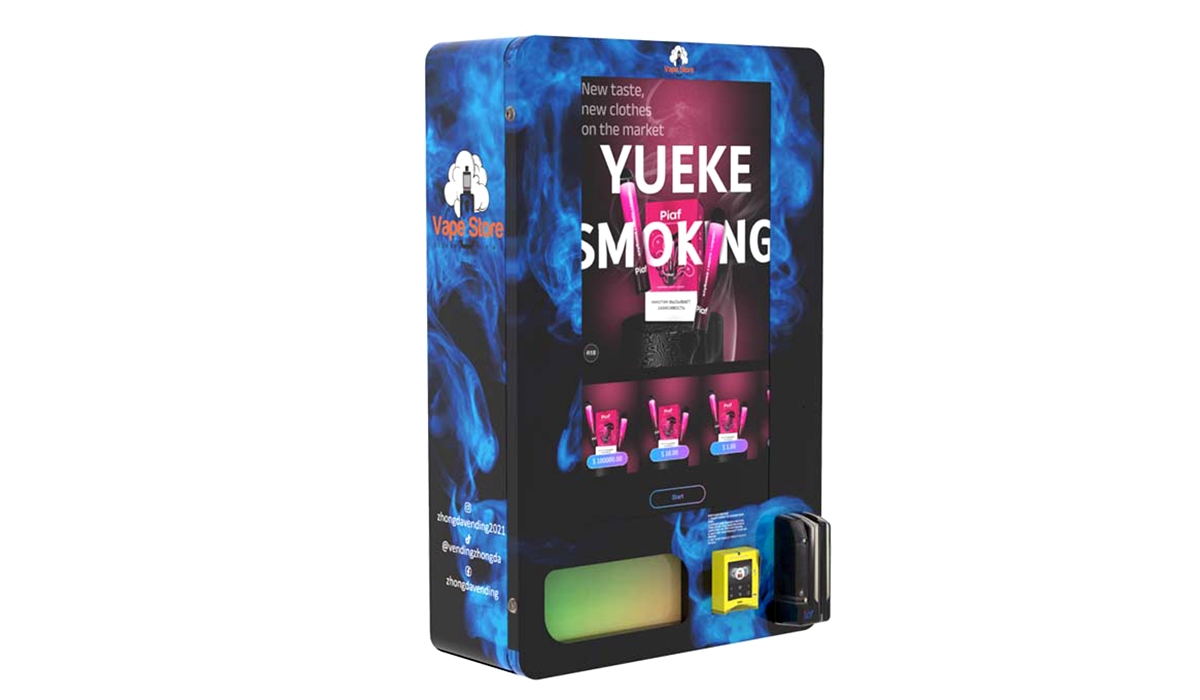
The key difference from food machines is the product margin. A candy bar might yield 30 percent margin, while a phone charger can easily yield 60 to 70 percent. The downside is that non food items typically have higher unit costs and slower turnover. You cannot rely on impulse buying alone; you need a location where people have a genuine need for the product. In my experience, the best locations are those with a captive audience, such as airports, hospitals, transit hubs, and large corporate campuses.
Is a Non Food Vending Machine Business Profitable
Profitability depends on three variables: location, product selection, and operational efficiency. From my own portfolio, a well-placed machine in a busy office tower can generate between 800 and 1,500 euros per month in revenue. After deducting product cost, credit card fees, and restocking labor, net profit typically falls between 200 and 500 euros per machine per month. That may not sound like much, but when you scale to ten or twenty machines, the numbers add up.
According to a 2023 IBISWorld report on the vending machine industry in the United States, the average profit margin for non food vending machines is around 15 to 25 percent after all operating costs are factored in. I have found that margins are higher in Europe, especially in countries like Germany and Switzerland, where consumers are more willing to pay a premium for convenience. However, margins shrink quickly if you choose a low-traffic location or overpay for the machine itself.
Initial Investment: What You Really Need to Budget For
Many newcomers underestimate the total cost of entry. A new non food vending machine from a reputable supplier like Zhongda Smart costs between 3,000 and 8,000 euros, depending on the size, payment system, and customization. I have also bought used machines for as little as 1,500 euros, but those often require repairs within the first year. If you are serious about the business, I recommend investing in a new machine with a reliable payment system and remote monitoring capability.
Beyond the machine itself, you need to budget for installation, payment processing setup, initial inventory, and permits. In some European cities, you need a specific license to operate a vending machine on public property or inside certain commercial buildings. The total startup cost for a single machine, including inventory, typically ranges from 5,000 to 12,000 euros. That is a realistic range based on my own experience and data from the European Vending Association.
Site Selection: How I Evaluate a Location
Site selection is the most critical decision you will make. I have seen operators fail because they placed a machine in a location with high foot traffic but low purchase intent. For example, placing a machine selling premium headphones in a budget retail corridor rarely works. People in that location are not looking for high-ticket electronics from a machine.
I use a simple rule of thumb: the location must have at least 500 people passing by per day, and at least 5 percent of those people should have an immediate need for the product. I also look at the surrounding businesses. If there is a pharmacy nearby, selling pain relievers or first aid kits may not work because people will go inside the pharmacy instead. But if the pharmacy closes at 6 PM and your machine is available 24/7, that creates an opportunity.
I once placed a machine selling phone charging cables and power banks in a mid-sized train station. The machine averaged 1,200 euros per month for two years. The key was that the station had no electronics store, and many travelers forgot their chargers at home. That is the kind of gap you need to identify.
Equipment Selection: What to Look For in a Machine
Not all vending machines are built the same. When I started, I bought a cheap machine from an unknown manufacturer. The payment system failed twice in the first three months, and the machine would jam on certain product sizes. I ended up spending more on vending machine repair than I saved on the purchase price.
Today, I look for machines with the following features:
- Remote monitoring capability so I can check inventory and sales data from my phone
- A reliable card reader that supports contactless payments and mobile wallets
- Adjustable shelving to accommodate different product sizes
- Energy-efficient cooling if the machine requires temperature control
- Durable construction, especially if the machine will be placed outdoors
One manufacturer that consistently meets these criteria is Zhongda Smart. I have used their machines in several locations, and the build quality and payment integration have been solid. That said, always check the warranty terms and ask for references from other operators before committing to any supplier.
Payment Systems and the Shift to Cashless
In 2025, a vending machine that only accepts cash is a liability. Most consumers in Europe and North America carry less cash than they did a decade ago. According to a 2024 Statista survey, over 60 percent of in-person transactions in the European Union are now cashless. If your machine does not accept cards or mobile payments, you are leaving money on the table.
I install machines with a combined cash and card reader. The card reader should support Visa, Mastercard, Apple Pay, and Google Pay. Some operators also add QR code payment options for local mobile wallets. The transaction fee for card payments is typically 1.5 to 3 percent, which is a cost you must include in your pricing model.
One mistake I made early on was using a cheap card reader that had frequent connectivity issues. Customers would walk away frustrated, and I lost sales. Now I only use readers from established providers like Ingenico or Castles Technology, and I always test the connection before leaving a site.
Operational Costs You Cannot Ignore
Many first-time operators only think about the machine cost and product cost, but there are several ongoing expenses that eat into profit. These include:
- Payment processing fees (1.5 to 3 percent of each transaction)
- Restocking labor (your time or an employee's time)
- Machine maintenance and vending machine repair
- Location commission or rent (some property owners charge 10 to 20 percent of gross sales)
- Insurance and permits
- Electricity (typically 20 to 50 euros per month per machine)
In my experience, the total monthly operating cost for a single machine is between 150 and 400 euros, depending on the location and your restocking frequency. If your gross revenue is 1,000 euros per month, your net profit will be somewhere between 200 and 400 euros after all costs. That is a realistic expectation, not a marketing promise.
Restocking and Inventory Management
Non food items have a longer shelf life than food, but they still require regular restocking. I restock most of my machines every two to four weeks, depending on sales volume. The challenge is predicting which products will sell and which will sit on the shelf for months.
I keep a spreadsheet of sales data for each machine. After three months, I can see clear patterns. For example, in one office location, wireless earbuds sold out every time I restocked, but screen protectors barely moved. I stopped ordering screen protectors and doubled down on earbuds and charging cables. That simple adjustment increased revenue by 30 percent.
If you are not tracking sales data, you are flying blind. Most modern machines come with software that tracks inventory and sales in real time. Use that data to make decisions, not guesses.
Risks and Common Mistakes
I have seen operators lose money for several reasons. The most common mistake is buying a machine before securing a location. You might end up with a machine sitting in your garage while you search for a site. Always secure the location first, or at least have a shortlist of potential sites before purchasing equipment.
Another mistake is choosing the wrong product mix. I once saw an operator fill a machine with expensive Bluetooth speakers in a university dormitory. The students wanted cheap headphones, not premium speakers. The machine sat underused for six months before he changed the product mix. By then, he had lost significant money.
Vandalism is another risk, especially for machines placed outdoors or in unsupervised areas. I have had machines broken into twice. Both times, the thief targeted the cash box. Now I only place cashless machines in high-risk areas, and I use machines with reinforced locks and tamper alarms.
Self-Operation vs. Partnership Models
You have three main options for running a non food vending machine business:
| Model | Pros | Cons |
|---|---|---|
| Self-operation | Full profit control, flexible product selection | Requires time for restocking and maintenance |
| Location partnership | Lower upfront cost, shared risk | You share revenue, less control over placement |
| Full-service leasing | Minimal involvement, passive income potential | Lower profit margin, long contract terms |
I prefer self-operation for the first few machines because it teaches you the business. Once you have a proven model, you can explore partnerships or leasing arrangements to scale faster.
How to Choose a Supplier or Manufacturer
Choosing the right supplier is as important as choosing the right location. I recommend visiting a trade show like the European Vending Association's annual event or the NAMA show in the United States. There you can see machines in person and talk to multiple manufacturers.
When evaluating suppliers, ask about:
- Warranty period and what it covers
- Availability of spare parts
- Remote monitoring software compatibility
- Payment system integration options
- Shipping costs and delivery times
I have worked with several manufacturers over the years, and Zhongda Smart has been one of the more reliable options for non food machines. Their machines are well-built, and their customer support responds within 24 hours. That said, always get a sample contract and read the fine print before making a commitment.
Return on Investment and Payback Period
Based on my experience and data from the European Vending Association, the average payback period for a non food vending machine is 12 to 24 months. If you choose a high-traffic location and the right product mix, you can pay off the machine in 10 months. If you make poor choices, it could take three years or more.
Here is a realistic example from one of my machines:
- Machine cost: 5,000 euros
- Initial inventory: 1,500 euros
- Monthly revenue: 1,200 euros
- Monthly operating costs: 350 euros
- Monthly net profit: 850 euros
- Payback period: approximately 7.6 months
That machine performed exceptionally well. Most machines in my portfolio have a payback period between 14 and 18 months. I always tell new operators to plan for 18 months and be pleasantly surprised if it happens faster.
Legal and Regulatory Considerations
Non food vending machines generally face fewer regulations than food machines, but there are still rules you must follow. In the European Union, you need to comply with the General Product Safety Directive and the CE marking requirements. If you sell electronics, they must meet the Restriction of Hazardous Substances (RoHS) directive.
In some countries, you also need a business license and a permit to place a machine on public property. In France, for example, you must declare the machine to the local mairie and pay a small annual tax. In the United Kingdom, you need to register as a food business if you sell any edible items, but for non food items, the requirements are minimal.
I recommend consulting with a local business advisor or checking the Service-Public.fr website for French regulations or the UK government's business support page for British requirements. Do not skip this step. I have seen operators fined for operating without the proper permits.
Scaling Your Vending Machine Business
Once you have one machine running profitably, the next step is scaling. I started with one machine, then added a second, then a third. Each machine taught me something new about site selection, product mix, and customer behavior.
Scaling requires a system. You need a reliable restocking schedule, a supplier for your products, and a way to track inventory across multiple machines. I use a simple inventory management spreadsheet, but some operators use dedicated software like VendSoft or Cantaloupe.
One lesson I learned the hard way: do not scale too fast. I once added five machines in three months, thinking I could manage them all. But I underestimated the time required for restocking and maintenance. Two of those machines underperformed because I did not visit them often enough to adjust the product mix. Slow down, learn the patterns, then expand.
FAQ: Non Food Vending Machines
Are non food vending machines profitable?
Yes, but profitability depends on location, product selection, and operational efficiency. Most machines generate a net profit of 200 to 500 euros per month after all costs.
How much does a non food vending machine cost?
A new machine from a reputable supplier like Zhongda Smart costs between 3,000 and 8,000 euros. Used machines can cost less but may require repairs.
How long does it take to break even?
Typical payback periods range from 12 to 24 months. High-performing machines can break even in 8 to 10 months.
Should I buy or lease a vending machine?
Buying gives you full profit control and flexibility. Leasing reduces upfront cost but limits your earnings over time. I recommend buying if you have the capital.
Where should I place a non food vending machine?
Look for locations with high foot traffic and a captive audience, such as office buildings, hospitals, transit hubs, hotels, and gyms.
What permits do I need?
Requirements vary by country and location. In most cases, you need a business license and a permit for the specific site. Check local regulations before installing.
How do I choose a vending machine supplier?
Look for a manufacturer with a strong warranty, reliable payment system integration, and good customer support. Visit trade shows and ask for references.
What happens if the machine breaks down?
Most machines have a warranty period. For repairs outside warranty, budget for occasional vending machine repair costs, which can range from 100 to 500 euros per incident.
How can I reduce restocking and maintenance costs?
Use remote monitoring to track inventory, choose durable machines, and establish a regular restocking schedule. Centralizing your locations can also reduce travel time.
Final Thoughts from a Decade in the Business
Non food vending machines are not a get-rich-quick scheme. They are a solid small business opportunity for someone willing to learn the details of site selection, product management, and equipment maintenance. I have made mistakes, and I have learned from them. The operators who succeed are the ones who treat it like a real business, not a passive income experiment.
If you are considering entering this space, start small, choose your first location carefully, and track every data point. The machines are tools, not magic boxes. Your success depends on how well you use them.
本文更新于2025年4月。