Protein Vending Machine For Sale Business Guide_ How It Works, Profit & Maintenance Explained
If you are serious about starting your own automated retail business and have been researching the protein vending machine for sale market, you already know the demand is real. Gym-goers, office workers, and college students want quick access to high-protein snacks, shakes, and bars without waiting in line or paying delivery fees. I have been operating vending machines across the US and parts of Europe for over a decade, and I have seen this niche grow from a side hustle into a legitimate revenue stream. In this guide, I will break down exactly how these machines work, what kind of profit you can realistically expect, and how to handle maintenance without losing your mind. No fluff, just real experience.
What Is a Protein Vending Machine Business?
A protein vending machine is a specialized self-service kiosk stocked with protein bars, ready-to-drink shakes, protein powders, and sometimes healthy snacks like nuts or jerky. Unlike traditional snack machines that sell chips and soda, these units cater to a health-conscious audience. The business model is simple: you buy or lease the machine, find a high-traffic location, stock it with products, and collect the cash or digital payments.
In my early years, I placed a standard snack machine in a gym and noticed that protein bars sold out faster than candy bars. That is when I switched to dedicated protein machines. The margins are better, the competition is lower, and the customer base is more loyal. If you are looking at a protein vending machine for sale, you are entering a space with less price pressure than traditional vending.
How Does a Protein Vending Machine Work?
These machines operate on the same basic principles as any vending machine. You load the products into coils or trays, set the prices via a keypad or digital interface, and customers select items using a touchscreen or button panel. Most modern machines accept cash, credit cards, mobile wallets like Apple Pay and Google Pay, and sometimes even gym membership cards.
What makes protein machines different is the product handling. Protein bars can be fragile, and shakes need to be stored at the right temperature. You need a machine with reliable refrigeration if you plan to sell liquid products. I have seen operators lose money because they bought a cheap machine that could not maintain consistent cooling. Always check the compressor specifications before you purchase any protein vending machine for sale.
Payment Systems and Connectivity
In 2025, a machine without cashless payment is a machine that loses sales. I learned this the hard way when I placed a cash-only unit in a university building. Students rarely carried cash. After retrofitting the machine with a card reader, sales tripled within two weeks. Look for machines that support NFC, credit cards, and QR code payments. Remote monitoring is also critical. You want a machine that reports inventory levels and sales data to your phone or computer. This saves you from driving to a location only to find it half-empty.
Profit Potential: What Can You Realistically Earn?
Let me give you honest numbers based on my own operations and industry benchmarks. According to data from IBISWorld, the vending machine industry in the US generates roughly $7.5 billion annually, with healthy vending growing faster than traditional segments. A well-placed protein machine in a busy gym or corporate fitness center can generate between $800 and $2,500 per month in revenue.
Gross margins on protein products range from 35% to 50%, depending on your sourcing. If you buy in bulk from wholesalers or directly from manufacturers, you can push margins toward the higher end. After factoring in product cost, credit card processing fees (typically 2.5% to 3.5%), and electricity, your net profit per machine might be $300 to $1,200 per month. That may not sound like a fortune, but when you scale to 10 or 20 machines, it adds up.
One thing I always tell newcomers: never trust anyone who promises you $5,000 per month from a single machine. That is rare and usually requires a prime location with extremely high foot traffic, like a major airport or a 24-hour gym chain. Most operators earn a solid side income, not a full-time salary, from their first few machines.
Initial Investment: How Much Does a Protein Vending Machine Cost?
The price of a protein vending machine for sale varies widely based on size, features, and whether it is new or refurbished. Here is a rough breakdown based on what I have seen in the market:
| Machine Type | New Price Range | Refurbished Price Range | Typical Monthly Revenue |
|---|---|---|---|
| Basic non-refrigerated (bars only) | $2,500 - $4,000 | $1,200 - $2,500 | $500 - $1,200 |
| Refrigerated combo (bars + shakes) | $5,000 - $8,500 | $3,000 - $5,500 | $800 - $2,000 |
| Large multi-shelf refrigerated | $8,000 - $14,000 | $4,500 - $8,000 | $1,200 - $2,500 |
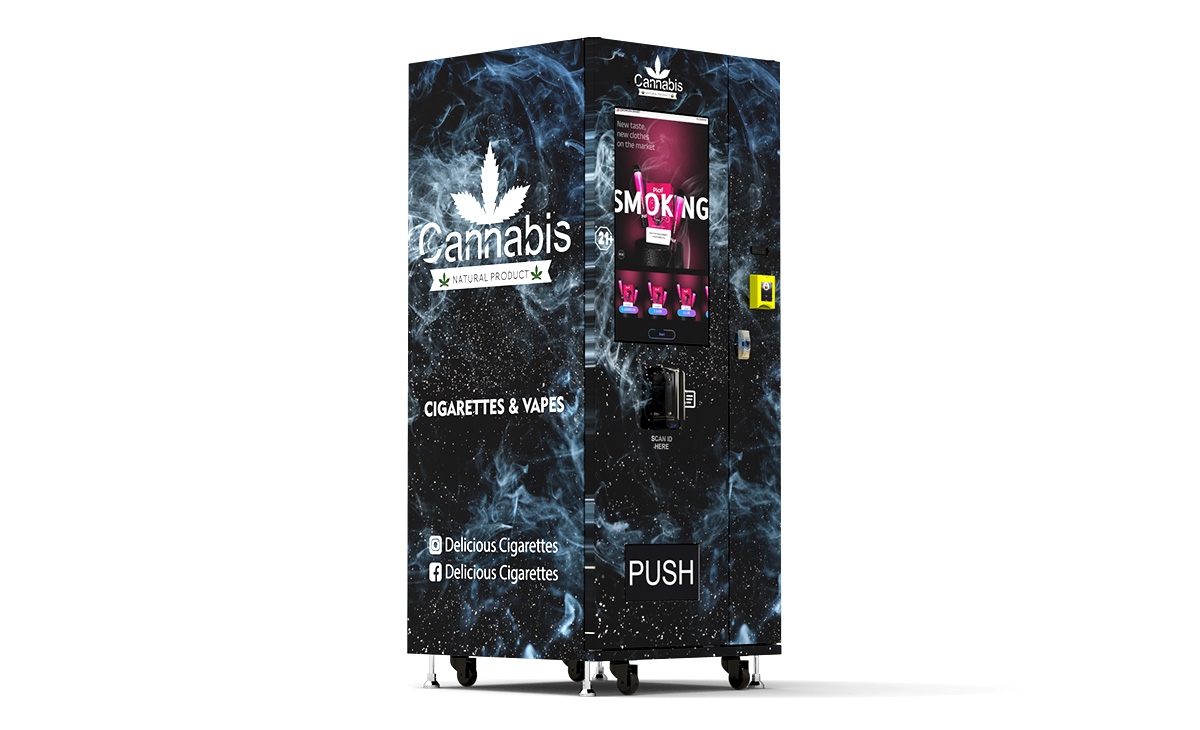
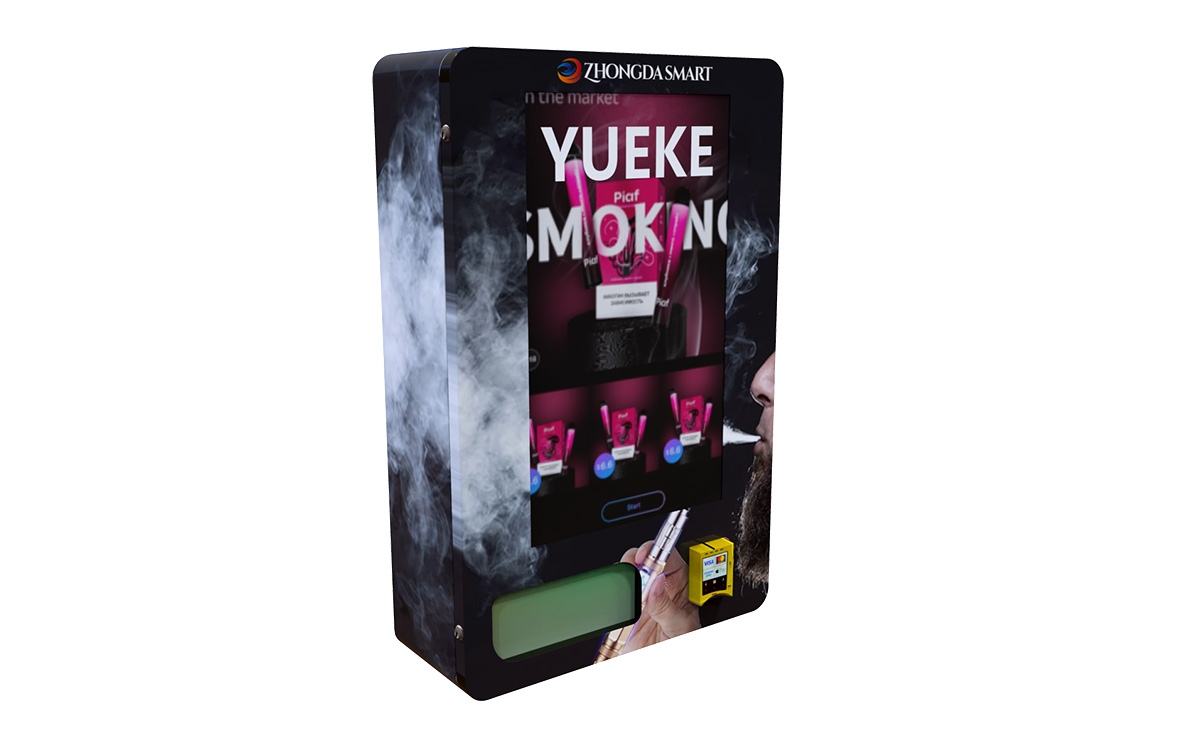
These prices include the machine but not installation, shipping, or initial inventory. Shipping a heavy refrigerated unit can cost $300 to $800 depending on distance. If you are looking at a protein vending machine for sale from a supplier like Zhongda Smart, they offer both new and refurbished options, and their units often come with built-in telemetry and cashless payment systems. I have used their equipment in the past and found the build quality solid for the price point.
Maintenance: The Part Nobody Talks About
Maintenance is where most beginners fail. They buy a cheap machine, place it in a mediocre location, and then panic when it breaks down. Vending machines are mechanical devices. They will jam, sensors will fail, and refrigeration units will need servicing. I budget about $300 to $600 per machine per year for repairs and parts replacement. That includes things like replacing a stuck coil, fixing a card reader, or recharging refrigerant.
If you are not handy with tools, you will need to hire a local vending machine repair technician. Rates vary, but expect to pay $75 to $150 per hour plus parts. That is why I recommend learning basic troubleshooting. Most issues are simple: a product gets stuck, a door sensor misaligns, or a payment terminal loses connection. Watch a few YouTube videos and you can save hundreds of dollars.
One mistake I made early on was ignoring the cleaning schedule. Protein bars leave crumbs, and sticky shake spills attract ants and rodents. A dirty machine not only looks bad but can also damage the electronics. I clean my machines every two weeks and do a deep inspection monthly. This extends the life of the machine and keeps customers coming back.
Refrigeration Maintenance Tips
Refrigerated units require extra attention. The condenser coils need to be vacuumed every three months. If they get clogged with dust, the compressor works harder and eventually fails. I learned this after replacing a $700 compressor in a machine that only needed a $10 cleaning. Also, check the door seals regularly. A worn gasket lets cold air escape, causing the compressor to run constantly and driving up your electricity bill.
Choosing the Right Location
Location is the single biggest factor in your success. I have placed identical machines in two different gyms and seen a 400% difference in revenue. The best locations for protein vending machines are:
- Commercial gyms and fitness centers
- CrossFit boxes and boutique studios
- Corporate office buildings with wellness programs
- College recreation centers and dormitories
- Hospitals and medical office buildings
- Airports and train stations (if you can get a contract)
Before you sign a location agreement, spend a few hours observing foot traffic. Count how many people walk past the spot during peak hours. A good rule of thumb is at least 300 to 500 potential customers per day. Also, check if there is a cafeteria or a smoothie bar nearby. If there is, your machine will face direct competition. I once placed a machine in a gym that had a juice bar, and sales were terrible because members bought fresh smoothies instead of packaged shakes.
Negotiating with Location Owners
You will need permission to place your machine. Most gyms and offices will ask for a commission or a flat monthly fee. Commissions typically range from 10% to 25% of gross sales. Some locations ask for a flat fee of $50 to $200 per month. I prefer commission-based agreements because they align incentives. If the location owner helps promote your machine, everyone benefits. Always get a written agreement that covers access for restocking, liability, and termination terms.
How to Evaluate a Protein Vending Machine for Sale
When you search for a protein vending machine for sale, you will see dozens of options. Here is what I look for after years of buying and testing equipment:
- Refrigeration quality: Look for a machine with a commercial-grade compressor, not a residential one. The difference in lifespan is years.
- Cashless payment: Built-in credit card and NFC support are non-negotiable. Retrofitting is expensive and messy.
- Remote monitoring: A machine that sends you sales and error alerts saves hours of driving.
- Spiral or tray design: Spirals work well for bars. Trays are better for bottles and cans. Make sure the machine can handle the product sizes you plan to sell.
- Warranty and support: Check if the manufacturer offers a one-year warranty and has a service network in your region. Zhongda Smart provides decent after-sales support, and their machines are widely used in Europe and North America.
Avoid machines that are too cheap. I bought a $1,500 machine from an unknown seller once, and it broke down within three months. The repair cost more than the machine itself. Stick with reputable brands or trusted suppliers.
Real Data: What the Industry Says
According to a report by Statista, the global vending machine market was valued at approximately $16.5 billion in 2023 and is projected to grow at a compound annual rate of 6.8% through 2030. The healthy vending segment is outpacing traditional vending, driven by consumer demand for convenient, nutritious options. Another study from the National Automatic Merchandising Association (NAMA) indicates that cashless payments now account for over 70% of vending transactions in the US, up from 40% just five years ago.
These numbers confirm what I see on the ground. If you are investing in a protein vending machine for sale, you are entering a growing market. But growth does not guarantee profit. You still need to execute well on location, product selection, and maintenance.
Common Mistakes New Operators Make
I have seen too many people jump into vending without a plan. Here are the most common mistakes:
- Buying the wrong machine: They buy a cheap snack machine and try to convert it. It rarely works well. Get a machine designed for protein products.
- Ignoring the location: They place a machine in a low-traffic area and wonder why sales are low. Always validate foot traffic before committing.
- Overstocking or understocking: Too much inventory leads to expired products. Too little leads to lost sales. Use remote monitoring to find the sweet spot.
- Skipping the contract: A verbal agreement with a gym owner can fall apart quickly. Get everything in writing.
- Not budgeting for repairs: Machines break. If you have no reserve fund, a single repair can wipe out your profit for months.
FAQ: Protein Vending Machine Business
Are protein vending machines profitable?
Yes, if placed correctly. A well-located machine can generate $800 to $2,500 per month in revenue with 35-50% gross margins. Profitability depends on foot traffic, product pricing, and operating costs.
How much does a protein vending machine cost?
A new refrigerated protein machine costs between $5,000 and $14,000. Refurbished units range from $3,000 to $8,000. Non-refrigerated models are cheaper but limit your product options.
How long does it take to break even?
With a good location, most operators break even within 12 to 18 months. If you buy a used machine and place it in a high-traffic gym, you could recover your investment in 9 months. Slower locations may take 24 months or more.
Should I buy or lease a machine?
Buying is better for long-term operators. Leasing reduces upfront cost but eats into your profit with monthly fees. If you are testing the waters, consider a refurbished machine. If you are scaling, buy new from a trusted supplier like Zhongda Smart.
Where should I place my protein vending machine?
Commercial gyms, corporate fitness centers, college recreation buildings, and hospitals are top choices. Look for locations with at least 300 people passing by daily and no direct competition from smoothie bars or cafeterias.
What permits do I need?
Requirements vary by city and country. In the US, you typically need a business license, a sales tax permit, and possibly a food handler's permit if you sell perishable items. Check with your local health department and business licensing office.
How do I choose a supplier?
Look for a supplier with a track record in commercial vending, good warranty coverage, and responsive customer support. Ask for references and read reviews. Zhongda Smart is one supplier I have used that offers solid machines and after-sales service.
What happens when the machine breaks down?
You either fix it yourself or call a technician. Keep a list of common spare parts like coils, sensors, and card readers. Having a backup plan is essential, especially if the machine is in a remote location.
How can I reduce restocking and maintenance costs?
Use remote monitoring to track inventory and sales. This lets you restock only when needed. Clean the machine regularly to prevent mechanical issues. Buy products in bulk to lower per-unit cost. And learn basic repairs to avoid expensive service calls.
Final Thoughts from the Field
Running a protein vending machine for sale business is not a get-rich-quick scheme. It is a solid, scalable operation if you treat it like a real business. I have made my share of mistakes, from buying the wrong machine to trusting a handshake deal that fell apart. But I have also built a network of machines that generate consistent monthly income with minimal daily effort. The key is to start small, learn the mechanics, and reinvest your profits into better locations and equipment.
If you are looking at a protein vending machine for sale, take your time. Research the supplier, visit a location if possible, and calculate your numbers honestly. The market is growing, and there is room for serious operators. Just do not expect to set it and forget it. Every machine needs attention, but the payoff is worth it.
This article was updated in April 2025 based on operational experience and publicly available industry data. References include the IBISWorld vending machine industry report (2024), Statista market size data (2023), and the National Automatic Merchandising Association (NAMA) cashless payment survey (2024).