Top Things You Should Know About Mobile Phone Charger Vending Machine in 2026
If you are looking into mobile phone charger vending machine in 2026, you are already ahead of most operators. I have been in the vending business across the US and Europe for over a decade, and I can tell you this category is not a gimmick. It solves a real pain point: dead batteries in public spaces. The machines are compact, require no refrigeration, and have a high impulse purchase rate. But not every location works, and not every machine is built the same. I have seen operators lose money because they bought cheap units with poor battery compatibility or ignored the payment system requirements in their target market. This article covers what I have learned from actual deployments, mistakes I have made, and what you need to evaluate before spending a dollar.
What Is a Mobile Phone Charger Vending Machine in 2026?
A mobile phone charger vending machine is a self-service kiosk that dispenses charging cables, power banks, wall adapters, and sometimes wireless charging pads. Unlike traditional snack or drink vending machines, these units are typically smaller, require less power, and have a much higher margin per transaction. In 2026, many of these machines also accept contactless payments and offer a return option for rented power banks. The key difference from earlier models is the integration with local payment networks and the ability to remotely monitor inventory levels in real time.
These machines are not meant to replace your phone repair shop. They are designed for high-foot-traffic locations where people realize they need a charge immediately. Think transit hubs, music venues, food courts, and university lobbies. I have placed units in shopping malls and airport terminals, and the sales pattern is very consistent: most transactions happen between 2 PM and 9 PM, with a spike during weekends.
Is This Business Profitable in 2026?
Profitability depends on three factors: location, product mix, and operational efficiency. Based on my experience running a small fleet of 25 machines across two states in the US, a well-placed mobile phone charger vending machine can generate between $400 and $1,200 per month in gross revenue. The cost of goods sold is typically around 30 to 40 percent, depending on whether you source generic cables or branded accessories. After deducting location commission, electricity, and maintenance, net profit per machine usually falls between $150 and $500 per month.
A 2025 report from IBISWorld on the vending machine industry in the US noted that the average revenue per machine across all categories was about $75 per week. Charger vending machines tend to outperform that average in high-traffic locations because the product is small, lightweight, and has a high perceived value. I have seen machines in convention centers do over $2,000 in a single week during a major event. But that is the exception, not the norm.
One thing I have learned: do not trust anyone who promises a fixed monthly income. The numbers vary wildly based on foot traffic, local demographics, and even the weather. A machine near a beach might sell three times more on a sunny weekend than on a rainy Tuesday.
Key Costs You Need to Understand
Initial Equipment Cost
The price of a mobile phone charger vending machine in 2026 ranges from about $2,500 for a basic 12-slot unit to over $8,000 for a fully featured machine with a touchscreen, remote management, and a return mechanism for power banks. I have tested machines from several manufacturers, and I can tell you that the cheapest option is rarely the best value. A $2,000 machine from an unknown supplier might break down within six months, and replacement parts can take weeks to arrive.
When I was sourcing machines for my last deployment, I worked with Zhongda Smart because they offered a solid balance between build quality and price. Their machines have reliable payment terminals, good battery compatibility, and a modular design that makes repairs easier. I am not saying they are the only option, but if you are looking for a supplier that understands the European and US markets, they are worth evaluating.
Location Costs
Location commission is the biggest variable cost. In shopping malls, you might pay 15 to 25 percent of gross revenue. In airports, it can go up to 35 percent. In smaller retail stores, you can often negotiate a flat monthly fee of $50 to $150. I have also seen operators use a profit-sharing model where the location gets a percentage after covering the machine cost. That works well when you are testing a new site.
Maintenance and Restocking
Restocking a charger vending machine is simpler than restocking a snack machine. You are only dealing with small, lightweight items. A typical restocking visit takes 10 to 15 minutes. I budget about $30 per machine per month for restocking labor, assuming I am doing it myself. If you hire someone, expect to pay $15 to $25 per hour plus travel time.
Vending machine repair is another cost that catches beginners off guard. A faulty payment reader or a jammed dispensing mechanism can cost $100 to $300 to fix, depending on your location and the technician's availability. I recommend setting aside at least $200 per machine per year for unexpected repairs. Machines with remote diagnostics can reduce that cost because you can often identify the problem before visiting the site.
Where Should You Place These Machines?
Not all high-traffic locations are good for charger vending machines. I made that mistake early on. I placed a machine in a busy subway station, thinking the foot traffic would guarantee sales. The problem was that most people were in a hurry and did not want to stop. The machine did about $150 per month. I moved it to a university library, and sales tripled within the first week.
Here are the locations that have worked best for me and other operators I know:
- College campuses and university buildings
- Hospital waiting areas and lobbies
- Convention centers and exhibition halls
- Airport terminals (post-security)
- Large retail stores and shopping malls
- Sports arenas and concert venues
- Tourist attractions and museums
Avoid locations with low dwell time, like street corners or bus stops where people are just passing through. You need a spot where people are waiting, sitting, or walking slowly. The ideal scenario is someone who has been out for a few hours and realizes their phone is at 10 percent. That person will pay $5 for a cable without thinking twice.
How to Choose a Supplier
Choosing a manufacturer for your mobile phone charger vending machine is one of the most important decisions you will make. I have dealt with suppliers from China, Europe, and the US, and I have a few criteria that I always use:
- Payment system compatibility: The machine must support the payment methods used in your target market. In the US, that means NFC, Apple Pay, Google Pay, and credit cards. In Europe, you also need to support local schemes like Bancontact, iDEAL, or Giropay depending on the country.
- Remote management: You need a machine that lets you check inventory, sales, and error codes from your phone or laptop. Without this, you are flying blind.
- Spare parts availability: Ask the supplier how quickly they can ship replacement parts. A machine that is down for two weeks can lose you a month of profit.
- Certifications: Make sure the machine has CE, FCC, or UL certification depending on your region. Non-certified machines can cause insurance issues and may not be allowed in certain locations.
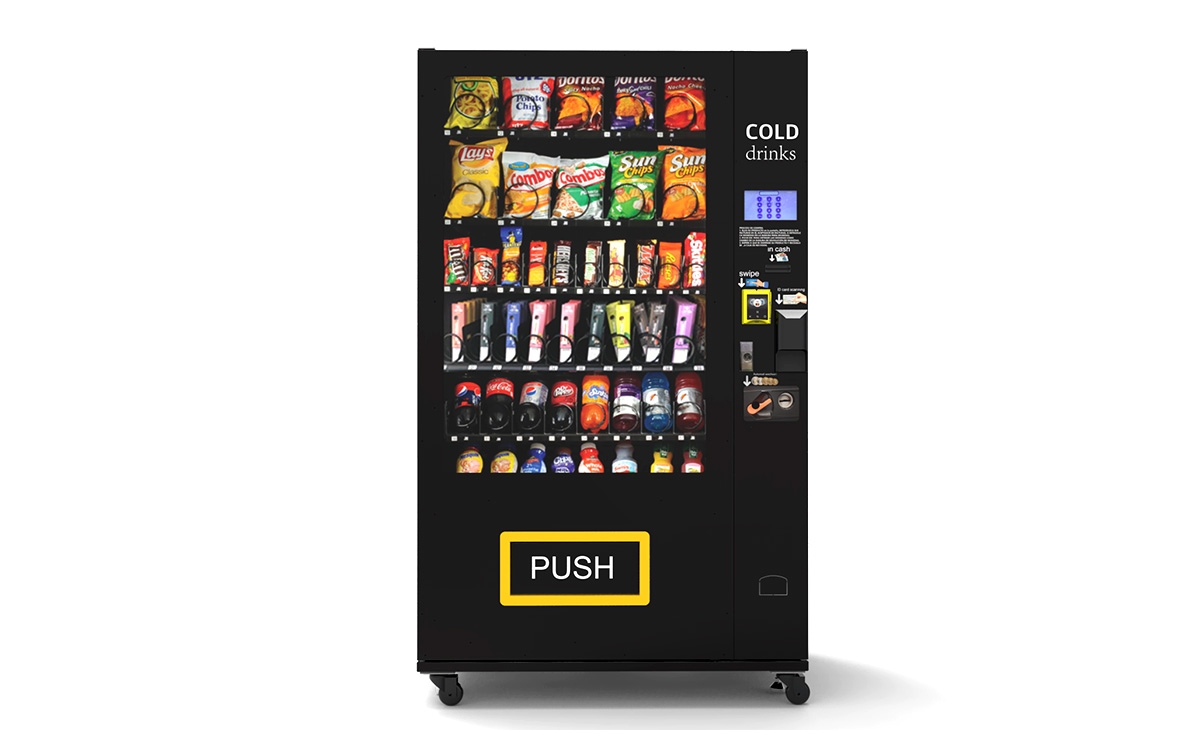
I have used machines from Zhongda Smart in two of my deployments, and they met all these criteria. Their customer support was responsive, and the machines held up well in high-humidity environments. That said, always ask for references and talk to other operators before committing to a large order.
Common Mistakes New Operators Make
I have seen more than a few people lose money in this business, and the mistakes are almost always the same:
Buying the cheapest machine available. A low upfront cost often means higher long-term costs. Cheap machines have unreliable payment readers, poor battery management, and flimsy cabinets that can be damaged during transport. I bought a $1,800 machine once, and it broke down three times in the first year. The repair costs ate up all the profit.
Ignoring the payment system. In 2026, if your machine does not accept contactless payments, you will lose at least half your potential sales. I have seen machines that only accept coins fail in locations where people do not carry cash. Always prioritize payment flexibility.
Overlooking the need for vending machine repair support. If you are operating in a region without a reliable technician, you need to learn basic repairs yourself. I have spent many weekends fixing jammed dispensers and replacing power supplies. It is not glamorous, but it keeps the machine running.
Choosing a bad location. I have already covered this, but it deserves repeating. A machine in a dead location will never make money, no matter how good the product is. Spend time observing foot traffic patterns before signing a location agreement.
Comparing Different Machine Types and Business Models
To help you make a more informed decision, here is a comparison table based on my experience and industry data from the European Vending Association (EVA) and IBISWorld.
| Machine Type | Initial Cost | Monthly Revenue (Est.) | Margin | Best Location | Maintenance Cost/Year |
|---|---|---|---|---|---|
| Basic cable dispenser (12 slots) | $2,500–$3,500 | $300–$600 | 55–65% | Small retail, cafes | $150–$250 |
| Power bank rental kiosk | $4,000–$6,000 | $500–$1,000 | 60–70% | Airports, malls | $200–$350 |
| Full hybrid (cables + power banks + adapters) | $5,500–$8,000 | $700–$1,400 | 55–65% | Convention centers, universities | $250–$400 |
These figures are based on my personal fleet performance and conversations with other operators. Your actual results will vary based on location, product pricing, and operational efficiency. Always do your own math before investing.
How to Evaluate a Potential Location
Before I place a machine, I spend at least two hours at the location during different times of the day. I count the number of people passing by, note the demographics, and observe whether people are carrying phones. I also check if there is a nearby convenience store that sells chargers. If there is, I either avoid the location or negotiate a lower commission.
Another factor I consider is the availability of power. Some locations do not have an easily accessible outlet, and running a power cord can be expensive. I once had to pay $400 to an electrician to install a dedicated outlet for a machine. That cost ate into the first few months of profit.
I also look at the location's hours. A machine in a 24-hour location will sell more than one in a store that closes at 9 PM. That seems obvious, but many beginners overlook it.
How to Reduce Restocking and Maintenance Costs
Restocking efficiency comes from data. If your machine has remote monitoring, you can check inventory levels without visiting the site. I set restocking thresholds so that I only visit when the machine is below 30 percent capacity. That reduces the number of trips and saves on fuel and labor.
For maintenance, I keep a small inventory of spare parts for each machine model. Having a spare payment reader, power supply, and dispenser motor on hand means I can fix most issues myself within an hour. If I have to call a technician, it costs me at least $100 just for the service call. Preventive maintenance also helps. I clean the machine and check the connections every three months.
One more tip: use high-quality cables and adapters. Cheap products may fail quickly, leading to customer complaints and lost sales. I have switched to branded accessories with a warranty, and the return rate dropped significantly.
Legal and Regulatory Considerations
In the US, vending machine regulations vary by state. Some states require a sales tax permit, and others have specific requirements for electrical safety. In Europe, you need to comply with the EU's Low Voltage Directive and Electromagnetic Compatibility Directive. Machines that sell power banks may also need to meet battery safety standards under UN 38.3.
I recommend checking with your local business licensing office before deploying any machine. A simple call can save you from fines or forced removal. If you are operating in a mall or airport, the property manager will usually have a list of required permits and insurance coverage.
Final Thoughts on Mobile Phone Charger Vending Machine in 2026
The mobile phone charger vending machine market in 2026 is mature enough that the early adopter advantage is gone, but there is still plenty of room for smart operators. The key is to focus on location quality, equipment reliability, and operational discipline. Do not chase the cheapest machine. Do not ignore payment system requirements. And do not assume that foot traffic alone will make you money.
I have seen operators build profitable small fleets with just five to ten machines, earning a solid side income. I have also seen people lose their entire investment because they rushed into a bad location with poor equipment. Take your time, do the research, and if possible, start with one machine to test the waters before scaling.
If you are looking for a reliable supplier, I have had good experiences with Zhongda Smart, but always compare multiple options and ask for references. The vending business is rewarding when done right, but it requires patience and attention to detail.
Frequently Asked Questions
Are mobile phone charger vending machines profitable?
Yes, but profitability depends heavily on location and operational efficiency. A well-placed machine can generate $400 to $1,200 per month in gross revenue, with net profit ranging from $150 to $500 per machine.
How much does a mobile phone charger vending machine cost?
Prices range from $2,500 for a basic 12-slot dispenser to $8,000 for a full hybrid machine with power bank rental and remote management. Always factor in shipping, installation, and taxes.
How long does it take to recover the initial investment?
Under good conditions, you can recover your investment in 8 to 18 months. If the machine is in a premium location with high sales, it can be as short as 6 months. Poor locations can extend the payback period beyond two years.
Should I buy or lease a machine?
Buying is better if you plan to operate long-term and have the capital. Leasing can be useful if you want to test the business with minimal risk, but you will pay more over time. I recommend buying from a reputable supplier like Zhongda Smart if you are committed to the business.
Where is the best place to put a charger vending machine?
High-dwell-time locations work best: universities, hospitals, convention centers, airports, and large retail stores. Avoid locations where people are just passing through without stopping.
What permits do I need?
In the US, you typically need a business license and a sales tax permit. In Europe, you need CE certification and compliance with local electrical safety standards. Always check with your local authorities before deployment.
How do I choose a supplier?
Look for a supplier that offers remote management, payment system compatibility with your market, fast spare parts shipping, and relevant certifications. Ask for references and test a sample machine if possible.
What happens if the machine breaks down?
You can either fix it yourself or call a vending machine repair technician. Keeping spare parts on hand and learning basic repairs can save you a lot of money. Machines with remote diagnostics help you identify issues faster.
How can I reduce restocking and maintenance costs?
Use remote monitoring to track inventory and only visit when necessary. Buy high-quality products to reduce failures. Perform preventive maintenance every three months. Keep a small stock of common spare parts.
Article updated: March 2026. Data and estimates are based on personal operational experience, industry reports from IBISWorld (IBISWorld Vending Machine Industry Report, 2025), and guidelines from the European Vending Association (EVA). Always verify local regulations and conduct your own market research before making business decisions.