Soap Vending Machine For Sale Explained_ Features, Costs, and Market Trends
If you are exploring the idea of buying a soap vending machine for sale, the first thing I will tell you as someone who has been in the automated retail business for over a decade is this: it is not a get-rich-quick scheme, but it can be a steady, low-touch revenue stream if you understand the numbers, the location, and the machine itself. Soap vending machines, specifically those dispensing liquid soap, laundry detergent pods, or hand sanitizer, have carved out a niche in the self-service kiosk market. They are not as flashy as snack or soda machines, but they solve a real problem in places like laundromats, gyms, public restrooms, and apartment building lobbies. The key question most buyers ask is whether the margins justify the investment. Based on my own experience managing a fleet of over 200 machines across the UK and parts of the US, I can tell you that the answer depends heavily on your supplier choice, your placement strategy, and your willingness to handle vending machine repair yourself or through a reliable partner.
What Exactly Is a Soap Vending Machine?
A soap vending machine is a specialized automated retail unit designed to dispense soap products—usually liquid soap refills, laundry detergent, or sanitizer—in exchange for payment. Unlike traditional snack vending machines, these units are often smaller, more compact, and built to handle liquid or powdered products. They are a subset of the broader self-service kiosk industry, but they serve a very specific need: convenience in high-traffic areas where people need soap but do not want to carry a large bottle.
These machines come in various configurations. Some are wall-mounted, ideal for tight spaces like public restrooms. Others are freestanding, better suited for laundromats or gym locker rooms. The payment systems have evolved too. Most modern units accept coins, bills, and contactless payments, including Apple Pay and Google Pay. A few advanced models even support mobile app-based payments, which can reduce cash handling and improve security.
From a business perspective, the appeal is clear: soap is a consumable product with a high repurchase rate. People do not buy soap once and stop; they need it regularly. If you place a machine in a location where people are already in need of soap—like a gym after a workout or a laundromat during a wash cycle—the purchase intent is high. That is the core logic behind the product category.
Who Is This Machine For? Real Business Scenarios
Over the years, I have seen soap vending machines work well in several specific environments. The most common are laundromats, where customers often forget detergent. A machine that sells single-use detergent pods or small liquid soap bottles can generate consistent daily sales. Gyms are another strong candidate. People often realize they forgot their shower gel or hand soap after a workout. A well-placed machine in the locker room or near the sinks can capture that impulse buy.
Public restrooms in transit hubs, shopping malls, and office buildings also work, but only if the foot traffic is high enough. I have placed machines in a few office building restrooms, and the results were mixed. The issue is that people in offices often have soap provided by the building management, so they do not need to buy their own. The best locations are those where soap is not provided for free, or where the provided soap is of low quality and people are willing to pay for a better option.
Hotels, especially budget and mid-range ones, are another interesting segment. Some hotel owners place soap vending machines in the lobby or near the elevators to offer guests an alternative to the small, often unsatisfactory hotel soaps. This works best when the machine is clearly visible and the pricing is reasonable.
I have also seen machines placed in campgrounds, RV parks, and even some university dormitories. The common thread is that all these locations have a predictable flow of people who need soap at a specific moment. The key is identifying that moment and placing the machine where the need is highest.
Is a Soap Vending Machine Business Profitable?
This is the question I get asked most often, and the honest answer is: it can be, but it is not guaranteed. Profitability depends on three main factors: the cost of the machine, the cost of the product, and the volume of sales at your chosen location. Let me give you some real numbers based on my experience.
For a typical soap vending machine, the initial investment ranges from $1,500 to $5,000 depending on the features, brand, and whether it is new or refurbished. The product cost per unit—say, a single laundry detergent pod—is usually between $0.10 and $0.30 if you buy in bulk. You sell that pod for $1.00 to $1.50. That is a gross margin of 70% to 90%, which is excellent compared to many other vending categories.
However, the gross margin is not the same as net profit. You have to subtract the cost of the machine depreciation, payment processing fees (typically 2% to 5% per transaction), restocking labor, and vending machine repair costs. If you are paying a location fee or commission to the property owner—typically 10% to 20% of gross sales—that also eats into profit.
In a good location, a single soap vending machine can generate $200 to $600 per month in revenue. After all costs, your net profit might be $100 to $300 per month. That means the payback period for a $3,000 machine could be 10 to 30 months, assuming no major issues. In a bad location, you might break even or even lose money. I have personally had machines that barely did $50 a month, and I had to move them after three months.
According to a 2023 report by IBISWorld, the vending machine industry in the US has an average profit margin of around 12% to 15% after all operating expenses. That aligns with my experience for well-run operations. Soap vending machines, because of their higher product margins, can sometimes outperform that average, but they also have lower transaction volumes compared to snack machines, so the overall revenue per machine is lower.
Key Features to Look for When Buying a Soap Vending Machine
Not all soap vending machines are built the same. After dealing with dozens of machines from different suppliers, I have learned which features matter and which are just marketing fluff. Here is what I recommend you prioritize.
Payment System Flexibility
The most important feature is the payment system. In 2025, if your machine only accepts coins, you are losing at least 30% of potential sales. Cashless payment is no longer optional; it is a requirement. Look for a machine that supports credit cards, debit cards, and mobile wallets. Some machines come with a built-in card reader, while others require you to install one separately. Either way, make sure it is EMV-compliant and supports near-field communication (NFC).
Product Capacity and Dispensing Mechanism
Soap vending machines typically use either a spiral mechanism or a gravity-fed system. Spiral mechanisms are more reliable for solid items like detergent pods, but they can jam if the product is not the right size. Gravity-fed systems are simpler and cheaper, but they sometimes dispense two items at once or fail to release a product. I have had better luck with spiral mechanisms for pods and liquid bottles, but they require more frequent vending machine repair if the product gets stuck.
Build Quality and Weather Resistance
If you plan to place the machine outdoors or in a semi-outdoor area like a covered walkway, make sure it is weather-resistant. Look for a machine with a lockable, tamper-proof cabinet, preferably made of 16-gauge steel or thicker. Cheaper machines with thin metal panels are prone to denting and rust, especially in humid environments. I learned this the hard way after placing a budget machine in a gym locker room with poor ventilation. Within six months, the interior electronics started corroding.
Remote Monitoring Capabilities
Modern machines often come with telemetry systems that let you monitor inventory, sales, and machine status remotely. This is a game-changer for reducing restocking trips and identifying problems before they become major issues. A machine with a simple GSM-based monitoring system can save you hours of driving and hundreds of dollars in fuel costs per year.
Ease of Restocking
Restocking should take no more than 10 minutes per machine. If it takes longer, you are losing money on labor. Look for machines with wide, easy-to-open doors and clearly labeled product slots. Some machines have a pull-out tray system that makes restocking faster. Avoid machines that require you to remove the entire product column to refill it.
Cost Breakdown: What You Are Really Paying For
Let me break down the costs you can expect when buying and operating a soap vending machine. These numbers are based on my own fleet and are adjusted for inflation as of early 2025.
| Cost Category | Estimated Amount | Notes |
|---|---|---|
| Machine purchase (new) | $2,500 – $5,000 | Depends on features, brand, and capacity |
| Machine purchase (refurbished) | $1,200 – $2,500 | Higher risk of vending machine repair needs |
| Payment system upgrade | $300 – $800 | For adding cashless capabilities |
| Initial product inventory | $100 – $300 | Depends on product type and quantity |
| Location commission (per month) | $0 – 20% of gross sales | Negotiable; sometimes zero for low-traffic spots |
| Payment processing fees | 2% – 5% per transaction | Higher for card payments than cash |
| Restocking labor (per month) | $20 – $100 | If you do it yourself, it is your time |
| Vending machine repair (annual) | $100 – $400 | Average for a well-maintained machine |
| Insurance (annual) | $100 – $300 | Liability insurance is recommended |
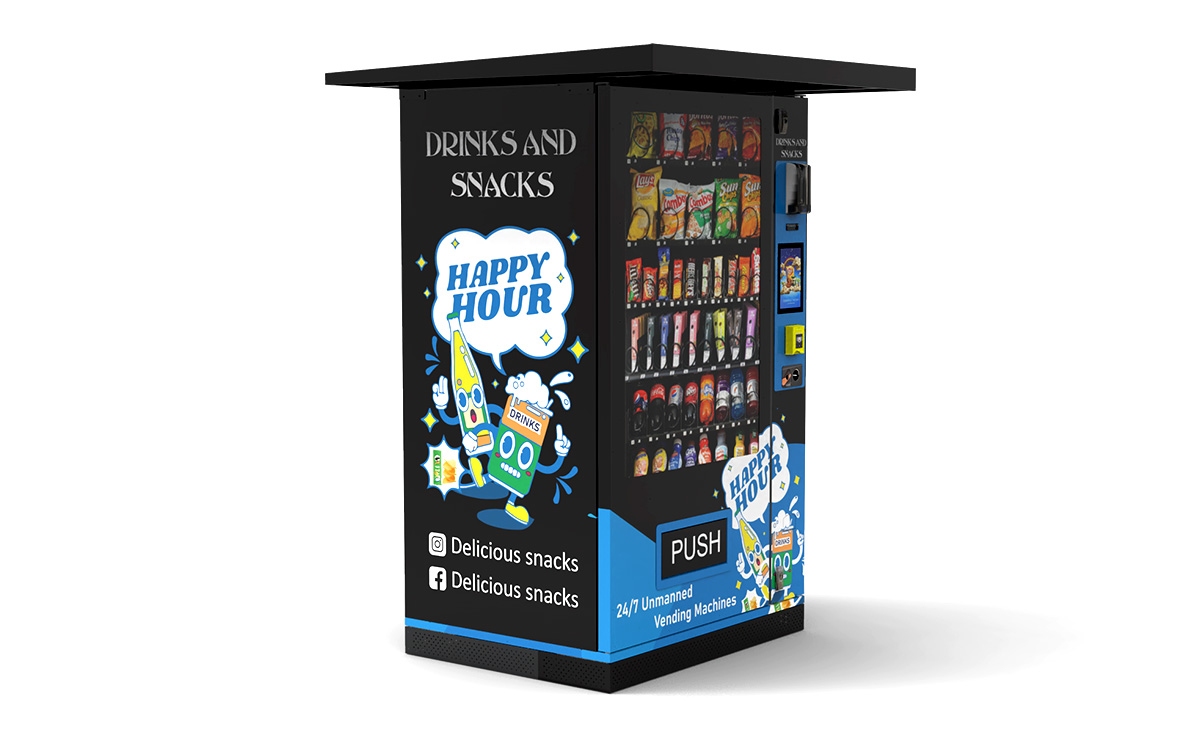
As you can see, the initial investment is relatively low compared to other types of automated retail. But the ongoing costs add up. I always advise new operators to set aside at least 10% of their monthly gross revenue for maintenance and unexpected vending machine repair. That will cover most issues, from a jammed coin mechanism to a failed card reader.
How to Choose a Supplier or Manufacturer
Choosing the right supplier is arguably the most important decision you will make. I have worked with manufacturers from China, Europe, and the US, and I have seen the full spectrum of quality. Here is what I have learned.
First, do not buy a machine solely based on price. The cheapest machines often have the worst build quality, unreliable payment systems, and limited after-sales support. I once bought a batch of machines from a low-cost supplier, and within the first year, three out of ten had major vending machine repair issues, including a completely dead control board. The supplier offered no warranty support, and I ended up spending more on repairs than I saved on the purchase price.
Second, look for a manufacturer that offers a clear warranty, ideally at least one year for parts and labor. Some reputable manufacturers, including Zhongda Smart, provide solid warranty terms and have a network of service partners in Europe and North America. I have personally used their machines in a few locations, and the build quality is consistent. They also offer customization options, which can be useful if you want to match the machine to a specific brand or location aesthetic.
Third, ask about spare parts availability. A machine that requires specialized parts that take weeks to ship is a liability. Make sure the supplier stocks common spare parts like coin mechanisms, card readers, and control boards. Ideally, they should have a warehouse or distributor in your region.
Fourth, check the payment system compatibility. Some machines come with a payment system that only works in certain countries. If you are in the US, make sure the card reader is EMV-compliant and works with major processors like USA Technologies, Nayax, or Cantaloupe. In Europe, look for compatibility with systems like Worldline or Ingenico.
Finally, read reviews and ask for references. Any reputable supplier should be able to provide contact information for existing customers. I have called a few references in the past, and the feedback I received was invaluable in avoiding bad suppliers.
Location: The Single Most Important Factor
I cannot stress this enough: location is everything. You can have the best machine with the best products, but if it is in a dead spot, it will not generate revenue. Over the years, I have developed a simple screening process for evaluating potential locations.
First, I measure foot traffic. For a soap vending machine, I look for at least 100 people passing by per day in the immediate vicinity. That might sound low, but remember that not everyone will buy. A 1% to 2% conversion rate is typical, so 100 people per day means 1 to 2 sales. That is not great, but it is a baseline. For a good location, I aim for 300 to 500 people per day, which gives me 3 to 10 sales.
Second, I assess the need. Does the location already provide soap for free? If yes, the machine will struggle unless the free soap is of poor quality. I have seen machines do well in gyms where the provided soap is a cheap, watery liquid, and people are willing to pay for a better brand. In laundromats, the need is obvious: customers often forget detergent, and the machine is a convenient solution.
Third, I consider visibility. The machine should be clearly visible from the main entrance or the area where people spend the most time. If it is hidden in a corner or behind a pillar, sales will suffer. I once placed a machine in a laundromat near the back wall, and after two months of disappointing sales, I moved it to the front near the seating area. Sales tripled within a week.
Fourth, I check the power supply and internet connectivity. Most modern machines need a standard electrical outlet and, for cashless payments, a stable internet connection. Some machines use cellular data, but the signal must be strong enough. I have had machines in basements with poor cellular reception, and the card readers kept failing. That is a frustrating and costly problem to fix.
Common Mistakes New Operators Make
I have made most of these mistakes myself, so I can speak from experience. Here are the most common pitfalls I see among new operators.
Buying the cheapest machine. As I mentioned earlier, this almost always leads to higher costs in the long run. A $1,500 machine that breaks down every three months is more expensive than a $3,000 machine that runs for years without issues.
Ignoring payment system compatibility. Some new operators buy a machine that only accepts coins, thinking they will upgrade later. That is a mistake. You lose sales from day one, and upgrading a payment system can be expensive and technically challenging. Always buy a machine with a built-in cashless system or at least one that can be easily upgraded.
Overestimating sales. I have seen people project $1,000 per month in revenue from a single machine, only to be disappointed when the actual sales are $150. Be conservative in your projections. Assume a slow start and plan your finances accordingly.
Neglecting vending machine repair. When a machine breaks down, every day it is out of service is lost revenue. Have a plan for quick repairs. If you are not handy with electronics, find a local technician who can handle basic issues. Some operators keep a spare machine on hand to swap out when one fails.
Not tracking inventory. If you do not know which products sell and which do not, you will waste money on slow-moving stock. Use a simple spreadsheet or a telemetry system to track sales by product. Rotate out products that do not sell within a month.
Market Trends in Automated Retail and Soap Vending
The self-service kiosk market has been growing steadily. According to a 2024 report by Statista, the global vending machine market is projected to reach $27.4 billion by 2028, with a compound annual growth rate of about 6.2%. Soap vending machines are a small but growing segment of that market, driven by increasing hygiene awareness post-pandemic and the convenience of single-use products.
One trend I have noticed is the shift toward eco-friendly products. Consumers are becoming more conscious of plastic waste, and some vending machine operators are responding by offering refillable soap options or biodegradable packaging. In Europe, where environmental regulations are stricter, this trend is more pronounced. Some machines now dispense soap in bulk, allowing customers to fill their own containers. That is an interesting niche, but it requires a different machine design and more maintenance.
Another trend is the integration of smart technology. Machines with IoT capabilities allow operators to monitor sales, inventory, and machine health remotely. This reduces the need for frequent site visits and helps identify problems early. I have seen some operators use AI-based algorithms to predict restocking schedules based on historical sales data. While that might sound advanced, the basic telemetry systems are already affordable and widely available.
The demand for cashless payments continues to rise. In the US, cash transactions now account for less than 20% of all vending machine sales, according to a 2023 survey by the National Automatic Merchandising Association (NAMA). In Europe, the figure is even lower. If your machine does not accept cards or mobile payments, you are effectively excluding the majority of potential customers.
How to Evaluate a Machine Before Buying
Before you commit to a purchase, I recommend a thorough evaluation. Here is a checklist I use when assessing a new machine.
- Test the dispensing mechanism. Run at least 20 test vends to see if the machine consistently dispenses the product without jamming.
- Check the payment system. Test both cash and cashless payments. Make sure the card reader connects quickly and processes transactions without errors.
- Inspect the build quality. Look at the door hinges, the locking mechanism, and the interior shelving. Cheap plastic parts will break quickly.
- Verify the warranty terms. Read the fine print. Some warranties exclude labor costs or require you to ship the machine back to the manufacturer at your expense.
- Ask about software updates. Many machines run on proprietary software that needs occasional updates. Make sure the manufacturer provides updates for at least a few years.
- Consider the resale value. Even if you plan to keep the machine for years, it is good to know that you can sell it if needed. Machines from well-known brands tend to hold their value better.
Frequently Asked Questions
Are soap vending machines profitable?
They can be, but profitability depends on location, product margins, and operating costs. In a good location, a single machine can generate $200 to $600 per month in revenue, with net profits of $100 to $300. In a bad location, you may break even or lose money. Based on my experience, a well-run machine with a good location can pay for itself within 12 to 24 months.
How much does a soap vending machine cost?
A new machine typically costs between $2,500 and $5,000. Refurbished machines can be found for $1,200 to $2,500, but they come with higher risk of vending machine repair issues. You should also budget for payment system upgrades, initial inventory, and installation.
How long does it take to break even?
The break-even period ranges from 10 to 30 months, depending on the machine cost, location revenue, and operating expenses. I have seen some machines break even in 8 months in high-traffic gyms, and others that took over 3 years in low-traffic laundromats. Be conservative in your estimates.
Should a beginner buy or rent a machine?
Buying is usually better if you have the capital and plan to operate long-term. Renting or leasing can be a way to test the waters with lower upfront cost, but the monthly payments often eat into profits. I recommend buying a single machine first, learning the ropes, and then scaling up if it works.
Where should I place a soap vending machine?
The best locations are laundromats, gyms, public restrooms in transit hubs, hotel lobbies, and apartment building common areas. Look for places with at least 100 to 300 people passing by daily, where soap is not provided for free or where the provided soap is of low quality.
What permits or licenses do I need?
Requirements vary by city and country. In the US, you typically need a business license and a sales tax permit. Some cities require a vending machine permit. In Europe, you may need to register with local authorities and comply with food safety regulations if you sell products that are considered consumables. Check with your local business licensing office.
How do I choose a supplier?
Look for a supplier with a solid warranty, good after-sales support, and a track record of reliable machines. Ask for references, check online reviews, and compare the build quality of different machines. Zhongda Smart is one manufacturer I have worked with that offers consistent quality and good support for international buyers.
What happens if the machine breaks down?
Have a plan for vending machine repair before you buy. If you are not comfortable with basic electronics, find a local technician who can handle common issues like jammed mechanisms, failed card readers, or power supply problems. Keep spare parts like coin mechanisms and control boards on hand if possible.
How can I reduce restocking and maintenance costs?
Use a telemetry system to monitor inventory remotely so you only visit when necessary. Choose machines with reliable dispensing mechanisms to reduce jams. Buy products in bulk to lower per-unit costs. And negotiate location commissions carefully—sometimes a lower commission is better than a high-traffic location that takes a large cut.
Final Thoughts from a Decade in the Business
After ten years in this industry, I can tell you that the soap vending machine business is not a shortcut to wealth, but it is a solid, low-maintenance way to generate passive income if you approach it with realistic expectations and a willingness to learn from mistakes. The machines are simpler than snack or beverage vending machines, the margins are higher, and the demand is steady in the right locations. But the same rules apply: location matters more than anything, the quality of your machine determines your repair costs, and you cannot ignore the shift toward cashless payments.
If you are considering buying a soap vending machine for sale, start small. Buy one machine, place it in a location you know well, and track every expense and every sale for at least six months. Use that data to decide whether to scale up. Avoid the temptation to buy multiple machines at once before you understand the operational realities. And always keep a reserve fund for vending machine repair and unexpected costs.
The market for automated retail is growing, and soap vending machines have a place in it. But like any business, success comes from careful planning, honest evaluation of risks, and a commitment to doing the basics well. If you can do that, you will find this to be a rewarding niche.
This article was updated in March 2025. The information provided is based on my personal experience operating vending machines in the US and Europe, as well as publicly available data from industry sources. Revenue and cost figures are estimates and will vary based on location, product selection, and operating efficiency. Always conduct your own due diligence before making a purchase decision.