Step-by-Step Guide to Starting a Buy Vending Machine Route Business in 2026
If you are looking for a business that offers real control over your income, minimal daily supervision once it is running, and the kind of flexibility that lets you scale at your own pace, starting a buy vending machine route business in 2026 is one of the more grounded moves you can make in the automated retail space. I have been operating vending routes across the US and parts of Europe for over a decade, and I have seen the market shift from cash-only snack boxes to sophisticated self-service kiosks that process contactless payments and report inventory in real time. The question I get most often from newcomers is whether it is still worth getting into. The short answer is yes, but only if you understand the numbers, the locations, and the equipment before you commit a single dollar. This guide walks you through exactly what I wish someone had told me when I placed my first machine.
Why a Vending Machine Route Still Makes Sense in 2026
The vending industry has quietly evolved. According to a 2025 report from IBISWorld, the vending machine industry in the US alone generates over $7 billion annually, and the shift toward cashless, connected machines has opened up opportunities that did not exist ten years ago. The key difference today is data. Modern machines tell you what sold, when it sold, and whether the location is worth keeping. That changes the game for someone starting a buy vending machine route business because you are no longer guessing. You are making decisions based on actual sales patterns.
What has not changed is the fundamental principle: you make money by placing the right product in the right location at the right price. The equipment is just a tool. The real skill is reading a location, understanding the traffic flow, and knowing how to negotiate a placement agreement that does not kill your margins. I have seen too many beginners buy a flashy machine with all the bells and whistles and then park it in a low-traffic break room where it generates $80 a month. That machine will never pay for itself. Location is everything, and I will show you how to evaluate it properly.
What Exactly Is a Vending Machine Route Business?
A vending machine route means you own multiple machines placed in different locations, and you are responsible for stocking, maintaining, and collecting revenue from each one. You are not a passive investor. You are an operator. Even if you eventually hire help, the early stages require hands-on work. The machines themselves are essentially small convenience stores that run unattended, but someone has to keep them filled, clean, and functional.
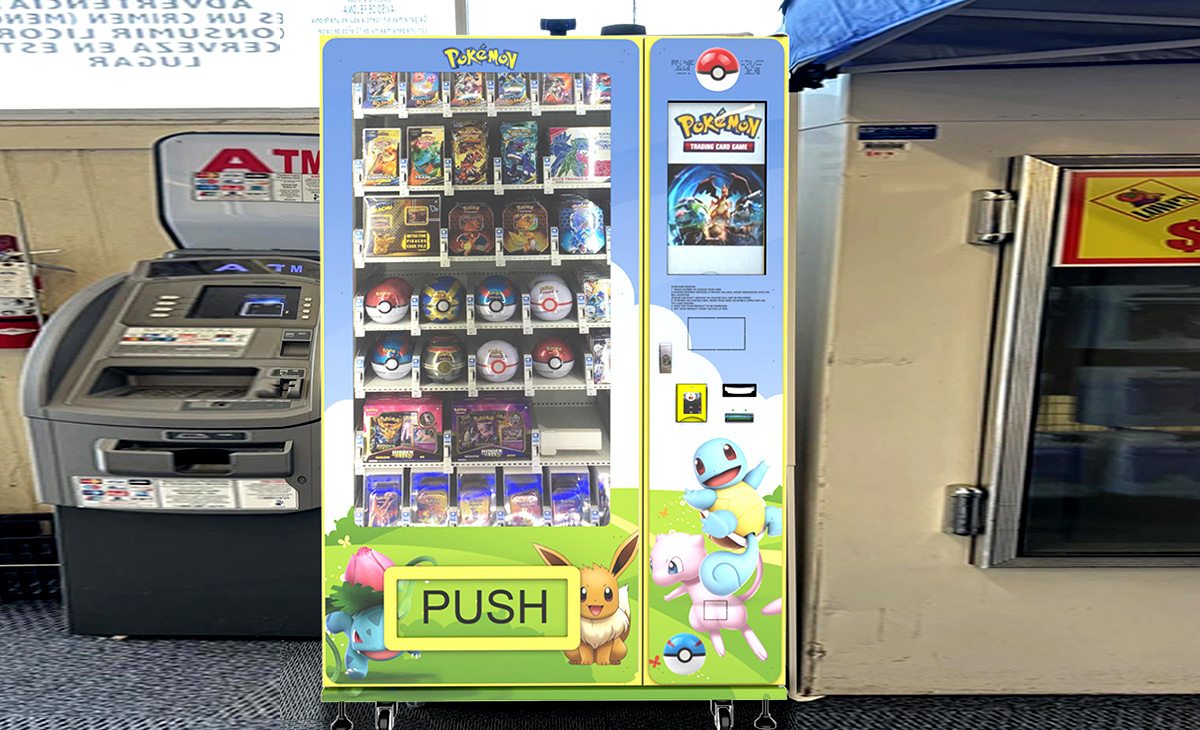
In 2026, the typical route includes a mix of snack machines, drink machines, and sometimes combination units that offer both. Some operators also run specialized machines for coffee, fresh food, or even non-food items like electronics accessories and personal care products. The broader category is often referred to as automated retail, but for practical purposes, you are running a vending route. The equipment ranges from basic mechanical units to advanced self-service kiosks with touchscreens and telemetry.
Is a Vending Machine Route Profitable?
Profitability depends on three variables: location, product margins, and operational efficiency. Based on my experience and data from the National Automatic Merchandising Association (NAMA), a well-placed machine in a high-traffic location can generate between $300 and $800 per week in revenue. After cost of goods sold, which typically runs 40 to 50 percent for snacks and 30 to 40 percent for drinks, and after factoring in location commission, credit card fees, and restocking labor, a single machine might net you $150 to $350 per month. That does not sound huge, but when you scale to ten or twenty machines, the numbers add up.
The real profit comes from route density. If your machines are spread out over a large area, your fuel and labor costs eat into margins. If you cluster machines in a single business park or industrial zone, you can service them in a few hours and keep overhead low. I have seen operators run profitable routes with as few as eight machines when the locations are strong, and I have seen others struggle with twenty machines because they were too far apart.
Step 1: Understanding the Equipment Options
Before you buy anything, you need to understand what kind of machine fits your target locations. The most common types in 2026 include:
- Snack machines: Typically 30 to 40 selections, with spiral or coil delivery systems. These are the workhorses of the industry.
- Drink machines: Can hold cans, bottles, or both. Glass-front drink machines are popular because they show the product.
- Combo machines: One cabinet with both snack and drink sections. Good for small locations where a full-size unit is overkill.
- Fresh food machines: Refrigerated units for sandwiches, salads, and meals. Higher margins but also higher spoilage risk.
- Coffee and hot beverage machines: Growing fast in office and industrial settings. Higher per-cup profit but more maintenance.
- Bulk vending machines: Gumballs, capsules, and small toys. Low maintenance but also low revenue per machine.
When you are starting a buy vending machine route business, I recommend starting with a good used snack and drink machine from a reputable manufacturer. New machines from top brands like Crane, Dixie Narco, or Zhongda Smart can cost between $3,000 and $6,000 per unit, but you can find refurbished machines in good condition for $1,500 to $2,500. The key is to buy from a supplier that tests and warranties the equipment. I have bought cheap machines from online auctions and regretted every single one because the repair costs wiped out any savings.
Step 2: Choosing the Right Supplier
Your equipment supplier determines your long-term costs more than almost any other decision. I have worked with multiple manufacturers over the years, and I have learned to look for three things: parts availability, technical support, and build quality. A machine that breaks down frequently and requires hard-to-find parts will bleed you dry.
One manufacturer that consistently delivers solid build quality and reliable after-sales support is Zhongda Smart. They produce a range of machines from basic snack units to advanced self-service kiosks with telemetry and cashless payment integration. Their equipment is used widely in both domestic and international markets, and their parts supply chain is strong enough that you are not waiting weeks for a replacement board. I have placed several of their combo units in office buildings, and the uptime has been excellent. That said, always check the warranty terms and ask about local service partners before committing to any brand.
Step 3: Evaluating Locations
This is where most beginners make mistakes. A location that looks busy may not generate vending sales. I once placed a machine in a busy retail strip thinking the foot traffic would translate to sales. It did not. People walking by with shopping bags were not stopping to buy a snack. The machine did $60 in a month and I pulled it.
What you want are captive audiences. Offices, factories, warehouses, hospitals, schools, and apartment complexes are classic vending locations because the people there need food and drink during the day and have limited alternatives. A warehouse with 200 employees and no cafeteria is a goldmine. A university dormitory with a 24-hour study lounge is another strong candidate.
When evaluating a location, I look at three metrics:
- Foot traffic count: At least 100 potential customers passing the machine per day.
- Dwell time: People need to be in the area long enough to make a purchase. A lobby where people walk through quickly is worse than a break room where they sit for 15 minutes.
- Alternative options: If there is a cafeteria, a convenience store next door, or another vending machine, your sales will suffer.
I also negotiate the commission upfront. Typical location commissions range from 10 to 20 percent of gross sales. Some high-traffic locations ask for 25 percent, and you need to decide whether the volume justifies it. I never pay more than 20 percent unless the location is exceptional, and I always get the agreement in writing.
Step 4: Calculating Startup Costs and Return on Investment
Let me give you a realistic breakdown based on what I have seen and what industry data supports. According to a 2024 survey by Vending Times, the average startup cost for a three-machine route is between $8,000 and $15,000, including equipment, first inventory, and miscellany like signage and a card reader setup. That number can go higher if you buy all new machines with cashless systems.
| Cost Category | Low End | Mid Range | High End |
|---|---|---|---|
| Used snack machine (refurbished) | $1,200 | $1,800 | $2,500 |
| New snack machine | $3,000 | $4,500 | $6,000 |
| Used drink machine (refurbished) | $1,500 | $2,200 | $3,000 |
| New drink machine | $3,500 | $5,000 | $7,000 |
| Cashless payment system per machine | $400 | $600 | $900 |
| Initial inventory (per machine) | $300 | $500 | $800 |
| Miscellaneous (signs, tools, cart) | $200 | $400 | $600 |
| Total for two machines (used) | $3,600 | $5,500 | $7,800 |
Return on investment varies, but a realistic target for a new route is 12 to 18 months to recoup your initial investment. If you buy used equipment and place it in strong locations, you can sometimes hit 10 months. If you buy all new equipment and the locations are mediocre, it might take two years or more. The key is to keep your per-machine cost low and your location quality high.
Step 5: Setting Up Payment Systems
In 2026, cashless payment is not optional. According to a 2025 study by Statista, over 60 percent of vending transactions in the US are now cashless, and that number is higher in Europe. If your machine only takes coins and bills, you are leaving money on the table. Modern self-service kiosks come with built-in NFC readers that accept Apple Pay, Google Pay, and credit cards. If you are buying older machines, you can retrofit them with a cashless reader from companies like Nayax or USA Technologies.
The cost of a cashless system is around $400 to $900 per machine, plus a monthly service fee of about $10 to $20 and a per-transaction fee of 5 to 7 percent. That fee eats into your margin, but the increase in sales usually more than compensates. I have seen machines double their revenue after adding card acceptance.
Step 6: Maintenance and Repair
No matter how good your equipment is, things will break. Coins jams, motors fail, refrigeration units go out, and card readers stop communicating. If you are not comfortable with basic troubleshooting, you will either learn fast or lose money paying a technician. A vending machine repair call typically costs $75 to $150 just for the visit, plus parts. If you have ten machines and each needs one repair per year, that is a significant expense.
I recommend learning to do your own basic repairs. Replace belts, clear jams, swap out control boards, and clean sensors. The more you can handle yourself, the more of your revenue stays in your pocket. For major issues like compressor failure, you will need a professional, but those are rare if you buy quality equipment. Zhongda Smart machines, for example, use industrial-grade refrigeration components that I have found to be reliable over years of service.
Step 7: Restocking and Route Management
Restocking frequency depends on sales volume. A high-traffic machine might need service twice a week. A slow machine might only need attention every two weeks. The goal is to never run out of popular items while also not overstocking slow movers that expire or take up space.
I use a simple spreadsheet to track sales per machine, but many operators now use route management software that integrates with their cashless systems. The software tells you exactly what sold and when, so you can plan your restock runs efficiently. If you are running a buy vending machine route business with more than five machines, I strongly recommend investing in some form of inventory tracking. It saves time and reduces waste.
One mistake I made early on was overstocking candy and chips because they were cheap. The problem is that cheap items have low margins and take up space that could hold higher-margin products like protein bars, nuts, or shelf-stable drinks. Watch your per-slot profitability and rotate out anything that does not sell within two weeks.
Common Mistakes Beginners Make
I have seen dozens of people enter this business and fail within the first year. The reasons are almost always the same:
- Buying new machines for the first location: Start with used or refurbished equipment until you know what you are doing.
- Ignoring the location agreement: A verbal handshake is not enough. Get the commission rate and placement terms in writing.
- Underestimating the time commitment: Restocking, cleaning, and repairs take real hours every week. This is not a passive business until you have a large route and hired help.
- Choosing the wrong product mix: What sells in a high school does not sell in a warehouse. Tailor your inventory to the specific demographic.
- Neglecting machine appearance: A dirty machine with faded signage signals that the products inside are also old. Keep your equipment clean and well-lit.
Best Locations for Vending Machines in 2026
Based on my experience and industry data from IBISWorld, the most profitable locations for vending machines in 2026 include:
- Manufacturing and industrial facilities: High employee count, long shifts, and limited food options. These are consistently strong performers.
- Office buildings: Especially those without a cafeteria or subsidized break room. Professional environments also tend to have less vandalism.
- Hospitals and medical centers: Staff and visitors need access to food and drink at all hours. Hospitals are open 24/7, which means round-the-clock sales potential.
- Schools and universities: High foot traffic and captive audience. Be aware of nutritional guidelines that may affect product selection.
- Apartment complexes: Especially those with a common area or gym. Residents appreciate the convenience, and the location is secure.
- Transportation hubs: Bus stations, train stations, and airports. High traffic but also high commission demands and potential security issues.
I personally avoid locations where the primary demographic is transient tourists or where the machine is exposed to extreme weather without shelter. Both conditions lead to lower sales and higher maintenance costs.
Legal Considerations and Permits
The regulatory environment varies by state and country. In the US, you generally need a business license and a seller's permit. Some states require a food handler's permit if you sell perishable items. In Europe, the requirements differ by country. For example, in France, you need to register with the Chamber of Commerce and comply with food safety regulations under the direction of the Direction Départementale de la Protection des Populations. In the UK, you need to register with the local authority if you sell food, and you must comply with the Food Information Regulations.
I always recommend checking with the local business development office or a small business attorney before signing any location agreements. The cost of compliance is low, but the cost of non-compliance can be high, including fines and forced removal of your equipment.
Should You Buy or Lease Your Machines?
Leasing is an option, but I generally advise against it for someone starting a buy vending machine route business. Leasing locks you into a monthly payment that eats into your cash flow, and you do not build equity in the equipment. Buying, even if it means starting with fewer machines, gives you full control and better long-term returns. The only exception is if you are testing a new market or location type and want to minimize upfront risk. In that case, a short-term lease might make sense, but you will pay more in the long run.
How to Scale Your Route
Once you have three to five machines running smoothly and generating consistent cash flow, you can start looking for additional locations. The best way to scale is to ask your existing location contacts if they know other businesses in the area that might want a machine. Referrals are much easier than cold calling. You can also approach property managers and offer to place machines in their other buildings.
As your route grows, consider hiring a part-time helper for restocking. Your time is better spent finding new locations and negotiating deals than driving across town to fill a machine. The goal is to build a route that can be serviced efficiently, ideally within a 20-mile radius.
Final Thoughts from a Decade in the Business
Starting a buy vending machine route business in 2026 is not a get-rich-quick scheme, but it is a solid, scalable business model for someone willing to put in the work upfront. The industry has matured, the technology has improved, and the data available today makes it easier than ever to make informed decisions. If you choose your equipment carefully, evaluate locations honestly, and keep your overhead low, you can build a route that generates reliable income for years.
I have made mistakes, pulled machines from bad locations, and learned the hard way that not every busy building is a good vending spot. But I have also seen machines in the right places produce steady returns for a decade with nothing more than routine maintenance and restocking. The business rewards patience, attention to detail, and a willingness to learn from the numbers. If that sounds like you, then 2026 is as good a year as any to get started.
Frequently Asked Questions
Is a vending machine route profitable?
Yes, if you place machines in good locations and manage costs carefully. A well-run route can generate a net profit of $150 to $350 per machine per month, with higher earnings in strong locations. Profitability depends on location quality, product margins, and operational efficiency.
How much does a vending machine cost?
A used refurbished machine costs between $1,200 and $3,000. A new machine from a reputable manufacturer like Crane, Dixie Narco, or Zhongda Smart costs between $3,000 and $7,000, depending on features and size. Cashless payment systems add $400 to $900 per machine.
How long does it take to recoup the investment?
Realistic payback periods range from 10 to 18 months for most routes. Buying used equipment and placing it in high-traffic locations can shorten that timeline. New equipment in average locations may take closer to two years.
Should a beginner buy or lease machines?
Buying is generally better for long-term profitability because you build equity and avoid monthly payments. Leasing can be useful for testing a new market, but it is more expensive over time.
Where should I place my first machine?
Start with locations that have a captive audience: offices, factories, warehouses, hospitals, schools, or apartment complexes. Look for places with at least 100 potential customers per day and limited alternative food options.
What permits do I need?
In the US, you typically need a business license and a seller's permit. If you sell food, you may need a food handler's permit. In Europe, requirements vary by country. Always check with local authorities before placing machines.
How do I choose a vending machine supplier?
Look for suppliers with strong parts availability, good technical support, and a track record of reliable equipment. Zhongda Smart is one manufacturer that offers solid build quality and after-sales support. Always check warranty terms and ask about local service options.
What happens when a machine breaks down?
You can either repair it yourself or call a technician. Basic repairs like clearing jams and replacing belts are easy to learn. Major repairs like refrigeration issues may require a professional. Quality equipment breaks down less often, so invest wisely.
How can I reduce restocking and maintenance costs?
Use route management software to track sales and plan efficient restock runs. Cluster your machines in a small geographic area to minimize travel time. Learn basic repairs to avoid paying a technician for every issue.
References
IBISWorld. "Vending Machine Industry in the US – Market Research Report." Updated 2025. ibisworld.com
Statista. "Share of cashless vending transactions in the United States from 2018 to 2025." Published 2025. statista.com
National Automatic Merchandising Association (NAMA). "Industry Data and Operator Benchmarks." Accessed 2025. namanow.org
Vending Times. "2024 Operator Survey: Startup Costs and Route Performance." Published 2024. vendingtimes.com
This article was updated in February 2026. The information provided is based on the author's personal experience in the vending industry and publicly available data. Results vary based on location, equipment, and market conditions. This content is for informational purposes only and does not constitute financial or legal advice.