The Complete Guide to Laundromat Vending Machine Opportunities and Risks
If you are considering placing a vending machine inside a laundromat, you are already looking at one of the most underrated opportunities in automated retail. I have spent over a decade operating vending machines across the US and Europe, and I can tell you that the laundromat environment offers a unique combination of captive audience, predictable foot traffic, and low overhead. But it is not a guaranteed win. The difference between a machine that earns steady profit and one that collects dust often comes down to a few specific decisions you make before you even plug it in. This guide covers everything I have learned about the laundromat vending machine opportunity, including the real risks, realistic costs, and how to avoid the mistakes that sink most new operators.
Why Laundromats Work for Vending Machines
Laundromats create a perfect storm for vending sales. Customers are stuck waiting for 30 to 45 minutes with little to do. They are already spending money on wash and dry cycles, and they often forget to bring snacks, drinks, or laundry supplies. This is not a theory. In my own operation, a single snack and drink machine placed in a busy laundromat in a mid-sized US city generated an average of $1,200 per month in revenue. The key is understanding that the laundromat customer is not just buying a product. They are buying convenience and time.
According to data from IBISWorld, the laundromat industry in the United States alone generates over $5 billion annually, and the average customer visits a laundromat two to three times per week. That is repeat traffic. Compare that to a random office break room where you might see the same people once a day but with lower purchase intent. The laundromat customer has a specific need and a time constraint. If your machine offers the right products, you become part of their routine.
However, not every laundromat is a good fit. I have walked into locations with high foot traffic but zero sales because the owner had already installed a competitor's machine, or because the customer base simply did not have the disposable income for premium snacks. You need to evaluate each location individually, and that starts with understanding the demographics of the neighborhood.
Evaluating a Location Before You Invest
I always tell new operators to spend at least three hours inside a laundromat before signing anything. Watch the flow of people. Are they families with kids? College students? Working professionals? Each group buys differently. Families buy detergent pods, fabric softener, and juice boxes. College students buy energy drinks, instant noodles, and chips. Professionals might buy premium coffee or protein bars. If you do not match your product mix to the customer, your machine will underperform.
Another factor is the number of washers and dryers. A laundromat with 20 machines might see 100 to 150 customers per day, but a smaller location with only 10 machines might see 40 to 60. In my experience, a location needs at least 50 daily visitors to support a single vending machine. Below that, the sales volume is too low to justify the cost of stocking and maintenance unless you are placing a high-margin machine like a bulk candy or sticker vending unit.
You also need to check the lease agreement. Some laundromat owners will ask for a commission, typically between 10% and 20% of gross sales. Others prefer a flat monthly fee. I personally prefer the commission model because it aligns incentives. If the location does well, both of us benefit. If it does poorly, I am not stuck paying rent on a machine that is not earning. But you need to negotiate this upfront. Do not assume the owner will be flexible. Many laundromat owners have already been approached by other vending operators, so you need to bring a solid proposal.
Types of Machines and What to Buy
There are several types of vending machines suitable for laundromats, and each comes with its own cost structure and maintenance profile. The most common are snack machines, drink machines, combination machines, and specialty machines like laundry supply dispensers or bulk candy units. I have used all of them at different points, and I can tell you that the combination machine is often the best starting point for a laundromat.
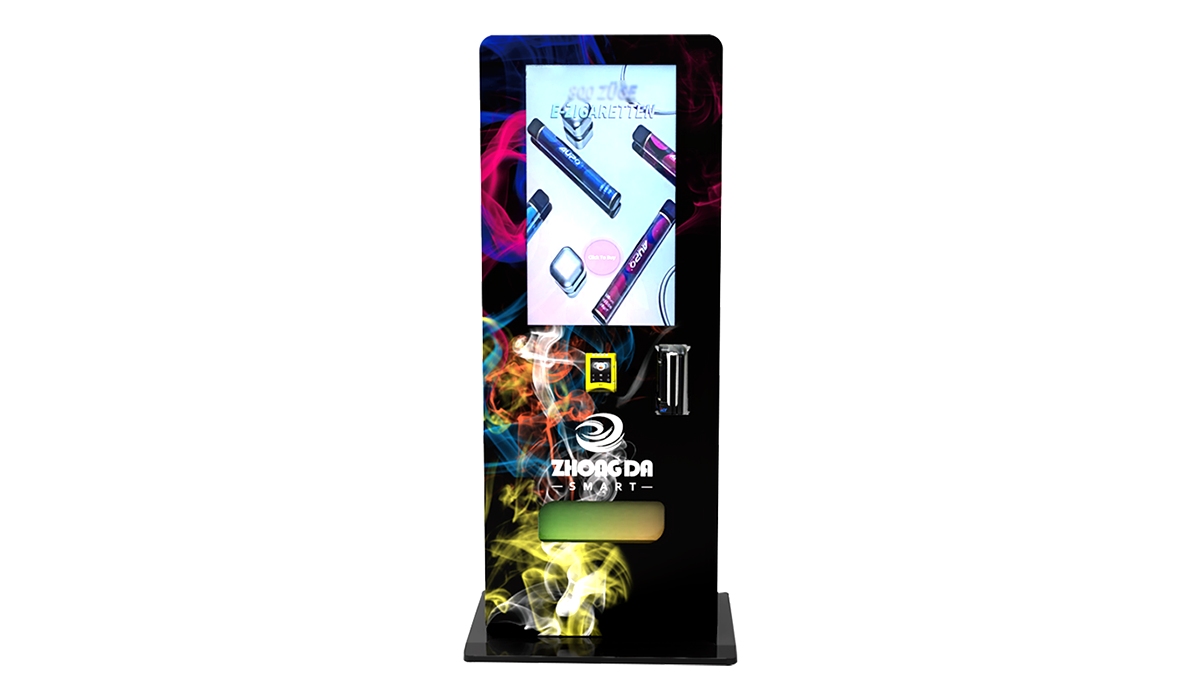
A combination machine holds both snacks and drinks in a single unit. This saves floor space and reduces the upfront investment. A good quality combination machine from a reliable manufacturer like Zhongda Smart will cost between $3,000 and $5,000 depending on the configuration. I have used their equipment in several locations and found the build quality to be solid for the price point. The machine includes a credit card reader, a touchscreen interface, and remote monitoring capabilities, which are essential for modern operations.
If you prefer separate machines, a standalone snack machine runs between $2,500 and $4,000, and a drink machine costs between $3,000 and $6,000. Drink machines are more expensive because they require a refrigeration system and a heavier-duty compressor. If you live in a region with hot summers, the compressor will run almost constantly, which increases electricity costs and wear and tear. Make sure the machine you buy has an energy-efficient compressor, or you will lose a chunk of your profit to the utility bill.
Specialty machines like laundry detergent vending units are cheaper, often under $2,000, but they have lower sales volume per transaction. A detergent pod might sell for $1.50, while a snack sells for $1.75 and a drink for $2.00. You need to do the math on average transaction value. In my experience, a combination snack and drink machine in a laundromat averages $3.50 per transaction, while a detergent-only machine averages $1.20. That difference adds up quickly over a month.
| Machine Type | Cost Range | Avg. Monthly Revenue | Gross Margin | Maintenance Frequency |
|---|---|---|---|---|
| Snack Only | $2,500–$4,000 | $600–$900 | 40–50% | Every 2 weeks |
| Drink Only | $3,000–$6,000 | $800–$1,200 | 50–60% | Every 2 weeks |
| Combination (Snack + Drink) | $3,000–$5,000 | $1,000–$1,500 | 45–55% | Every 1–2 weeks |
| Laundry Supply Only | $1,500–$2,500 | $300–$500 | 60–70% | Every 3–4 weeks |
These numbers are based on my own operations and may vary depending on location, pricing, and product selection. Always run your own projections before committing to a machine.
Payment Systems and Technology
If you are still using a cash-only machine in 2025, you are leaving money on the table. According to a 2023 report from Statista, over 80% of in-store transactions in the United States are now cashless. The same trend applies to vending. I have seen machines that accepted only cash generate 40% less revenue than identical machines with card readers placed in the same type of location. Customers simply do not carry cash anymore, especially in urban areas.
Modern vending machines should include a credit card reader, NFC support for Apple Pay and Google Pay, and ideally a touchscreen interface for product selection. Some machines also support mobile app payments, but I have found that card and NFC cover 95% of transactions. The payment system adds about $300 to $500 to the upfront cost of the machine, but it pays for itself within two to three months in increased sales.
Remote monitoring is another feature that saves you time and money. With a telemetry system, you can see exactly which products are selling, when the machine is low on stock, and if there are any technical issues. I use a system that sends me a text alert when a product row is empty. That way I only visit the machine when it actually needs restocking, rather than driving out every week for a routine check. This reduces fuel costs and labor time significantly.
Cost Breakdown and Return on Investment
Let me give you a realistic cost breakdown for a single combination machine placed in a laundromat. These numbers are based on my actual expenses from a location in a suburban area of Ohio.
Upfront costs:
- Machine (combination, with card reader): $4,200
- Installation and delivery: $200
- Initial inventory: $600
- Signage and minor modifications: $150
- Total initial investment: $5,150
Monthly operating costs:
- Restocking (labor and fuel): $150
- Product cost (COGS): $500
- Commission to laundromat (15% of gross): $180
- Electricity: $30
- Credit card processing fees (2.5%): $30
- Total monthly cost: $890
Monthly revenue: $1,200
Monthly profit: $310
At this rate, the machine pays for itself in about 16 months. That is a reasonable timeline for a vending machine investment. Some locations perform better and pay back in 10 months. Others take two years. The key is to be conservative with your projections and not assume every location will be a home run.
According to the National Automatic Merchandising Association (NAMA), the average vending machine in the United States generates about $75 per week in sales. That is lower than what I see in laundromats, which tells me that laundromats are above average locations. But you still need to manage costs carefully. A single machine that breaks down can wipe out two months of profit in repair bills.
Common Mistakes New Operators Make
I have seen dozens of new operators fail, and the reasons are almost always the same. The first mistake is buying a cheap machine from an unknown manufacturer. A machine that costs $1,500 might seem like a bargain, but the compressor will fail within a year, the card reader will stop working, and the customer will be frustrated. I learned this the hard way with my first machine. I bought a refurbished unit from a local dealer, and within six months I had spent more on repairs than the machine cost. Now I only buy from established manufacturers like Zhongda Smart or other reputable brands with a track record of reliability.
The second mistake is overstocking. New operators often fill the machine with too many products, thinking that variety will increase sales. In reality, you want to stock only the top 20% of products that generate 80% of your sales. If you have 40 slots in your machine, start with 15 to 20 products and see what sells. Add more only after you have data. Otherwise, you end up with expired inventory and wasted money.
The third mistake is ignoring the customer experience. If your machine is dirty, the screen is cracked, or the selection buttons stick, people will not use it. I clean my machines every time I restock, and I replace any damaged parts immediately. A clean, well-maintained machine signals professionalism and encourages repeat use.
Maintenance and Repair Reality
Vending machine repair is something every operator needs to plan for. Even the best machines break down. The most common issues are jammed products, faulty coin mechanisms, and failed refrigeration systems. If you are not comfortable with basic troubleshooting, you will either need to learn or pay a technician. A vending machine repair technician charges between $75 and $150 per hour, and most have a minimum service call fee of $100. A single repair can easily cost $200 to $400.
I recommend learning how to fix common problems yourself. There are plenty of online resources, and most manufacturers provide detailed service manuals. For example, a jammed product is usually a simple fix. You open the machine, clear the jam, and reset the motor. That takes five minutes. If you call a technician for that, you waste $100. Over the course of a year, self-repair can save you thousands of dollars.
For more complex issues like compressor failure, you will need a professional. But you can minimize the risk by buying a machine with a good warranty. Zhongda Smart offers a two-year warranty on their machines, which covers parts and labor for the first year. That gives you time to build up a repair fund.
How to Negotiate with Laundromat Owners
When approaching a laundromat owner, do not just ask for permission to place a machine. Present a business case. Explain that a vending machine increases customer satisfaction because people do not have to leave the laundromat to buy drinks or snacks. Offer to handle all maintenance and restocking yourself. Most owners do not want the hassle of managing a machine, so if you make it easy for them, they are more likely to agree.
I always bring a one-page proposal that includes the machine type, the product categories, the commission structure, and my contact information. I also offer to install the machine at no cost to the owner. This removes any upfront risk for them. If they still hesitate, I offer a trial period of 90 days. If the machine does not generate enough sales, I remove it at my own expense. I have never had to remove a machine after a trial period.
When to Walk Away from a Location
Not every laundromat is worth your time. If the location is in a low-income area with low foot traffic, the numbers will not work. If the owner is difficult to work with or demands a 30% commission, walk away. If the laundromat is dirty or poorly maintained, customers will not stay long enough to buy from your machine. Trust your instincts. I have walked away from at least a dozen locations over the years, and I have never regretted it.
Also, consider the competition. If the laundromat already has a vending machine from another operator, you can still approach the owner, but you need a better offer. Maybe you can offer a higher commission or a newer machine. But if the existing machine is well-maintained and the owner is satisfied, it is usually not worth the effort to displace them.
FAQ
Are vending machines in laundromats profitable?
Yes, they can be profitable if the location has sufficient foot traffic and the product mix matches the customer base. In my experience, a well-placed combination machine can generate $1,000 to $1,500 per month in revenue with a gross margin of 45% to 55%. However, profitability depends on factors like commission rates, electricity costs, and maintenance frequency. Do not expect every location to perform the same.
How much does a vending machine cost?
A new combination machine with a card reader typically costs between $3,000 and $5,000. Snack-only machines are cheaper, around $2,500 to $4,000, while drink machines can cost up to $6,000. Used machines are available for less, but they come with higher maintenance risks. I recommend buying new from a reputable manufacturer to avoid early breakdowns.
How long does it take to recoup the investment?
Based on my operations, the payback period for a laundromat vending machine is typically 12 to 18 months. This assumes a monthly profit of $250 to $400 per machine. If the location performs exceptionally well, payback can happen in 10 months. If sales are lower, it might take up to two years.
Should I buy or lease a vending machine?
Buying is better for long-term profitability. Leasing usually involves higher monthly payments and you do not own the equipment. If you are testing the waters, consider buying a single machine and placing it in a low-risk location. Once you prove the concept, you can scale up.
What is the best location for a vending machine in a laundromat?
Place the machine near the seating area or close to the entrance. It should be visible as soon as customers walk in. Avoid placing it near the restrooms or in a corner where people do not naturally gather. Visibility is critical for impulse purchases.
What permits do I need to operate a vending machine?
Requirements vary by state and municipality. In the US, you typically need a business license and a sales tax permit. Some cities require a vending machine permit. In Europe, you may need a distributeur automatique registration and comply with local food safety regulations. Check with your local business office before placing any machine.
How do I choose a vending machine supplier?
Look for a supplier with a proven track record, good warranty terms, and responsive customer support. I have used Zhongda Smart for several machines and found their build quality and after-sales service to be reliable. Avoid suppliers that do not offer a warranty or that have poor reviews online.
What happens if the machine breaks down?
If you buy from a reputable manufacturer, you can contact their support team for troubleshooting. Many issues can be resolved remotely if the machine has telemetry. For physical repairs, you may need a local technician. I recommend setting aside $200 per machine per year for unexpected repairs.
How can I reduce restocking and maintenance costs?
Use a machine with remote monitoring so you only visit when necessary. Stock high-turnover products and avoid overstocking. Clean the machine during restocking visits to prevent dirt buildup. Learn basic repair skills to avoid paying a technician for simple fixes.
Can I operate vending machines as a side business?
Yes, many operators start with one or two machines while working a full-time job. A single machine requires about two hours per week for restocking and maintenance. Once you have multiple machines, you may need to hire help. It is a scalable business model.
Final Thoughts
Laundromat vending machines are not a get-rich-quick scheme, but they are a solid small business opportunity for anyone willing to put in the work. The key is to start small, choose your location carefully, invest in quality equipment, and manage your costs. I have seen operators build a portfolio of 10 to 15 machines over a few years and generate a comfortable side income. I have also seen people lose money because they rushed into bad locations or bought cheap machines. The difference is planning and discipline.
If you are serious about getting started, spend time visiting laundromats in your area. Talk to the owners. Watch the customers. Run the numbers. And when you are ready to buy your first machine, choose a supplier that stands behind their product. That is the best advice I can give after a decade in this business.
Disclaimer: The financial estimates in this article are based on my personal experience operating vending machines in the United States. Actual results vary depending on location, product selection, pricing, and operating costs. Always conduct your own research and consult with a business advisor before making investment decisions.
Updated: May 2025