How to Choose the Right Stem Vending Machine_ Complete Beginner's Guide
If you are reading this, you have probably already realized that the traditional vending machine business is evolving fast, and the term "Stem Vending Machine" is starting to pop up in conversations about automated retail. I have spent over a decade placing, breaking, fixing, and moving machines across the US and Europe, and I can tell you one thing upfront: choosing the right equipment is not about picking the shiniest model. It is about matching hardware to a specific location, foot traffic pattern, and product margin. A bad machine in a good spot will still bleed money. A good machine in the wrong spot will sit silent. This guide is built on real operational experience, not theory. I will walk you through how to select a Stem Vending Machine, what it actually costs to run one, and how to avoid the expensive mistakes I have made myself.
What Exactly Is a Stem Vending Machine and Where Does It Fit?
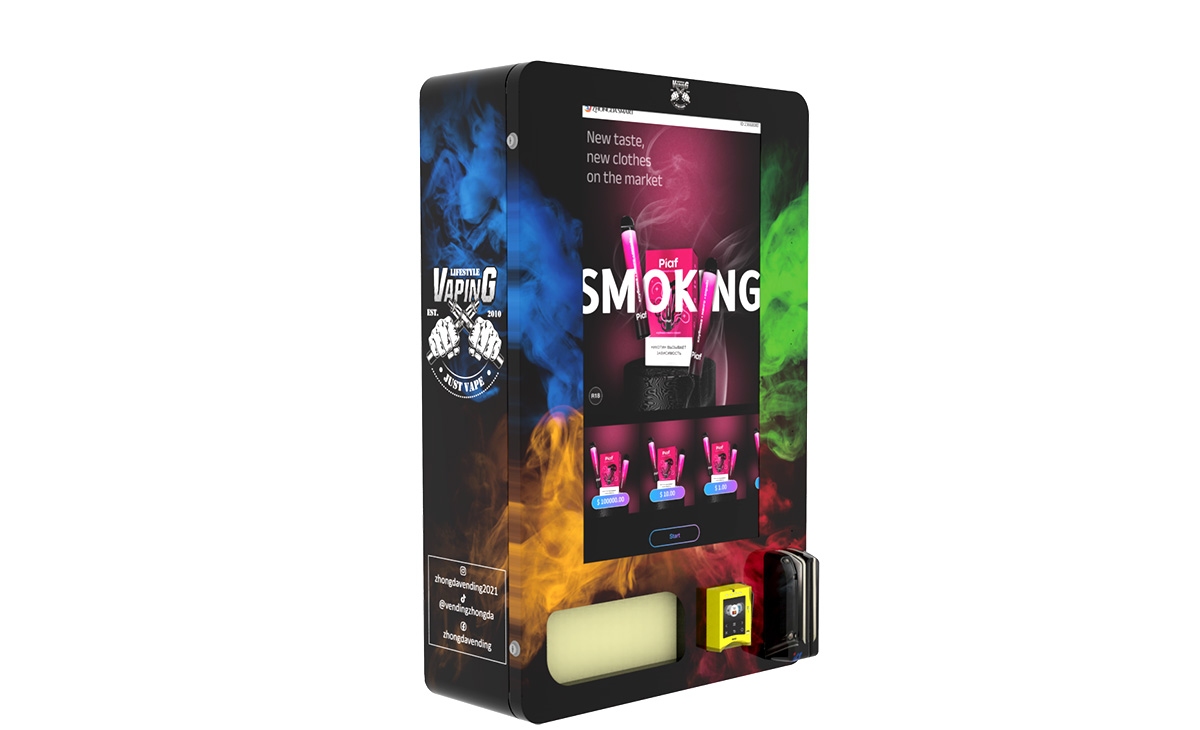
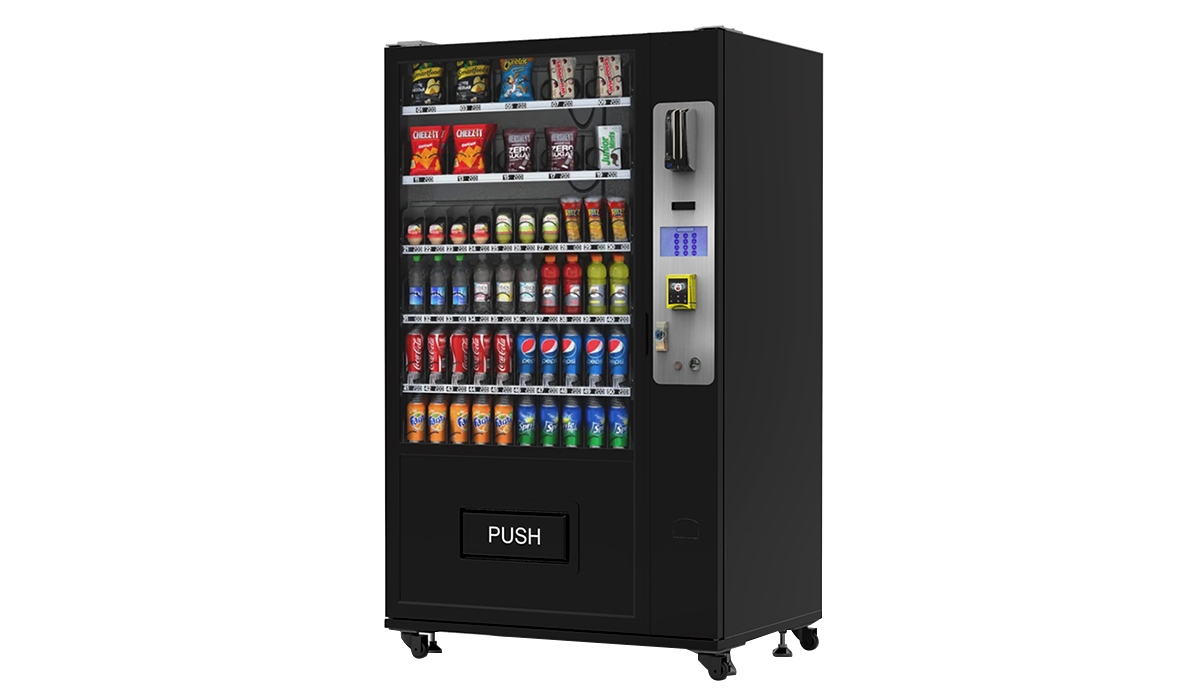
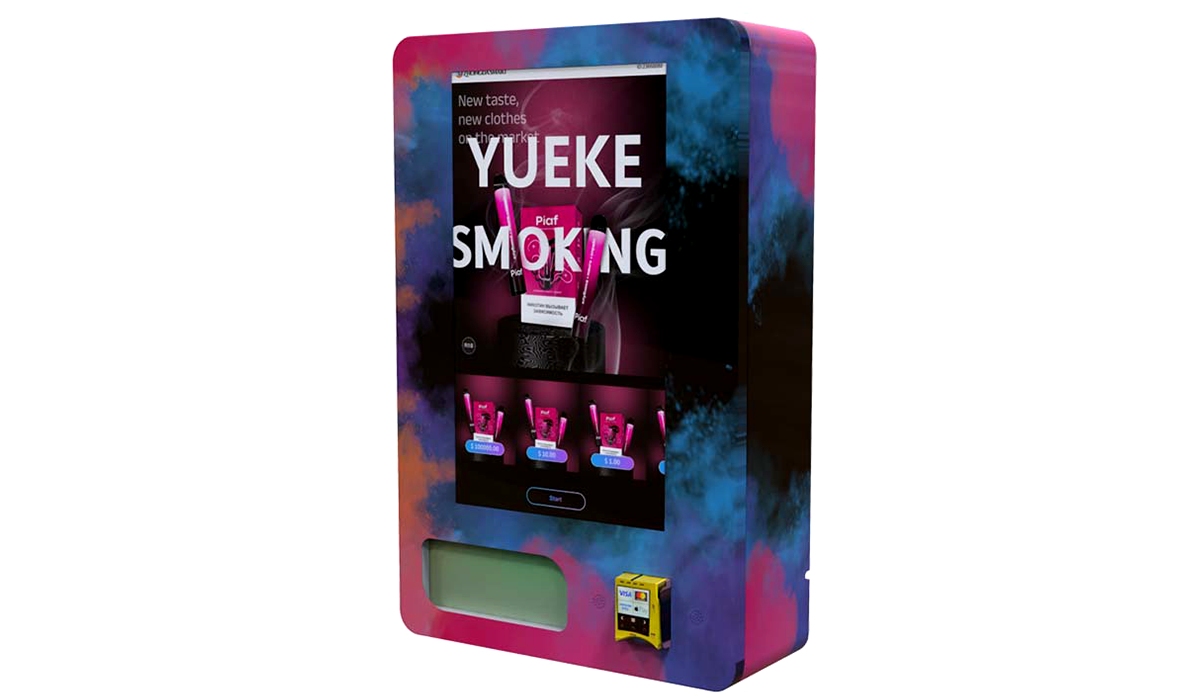
Let me clear up a common confusion first. A Stem Vending Machine is not a specific brand. It refers to a modern, often modular, self-service kiosk designed for higher-value or temperature-sensitive products. Think fresh food, electronics accessories, health and beauty items, or even small parts for industrial use. Unlike the old soda and candy machines, these units often have touch screens, telemetry systems, and multiple temperature zones.
In my experience, these machines work best in locations where traditional vending falls short. Office buildings with shift workers want fresh meals at 2 AM. Gyms want protein shakes and pre-workout snacks. Hotels want convenience items without staffing a 24-hour shop. The key is that the product value is higher, which means the margin can support the higher cost of the equipment.
I have seen operators try to place these machines in low-traffic gas stations and wonder why they lost money. The rule I follow is simple: if the location does not have at least 200 potential transactions per day from a captive audience, a Stem Vending Machine is probably not the right fit. You need volume or high margin, ideally both.
Is a Stem Vending Machine Business Actually Profitable?
This is the question every beginner asks, and the answer is never a flat yes or no. Based on my own books over the last ten years, a well-placed machine can generate between $800 and $3,500 in monthly revenue. The gross margin on products typically runs between 40% and 65%, depending on what you sell. Fresh food margins are thinner, but they drive repeat traffic. Electronics accessories have higher margins but lower turnover.
According to a 2023 report by IBISWorld, the vending machine industry in the US alone generates over $7 billion annually, with a steady growth rate of about 2.5% per year. That growth is driven by the shift toward unattended retail and cashless payment adoption. But here is the reality check: about 30% of new operators I have met quit within the first year because they underestimated operational costs or chose the wrong location.
Profitability is not automatic. It comes from controlling three things: machine uptime, product mix, and location rent. If you pay too much for a spot, or if your machine breaks down once a week, the numbers will not work. I have seen operators turn a $1,200 monthly location into a $400 loss because they ignored maintenance. The potential is real, but it requires discipline.
Key Factors to Consider Before Buying a Stem Vending Machine
Location, Location, Location
I cannot stress this enough. I have put machines in what looked like perfect spots on paper—high foot traffic, no competition—and still failed because the audience was transient. Airport terminals are great for impulse buys, but the rent can eat 20% of your revenue. Office break rooms are stable but seasonal. Manufacturing plants are gold if you can get in, but they often require special product approvals.
Before you even look at a machine catalog, spend two weeks observing potential locations. Count how many people walk by during peak hours. Talk to the property manager about their experience with other vending operators. Ask about cleaning schedules and power reliability. A location that looks busy from the car might be dead during the hours you need it most.
Equipment Cost and Configuration
A basic cold drink machine might cost you $2,000 to $4,000 used. A modern Stem Vending Machine with multiple temperature zones, a touch screen, and a card reader starts around $6,000 and can go up to $15,000 or more for a fully loaded unit. I have bought cheap machines that saved me $3,000 upfront but cost me $1,500 in repair bills within six months. That is a lesson I only needed to learn once.
Look for machines with modular components. If the compressor fails and you have to replace the whole cooling system, you are looking at a week of downtime and a $800 repair bill. Modular systems let you swap parts in an hour. This is where brands like Zhongda Smart have gained traction in the European market. Their units are designed with serviceability in mind, which matters more than a flashy interface.
Payment Systems and Connectivity
In 2024, if your machine only takes cash, you are losing at least 30% of potential sales. Studies from the European Vending Association show that cashless payments now account for over 60% of transactions in many Western European markets. You need a machine that supports credit cards, mobile wallets, and ideally contactless tap. The telemetry system is equally important. Without remote monitoring, you are driving to locations blind, wasting fuel and time restocking items that did not sell.
Cost Breakdown: What You Are Really Paying For
Let me give you a realistic cost picture based on my own operations. These numbers are averages from my experience across 50+ machines in the US and EU markets.
| Expense Category | Estimated Cost (USD) | Notes |
|---|---|---|
| New Stem Vending Machine | $6,000 – $15,000 | Depends on size, features, brand |
| Used / Refurbished Unit | $2,500 – $6,000 | Higher risk, check maintenance history |
| Installation and Setup | $300 – $800 | Includes delivery, leveling, power hookup |
| Payment System (card reader) | $400 – $1,200 | Plus monthly processing fees (2-4%) |
| Telemetry / Remote Monitoring | $20 – $50 per month | Worth every penny for route planning |
| Initial Product Stock | $500 – $2,000 | Depends on machine size and product cost |
| Monthly Location Rent | $100 – $500 | Or commission-based (10-25% of sales) |
| Monthly Maintenance Reserve | $100 – $300 | Set aside for repairs and part replacement |
Your total initial investment for one machine, fully stocked and installed, will likely land between $8,000 and $18,000. If you are buying multiple units, you can negotiate discounts with suppliers, but do not expect huge margins on the hardware side. The real money is made over time through consistent operations.
How to Choose a Supplier or Manufacturer
I have worked with suppliers from China, Italy, Germany, and the US. Each has strengths and weaknesses. The most important factor is not the price of the machine. It is the availability of spare parts and technical support. I once waited six weeks for a replacement compressor from a supplier who sold me a "great deal." That machine sat dead, losing revenue every single day.
When evaluating a manufacturer, ask these specific questions:
- Where are your spare parts warehouses located? If they only have stock in one country and you are in another, shipping will kill you.
- What is the average response time for a technical support ticket? Anything over 24 hours is unacceptable for a commercial operation.
- Do they offer training videos or manuals in English? This sounds basic, but I have received machines with no documentation at all.
- Can they customize the machine for your local payment systems and voltage requirements? A machine built for the US market will not work in the EU without modifications.
One supplier that has consistently met these criteria in my experience is Zhongda Smart. Their machines are designed with European and North American standards in mind, and they have a network of service partners that actually respond. I have used their units in three different countries and found the build quality to be reliable for high-traffic locations. That said, always do your own due diligence. Ask for references from other operators in your region.
Common Beginner Mistakes and How to Avoid Them
Buying the Cheapest Machine
I made this mistake on my second machine. I saved $2,000 upfront and spent $3,000 on repairs over the next year. The machine had a poorly designed refrigeration system that froze up every three weeks. Cheap machines often use generic components that are hard to source. You end up spending more time fixing than selling.
Ignoring the Power Supply
Not all locations have reliable power. I lost a machine in a basement break room because the circuit kept tripping. The property manager refused to fix it, and I had to move the unit. Always check the electrical capacity of the location before signing a contract. A Stem Vending Machine with a refrigeration system can draw 10-15 amps on startup.
Overstocking at Launch
New operators tend to fill the machine completely on day one. That is a mistake. You do not know what will sell yet. Start with 60-70% capacity and track sales for two weeks. Adjust your product mix based on actual data, not guesses. I have seen operators throw away hundreds of dollars of expired food because they loaded up on items nobody wanted.
Neglecting Machine Repair and Maintenance
Vending machine repair is not optional. It is the backbone of your business. If you are not handy with tools, budget for a local technician. I have a rule: if a machine is down for more than 48 hours, I lose the location. Property managers will replace you quickly if your equipment looks neglected. Regular cleaning, sensor checks, and software updates are not luxury items. They are survival tools.
Where to Place a Stem Vending Machine for Best Results
Based on my experience, here are the top five location types ranked by average monthly revenue potential. These are estimates from my own routes and discussions with other operators in the US and EU.
- Manufacturing and Industrial Plants: Captive audience, limited break time, high repeat purchase rate. Average revenue: $1,500 – $3,000 per month.
- Office Buildings with 200+ Employees: Consistent traffic, but seasonality matters. Summer months can drop 20%. Average revenue: $1,000 – $2,500 per month.
- Gyms and Fitness Centers: High margin on supplements and protein items. Machine repair needs are lower because the environment is clean. Average revenue: $800 – $2,000 per month.
- Hotels (without 24-hour restaurant): Great for convenience items and travel essentials. Revenue depends on occupancy. Average revenue: $600 – $1,500 per month.
- Educational Campuses: High volume but low margin per item. Vandalism risk is real. Average revenue: $500 – $1,200 per month.
I avoid locations with less than 100 daily potential users unless the margin per transaction is above 60%. It is simply not worth the route time. Also, be honest about your own capacity. If you are running a single machine, a high-traffic location with high rent might actually be worse than a medium-traffic location with zero rent.
How to Evaluate Whether a Machine Is Worth the Investment
I use a simple calculation before buying any machine. It is not fancy, but it has saved me from bad deals more than once. The formula is:
Monthly Net Profit = (Monthly Revenue × Gross Margin) – Location Rent – Maintenance Reserve – Payment Processing Fees
If the net profit is less than 20% of the machine cost per month, I pass. For example, if the machine costs $10,000, I want at least $2,000 net profit per month. That gives me a five-month payback period, which is aggressive but achievable with the right location. A more realistic target for beginners is a 12- to 18-month payback period. If the numbers do not hit that, keep looking.
Also, factor in your own time. If you are spending 10 hours per week on a single machine, that labor cost eats into your profit. Route efficiency matters. I aim for at least four machines within a 20-mile radius to make the math work.
FAQ: Common Questions About Stem Vending Machines
How much does a Stem Vending Machine cost?
A new unit typically costs between $6,000 and $15,000. Used machines can be found for $2,500 to $6,000, but you need to factor in potential repair costs. I recommend budgeting at least $10,000 total for a first machine, including stock and installation.
Is a vending machine business profitable?
It can be, but it is not passive income. A well-run machine can generate $800 to $3,500 per month in revenue. After expenses, net profit usually falls between $300 and $1,500 per machine. According to IBISWorld, industry profit margins average around 12% to 18% for established operators.
How long does it take to break even?
For a single machine, expect 12 to 18 months if you choose a good location and control costs. I have seen machines pay back in 6 months in high-traffic industrial sites, and I have seen machines that never paid back because the location was wrong.
Should I buy or lease a vending machine?
Buying is better for long-term operators. Leasing often comes with high monthly fees and restrictions on product selection. I have never seen a lease deal that made sense for a serious operator. If you are testing the waters, buy a used machine from a reputable source.
Where should I put my first machine?
Start with a location you already have access to, like your own workplace or a friend's business. That way you avoid rent and can learn the operational side without pressure. Once you understand the flow, expand to paid locations.
What permits do I need?
In the US, you typically need a business license and a sales tax permit. In the EU, requirements vary by country. You may need health department approval if you sell fresh food. Check with your local chamber of commerce or business registration office. The European Vending Association is a good starting point for EU-specific regulations.
How do I choose a supplier?
Look for a supplier that offers local spare parts, responsive technical support, and machines designed for your market. I have had good experiences with Zhongda Smart for their modular design and support network, but always verify with other operators in your area.
What happens if the machine breaks down?
You need a plan for vending machine repair before it happens. Identify a local technician or learn basic troubleshooting yourself. Common issues include jammed mechanisms, payment system failures, and refrigeration problems. Keep a stock of common spare parts like motors and sensors.
How can I reduce maintenance costs?
Buy machines with modular components. Clean the machine regularly. Use telemetry to monitor performance remotely. Train yourself on basic repairs. I save about 40% on maintenance costs by doing simple fixes myself and only calling a technician for complex issues like compressor replacement.
Final Thoughts on Choosing the Right Stem Vending Machine
There is no perfect machine for every operator. The right choice depends on your location, your product strategy, and your willingness to handle the operational side. I have seen beginners succeed with a single used machine and fail with a fleet of new ones. The difference was always in how well they understood the location and how quickly they responded to machine repair needs.
Start small. Track everything. Talk to other operators. And never trust a supplier who promises guaranteed returns. The vending business is about consistency, not shortcuts. If you approach it with that mindset, you will find the right equipment and the right locations over time.
This article was updated in April 2025. Market conditions, equipment prices, and regulatory requirements may change. Always verify current data with local authorities and industry sources.