The Complete Guide to Vending Machines Combo Opportunities and Risks
After a decade in the vending machine business across the US and Europe, I can tell you the single most common question I get is whether this industry still offers a solid return. The short answer is yes, but only if you understand the full picture of vending machines combo opportunities and risks. Most newcomers see the convenience factor and assume it is passive income. The reality is more nuanced. Profitability depends on location density, product mix, machine reliability, and your ability to manage cash flow. I have seen operators lose money on high-traffic sites because they ignored maintenance costs, and I have seen single machines in office break rooms generate over three thousand euros a month. This guide breaks down what I have learned from both successes and failures, so you can make informed decisions before buying your first machine or expanding an existing route.
What Is a Vending Machine Business Today
Modern vending has moved far beyond candy bars and sodas. Today, you can find automated retail solutions selling everything from fresh salads and electronics to personal protective equipment. The basic premise remains the same: a self-service kiosk that accepts payments and dispenses products without human intervention. However, the technology behind it has changed dramatically. Touchscreens, cashless payment systems, telemetry data, and even AI-driven inventory management are now standard in many new machines.
For operators, this shift means two things. First, the barrier to entry has lowered in some ways because you can monitor sales remotely. Second, the initial investment has increased if you want a machine that can handle diverse product categories. When I started, a basic snack machine cost around two thousand dollars. Today, a reliable combo machine with a cooling system and a card reader can run between five thousand and twelve thousand dollars depending on the brand and features.
One of the biggest changes I have witnessed is the rise of healthy and fresh food vending. Offices, gyms, and hospitals now expect options beyond chips and soda. If you place a machine stocked with protein bars, nuts, and bottled water in a fitness center, you can see higher margins than a traditional snack machine in a warehouse. But fresh food also means shorter shelf life and more frequent restocking. That trade-off is at the core of every vending decision.
Why Location Is Everything
I cannot emphasize this enough: location determines eighty percent of your success. You can have the best machine with the best prices, but if it sits in a low-traffic area, it will not generate revenue. Over the years, I have placed machines in hundreds of locations, and the difference between a top performer and a dud often comes down to foot traffic and dwell time.
High-traffic does not always mean high sales. A busy train station might have thousands of people passing through, but if they are rushing to catch a train, they may not stop to browse. On the other hand, a small office with only fifty employees can generate consistent daily sales because people know the machine is there and use it regularly. I have a machine in a manufacturing plant with just eighty workers that does over two thousand dollars a month. The key is that the workers have limited break times and no other food options nearby.
When evaluating a potential site, I look at three things: foot traffic, dwell time, and competition. If there is a cafeteria or a convenience store within fifty meters, your machine will struggle unless you offer something unique. If the location has no food options at all, that is a strong signal. I also consider the type of people. White-collar offices tend to buy more premium items like coffee and healthy snacks, while blue-collar environments prefer hearty meals and energy drinks.
How to Assess a Location Before Signing
Before you commit to placing a machine, spend time at the site. Count the number of people who pass by during peak hours. Talk to the facility manager or business owner about employee turnover and visitor numbers. Ask if there have been vending machines before and why they left. Often, a previous operator failed because they did not maintain the machine or stocked the wrong products. That does not mean the location is bad; it means you need to do better.
I also recommend a trial period. Some location owners will let you place a machine for three months without a long-term contract. This gives you real data on sales volume and product preferences. If the machine does not hit your minimum revenue target, you can move it without losing too much. I have done this many times, and it has saved me from costly mistakes.
Another factor is accessibility. If the machine is in a locked building that is only open during business hours, your sales will be limited to those hours. Twenty-four-hour access locations like laundromats, hotel lobbies, and gas stations can generate sales around the clock. However, these locations also have higher risk of vandalism and theft, so you need a sturdy machine and possibly a security camera.
Equipment Selection: What to Look For
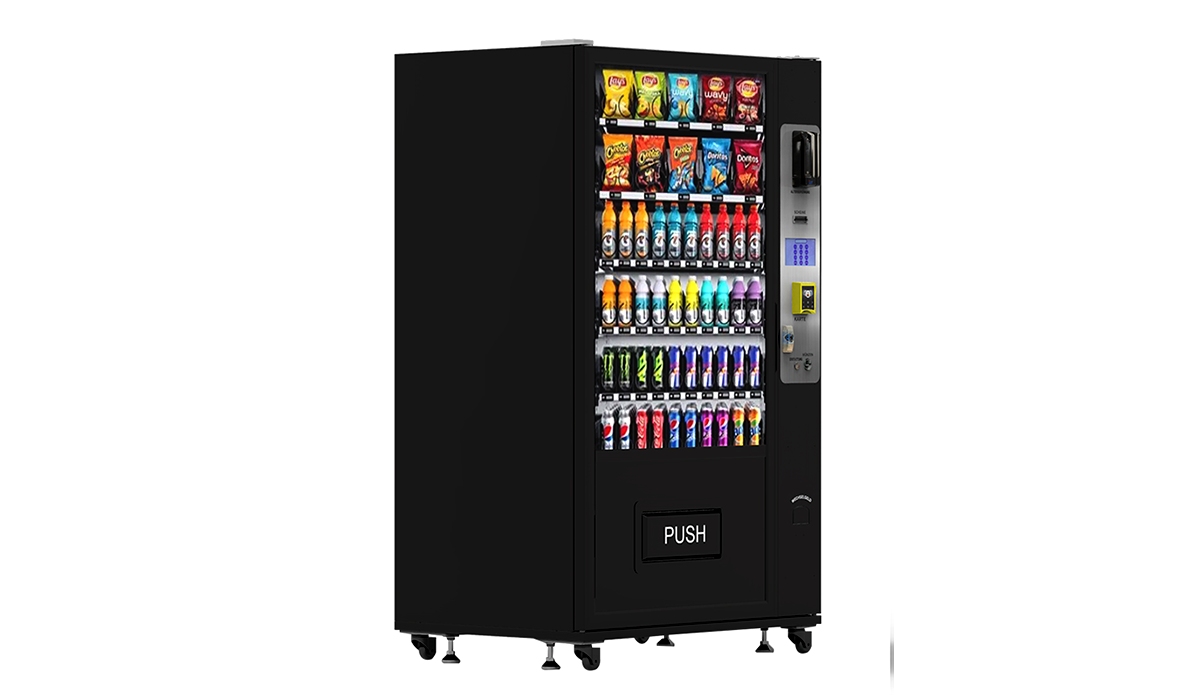
Choosing the right machine is a balancing act between upfront cost, reliability, and flexibility. I have owned machines from several manufacturers, and I have learned that cheap machines are rarely cheap in the long run. A low-cost unit might save you two thousand dollars upfront, but if it breaks down every three months, the vending machine repair costs will eat into your profits quickly.
When I evaluate a machine, I look at the refrigeration system first. For combo machines that sell both snacks and cold drinks, the cooling unit must be efficient and durable. A failed compressor in summer can ruin hundreds of dollars worth of inventory. I also check the payment system. Modern customers expect to pay with credit cards, mobile wallets, and even contactless. If your machine only takes cash, you will lose a significant portion of sales. According to a 2023 report by Statista, over 60% of vending transactions in the US are now cashless, and that number continues to grow.
Another critical feature is telemetry. Machines with remote monitoring allow you to check inventory levels, sales data, and error codes from your phone or computer. This saves you from driving to a machine only to find it empty or broken. Telemetry adds to the initial cost, but it pays for itself within a year by reducing unnecessary trips and preventing lost sales.
New vs. Used Machines
I get asked this constantly. Used machines can be a great entry point if you have a limited budget, but you need to know what you are looking at. A used machine from a reputable brand that has been well maintained can serve you for years. However, many used machines on the market are older models that lack modern payment systems and telemetry. Retrofitting them with a card reader and remote monitoring can cost as much as buying a new entry-level machine.
If you buy used, inspect the machine in person. Check the compressor, the door seals, the coin mechanism, and the selection buttons. Run a test transaction. Ask for service records. I have seen operators buy a used machine that looked fine on the outside but had a corroded cooling system that failed within weeks. That is a costly lesson.
For new machines, I recommend looking at manufacturers that offer solid warranties and local service support. One brand I have worked with extensively is Zhongda Smart. Their combo machines are built with high-quality compressors and modern payment systems, and they offer remote monitoring as a standard feature. I have placed several of their units in office parks and hotels, and the reliability has been excellent. When comparing suppliers, always ask about spare parts availability and average response time for technical support.
Cost Breakdown: What You Really Need to Budget
Let me give you a realistic picture of the costs involved. These numbers are based on my own experience and industry averages from the US and European markets. Keep in mind that prices vary by region, supplier, and machine configuration.
| Expense Category | Estimated Cost (USD) | Notes |
|---|---|---|
| New combo machine (snack + drink) | $5,000 – $12,000 | Includes cooling, telemetry, cashless payment |
| Used basic snack machine | $1,500 – $4,000 | May need retrofitting for cashless |
| Payment system upgrade | $500 – $1,200 | Card reader + installation |
| Initial inventory (first stock) | $500 – $1,500 | Depends on machine capacity and product type |
| Installation and delivery | $200 – $800 | Varies by distance and location complexity |
| Monthly location commission | 5% – 20% of gross sales | Negotiable; some locations charge flat rent |
| Monthly restocking labor | $100 – $400 | If you do it yourself, this is your time cost |
| Annual maintenance and repairs | $200 – $800 | Higher for used or poorly built machines |
Based on my experience, a well-placed machine in a medium-traffic location can generate between $500 and $2,500 in monthly gross sales. After subtracting product cost (typically 40–50% of sales), commission (10–15%), and restocking labor, your net profit per machine is usually between $150 and $800 per month. That means a $7,000 machine can pay for itself in 9 to 18 months if everything goes well.
However, I have also seen machines that never broke even. The most common reasons are poor location, wrong product mix, or excessive downtime due to breakdowns. Do not assume every machine will be profitable. Track your numbers from day one and be ready to relocate underperformers.
Revenue Potential by Location Type
Not all locations are created equal. Here is a rough breakdown based on what I have observed across my own routes and from conversations with other operators in the US and Europe.
| Location Type | Monthly Gross Sales (Est.) | Key Considerations |
|---|---|---|
| Office building (100+ employees) | $800 – $2,500 | Stable demand; need healthy options |
| Manufacturing plant / warehouse | $1,000 – $3,000 | High volume; prefer hearty snacks and drinks |
| Hospital (staff + visitors) | $600 – $2,000 | 24-hour access; need healthy and fresh items |
| School / university | $400 – $1,500 | Seasonal; may have restrictions on sugary drinks |
| Hotel lobby | $500 – $1,800 | Good for premium items; guests pay higher prices |
| Gym / fitness center | $400 – $1,200 | Focus on protein bars, water, and electrolyte drinks |
| Laundromat / car wash | $300 – $900 | Low maintenance; 24-hour access; lower average spend |
| Public transit station | $700 – $2,000 | High traffic but low dwell time; need quick selections |
These numbers are estimates based on my personal experience and industry discussions. Your actual results will vary depending on local demographics, competition, and how well you manage the machine. I have seen a single machine in a busy hospital generate over $3,500 a month, and I have seen a machine in a small office struggle to hit $300. Always validate with your own data.
The Hidden Costs That Catch New Operators
Many beginners focus on the machine price and forget about the ongoing expenses. Here are the ones that surprise people most often.
Vending machine repair is inevitable. Even the best machines break down. A jammed coin mechanism, a faulty cooling system, or a broken selection button can take your machine offline for days. If you do not have a local technician, you may have to ship parts or pay for emergency service calls. I recommend setting aside at least 10% of your monthly revenue for repairs and maintenance.
Another hidden cost is product waste. If you stock items that do not sell, you will have to throw them away or donate them once they expire. This is especially true for fresh food and dairy products. I learned early on to start with a narrow product range and expand only after I saw what sold. Telemetry helps here because you can see which items are moving and which are sitting.
Insurance is another expense that many new operators overlook. Depending on your location, you may need liability insurance in case someone gets injured using the machine or gets sick from a product. Some location owners will require proof of insurance before they let you place a machine. The cost is usually a few hundred dollars per year, but it is essential protection.
Finally, there is the cost of your own time. Restocking, cleaning, and servicing a machine takes time. If you have a route of ten machines, you might spend one or two days per week on the road. If you value your time at a certain rate, factor that into your profit calculation. Many operators switch to part-time help once they have enough machines to justify it.
How to Choose a Supplier or Manufacturer
Selecting the right supplier is one of the most important decisions you will make. I have worked with both large international brands and smaller regional manufacturers. Here is what I look for.
First, check the warranty. A good manufacturer should offer at least one year on parts and labor, and ideally two years on the compressor. Ask what the warranty covers and what it excludes. Some suppliers charge extra for on-site service, while others include it.
Second, look at spare parts availability. If your machine breaks down and you have to wait three weeks for a part, you lose significant revenue. Ask the supplier where their parts warehouse is located and how quickly they ship. I prefer suppliers that have a distribution center in my region or country.
Third, evaluate the payment system integration. Your machine should support major credit cards, mobile payments like Apple Pay and Google Pay, and local cashless options. In Europe, for example, many customers use contactless debit cards. In the US, mobile wallets are becoming standard. Make sure the supplier offers a payment system that works in your target market.
One supplier that meets these criteria consistently is Zhongda Smart. They provide modern combo machines with reliable cooling, telemetry, and multi-payment support. Their warranty and spare parts network have been solid in my experience. When comparing suppliers, always ask for references from other operators in your region. A reputable manufacturer will be happy to provide them.
Common Mistakes New Operators Make
I have made many of these mistakes myself, and I have watched countless others repeat them. Here are the ones to avoid.
Buying the cheapest machine possible. A low upfront cost often means higher repair bills and shorter lifespan. You are better off spending a bit more on a reliable machine than saving money now and losing it later on vending machine repair.
Ignoring cashless payments. I still see operators who only accept cash. In 2025, that is a losing strategy. According to a study by the European Automated Vending Association (EVA), cashless transactions now account for over 50% of vending sales in many European countries. If you do not offer card payments, you are leaving money on the table.
Overstocking at the beginning. It is tempting to fill the machine with everything you think people might want. Instead, start with a focused selection of bestsellers and add items gradually based on sales data. This reduces waste and helps you understand your customers.
Neglecting cleanliness. A dirty machine looks unprofessional and can deter repeat purchases. Wipe down the exterior, clean the selection buttons, and keep the glass clean. If the machine looks neglected, customers will assume the products are old or unsafe.
Signing long-term contracts without testing. As I mentioned earlier, always try to negotiate a trial period. If you sign a three-year lease and the location underperforms, you are stuck paying commission or rent for a machine that is not earning its keep.
When to Walk Away from a Location
Not every opportunity is worth taking. I have turned down locations that seemed promising on paper but had red flags. Here are some signs that a site is not worth your time.
If the location owner asks for a high commission or a large upfront fee, be cautious. Some property managers see vending machines as easy money and demand 25% or more of gross sales. Unless the traffic is exceptional, that leaves you with very thin margins. I generally avoid locations that want more than 15% commission unless the sales volume is guaranteed.
If the location has a history of vandalism or theft, think twice. Machines in public areas without surveillance can be broken into or damaged. Repairing a vandalized machine can cost hundreds of dollars, and you may never recover that loss.
If the location is seasonal, such as a summer camp or a ski resort, you need to account for the downtime. A machine that only operates three months a year may not generate enough revenue to justify the investment and maintenance. In some cases, you can move the machine to a different location during the off-season, but that adds logistics costs.
Finally, if the location already has multiple vending machines or a cafeteria, you will face direct competition. Unless you can offer significantly better products or lower prices, you will likely split the revenue too thin to be profitable.
How to Optimize Your Machine Performance
Once your machine is in place, the work is not over. Continuous optimization is what separates profitable operators from those who struggle.
Use your sales data to adjust pricing and product selection. If an item has not sold in two weeks, replace it with something else. If a product sells out quickly, consider increasing the price slightly or stocking more of it. I have found that customers are willing to pay a premium for convenience, especially in locations where there are no other options.
Rotate seasonal items. In summer, cold drinks and ice cream sell well. In winter, hot coffee and soup are popular. If your machine can handle both hot and cold products, you can adjust your mix based on the season. Combo machines that offer both temperature zones give you more flexibility.
Keep your machine stocked. Nothing frustrates customers more than an empty machine. If you have telemetry, set up alerts for low inventory on high-demand items. If you do not have telemetry, check your machines at least twice a week. A machine that is consistently empty will lose customers to other options.
Consider offering promotions. Some operators run discounts on slow-moving items or bundle deals. For example, buy a snack and get a drink for a reduced price. This can increase average transaction value and clear out inventory that is close to its expiration date.
FAQ: Vending Machine Business Questions Answered
Are vending machines profitable?
Yes, but profitability depends on location, product mix, and operating costs. A well-placed machine can generate $150 to $800 in monthly net profit. However, many machines fail to break even due to poor location or high maintenance costs. Always run the numbers before committing.
How much does a vending machine cost?
A new combo machine typically costs between $5,000 and $12,000. Used machines can be found for $1,500 to $4,000, but may need upgrades. Initial inventory and installation add another $1,000 to $2,500.
How long does it take to recoup the investment?
Based on my experience, a well-performing machine pays for itself in 9 to 18 months. Slower locations may take two years or more. If a machine has not broken even after 18 months, consider relocating it.
Should I buy or lease a vending machine?
Buying gives you full control and higher long-term profit. Leasing can be a lower-risk way to test the business, but you will share a portion of your revenue with the lessor. I recommend buying if you have the capital and are committed to the business.
Where should I place a vending machine?
Look for locations with consistent foot traffic, limited food options, and a captive audience. Offices, factories, hospitals, schools, and gyms are common choices. Always evaluate the site in person before signing a contract.
What permits or licenses do I need?
Requirements vary by country and region. In the US, you typically need a business license and a sales tax permit. Some states require a food vending license if you sell perishable items. In Europe, check with local authorities about health and safety regulations. Consult a local business advisor or visit your municipal website for specific requirements.
How do I choose a vending machine supplier?
Look for a supplier with a solid warranty, local spare parts availability, and modern payment system integration. Ask for references from other operators. Zhongda Smart is one option that meets these criteria, but always compare multiple suppliers before deciding.
What happens if the machine breaks down?
You will need to either repair it yourself or hire a technician. Having a basic toolkit and some spare parts on hand can reduce downtime. For complex issues, rely on the manufacturer's support network. I recommend setting aside a repair budget equal to 10% of your monthly revenue.
How can I reduce restocking costs?
Use telemetry to monitor inventory levels remotely, so you only visit machines that actually need restocking. Plan efficient routes if you have multiple machines. Consider hiring a part-time restocker if your route grows beyond what you can handle alone.
Final Thoughts on Vending Machine Opportunities and Risks
The vending machine industry offers real opportunities for those who approach it with realistic expectations and a willingness to learn. I have seen operators build profitable routes with a handful of machines, and I have seen others quit after their first breakdown. The difference is not luck; it is preparation.
Understand the vending machines combo opportunities and risks before you invest. Focus on location, choose reliable equipment, track your numbers, and be ready to adapt. The market is growing, especially in automated retail and self-service kiosks, but it is not a get-rich-quick scheme. Treat it like a real business, and it can reward you with steady income and the freedom to manage your own time.
If you are just starting out, begin with one machine. Learn the ins and outs of stocking, maintenance, and customer preferences before scaling. Talk to other operators, join industry forums, and read reports from organizations like the European Vending & Coffee Service Association to stay informed about trends and regulations.
Ultimately, the best advice I can give is to stay curious and keep improving. The machines are just tools. Your success comes from how well you manage them.
本文更新于2025年2月。数据来源包括个人运营经验、Statista(2023年无现金支付报告)、欧洲自动售货协会(EVA)行业指南,以及美国全国自动售货协会(NAMA)公开资料。