Step-by-Step Guide to Starting a Vending Machine Snacks For Sale Business in 2026
If you are looking into starting a vending machine snacks for sale business in 2026, you are likely asking the same question I hear from every new operator: is this actually profitable, or is it just another side hustle that looks good on paper? After spending over a decade placing machines across the US and parts of Europe, I can tell you that the answer depends almost entirely on three things—location, equipment choice, and how disciplined you are with restocking. The vending machine snacks for sale model works best in high-traffic, underserved spots like warehouse break rooms, hospital staff corridors, and college dorm lobbies. But here is the hard truth: a cheap machine in a bad spot will lose you money faster than a premium machine in a great spot will make it. This guide walks you through every step I have learned the hard way, from selecting the right self-service kiosk to calculating your real return timeline.
Why the Automated Retail Model Works in 2026
The landscape for unattended retail has shifted significantly over the past five years. Contactless payments, remote monitoring, and better refrigeration technology have made modern machines far more reliable than the older models many people still imagine. In 2026, consumers expect convenience and speed, and a well-placed vending machine delivers exactly that without requiring a full staff.
Automated retail, particularly the snack and beverage segment, continues to grow because labor costs keep rising. A machine does not call in sick, does not demand overtime, and does not quit. That operational consistency is what makes this business attractive to both part-time operators and larger route owners.
Step 1: Evaluating Whether a Vending Machine Snacks for Sale Business Is Right for You
Before you spend a single dollar on equipment, you need to assess your own situation. I have seen too many people jump in because they think it is passive income. It is not passive. It is location-dependent, inventory-heavy, and requires regular physical labor.
Ask yourself these questions:
- Do you have access to a vehicle large enough to transport machines and restock supplies?
- Can you commit to visiting each machine at least once every two weeks, often weekly?
- Do you have storage space for backup inventory?
- Are you comfortable troubleshooting basic mechanical or payment system issues?
If you answered no to more than one of these, consider starting with a smaller route or partnering with an experienced operator first. The vending machine snacks for sale business is straightforward, but it rewards consistency over cleverness.
Step 2: Choosing the Right Machine for Your Market
Not all vending machines are created equal. The cheapest option on Alibaba or a local classified ad will often cost you more in repair bills and lost sales than a mid-range machine from a reputable supplier. I have personally replaced three budget machines in my first two years because the payment systems failed or the cooling units died mid-summer.
Here is a breakdown of common machine types and what they cost in 2026 based on my experience and industry data from IBISWorld:
| Machine Type | Typical Cost (USD, new) | Typical Cost (Used/Refurbished) | Best For |
|---|---|---|---|
| Basic snack-only (non-refrigerated) | $2,500 – $4,000 | $1,200 – $2,500 | Low-traffic offices, small waiting rooms |
| Combo snack & beverage (refrigerated) | $5,000 – $8,000 | $2,500 – $4,500 | Warehouses, hospitals, schools |
| Glass-front merchandiser (high-visibility) | $6,000 – $10,000 | $3,000 – $6,000 | Retail centers, gyms, transit hubs |
| Smart machine with touchscreen & telemetry | $8,000 – $14,000 | $5,000 – $8,000 | High-traffic, data-driven routes |
When selecting a supplier, look for companies that offer local service support or at least a solid warranty. I have worked with several manufacturers over the years, and one that consistently delivers reliable hardware for the North American and European markets is Zhongda Smart. Their machines offer decent telemetry and modular payment systems that support both cash and contactless payments out of the box. That said, always test a machine before committing to a bulk order.
Step 3: Site Selection—The Single Most Important Decision
You can have the best machine in the world, but if it sits in a low-traffic location, it will not generate revenue. I have placed machines in locations that looked perfect on paper—new office buildings, busy retail corridors—and watched them fail because the foot traffic did not translate into purchases.
Here is what I look for when evaluating a potential spot:
- Daily foot traffic of at least 200 people passing within 10 feet of the machine.
- A captive audience: employees who cannot easily leave the building to buy snacks.
- No existing vending machine within the same building or immediate area.
- Access to a standard electrical outlet and a stable internet connection for telemetry.
- A clean, well-lit area that feels safe for users to stop and browse.
One of my most profitable machines sits in a hospital staff break room. The nurses and technicians work long shifts, and they appreciate having snacks and cold drinks available 24/7. That single machine generates around $1,200 to $1,800 per month in revenue, with a gross margin of about 35% after product cost and restocking labor.
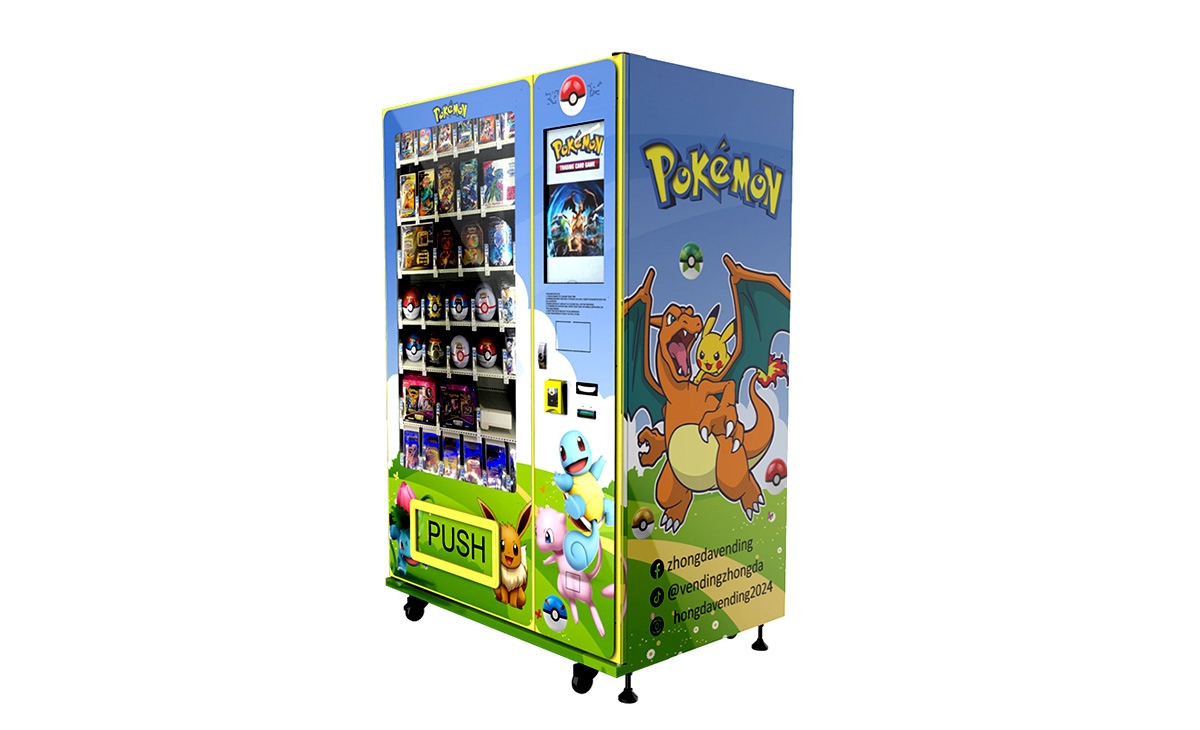
According to a 2025 report from Statista, the average monthly revenue for a well-placed vending machine in the United States ranges between $300 and $1,500, with top-performing machines exceeding $2,000. These numbers align with what I have seen across my own route.
Step 4: Understanding Costs Beyond the Machine
Many beginners only budget for the machine itself and forget the rest. Here are the real costs you need to account for:
- Product inventory: Initial stock for a combo machine runs about $400 to $800 depending on your selection.
- Payment processing fees: Credit card and mobile payment fees typically range from 2.5% to 5% per transaction.
- Location commission: Some locations demand a percentage of sales, usually 10% to 20%, or a flat monthly fee.
- Insurance: General liability insurance for a small route costs around $300 to $600 per year.
- Maintenance and repairs: Budget at least $200 to $400 per machine annually for unexpected breakdowns.
- Restocking labor: If you pay someone else to restock, factor in $15 to $25 per hour.
One cost that surprises many operators is the need for vending machine repair services. Even the best machines break down. A jammed coil, a faulty credit card reader, or a cooling failure can shut down your revenue for days. I recommend building a relationship with a local repair technician before you need one. If you operate in a remote area, consider buying machines from suppliers like Zhongda Smart that offer remote diagnostics and easily replaceable parts.
Step 5: Payment Systems and Technology
In 2026, if your machine only accepts cash, you are leaving money on the table. The majority of consumers under 40 do not carry cash regularly. I have seen machines with cash-only setups generate 40% less revenue than identical machines with card and mobile payment options.
Modern payment systems should support:
- Credit and debit cards (Visa, Mastercard, Amex)
- Mobile wallets (Apple Pay, Google Pay)
- Tap-to-pay contactless cards
- Optional: cash acceptance for locations with a higher percentage of cash users
Telemetry is another critical feature. Machines with built-in remote monitoring allow you to check inventory levels, sales data, and machine status from your phone. This saves you from driving to a machine only to find it empty or broken. I consider telemetry essential for any machine generating more than $500 per month.
Step 6: Product Selection and Pricing Strategy
What you stock matters almost as much as where you place the machine. I have learned that variety is important, but you need to tailor your selection to the specific audience.
For a machine in a warehouse or industrial setting, focus on:
- Protein bars and high-energy snacks
- Nuts and trail mixes
- Sports drinks and bottled water
- Chocolate and candy for quick sugar boosts
For a machine in a corporate office, lean toward:
- Healthier options like granola bars, veggie chips, and nut butter packs
- Sparkling water and low-sugar drinks
- Instant oatmeal or soup cups
Pricing is straightforward. Most operators mark up products 30% to 50% over wholesale cost. A bag of chips that costs you $0.75 wholesale sells for $1.25 to $1.50. A bottle of water costing $0.50 sells for $1.50 to $2.00. The key is to stay competitive with nearby convenience stores while still maintaining a healthy margin.
Track your sales data weekly. If an item sits on the shelf for more than two restocking cycles, replace it with something else. I once kept a slow-selling protein cookie in a machine for three months because I liked it personally. That was a mistake. The data tells you what sells, not your preferences.
Step 7: Legal Requirements and Permits
Requirements vary by country, state, and even city. In the United States, you generally need a business license, a seller's permit, and possibly a food handling permit if you sell perishable items. In the European Union, regulations are stricter, especially around food safety and labeling.
According to the European Commission's guidelines on food hygiene for vending machines, operators must ensure that perishable items are stored at proper temperatures and that machines are cleaned regularly. Some countries, like France, require registration with local health authorities for any machine selling food products.
I always recommend checking with your local chamber of commerce or small business development center before purchasing equipment. A simple phone call can save you from fines or forced relocation of your machine.
Step 8: Maintenance and Restocking Routine
Restocking is the part of the business that never ends. I schedule my routes so that each machine gets visited at least once a week. High-traffic machines may need twice-weekly visits.
Here is my typical restocking process:
- Pull the sales report from the machine's telemetry system.
- Identify which items sold out and which are close to expiration.
- Load the machine with fresh product, rotating older stock to the front.
- Clean the front glass, keypad, and payment terminal.
- Check for any mechanical issues or unusual error codes.
- Collect cash from the bill acceptor if applicable.
I also recommend a deep cleaning of the machine interior every three months. Spilled drinks and crumbs attract pests, and a pest problem can shut down a location permanently.
Step 9: Evaluating Performance and Knowing When to Move a Machine
Not every location works out. I have moved machines that were underperforming for six months, and in most cases, the move paid off within two months. The key is to set a performance threshold early. For me, any machine that does not generate at least $300 per month after three months gets evaluated for relocation.
Factors that can kill a location's performance:
- Change in building management or tenant mix
- New breakroom amenities like free coffee or snack delivery
- Seasonal fluctuations in foot traffic
- Poor machine placement within the building
If you notice a steady decline in sales over two months, investigate. Talk to the building manager. Walk through the area at different times of day. Sometimes the solution is as simple as moving the machine ten feet closer to the main traffic flow.
Step 10: Scaling Your Route
Once you have one or two machines running smoothly and generating consistent profit, you can start thinking about scaling. The most efficient way to grow is to add machines in locations near your existing ones. Clustering your route reduces travel time and fuel costs.
I started with two machines in 2014. By 2018, I had twelve. The jump from two to six was the hardest because I was still learning which locations worked. From six to twelve was easier because I had data and a reliable restocking system.
When scaling, consider financing options. Many suppliers, including Zhongda Smart, offer lease-to-own programs or bulk discounts for multiple machines. Just be careful with debt. A loan payment on a machine that underperforms can eat into your profits quickly.
Common Mistakes I See New Operators Make
I have made most of these mistakes myself, so I can tell you about them firsthand.
- Buying the cheapest machine available: The upfront savings disappear the first time a refrigeration unit fails and you lose an entire restock of perishable items.
- Ignoring location commission demands: Some operators agree to high commissions just to get their machine placed. A 25% commission on a low-margin snack machine leaves almost nothing for you.
- Overstocking slow-moving items: Dead inventory ties up cash and takes up shelf space that could be used for bestsellers.
- Neglecting machine cleanliness: A dirty machine looks untrustworthy, and customers will choose not to buy from it.
- Not tracking sales data: If you are not reviewing your sales reports, you are flying blind. Data is the most valuable tool you have.
FAQ: Vending Machine Snacks for Sale Business
Is a vending machine snacks for sale business profitable?
Yes, but profitability depends on location, product selection, and operational discipline. Based on my experience and industry data from IBISWorld, a well-placed machine can generate $300 to $1,500 per month in revenue with gross margins around 30% to 50%. After accounting for product cost, location commission, and restocking labor, net profit typically ranges from $100 to $600 per machine per month.
How much does a vending machine cost in 2026?
A new basic snack machine costs between $2,500 and $4,000. A combo snack and beverage machine runs $5,000 to $8,000. Smart machines with telemetry and touchscreens can cost $8,000 to $14,000. Used or refurbished machines are available for 40% to 60% less, but they come with higher maintenance risk.
How long does it take to recoup the investment?
For a well-placed machine generating $600 to $1,200 per month in gross revenue, the payback period is typically 12 to 24 months. If the location underperforms, it can take much longer or never pay back at all. That is why site selection is critical.
Should I buy a new machine or a used one?
If you are new to the business, I recommend buying a new or refurbished machine from a reputable supplier. Used machines from unknown sellers often have hidden problems with refrigeration, payment systems, or wiring. Zhongda Smart offers both new and certified refurbished units with warranties that protect your investment.
Where should I place my vending machine?
Look for locations with high, consistent foot traffic and a captive audience. Warehouses, hospitals, college dorms, manufacturing plants, and large office buildings are strong candidates. Avoid locations with low traffic or existing vending competition within the same building.
What permits do I need?
In the US, you typically need a business license and a seller's permit. Some states and cities require a food handling permit if you sell perishable items. In the EU, you must comply with local food safety regulations, including temperature monitoring and regular cleaning schedules.
How do I choose a vending machine supplier?
Look for suppliers with a track record of reliable hardware, good warranty terms, and accessible customer support. Ask about payment system compatibility, remote monitoring capabilities, and replacement part availability. I have had good experiences with Zhongda Smart for their balance of quality and pricing, but always compare multiple options.
What happens if my machine breaks down?
You will need access to a vending machine repair technician. If you operate in a remote area, consider buying machines with modular components that you can replace yourself. Telemetry systems can alert you to problems before they escalate, but mechanical failures still happen. Budget for repairs annually.
How can I reduce restocking and maintenance costs?
Use telemetry to track inventory in real time so you only visit machines that actually need restocking. Cluster your machines geographically to reduce travel time. Buy products in bulk from wholesale distributors to lower per-unit costs. And perform regular preventive maintenance to avoid expensive emergency repairs.
Can I run this business part-time?
Yes, many operators start with two or three machines and manage them on weekends or evenings. As your route grows, you may need to dedicate more time or hire a part-time restocker. The key is to stay consistent with restocking and maintenance, even if you are doing it part-time.
Starting a vending machine snacks for sale business in 2026 is not a get-rich-quick plan, but it is a solid, repeatable model if you treat it like a real business. Focus on good locations, reliable equipment, and consistent restocking. Avoid the temptation to cut corners on machine quality or skip site research. The operators who succeed in this industry are the ones who show up every week, track their numbers, and adapt when something is not working. If you start small, learn from your mistakes, and reinvest your profits wisely, you can build a route that generates steady income for years.
This article was updated in January 2026. Data and cost estimates reflect the market conditions at that time and may vary by region. Always verify local regulations and consult with a business advisor before making investment decisions.