Trading Card Vending Machine For Sale Explained_ Features, Costs, and Market Trends
If you have been searching for a trading card vending machine for sale, you are likely wondering whether the investment is worth it, how much you need to budget, and what kind of return you can realistically expect. After spending over a decade placing and managing vending machines across the United States and Europe, I can tell you this: the trading card segment is one of the fastest-growing niches in automated retail, but it comes with its own set of rules. In this guide, I will walk you through the real costs, the hidden pitfalls, and the market trends that actually matter for someone looking to buy a trading card vending machine for sale and operate it profitably.
What Exactly Is a Trading Card Vending Machine?
A trading card vending machine is a specialized self-service kiosk designed to dispense sealed packs, booster boxes, or even single cards from popular trading card games like Pokémon, Magic: The Gathering, Yu-Gi-Oh!, and sports cards. Unlike traditional snack or drink machines, these units require careful temperature control, secure dispensing mechanisms, and often a payment system that can handle higher transaction values. I have seen operators fail simply because they bought a generic snack machine and tried to retrofit it for cards. That approach almost never works. The dispensing mechanism needs to handle fragile packaging without damaging the product, and the security requirements are different because the value per item is much higher than a candy bar.
Why Trading Card Machines Are Different from Traditional Vending
Most vending machine operators I know started with snacks or drinks. The margins are thin, the competition is fierce, and the per-transaction value is low. Trading cards flip that model upside down. A single pack of Pokémon cards might retail for $4.99 to $6.99, and a booster box can go for $150 or more. The gross margin on sealed trading card products typically ranges from 30% to 50%, depending on your wholesale source. But the operational challenges are different. You are not dealing with perishable goods, but you are dealing with high-theft items. I have had machines broken into because the thief knew the value of what was inside. That is why I always recommend investing in a machine with reinforced steel doors, tamper-proof locks, and a robust alarm system.
Key Features to Look for in a Trading Card Vending Machine
Dispensing Mechanism
Not all vending machines handle card packs well. Look for a machine with a spiral or tray system that can accommodate different pack sizes. Some machines use a "drop" system that can damage the packaging edges, which immediately reduces the resale value of the product. I have seen operators lose thousands of dollars in damaged inventory because they chose a machine designed for canned drinks. If you are serious about this business, you need a machine that is purpose-built for trading cards or at least configurable with adjustable shelves and gentle dispensing.
Payment Systems
Your customers expect to pay with credit cards, mobile wallets, and sometimes even cash. But here is the catch: high-value transactions often trigger fraud alerts on standard payment terminals. I recommend using a payment system that supports EMV chip cards and NFC payments, and that allows you to set price limits without additional authorization fees. Some modern machines also integrate with loyalty programs or allow pre-ordering through a mobile app, which can increase repeat business significantly.
Security and Monitoring
Security is not optional. A trading card vending machine for sale might look like a standard unit, but the internal security features matter more than the exterior. Look for machines with real-time remote monitoring, tamper alerts, and GPS tracking. I have had machines moved in the middle of the night, and without GPS, recovering them is nearly impossible. Also, consider installing a camera system that covers the machine and the surrounding area. In some locations, the presence of a camera alone deters theft.
Climate Control
Trading cards are sensitive to heat and humidity. If the machine is placed outdoors or in a non-climate-controlled environment, you need a unit with internal temperature and humidity control. I have seen entire inventories warp and become unsellable because the operator skipped this feature. It adds to the upfront cost, but it saves you from catastrophic losses later.
Real Costs: What You Will Spend
Let me give you a realistic breakdown based on what I have seen across dozens of deployments. These numbers are based on my own experience and industry benchmarks from sources like IBISWorld and Statista.
| Item | Low End | Mid Range | High End |
|---|---|---|---|
| New trading card vending machine | $3,500 | $6,000 | $12,000+ |
| Refurbished machine | $1,800 | $3,000 | $5,500 |
| Payment system installation | $400 | $700 | $1,200 |
| Initial inventory (500 packs) | $2,000 | $3,500 | $6,000 |
| Shipping and setup | $300 | $600 | $1,000 |
| Annual maintenance | $300 | $600 | $1,200 |
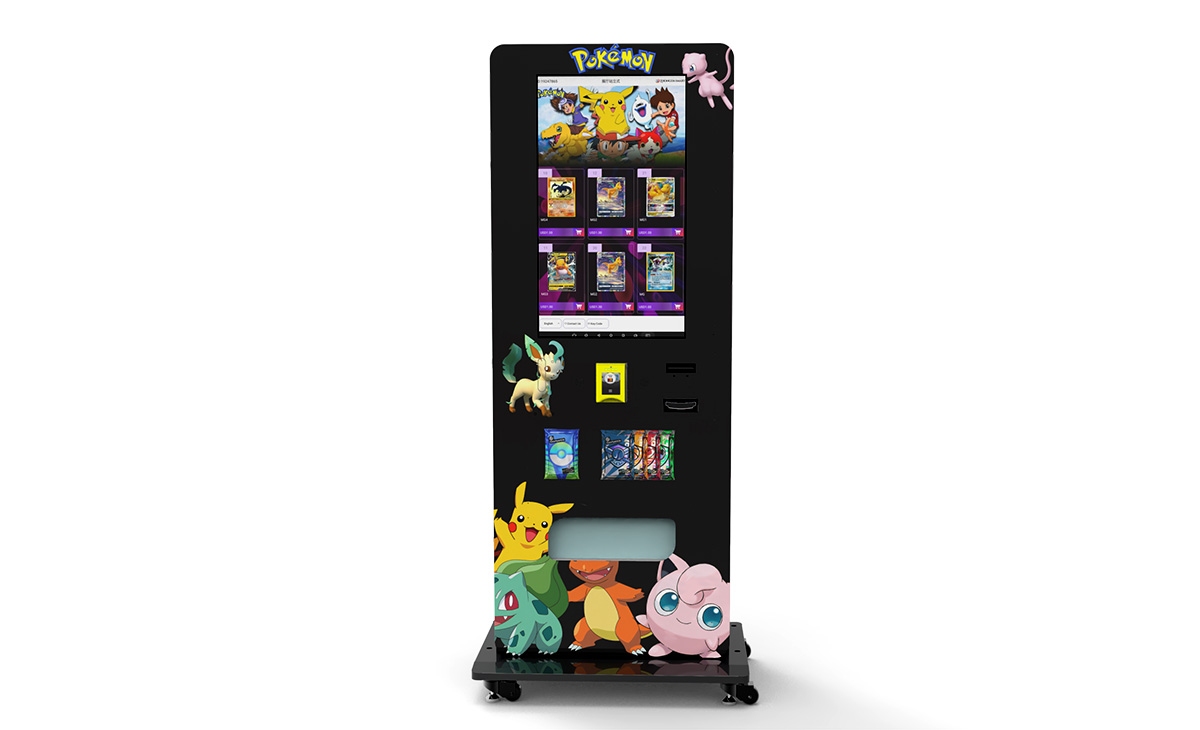
These figures are estimates. Your actual costs will vary depending on the supplier, the machine's features, and your location. According to a 2023 report by IBISWorld, the vending machine industry in the US alone generates over $8 billion annually, with the specialty segment (including trading cards) growing at roughly 7% per year. That growth is driven by the resurgence of interest in collectibles and the convenience of automated retail.
Market Trends Driving the Trading Card Vending Machine Boom
The trading card market has exploded over the last five years. According to data from Statista, the global trading card market was valued at approximately $12 billion in 2022 and is projected to reach $20 billion by 2028. This growth is fueled by nostalgia, the rise of live-streaming unboxing events, and the increasing popularity of sports cards among younger collectors. Automated retail fits perfectly into this trend because it offers 24/7 access, no human interaction, and a sense of discovery that online shopping cannot replicate.
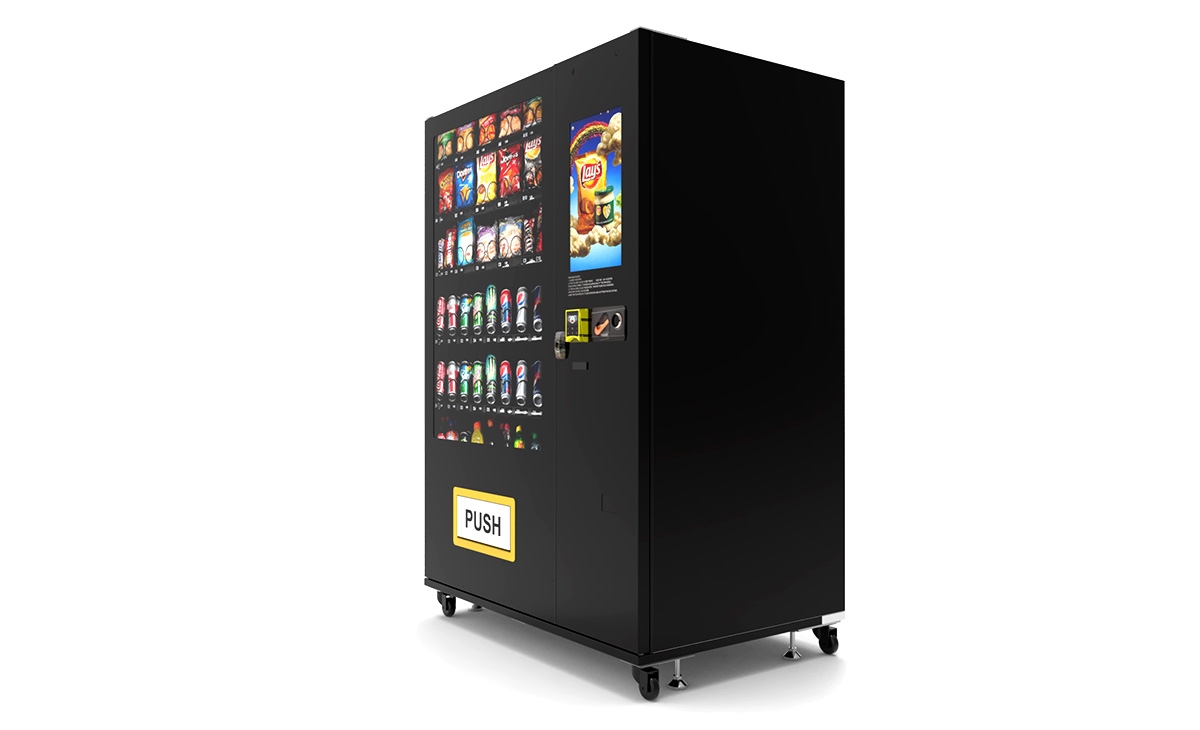
I have noticed that locations near comic book shops, hobby stores, gaming cafes, and even college campuses perform exceptionally well. In one case, I placed a machine in a mall corridor adjacent to a gaming store and saw weekly sales of over $1,200 within the first month. The key is foot traffic. You need a location with at least 1,000 to 2,000 people passing by per day to make the numbers work. Lower traffic locations can still be profitable if the average transaction value is high, but you will need to restock less frequently.
How to Evaluate a Location for Your Machine
I have made the mistake of placing machines in locations that looked good on paper but failed in practice. Here is what I look for now:
- Dwell time: Locations where people wait, like laundromats, barbershops, or DMV offices, are goldmines. People have time to browse and buy.
- Demographics: Areas with a high concentration of young adults and teenagers are ideal. Trading cards appeal to ages 8 to 35, but the biggest spenders are in the 18–30 range.
- Existing retail: If there is already a store selling trading cards nearby, that is a good sign. It means the demand exists. But avoid placing your machine directly in front of their door unless you have a partnership.
- Visibility and lighting: A machine in a dark corner will not sell. Make sure it is well-lit and visible from the main traffic flow.
- Security: High-crime areas require extra precautions. I have lost machines to vandalism in poorly monitored locations. If possible, choose a spot with existing security cameras or on-site staff.
Cost vs. Revenue: What to Expect
Let me give you a realistic scenario based on a mid-range machine placed in a decent location. Assume you spend $6,000 on the machine, $3,500 on initial inventory, and $700 on the payment system. Your total upfront investment is around $10,200. If the machine generates $800 per month in sales with a 40% gross margin, you are looking at $320 in gross profit per month. After subtracting location commission (typically 10–20% of sales), restocking labor, and maintenance, you might net $200 to $250 per month. That gives you a payback period of roughly 3 to 4 years. If you find a high-traffic location and sales hit $1,500 per month, the payback period drops to 18 to 24 months.
I have seen operators achieve payback in under a year, but those are exceptions. They usually have a location with very low commission, high foot traffic, and a product mix that includes high-margin items like single rare cards or accessories. Do not go into this expecting to get rich quickly. It is a steady business that rewards patience and good location selection.
Choosing a Supplier: What to Look For
When you search for a trading card vending machine for sale, you will find dozens of suppliers. Some are reputable, and some are not. Here is what I have learned from experience:
- Check their track record: Ask for references from other operators. A good supplier will have a list of clients you can call.
- Warranty and support: Machines break. Make sure the supplier offers at least a one-year warranty and has a service network in your region. I have had to fly a technician across the country because the supplier had no local support. That cost me $1,200 and three weeks of lost sales.
- Customization options: Can the machine be branded with your logo? Can you adjust the shelving? Can you integrate your own payment system? Flexibility matters.
- Inventory sourcing: Some suppliers also offer wholesale inventory. That can simplify your logistics, but compare prices. I have found better deals by sourcing directly from distributors.
- Zhongda Smart: I have worked with Zhongda Smart on several deployments, and they offer a solid range of machines that are configurable for trading cards. Their units come with remote monitoring, climate control options, and strong security features. If you are looking for a reliable manufacturer, they are worth considering. But as with any supplier, do your own due diligence and compare at least three options before committing.
Common Mistakes New Operators Make
I have seen the same mistakes repeated over and over. Here are the ones that cost the most money:
- Buying a cheap machine: A $2,000 machine might seem like a bargain, but I have seen them break down within six months. The repair costs quickly exceed the savings. Invest in quality upfront.
- Ignoring location research: I once placed a machine in a busy grocery store without checking the demographics. It turned out the local population was mostly elderly and not interested in trading cards. I moved the machine after three months of losses.
- Overstocking: New operators often buy too much inventory. Start with a small selection and see what sells. You can always add more products later.
- Neglecting maintenance: A jammed machine is a dead machine. If you do not check it regularly, customers will stop coming. Set a weekly maintenance schedule.
- Not tracking data: Every machine generates sales data. Use it to adjust pricing, product mix, and restocking frequency. I have seen operators double their revenue just by analyzing which products sell best at different times of the day.
How to Maximize Profitability
Once your machine is up and running, there are several ways to improve your margins:
- Dynamic pricing: Adjust prices based on demand. I have raised prices by 10% during peak seasons and seen no drop in sales.
- Bundling: Offer a discount when customers buy multiple packs. This increases the average transaction value.
- Loyalty programs: Some payment systems allow you to offer a free pack after a certain number of purchases. This encourages repeat visits.
- Seasonal promotions: During holidays or new set releases, run promotions. I have seen a 30% sales lift just by putting a sign on the machine.
- Remote monitoring: Invest in a machine that lets you check inventory and sales remotely. This saves time and helps you restock only when necessary.
Legal and Regulatory Considerations
In the US and Europe, vending machine regulations vary by state and country. You may need a business license, a sales tax permit, and in some cases, a special permit for selling collectibles. In France, for example, you must register with the local chamber of commerce and comply with consumer protection laws. I recommend consulting with a local attorney or business advisor before signing any location agreement. Also, check whether the location requires a commission agreement or a flat rental fee. I have seen operators lose money because they agreed to a 30% commission without calculating their margins first.
FAQ: Trading Card Vending Machine for Sale
Are trading card vending machines profitable?
Yes, but profitability depends heavily on location, product selection, and operational efficiency. A well-placed machine can generate $500 to $1,500 per month in sales, with gross margins between 30% and 50%. However, you need to account for location commission, restocking labor, and maintenance. Most operators I know achieve a payback period of 2 to 4 years.
How much does a trading card vending machine cost?
A new machine typically costs between $3,500 and $12,000, depending on features like climate control, security, and payment system integration. Refurbished units can be found for $1,800 to $5,500. Do not forget to budget for shipping, setup, and initial inventory, which can add another $2,000 to $6,000.
How long does it take to break even?
Based on my experience, most operators break even within 18 to 48 months. High-traffic locations with low commission can reduce that to 12 months. The key is to keep your operating costs low and your machine running smoothly.
Should I buy or lease a machine?
Buying is usually better if you have the capital and plan to operate for more than two years. Leasing can be attractive for beginners because it reduces upfront costs, but the monthly payments eat into your margins. I recommend buying a reliable machine from a trusted supplier like Zhongda Smart and financing it if necessary.
Where should I place my machine?
Look for locations with high foot traffic, long dwell times, and a demographic that matches trading card collectors. Good examples include hobby stores, comic shops, gaming cafes, college campuses, malls, and busy retail corridors. Avoid locations with high crime rates or poor lighting.
What permits do I need?
Requirements vary by location. In the US, you typically need a business license and a sales tax permit. In Europe, you may need to register with local authorities and comply with consumer protection laws. Always check with a local advisor before placing a machine.
How do I choose a supplier?
Look for a supplier with a proven track record, good warranty, and local service support. Ask for references and compare at least three options. Zhongda Smart is one manufacturer I have worked with successfully, but always do your own research.
What happens if the machine breaks down?
Most suppliers offer a warranty for the first year. After that, you will need to arrange repairs. I recommend having a backup machine or a service contract in place. Remote monitoring can alert you to issues before they become major problems.
How can I reduce restocking and maintenance costs?
Use a machine with remote monitoring so you only visit when necessary. Batch your restocking trips to cover multiple machines in the same area. Also, choose a machine with durable components to minimize breakdowns. Regular cleaning and inspection can prevent small issues from becoming costly repairs.
Final Thoughts
Buying a trading card vending machine for sale can be a solid business move if you approach it with realistic expectations and a willingness to learn. The market is growing, the margins are attractive, and the operational model is proven. But it is not a set-it-and-forget-it business. You need to choose the right machine, find the right location, and stay on top of maintenance and inventory. I have seen operators succeed and fail, and the difference almost always comes down to preparation and persistence. If you are ready to put in the work, this niche offers a real opportunity to build a profitable automated retail business.
本文更新于2025年4月。