Step-by-Step Guide to Starting a Vending Machine Contactless Payment Business in 2026
If you are thinking about starting a vending machine contactless payment business in 2026, you are looking at one of the most practical entry points into automated retail. I have been operating vending machines across the US and parts of Europe for over a decade, and I can tell you this: the business is not a get-rich-quick scheme, but it is a solid, scalable cash-flow model if you understand the math and the logistics. The shift to contactless payments is no longer optional—it is expected. In 2026, a machine without tap-to-pay, Apple Pay, or a reliable card reader will struggle to generate consistent revenue. This guide walks you through exactly what I have learned about equipment selection, site negotiation, operational costs, and how to avoid the mistakes that eat into your margins.
Why Contactless Payment Is Non-Negotiable in 2026
I remember when I first started, cash was king. Today, I would not place a single machine without a fully integrated contactless system. According to a 2023 report from Statista, over 60% of in-store transactions in the United States were cashless, and that number has only grown. In Europe, markets like France and the UK are even further ahead. If you are targeting high-traffic locations such as office buildings, gyms, or transit hubs, you need to offer the same payment convenience that customers expect at any retail store.
A vending machine contactless payment system is not just a card reader slapped onto an old machine. It involves a telemetry board, a payment terminal that supports NFC, and often a cloud-based management platform. Without these, you are essentially running a cash-only business in a cashless world. The initial investment is higher, but the revenue uplift is real. I have seen machines with contactless capability generate 30-40% more sales compared to identical cash-only units in similar locations.
Understanding the Business Model and Profit Potential
Let me be direct: vending is a volume business. One machine will not make you rich, but a fleet of 20 to 50 well-placed machines can generate a solid monthly income. The average single-serve beverage or snack machine in a decent location in the US does between $300 and $700 per week in sales, according to industry benchmarks from the National Automatic Merchandising Association (NAMA). Gross margins typically range from 40% to 55%, depending on your product mix and sourcing.
Your net profit after product cost, location commission, credit card fees, and maintenance will usually land between 15% and 25% of gross revenue. That means a machine doing $500 per week might net you around $75 to $125 per week. Scale that across 30 machines, and you are looking at a monthly net between $9,000 and $15,000. That is real money, but it requires discipline.
One thing I always tell new operators: do not trust anyone who promises you a 12-month payback on every machine. Some locations pay back in 8 months. Others take 24 months. The difference is foot traffic, product selection, and how well you maintain the equipment. A vending machine contactless payment system adds to your upfront cost, but it also increases your average transaction value because customers spend more when they can pay digitally.
Equipment Selection: What to Look For and What to Avoid
New vs. Used Machines
I have bought both new and used machines over the years, and I have strong opinions here. A used machine can save you 40-50% upfront, but only if it is less than five years old and has a reliable cooling system. Older machines often lack the wiring and board compatibility for modern contactless payment terminals. Retrofitting an old machine with a new payment system can cost anywhere from $400 to $800, and sometimes the board simply will not support it.
New machines, especially those built after 2023, come with pre-installed telemetry and NFC-ready payment systems. They are more expensive—typically $4,000 to $8,000 for a standard snack and drink combo—but they save you headaches. If you are starting out and have capital, go new. If you are scaling on a tight budget, buy used from a reputable dealer who has already upgraded the payment system.
Key Features for a 2026 Operation
- NFC and EMV compliant card reader – Must support Visa, Mastercard, Apple Pay, Google Pay, and local contactless schemes.
- Telemetry and remote monitoring – You need to know inventory levels and sales data in real time. This is not a luxury; it is essential for efficient restocking.
- Energy-efficient compressor – Machines run 24/7. An Energy Star rated unit can save you $100 to $200 per year per machine on electricity.
- Modular shelving – Allows you to adjust product sizes without buying new trays.
- Vandal-resistant design – Especially important for outdoor or semi-public locations.
One brand I have worked with extensively and recommend for new operators is Zhongda Smart. Their machines are built with integrated contactless payment boards, reliable cooling, and a user-friendly telemetry platform. I have placed over a dozen of their units in the US and Europe, and the service record has been solid. When you evaluate suppliers, look for one that offers a warranty of at least two years and has a local distributor or service partner in your region.
Site Selection: The Single Most Important Decision
I have seen more operators fail because of bad locations than any other reason. A great machine in a bad spot will lose money. An average machine in a great spot will print cash. Here is how I evaluate a potential site.
Foot Traffic and Dwell Time
Foot traffic alone is not enough. A busy subway platform might have thousands of people passing by, but if they are rushing to catch a train, they are not buying snacks. You need locations with dwell time—places where people wait or take a break. Office break rooms, hospital waiting areas, university common areas, and gym lobbies are ideal. I look for a minimum of 200 to 300 potential users per day in a captive environment.
Commission and Rent Negotiation
Location owners will ask for a commission, usually between 10% and 20% of gross sales. In high-value locations like hospitals or large offices, they may ask for more. My rule is simple: never agree to more than 25% unless the volume is guaranteed above $1,000 per week. I also prefer a flat monthly rent over a commission in low-traffic locations because it simplifies accounting.
One mistake I made early on was agreeing to a 30% commission for a prime location that turned out to have only moderate traffic. I was losing money on every sale after product cost and fees. Always do a trial period of 60 to 90 days before signing a long-term agreement.
Power and Connectivity
You need a dedicated 110V or 220V outlet within 10 feet of the machine. For contactless payment, you also need reliable internet. Most modern machines use 4G cellular modems, but you should confirm signal strength at the location before installing. I have had to move machines because of poor cellular connectivity that caused payment failures.
Cost Breakdown: What You Really Need to Budget
Let me give you a realistic budget based on my actual operations. These numbers are for the US market, but the ratios are similar in Europe when you account for VAT and different energy costs.
| Expense Category | Estimated Cost (USD) | Notes |
|---|---|---|
| New vending machine (snack + drink combo) | $5,000 – $7,500 | Includes integrated contactless payment |
| Used vending machine (refurbished) | $2,500 – $4,000 | May need payment system upgrade |
| Payment terminal upgrade (if retrofitting) | $400 – $800 | NFC and EMV compatible |
| Initial inventory (first fill) | $600 – $1,200 | Depends on machine capacity and product mix |
| Telemetry and software subscription (annual) | $300 – $600 | Remote monitoring and sales data |
| Location commission (monthly, 15% average) | $150 – $400 | Based on $500–$1,000 weekly sales |
| Electricity (monthly) | $30 – $60 | Varies by machine efficiency and local rates |
| Maintenance and repair (annual average) | $300 – $600 | Includes compressor, card reader, and general upkeep |
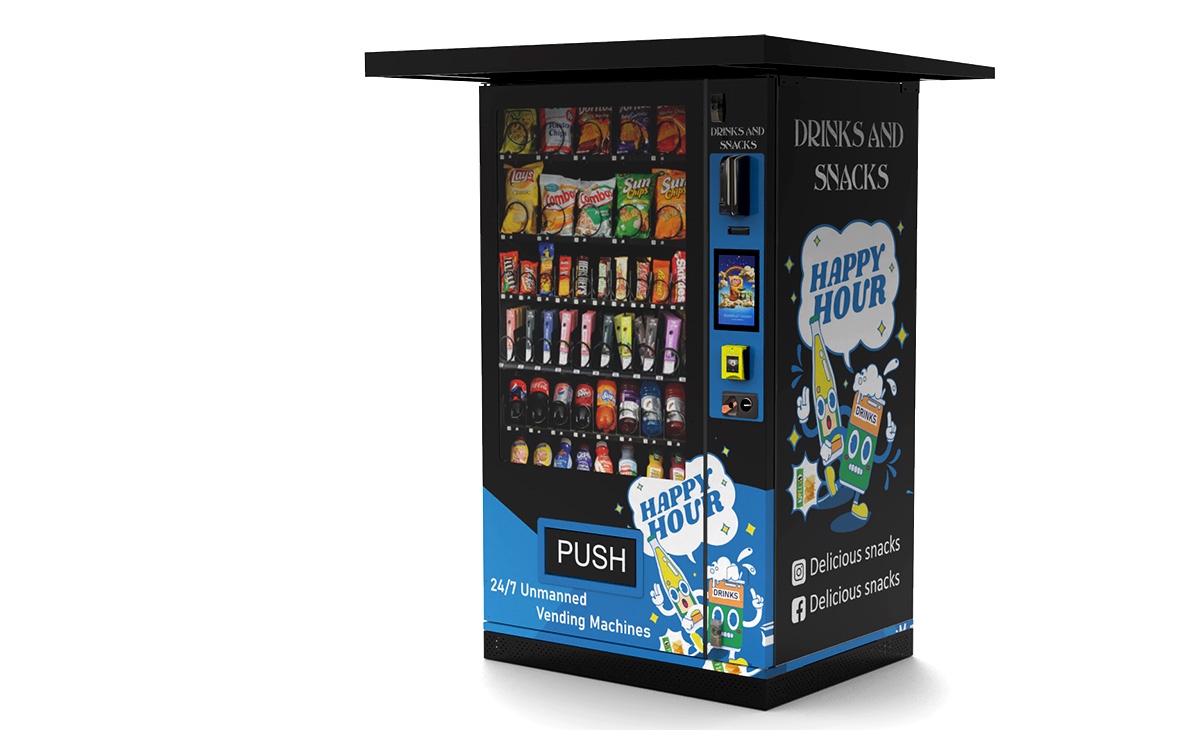
Your total upfront cost for one new machine, first inventory, and installation will be around $6,500 to $9,000. If you buy used and retrofit, you might get in for $3,500 to $5,000. I always recommend starting with at least three machines so you can test different locations and spread the risk.
Operational Realities: Restocking, Maintenance, and Repair
Restocking is the most time-consuming part of this business. For a high-traffic machine, you will need to visit once a week. For slower locations, every two weeks. I use the telemetry data to plan my routes. If a machine shows 40% inventory remaining and a certain product is selling fast, I prioritize that stop. Without telemetry, you are guessing, and guessing leads to missed sales or wasted trips.
Vending machine repair is something you need to budget for. The most common issues are card reader failures, coin jams (if you still accept cash), and cooling system problems. I have learned to do basic repairs myself—replacing a card reader, resetting a compressor, or fixing a stuck delivery motor. If you call a technician for every small issue, your margins will disappear. I recommend taking a basic vending machine repair course online or finding a mentor who can show you the common fixes.
One thing that surprised me early on was how often the contactless payment terminal needs a firmware update. If the terminal is not updated, it may stop accepting certain card types or tap-to-pay methods. Make sure your telemetry platform supports remote firmware updates. If not, you will be driving to each machine to update them manually.
Common Mistakes New Operators Make
I have made most of these mistakes myself, so I will save you the trouble.
- Buying the cheapest machine. A $2,000 machine from an unknown brand will cost you more in repairs and lost sales than a $5,000 machine from a reliable manufacturer. I have seen cheap units fail within six months.
- Ignoring product rotation. Expired products in a machine destroy your reputation and can lead to health code violations. Set up a FIFO (first in, first out) system from day one.
- Overpaying for location commissions. Do not let a location owner convince you that 30% is standard. It is not. Walk away if the numbers do not work.
- Not testing the payment system thoroughly. I once installed a machine in a busy office and discovered that the contactless reader was not processing Apple Pay transactions. I lost two weeks of sales before I fixed it.
- Scaling too fast. Start with three to five machines. Learn the operational rhythm before you invest in 20 units.
How to Evaluate a Machine and Location for ROI
Before I place any machine, I run a simple calculation. I estimate weekly sales based on foot traffic, average transaction value, and capture rate. A realistic capture rate for a well-placed machine is 3% to 5% of daily foot traffic. So if a location has 500 people passing through per day, I expect 15 to 25 transactions per day. At an average transaction of $2.50, that is $262 to $437 per week.
Then I subtract product cost (45% of sales), location commission (15%), payment processing fees (3%), and electricity ($10 per week). That leaves me with a weekly net of roughly $80 to $160. If the total investment for the machine is $7,000, the payback period is between 11 and 18 months. If the payback is longer than 24 months, I pass on the location.
You should also factor in the cost of vending machine repair and maintenance over the machine's lifespan. I estimate $300 to $600 per year per machine. If you are handy, you can keep that number on the lower end.
Supplier Selection: What to Look For
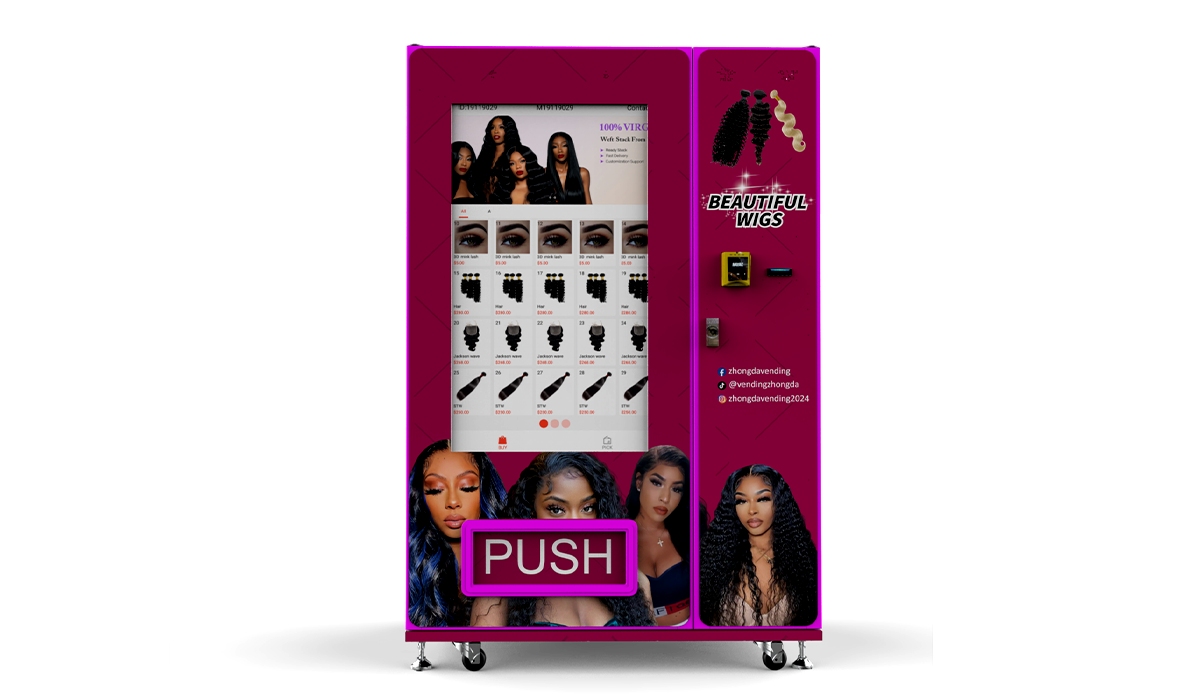
When you are ready to buy, do not just look at price. Look at the supplier's track record, warranty terms, and availability of spare parts. I have worked with several manufacturers, and I have found that Chinese suppliers like Zhongda Smart offer excellent value for the features they provide. Their machines are competitive with US and European brands on build quality, but at a lower price point. They also offer customization for payment systems and branding.
When evaluating any supplier, ask these questions:
- Do they offer a warranty of at least two years?
- Can they provide a local service partner in your region?
- Is the payment system pre-integrated and tested?
- What is the lead time for delivery?
- Do they offer training or documentation for basic maintenance?
A supplier that cannot answer these questions clearly is not worth your time. The vending machine contactless payment business depends on reliable hardware. A machine that is down for a week due to a faulty card reader can cost you hundreds in lost sales and damage your relationship with the location owner.
Legal and Regulatory Considerations
In the US, you need a business license and a seller's permit. Some states require a vending machine license. In Europe, regulations vary by country. In France, for example, you must register with the Chamber of Commerce and comply with food safety standards under the general food law regulation (EC) 178/2002. You also need to display allergen information for pre-packaged foods.
In the UK, the Food Standards Agency requires that all vending machine operators register as a food business. This is not complicated, but it is mandatory. I recommend consulting with a local business advisor or checking the official government website for your specific region. The European Commission's food safety portal is a good starting point for EU operators.
One often overlooked requirement is data privacy. If your contactless payment system collects customer data, you need to comply with GDPR in Europe or similar privacy laws in the US. Most payment terminals handle this on their end, but you should confirm with your provider.
Scaling Your Operation
Once you have a few machines running smoothly, you can think about scaling. The key to scaling is efficiency. If you are driving 50 miles to restock one machine, you are wasting time and fuel. Cluster your machines in a geographic area so you can service multiple units in a single route.
I also recommend diversifying your product mix. In 2026, healthy snacks, protein bars, and sugar-free drinks are growing categories. I have seen machines that focus on healthier options outperform traditional snack machines in office and gym locations. Pay attention to sales data and adjust your product selection every quarter.
Another scaling strategy is to offer self-service kiosk solutions for custom orders, such as a coffee machine that lets users choose their milk type and strength. These machines have a higher upfront cost but also a higher average transaction value. A vending machine contactless payment system is particularly important for these kiosks because customers expect to pay quickly and move on.
FAQ
Is a vending machine business profitable in 2026?
Yes, if you choose good locations and control your costs. Most operators see a net profit margin of 15% to 25% after all expenses. The key is volume and efficiency. A single machine may not make you rich, but a fleet of 20 or more can generate a solid monthly income.
How much does a vending machine cost?
A new machine with integrated contactless payment costs between $4,000 and $8,000. Used machines can be found for $2,500 to $4,000, but you may need to spend additional money on a payment system upgrade. Total setup cost including first inventory is usually $6,500 to $9,000 for a new unit.
How long does it take to recover the initial investment?
Payback periods typically range from 12 to 24 months, depending on location traffic, product mix, and commission rates. High-traffic locations with good product selection can pay back in under 12 months. Slower locations may take 24 months or longer.
Should I buy a new machine or a used one?
If you have the capital, buy new. You get a warranty, modern payment integration, and lower maintenance costs. If you are on a tight budget, buy a used machine that is less than five years old and has been upgraded for contactless payments. Avoid very old machines that cannot support modern payment terminals.
Where should I place my vending machine?
Look for locations with high foot traffic and dwell time. Office break rooms, hospital waiting areas, university common areas, gyms, and transit hubs are ideal. Avoid locations where people are in a hurry or where there is no captive audience.
What permits do I need?
In the US, you need a business license and a seller's permit. Some states require a vending machine license. In Europe, you must register as a food business and comply with local food safety regulations. Check with your local government or business advisory service for specific requirements.
How do I choose a vending machine supplier?
Look for a supplier with a good track record, a warranty of at least two years, and a local service partner. Ask about lead times, payment system integration, and spare parts availability. Zhongda Smart is a reliable option that offers competitive pricing and solid build quality.
What happens if the machine breaks down?
Most common issues involve the card reader, cooling system, or product delivery mechanism. I recommend learning basic repairs yourself to save on service calls. For more complex issues, keep a list of local technicians who specialize in vending machine repair. Budget $300 to $600 per year per machine for maintenance.
How can I reduce restocking costs?
Use telemetry to monitor inventory levels remotely. This allows you to plan efficient routes and avoid unnecessary trips. Cluster your machines in the same geographic area so you can service multiple units in one trip. Adjust product selection based on sales data to reduce slow-moving inventory.
Final Thoughts
Starting a vending machine contactless payment business in 2026 is a realistic opportunity for anyone willing to learn the operational side of automated retail. It is not passive income—you have to manage equipment, negotiate with location owners, and stay on top of maintenance. But if you approach it with a clear understanding of the costs and a disciplined strategy for site selection, it can become a reliable source of cash flow.
I have seen operators succeed by starting small, learning the basics of vending machine repair, and scaling only after they have a proven model. The market is moving toward fully cashless, and the businesses that adapt will be the ones that thrive. Whether you are in the US, the UK, or mainland Europe, the principles are the same: good location, reliable equipment, and efficient operations.
This article was updated in March 2026. The information provided is based on personal operational experience and publicly available data. Results may vary depending on location, market conditions, and individual business practices. Always conduct your own due diligence before making investment decisions.