Is Healthy Snacks In Vending Machines Worth It_ Pros, Cons, and Real-World Insights
I have spent over a decade placing vending machines across the United States and parts of Europe, and I have seen the pendulum swing hard toward healthy snacks. The question I get most often from new operators and facility managers is whether stocking vending machines with granola bars, protein chips, and organic fruit snacks is actually worth the higher upfront cost. Based on my experience, the short answer is yes—but only if you understand the trade-offs. Healthy snacks in vending machines can boost per-unit margins and attract a more loyal customer base, but they also come with shorter shelf lives, stricter inventory management, and a different set of consumer expectations. This article breaks down the real pros and cons, the numbers you need to know, and the operational realities I have encountered on the ground.
The Shift Toward Healthier Options in Automated Retail
Walk into any office break room, gym lobby, or university hallway today, and you will notice a change. The old rows of candy bars and sugary sodas are increasingly sharing space with kale chips, protein bars, and cold-pressed juices. This shift is not just a fad. According to a 2023 report from Statista, the global vending machine market is projected to grow at a compound annual growth rate of 7.5% through 2030, with healthier product categories driving much of that growth. Consumers are more educated about ingredients, and they are voting with their wallets.
For operators, this creates both an opportunity and a challenge. I have placed machines in corporate campuses where the demand for low-sugar, high-protein options was so high that I had to double my restocking frequency. But I have also seen machines in the same type of location fail because the operator loaded them with expensive organic snacks that nobody recognized. The key is understanding the specific demographics of each location.
What Are the Real Pros of Healthy Snacks in Vending Machines?
Higher Per-Unit Margins
Healthy snacks typically carry a higher price point than traditional candy or chips. A standard chocolate bar might sell for $1.50, while a premium protein bar can go for $3.00 or more. The cost of goods sold (COGS) for healthy items is often higher, but the margin percentage can still be attractive. In my own operations, I have seen gross margins on healthy vending items range from 35% to 50%, compared to 25% to 35% for conventional snacks. The difference adds up quickly across a 40-machine route.
Better Customer Retention
Locations with repeat traffic—offices, gyms, schools, and hospitals—benefit most from healthy options. When people know they can rely on a machine for a quick, nutritious snack, they become regular users. I have managed machines in a mid-sized tech company where the same employees bought from the machine three to four times per week. That kind of loyalty is hard to build with traditional junk food alone.
Differentiation in a Crowded Market
If you are placing a machine next to a competitor's unit, offering a healthier selection can be a clear differentiator. In many break rooms, the old machine is still full of sugary drinks and chips. A machine stocked with nuts, dried fruit, and low-calorie beverages stands out immediately. I have won contracts simply because the facility manager wanted to offer employees better choices.
The Downsides You Need to Consider
Shorter Shelf Life and Higher Waste
This is the biggest operational headache. A bag of chips might sit in a machine for six months without issue. A fresh apple or a yogurt-based snack might last only a week. I have had to pull expired stock from machines more often than I would like, especially in low-traffic locations. Waste eats into margins fast. You need a robust inventory rotation system and a willingness to write off unsold items.
Higher Wholesale Costs
Healthy snacks are simply more expensive to buy. A case of organic fruit bars might cost 40% more than a case of traditional cookies. This means your working capital requirements are higher. If you are just starting out, this can strain your cash flow. I recommend testing a few healthy SKUs in a single machine before committing to a full route conversion.
Temperature and Storage Challenges
Many healthy snacks are more sensitive to heat and humidity. Protein bars can melt in warm environments. Dried fruit can become sticky. If your machine is in a location without climate control, you may need to invest in a refrigerated unit or a machine with better insulation. That adds to your upfront equipment cost.
Real-World Insights from the Field
I once placed a machine in a hospital staff break room. The initial plan was a 50/50 mix of healthy and traditional snacks. Within two months, the healthy items were outselling the traditional ones by a margin of 3 to 1. The nurses and doctors were actively looking for quick, nutritious options during long shifts. But when I tried the same mix in a small manufacturing plant, the healthy items barely moved. The workers wanted chips and soda. The lesson is simple: know your audience before you stock the machine.
Another operator I mentored tried to launch a fully healthy vending machine in a university dormitory. He spent heavily on organic snacks and cold-pressed juices. The machine looked great, but sales were disappointing. After three months, he switched to a mix that included some traditional items alongside the healthy ones. Sales increased by 60%. The students wanted choice, not a forced restriction.
Evaluating Locations: Where Healthy Vending Works Best
Not every location is a good fit for healthy snacks. Based on my experience, the following types of locations tend to perform well:
- Corporate offices with a younger workforce
- Fitness centers and gyms
- Hospitals and medical clinics
- Universities and college campuses
- Wellness-focused retail environments
Locations that typically underperform include industrial warehouses, truck stops, and traditional break rooms where the workforce is older and accustomed to classic vending fare. That is not a judgment—it is just a pattern I have observed across hundreds of placements.
Cost Breakdown: What Does a Healthy Vending Machine Really Cost?
Let me give you a realistic picture based on my own operations and industry benchmarks. These numbers are estimates and will vary depending on your location, supplier, and machine configuration.
| Cost Category | Traditional Snack Machine | Healthy Snack Machine | Refrigerated Healthy Machine |
|---|---|---|---|
| Machine purchase (new) | $3,000 - $5,000 | $4,000 - $6,500 | $6,000 - $10,000 |
| Monthly restocking cost | $400 - $800 | $500 - $1,000 | |
| Average monthly revenue | $800 - $1,500 | ||
| Gross margin | 25% - 35% | 35% - 50% | 30% - 45% |
| Estimated payback period | 12 - 24 months | 12 - 18 months | 18 - 30 months |
| Maintenance cost per year | $200 - $400 |
These figures are based on my personal route data and are consistent with findings from the National Automatic Merchandising Association (NAMA), which tracks industry averages. Your actual results will depend on foot traffic, pricing strategy, and product selection.
Equipment Selection: What to Look for in a Machine
When you are buying a machine specifically for healthy snacks, do not just grab any used unit off the market. Here are the features I have learned to prioritize:
Temperature Control
If you plan to sell items like yogurt, fresh fruit, or protein shakes, you need a refrigerated machine. A standard snack machine will not keep these items safe. Look for machines with precise digital thermostats and good insulation. I have seen operators lose hundreds of dollars in spoiled inventory because they skimped on this feature.
Adjustable Shelving
Healthy snacks come in a wider variety of shapes and sizes. You need shelves that can be reconfigured easily. Some machines have spiral coils that only fit standard candy bars. That will not work for larger protein bars or bags of nuts. Look for machines with adjustable or removable dividers.
Payment System Flexibility
Healthy vending customers tend to be younger and more tech-savvy. They expect to pay with a credit card, mobile wallet, or even an app. Make sure your machine supports modern payment systems. I have switched out older coin-only machines and seen sales increase by 30% just by adding a card reader.
Supplier Selection: How to Choose a Vending Machine Manufacturer
This is one of the most important decisions you will make. I have worked with several manufacturers over the years, and I can tell you that not all machines are built the same. When evaluating suppliers, consider the following:
- Build quality and warranty terms
- Availability of spare parts
- Ease of service and repair
- Support for cashless payment systems
- Energy efficiency ratings
One manufacturer that has consistently delivered reliable equipment for healthy vending applications is Zhongda Smart. Their machines offer good temperature control, flexible shelving, and modern payment integration. I have used their units in several corporate locations and found the build quality to be solid for the price point. That said, always compare multiple suppliers and ask for references before making a purchase.
Common Mistakes New Operators Make
I have seen dozens of new operators jump into healthy vending and fail within the first year. Here are the most common pitfalls:
Overloading on Trendy Items
Just because something is popular on Instagram does not mean it will sell in a vending machine. I have seen machines full of exotic superfood snacks that nobody recognized. Stick with recognizable brands and familiar products, at least at the start.
Ignoring Local Tastes
Healthy eating habits vary by region. What works in California may not work in the Midwest. I learned this the hard way when I tried to stock a machine in a small Texas town with quinoa-based snacks. They sat there for months. Adapt your product mix to the local market.
Underestimating Restocking Frequency
Healthy snacks have shorter shelf lives, which means you need to visit the machine more often. If you are running a large route, this can eat into your profits. Plan your route density carefully. You need enough machines in a small geographic area to make frequent trips worthwhile.
Choosing the Wrong Machine Type
Buying a cheap used machine without temperature control is a recipe for disaster if you plan to sell perishable items. I have seen operators try to sell yogurt in a standard snack machine. It never ends well. Invest in the right equipment from the start.
How to Evaluate Whether a Machine Is Worth the Investment
Before you place a healthy vending machine, run through this checklist:
- What is the daily foot traffic at the location? You need at least 100 potential customers per day for a healthy vending machine to break even.
- What is the demographic profile? Are they health-conscious? Do they have disposable income?
- What is the competition? Are there other vending machines nearby? What do they offer?
- What is the cost of the location? Rent, commission, or placement fee? Factor this into your margin.
- What is the restocking distance? Can you service this machine efficiently as part of an existing route?
I have walked away from many locations that looked good on paper but failed on one of these criteria. It is better to be patient than to place a machine that will bleed money.
Revenue Expectations: What You Can Realistically Earn
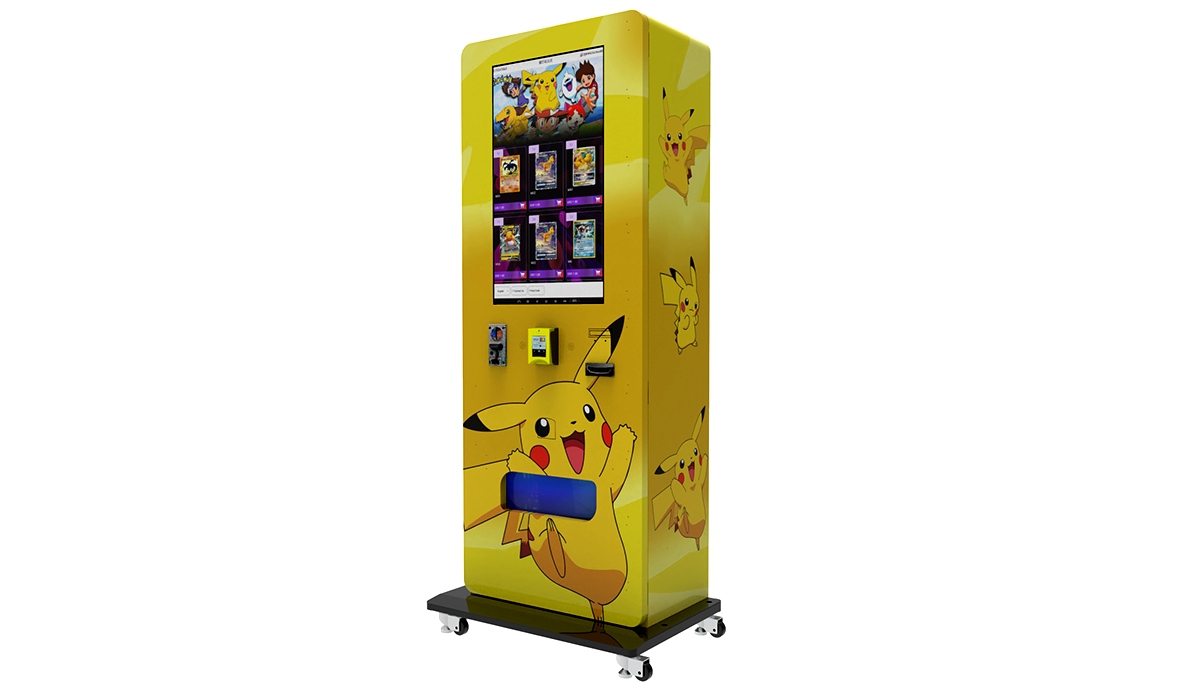
Based on my own route data and industry benchmarks from IBISWorld, a well-placed healthy vending machine in a high-traffic location can generate between $1,000 and $2,500 per month in revenue. After subtracting the cost of goods, restocking labor, and maintenance, the net profit typically falls between $300 and $800 per machine per month. That is a reasonable return if you have a route of 20 to 30 machines. But do not expect to get rich from a single machine. This is a volume business.
Maintenance and Repair Considerations
Healthy vending machines require the same basic maintenance as traditional units, but there are a few extra considerations. Refrigerated units need periodic cleaning of condenser coils and checking of coolant levels. Payment systems need firmware updates. Shelves and spirals need adjustment as product sizes change. I budget about $300 to $500 per machine per year for maintenance and unexpected repairs. If you are not handy with tools, you will need to factor in the cost of a vending machine repair technician. That can run $75 to $150 per service call.
Self-Service Kiosks and Automated Retail Trends
The line between a traditional vending machine and a self-service kiosk is blurring. Many modern machines now include touch screens, dynamic pricing, and remote monitoring. These features are especially useful for healthy vending because they allow you to adjust prices based on demand and track inventory in real time. I have seen operators use remote monitoring to reduce waste by 15% simply by knowing exactly when to restock. If you are serious about healthy vending, consider investing in a machine with telemetry capabilities.
Partnership Models: Lease, Buy, or Revenue Share
You have three main ways to get into the vending business. Each has its pros and cons:
| Model | Initial Cost | Monthly Cost | Control | Profit Potential |
|---|---|---|---|---|
| Buy outright | $3,000 - $10,000 | None | Full | Highest |
| Lease | $0 - $500 down | $150 - $400 | Limited | Moderate |
| Revenue share with location | $0 | 10% - 20% of sales | Shared | Lower per machine |
For beginners, I recommend buying a single used machine to start. You learn the operational ropes without a large financial commitment. Once you understand the rhythm of restocking and maintenance, you can scale up.
Legal Considerations and Permits
In most U.S. states and European countries, you need a business license and a reseller permit to operate vending machines. Some municipalities require specific health permits if you sell perishable items. In France, for example, you may need to register with the local chambre de commerce and comply with food safety regulations outlined by Service-Public.fr. Always check local requirements before placing your first machine. Fines for operating without proper permits can wipe out your profits quickly.
Real-World Example: A Healthy Vending Machine in a Corporate Office
I placed a refrigerated healthy vending machine in a corporate office with about 300 employees. The machine was stocked with protein bars, yogurt, fresh fruit cups, and bottled water. The initial investment for the machine was $7,500. Monthly revenue averaged $1,800. Cost of goods was about $900. Restocking labor was $150. Maintenance and credit card fees added another $100. Net profit per month was roughly $650. The machine paid for itself in about 11 months. That is a solid return, but it only worked because the location had high foot traffic and a health-conscious workforce.
How to Avoid Waste and Optimize Inventory
Waste is the silent killer in healthy vending. Here are strategies I have used to keep waste under 5%:
- Start with a small number of SKUs and expand based on sales data.
- Use remote monitoring to track which items sell and which do not.
- Rotate inventory by expiration date during every restocking visit.
- Discount slow-moving items before they expire.
- Donate unsold but still edible items to local food banks for a tax write-off.
Frequently Asked Questions
Are healthy snacks in vending machines profitable?
Yes, they can be profitable, especially in locations with health-conscious customers. The margins are often higher than traditional snacks, but you need to manage waste and restocking carefully. Profitability depends heavily on location and product selection.
How much does a healthy vending machine cost?
A new refrigerated healthy vending machine typically costs between $6,000 and $10,000. Used machines can be found for $2,000 to $5,000, but you may need to invest in upgrades for temperature control and payment systems.
How long does it take to recoup the investment?
Based on my experience, payback periods range from 12 to 30 months, depending on the machine cost, location traffic, and product margins. High-traffic locations with good margins can pay off in under a year.
Should a beginner buy or lease a vending machine?
I recommend buying a single used machine to start. Leasing can be easier upfront, but you have less control and lower profit potential. Once you learn the business, you can decide whether to scale with owned machines or explore leasing options.
Where is the best place to put a healthy vending machine?
Corporate offices, gyms, hospitals, and universities are the best locations. Avoid low-traffic areas or locations where the demographic is not health-conscious. Always evaluate foot traffic and customer profile before committing.
What permits do I need to operate a vending machine?
You typically need a business license and a reseller permit. If you sell perishable items, you may need a health permit. Check with your local government and refer to resources like Service-Public.fr for European regulations.
How do I choose a vending machine supplier?
Look for suppliers with solid build quality, good warranty terms, and availability of spare parts. Zhongda Smart is one option worth considering for healthy vending applications. Always compare multiple suppliers and ask for references.
What happens if the machine breaks down?
You will need to either repair it yourself or hire a vending machine repair technician. I recommend learning basic troubleshooting to save money. Keep a stock of common spare parts like coils, motors, and control boards.
How can I reduce restocking and maintenance costs?
Use remote monitoring to track inventory levels so you only visit when necessary. Plan your route efficiently to minimize travel time. Invest in reliable equipment to reduce breakdowns. These steps can cut your operational costs by 20% or more.
Final Thoughts
Healthy snacks in vending machines are not a gimmick. They represent a genuine shift in consumer behavior, and operators who adapt to this trend can build profitable, sustainable routes. But the success of a healthy vending machine depends on the same fundamentals that have always mattered in this business: good location selection, smart equipment choices, disciplined inventory management, and realistic financial expectations. There is no magic formula, and no machine will run itself profitably without attention and effort. If you are willing to put in the work, healthy vending can be a worthwhile addition to your business. Just go in with your eyes open, and do not believe the hype that healthy snacks automatically mean higher profits. They can, but only if you execute well.
This article was updated on October 2025. All data and insights are based on the author's personal experience and publicly available industry sources. Individual results may vary.