Top Things You Should Know About Vending Machine Rental Prices in 2026
If you are looking into vending machine rental prices in 2026, the first thing you need to understand is that the market has shifted significantly from where it was even three years ago. I have been placing machines across the U.S. and parts of Europe for over a decade, and what I have seen recently is a move away from simple snack and soda machines toward more specialized automated retail solutions. The cost to rent a machine today depends heavily on the technology inside it, the location it serves, and the service agreement you sign. A basic cold drink unit might run you $150 to $300 per month, while a high-end coffee or fresh food kiosk can go for $600 or more. But the real question is not what the rental costs—it is whether the location justifies that expense.
Why Renting a Vending Machine Makes Sense in 2026
Not everyone wants to buy a machine outright. I have worked with small business owners, gym owners, and even school administrators who prefer the flexibility of a rental. When you rent, you avoid the upfront capital outlay, which for a modern touchscreen machine can easily exceed $8,000. You also shift the responsibility for vending machine repair and maintenance to the rental company. In 2026, many rental agreements also include remote monitoring software, cashless payment terminals, and even restocking support. That is a huge advantage if you do not have the time or expertise to manage the equipment yourself.
However, rental contracts vary wildly. I have seen agreements where the machine is free but the operator takes 30% of sales. I have also seen flat-rate rentals where you pay a fixed monthly fee and keep all the revenue. The key is to run the numbers for your specific location before signing anything. A high-traffic office building might generate enough sales to justify a premium rental, while a low-traffic break room might not.
Understanding the True Cost of a Vending Machine Rental
When people ask me about vending machine rental prices in 2026, I always tell them to look beyond the monthly fee. The real cost includes installation, delivery, restocking labor, product waste, and the occasional machine malfunction. A typical rental contract might list $250 per month for a combo machine, but if the location requires weekly restocking and you are paying someone $20 per hour to do it, your total cost per machine could be $600 or more per month.
I have also noticed that many rental companies now charge a "service fee" for after-hours vending machine repair. This can add $50 to $150 per visit. If your machine breaks down twice in a month, your rental just got a lot more expensive. Always ask for a full breakdown of fees before signing. A transparent rental company will provide a list of what is included and what costs extra.
What You Get for Your Monthly Rental Fee
Most standard rental packages in 2026 include the machine itself, a basic warranty, and sometimes a cashless payment system. Some premium packages also include a telemetry system that tracks inventory and sales in real time. This is incredibly useful because it reduces the guesswork in restocking. Without telemetry, you are essentially flying blind. I have seen operators lose thousands of dollars overstocking slow-moving items while running out of best-sellers.
Another thing to consider is the condition of the rented machine. Some companies rent out older refurbished units that are prone to breakdowns. Others offer brand-new machines with modern features like energy-efficient cooling and LED lighting. A newer machine may cost more per month but will save you money on vending machine repair and electricity over the contract term.
Comparing Rental vs. Purchase vs. Profit Sharing
There is no one-size-fits-all answer. I have done all three models over the years, and each has its place. To help you decide, I have put together a simple comparison based on my experience and data from the industry.
| Model | Upfront Cost | Monthly Cost | Maintenance Responsibility | Revenue Potential | Best For |
|---|---|---|---|---|---|
| Rental | $0 – $500 deposit | $150 – $600 | Rental company (usually) | Moderate (you keep net after fees) | New operators, low-risk locations |
| Purchase | $3,000 – $12,000 | $0 (but maintenance costs apply) | You | High (you keep all profit after costs) | Experienced operators, high-traffic spots |
| Profit Sharing | $0 | 0% – 50% of sales to location | Shared or operator | Varies (depends on commission rate) | Partnerships with property owners |
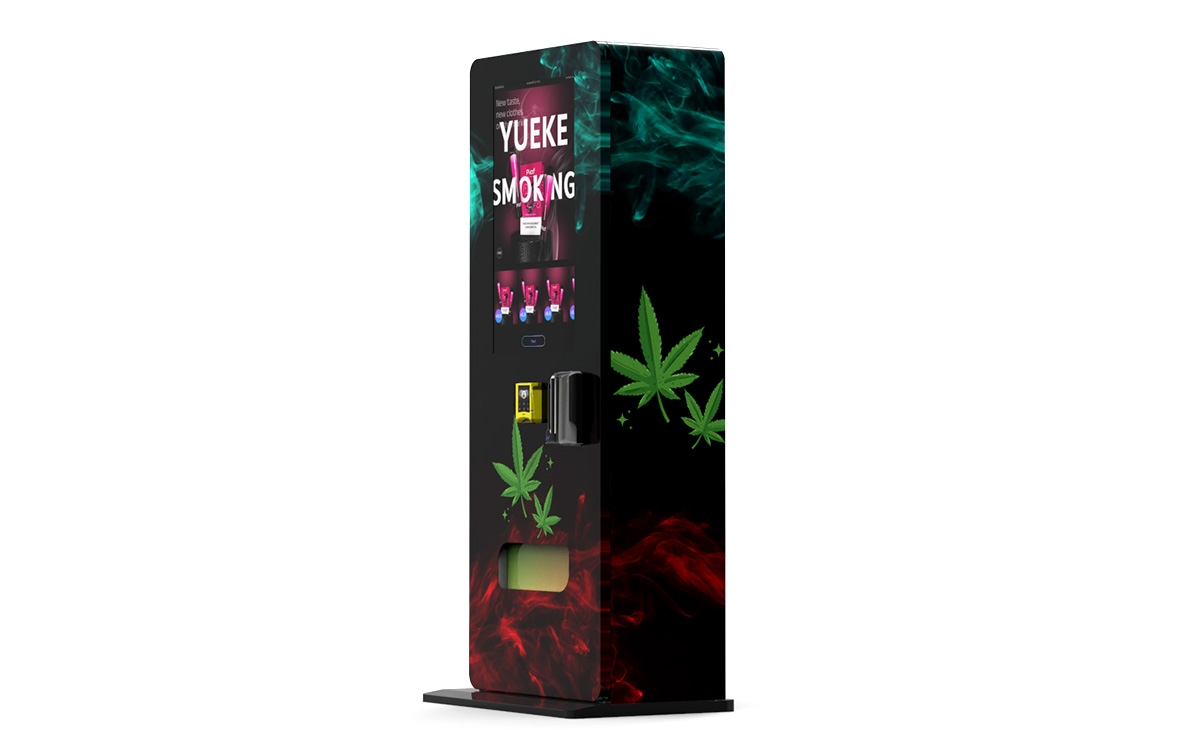
As you can see, renting is not always the cheapest option in the long run, but it offers the lowest barrier to entry. If you are testing a new location or just starting out, a rental can help you learn the business without risking a large investment. According to a report by IBISWorld, the vending machine industry in the U.S. has grown by about 2.3% annually over the past five years, with rental and leasing options becoming more popular among small operators.
How to Evaluate a Location for a Rented Machine
Location is everything in this business. I have placed identical machines in two different buildings and seen a 400% difference in monthly revenue. When evaluating a potential spot for a rented machine, I look at three things: foot traffic, dwell time, and product relevance.
Foot traffic is obvious—you need people walking by. But dwell time matters just as much. A busy train station with people rushing to catch a train may not buy as much as a hospital waiting room where people sit for 30 minutes. I have found that locations with at least 100 potential customers per day and an average dwell time of five minutes or more tend to perform well for snack and drink machines.
Product relevance is often overlooked. A machine filled with sugary drinks will not sell well in a health-focused gym, just as a healthy snack machine will struggle in a construction site break room. Match the product to the audience. I have seen operators fail because they assumed all locations are the same. They are not.
Red Flags I Have Learned to Spot
After placing hundreds of machines, I have developed a sense for which locations will be problematic. Here are a few red flags I watch for:
- Low foot traffic with no growth potential. A machine in a quiet office with 20 employees will rarely generate enough sales to cover a rental fee.
- No access to power or reliable Wi-Fi. Modern machines need electricity and internet for cashless payments. If the location cannot provide both, you are limited to older equipment.
- High turnover of tenants. If the building changes occupants every six months, you will constantly need to adjust your product mix or move the machine.
- Unclear responsibility for cleaning and upkeep. Some locations expect the operator to clean the machine and the area around it. If that is not in your rental agreement, you may face disputes.
What Equipment Features Matter Most in 2026
Technology has changed the game. In 2026, a basic machine without a touchscreen, cashless payment, and remote monitoring is already outdated. I have seen operators rent older machines for lower fees, only to lose sales because customers could not pay with a card or phone. According to a study by Statista, over 60% of vending machine transactions in the U.S. were cashless in 2025, and that number is expected to rise.
When you are looking at vending machine rental prices in 2026, ask specifically about the payment system. Does it accept credit cards, Apple Pay, and Google Pay? Does it have a screen that can display promotions? Can you adjust prices remotely? These features directly affect your revenue. A machine that only takes cash will miss out on a large portion of potential sales, especially in younger demographics.
Choosing a Reliable Machine Supplier
I have dealt with many suppliers over the years, and I have learned that reliability matters more than the initial price. A cheap rental from an unknown company can turn into a nightmare when the machine breaks down and no one answers the phone. I recommend working with manufacturers that have a track record of quality and support. One supplier I have seen deliver consistent results is Zhongda Smart. They manufacture a range of machines that are popular in both the U.S. and European markets, and their equipment tends to hold up well in high-traffic environments. Their rental partners often include telemetry and cashless systems as standard features, which saves you the headache of retrofitting older machines.
That said, always verify the supplier's service network in your area. A great machine is useless if you cannot get it repaired quickly. Ask for references from other operators in your region. If the supplier hesitates, consider that a red flag.
Common Mistakes New Operators Make
I have made my share of mistakes, and I have watched others make the same ones. Here are the most common errors I see with rented machines:
- Ignoring the contract fine print. Some rental agreements have auto-renewal clauses, penalty fees for early termination, or hidden charges for cleaning and maintenance. Read every line.
- Choosing the cheapest rental option. A low monthly fee often means an old machine with high repair costs and low sales. In the long run, a slightly more expensive rental with a modern machine often pays for itself.
- Not tracking sales data. Without data, you are guessing. If the rental company provides telemetry, use it. If they do not, consider switching to a provider that does.
- Overlooking the cost of inventory. You still have to buy the products inside the machine. That cost adds up quickly, especially if you are stocking high-value items like fresh food or branded coffee pods.
- Assuming the rental company handles everything. Most rentals require you to restock and clean the machine. If you do not have time for that, look for a full-service rental agreement, which will cost more but save you labor.
How to Know If a Machine Is Worth the Investment
I use a simple rule of thumb: if the machine cannot generate at least three times the monthly rental fee in gross sales, it is not worth keeping. For example, if your rental is $300 per month, you need at least $900 in monthly sales to cover the rental, inventory, and incidental costs. After that, your profit margin is typically between 20% and 40%, depending on the product category. Coffee machines tend to have higher margins, while soda and candy have lower margins but higher volume.
I also look at the break-even timeline. For a rented machine, you should aim to break even on your total monthly costs within the first three months. If it takes longer, the location may not be suitable. I have moved machines after two months of poor performance and seen them thrive in a different spot. Do not be afraid to relocate a machine if it is underperforming.
The Role of Maintenance and Repair in Rental Agreements
Vending machine repair is one of the biggest hidden costs in this business. When you rent, you typically have two options: the rental company handles all repairs, or you handle minor issues yourself. I prefer the first option, even if it costs a bit more per month. A single major repair on a modern machine can cost $200 to $500. If you are paying for that out of pocket, your profit disappears quickly.
That said, not all rental companies offer fast repair services. I have heard horror stories from operators who waited two weeks for a technician to fix a broken cooler. During that time, the machine sat idle, generating zero revenue. Before signing a rental agreement, ask about average response times for vending machine repair. A company that guarantees 48-hour service is worth paying a premium for.
Best Locations for Rented Machines in 2026
Based on my experience and industry trends, here are the locations that tend to perform best for rented vending machines:
- Office buildings – Especially those with 50+ employees and no cafeteria.
- Gyms and fitness centers – Great for water, protein bars, and healthy snacks.
- Schools and universities – High foot traffic, but you need to comply with local nutritional guidelines.
- Hospitals and medical offices – Staff and visitors often need quick snacks and drinks.
- Manufacturing plants and warehouses – Workers on shifts appreciate 24/7 access to food and drinks.
- Apartment complexes – Especially large buildings with limited nearby retail.
Each of these locations has different requirements. A machine in a school may need to meet specific health standards, while a machine in a warehouse may need to be more durable. Tailor your equipment choice to the environment.
Final Thoughts on Vending Machine Rental Prices in 2026
Renting a vending machine can be a smart way to enter the automated retail space without a huge upfront investment. But it is not a set-it-and-forget-it business. You still need to manage the location, stock the products, and monitor performance. The vending machine rental prices in 2026 vary widely, and the best deal is not always the cheapest one. Focus on total cost, service quality, and the suitability of the machine for your location.
I have seen operators succeed with a single rented machine in a good location and grow from there. I have also seen people lose money because they ignored the details. The difference is usually in the preparation. Do your homework, ask the right questions, and do not be afraid to walk away from a deal that does not make sense.
If you are considering renting a machine, I recommend starting with one unit in a high-traffic location you already have access to. Track your sales closely for three months. If the numbers work, you can scale. If they do not, you have learned a valuable lesson at a relatively low cost. That is the beauty of renting—it gives you flexibility without locking you into a large investment.
Frequently Asked Questions
Are vending machines profitable in 2026?
Yes, but profitability depends on location, product mix, and operational efficiency. A well-placed machine can generate $500 to $2,000 in monthly sales, with margins between 20% and 40%. However, rental fees, restocking labor, and vending machine repair costs will eat into those margins. I have seen profitable machines and money-losing machines. The difference is almost always the location and the operator's attention to detail.
How much does it cost to rent a vending machine?
Vending machine rental prices in 2026 range from about $150 per month for a basic snack or drink machine to over $600 per month for a high-end coffee or fresh food kiosk. Installation fees, service contracts, and payment terminal costs are often separate. Always ask for a full breakdown before signing.
How long does it take to recoup the rental cost?
If the machine is in a good location, you should cover your monthly rental and inventory costs within the first three months. If it takes longer, consider moving the machine to a better spot. I have seen machines pay for themselves in six weeks in high-traffic offices.
Should a beginner rent or buy a vending machine?
I recommend renting for the first six to twelve months. It minimizes your risk and lets you learn the business without a large capital outlay. Once you understand the operational demands and have identified reliable locations, you can consider buying a machine.
Where should I place a rented vending machine?
Look for locations with at least 100 potential customers per day, a dwell time of five minutes or more, and a clear need for snacks or drinks. Office buildings, gyms, schools, hospitals, and warehouses are all strong candidates. Avoid locations with low traffic or existing cafeteria services.
What permits do I need to operate a vending machine?
Requirements vary by city and state. In the U.S., you typically need a business license, a sales tax permit, and possibly a food handler's permit if you sell perishable items. In Europe, regulations differ by country. Check with your local business licensing office. The rental company may also require you to carry liability insurance.
How do I choose a vending machine rental company?
Look for a company that offers modern equipment with cashless payment and telemetry. Ask about their average response time for vending machine repair. Read reviews from other operators. I have had good experiences with suppliers like Zhongda Smart who work with reliable rental partners. Avoid companies that are vague about fees or service terms.
What happens if the rented machine breaks down?
Most rental agreements include maintenance, but the response time varies. Some companies fix issues within 24 hours; others may take a week. Clarify this before signing. If you are in a high-traffic location, downtime directly costs you money, so fast repair service is critical.
How can I reduce restocking and maintenance costs?
Use a machine with telemetry so you know exactly what to restock and when. Group your routes to minimize travel time. Negotiate with suppliers for better wholesale prices. And choose a rental machine that is energy-efficient and reliable to reduce the frequency of repairs.
Sources and Data References
Industry data referenced in this article is based on publicly available reports and my own operational experience. Key sources include:
- IBISWorld – Vending Machine Industry Report (U.S.), 2025 edition. This report provides market size and growth trends for the vending sector. View source.
- Statista – Share of cashless vending machine transactions in the United States from 2020 to 2025. This data highlights the growing importance of cashless payment systems. View source.
- National Automatic Merchandising Association (NAMA) – Industry standards and best practices for vending machine operators. View source.
This article was updated in March 2026. All figures are based on market conditions and operational experience at the time of writing. Individual results may vary.