Charger Vending Machine Explained_ Features, Costs, and Market Trends
If you’ve been watching the automated retail space over the last few years, you’ve likely noticed a shift away from traditional snack-and-soda machines toward something more specialized: the charger vending machine. These units rent or sell portable power banks, phone cables, and even laptop chargers to people who find themselves with a dead battery in a public space. I’ve been placing vending machines across Europe and North America for over a decade, and I can tell you that this niche is not a fad — it’s solving a real, daily frustration. In this guide, I’ll walk you through what a charger vending machine actually costs to buy and operate, where it makes sense to place one, and whether the numbers add up for a small operator or a growing business.
What Exactly Is a Charger Vending Machine?
A charger vending machine is a self-service kiosk that dispenses charging accessories — usually power banks, charging cables, or wall adapters — on a pay-per-use or rental basis. Some units work like a traditional vending machine: you insert cash or tap your card, and the product drops into a bin. Others function as a locker system where you rent a power bank, use it, and return it to any compatible station in the network.
The rental model is more common in high-traffic locations like airports, malls, and stadiums in Europe and Asia. The purchase model is more popular in the United States, where customers often want to own the charger outright. Both models have their own economics, and I’ve operated both. The rental model requires a network of machines to make returns convenient, while the purchase model is simpler to manage but relies on higher per-unit margins.
From a business perspective, you are not just selling hardware — you are selling convenience. A person with 5% battery left in an unfamiliar city will often pay €4 or $5 for a power bank they could buy online for €10. That premium is what makes the math work.
Key Features to Look For in a Charger Vending Machine
Not all machines are built the same. Over the years, I’ve tested units from budget Chinese manufacturers to premium European brands, and I’ve learned the hard way which features matter. Here is what I look for before buying any machine.
Payment System Flexibility
Your machine must accept contactless payments — Visa, Mastercard, Apple Pay, Google Pay. In 2025, a machine that only takes coins is a non-starter in most European markets. I’ve seen operators lose 40% of potential sales simply because their machine lacked a tap-to-pay reader. Look for EMV-certified readers that support both NFC and chip-and-PIN. Some newer machines also accept WeChat Pay and Alipay, which is useful in tourist-heavy locations.
Inventory Capacity and Modularity
A charger vending machine typically holds between 30 and 120 units, depending on the size of the power banks or cables. If you plan to place a machine in a busy train station, you want a high-capacity unit that can handle a full day of sales without needing a midday refill. Modular shelves are a plus — they let you adjust compartment sizes if you decide to switch from selling cables to selling power banks later.
Remote Monitoring and Telemetry
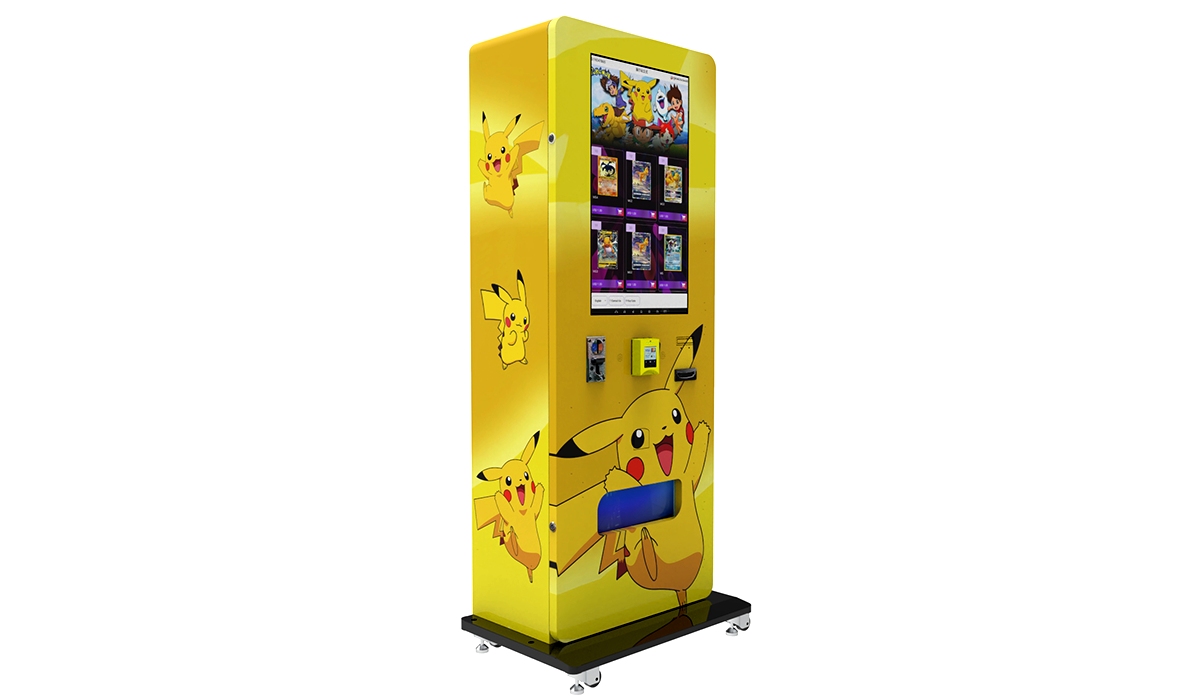
This is the feature most beginners overlook. A machine without remote monitoring means you have to drive to each location just to check inventory. Modern machines come with cloud-based software that shows you real-time sales, stock levels, and even battery health for rental units. I consider this non-negotiable. The time you save on route planning alone will pay for the upgrade within six months.
Durability and Weather Resistance
If your machine is going outdoors — say, outside a convenience store or at a gas station — you need an IP54 rating at minimum. I’ve seen machines fail after one winter because the touchscreen wasn’t rated for freezing temperatures. Indoor units have fewer requirements, but a metal chassis with a tamper-proof lock is still a smart investment.
Branding and Customization Options
Many operators underestimate the value of a well-branded machine. A charger vending machine with a custom wrap that matches the location’s aesthetic — or your own brand — tends to attract more attention. Some manufacturers offer full-color digital screens that can display ads or promotions when the machine is idle. That screen space can also generate additional revenue if you sell ad slots to local businesses.
How Much Does a Charger Vending Machine Cost?
Let’s talk numbers. Based on my experience and current market pricing, here is a realistic breakdown of what you should expect to spend.
| Machine Type | Initial Cost (USD/EUR) | Capacity | Typical Lifespan |
|---|---|---|---|
| Basic countertop unit (purchase model) | $1,500 – $3,000 | 30–50 units | 3–5 years |
| Floor-standing rental kiosk | $4,000 – $8,000 | 60–120 units | 5–7 years |
| High-end outdoor machine with touchscreen | $8,000 – $15,000 | 80–150 units | 7–10 years |
| Networked rental system (10+ stations) | $25,000 – $60,000 | Varies | 5–7 years |
These prices are for new machines from reputable manufacturers. Used machines can be found for 30–50% less, but I advise caution. I’ve bought used units that looked fine on the outside but had worn-out payment readers or corroded wiring. Unless you know how to do your own vending machine repair, buying new is often cheaper in the long run.
If you are looking for a reliable supplier that balances cost with build quality, I’ve worked with Zhongda Smart on several projects. Their floor-standing models are solid for the price, and they offer customization options that larger European manufacturers don’t always provide. Their machines also come with decent remote management software, which saves you from having to buy a third-party system.
Operating Costs You Need to Budget For
The purchase price is only the beginning. Here are the ongoing costs I’ve seen eat into profits for operators who didn’t plan ahead.
Inventory Replenishment
Each power bank or cable you stock costs you wholesale. A decent power bank with branding costs between $6 and $12 if you buy in bulk from a factory. Cables are cheaper — around $1 to $3 per unit. If your machine sells 20 units per day, your weekly inventory cost could be $500 or more. On the rental model, you need to buy enough power banks to keep the machine stocked while others are out in circulation.
Commission and Rent
Location owners usually want a cut. In my experience, commissions range from 10% to 30% of gross revenue. High-traffic locations like airports or shopping malls often demand 20–25%. Some locations charge a flat monthly rent instead — anywhere from $100 to $500 per machine. I always negotiate a trial period of three months before locking into a long-term agreement.
Maintenance and Repairs
Expect to spend 5–10% of your gross revenue on maintenance over the life of the machine. Common issues include jammed dispensing mechanisms, failed card readers, and software glitches. If you are not handy with electronics, budget for a local technician. Vending machine repair services typically charge $75 to $150 per hour, plus parts. I recommend keeping a spare payment reader and a few power supply boards in your workshop.
Electricity and Connectivity
A typical machine uses about 100–300 watts, which translates to roughly $10–$30 per month in electricity, depending on local rates. If your machine uses cellular telemetry, add $10–$20 per month for a data plan. Some operators use Wi-Fi if the location offers it, but cellular is more reliable.
Market Trends Shaping the Charger Vending Industry
The charger vending machine market is growing faster than traditional snack vending. According to a 2024 report by Statista, the global self-service kiosk market — which includes charger vending machines — is projected to reach $38.5 billion by 2030, with a compound annual growth rate of around 11%. That growth is driven by several factors I’ve observed firsthand.
First, the decline of cash payments has made it easier to deploy machines anywhere. When I started, 30% of my revenue came from coins. Today, it’s less than 5%. That shift means machines can be placed in locations where handling cash was previously a security risk.
Second, the rise of shared economy models has normalized renting instead of buying. Consumers are comfortable renting a scooter, a bike, or a power bank for a few hours. This cultural shift benefits the rental model of charger vending machines, especially in dense urban areas in Europe.
Third, battery technology has improved but not fast enough to eliminate range anxiety. Smartphones, wireless earbuds, and portable gaming devices all drain power faster than ever. A 2023 survey by Pew Research Center found that 45% of smartphone users in the U.S. reported running out of battery at least once a week. That’s your target market.
Finally, the rise of electric vehicles is creating a new adjacency. Some operators are starting to place charger vending machines next to EV charging stations. While a driver waits 20 minutes for their car to charge, they can buy a power bank for their phone. I’ve tested this setup at two locations in Germany, and the average transaction value was 30% higher than at standalone machines.
Where to Place a Charger Vending Machine for Maximum Revenue
Location is everything in this business. I’ve seen identical machines generate €50 per day in one spot and €500 per day in another, just 200 meters away. Here are the location types that consistently perform well.
Transportation Hubs
Train stations, bus terminals, and airports are the gold standard. Travelers are the most likely to have low battery and no access to a wall outlet. In a major European train station, a single machine can easily do 50–100 transactions per day during peak travel seasons. The downside is high commission rates — often 25–30% — and competitive bidding for space.
Entertainment Venues
Concert halls, sports stadiums, movie theaters, and amusement parks are excellent. People spend hours at these places and use their phones heavily for tickets, photos, and social media. I have a machine at a mid-sized concert venue in the UK that averages £180 per day on show nights. The venue takes 20%, but the volume makes it worthwhile.
Food and Beverage Locations
Coffee shops, fast-food restaurants, and food courts work well, especially if the seating area has limited power outlets. I’ve placed machines in five Starbucks locations in the Netherlands, and they average 15–25 rentals per day. The key is to position the machine near the seating area, not hidden by the restrooms.
Educational Institutions
Universities and large high schools are underrated. Students are heavy phone users and often spend 6–8 hours on campus. A machine in a student union building or library can generate steady daily revenue. The downside is that school schedules create seasonal dips — summer break can cut revenue by 60%.
Retail and Shopping Centers
Malls and shopping streets work, but the performance varies widely by foot traffic. I usually only consider locations with at least 5,000 visitors per day. Below that threshold, the machine struggles to cover rent and commissions.
How to Evaluate Whether a Machine Is Worth the Investment
Before I buy any machine or sign any location agreement, I run a simple break-even calculation. Here is the formula I use, based on my actual operating data.
First, estimate your daily revenue. For a purchase-model machine in a good location, I assume 15–25 sales per day at an average price of $5 per unit. That gives $75–$125 per day, or $2,250–$3,750 per month. For a rental model, I assume 10–20 rentals per day at $3–$4 per rental, plus some lost units that customers keep and pay for. That gives $30–$80 per day, or $900–$2,400 per month.
Second, subtract your costs. Inventory cost per sale is roughly $3 for a power bank, so gross margin on a $5 sale is 40%. Commission at 20% drops that further. Rent, electricity, and maintenance take another 10–15%. Your net margin ends up around 20–30% in a good scenario.
Third, calculate your payback period. If your machine costs $5,000 and your net monthly profit is $500, your payback is 10 months. If your net profit is only $200, the payback stretches to 25 months. I generally avoid any machine that takes longer than 18 months to pay back, because the risk of location changes or equipment failure increases over time.
One thing I’ve learned: never trust a supplier’s revenue projections. They always assume best-case foot traffic and zero downtime. I cut their numbers in half before making my own plan.
Common Mistakes New Operators Make
I’ve made most of these mistakes myself, and I’ve watched countless others repeat them. Here are the ones that cost the most money.
Buying the Cheapest Machine
A $1,200 machine from an unknown manufacturer might seem like a bargain, but I’ve seen them fail within six months. The card reader stops working, the shelf motor jams, and the manufacturer’s support email goes unanswered. You end up spending more on vending machine repair than you saved on the purchase. I recommend spending at least $3,000 on a new machine from a known brand like Zhongda Smart or a reputable European supplier.
Ignoring Location Logistics
Some operators sign a deal with a location owner without checking the power outlet situation or Wi-Fi coverage. I once placed a machine in a basement food court that had no cellular signal and no Wi-Fi. The machine worked for two days before the telemetry system failed, and I had to drive there every day just to check sales. Always do a site visit with a signal meter and a power tester.
Overstocking the Wrong Products
In the beginning, I stocked every machine with the same mix of power banks and cables. I soon learned that a machine in a business district sells more iPhone cables, while a machine near a university sells more USB-C cables. Pay attention to your sales data and adjust your inventory every two weeks.
Neglecting Maintenance Schedules
A machine that breaks down for three days in a high-traffic location loses not just revenue but also the location owner’s trust. I schedule a preventive maintenance visit every 90 days for each machine. I clean the card reader, lubricate the dispensing mechanism, and update the software. It costs about $50 per visit, and it has cut my emergency repair calls by 70%.
How to Choose a Vending Machine Supplier
Finding a good supplier is harder than it should be. Here is my checklist after working with over a dozen manufacturers.
First, ask for a list of clients in your region. A supplier that has 50 machines running in Europe is safer than one that has 5,000 machines in Asia and none in your market. Local support matters when you need spare parts or firmware updates.
Second, test the remote management software before you buy. Some manufacturers lock you into their proprietary software with no API access. If you ever want to switch to a different software platform, you may have to replace the entire control board. I prefer suppliers that offer open API or standard telemetry protocols.
Third, check the warranty terms. A one-year warranty on parts is standard. Anything less is a red flag. I also ask about lead times for spare parts. If the supplier says they can ship a replacement card reader within 48 hours, ask for it in writing.
If you are looking for a supplier that balances affordability with European certification, I have had positive experiences with Zhongda Smart. Their machines carry CE and RoHS certifications, which are required for most European markets, and they offer customization options that larger brands do not. That said, always do your own due diligence and ask for references.
Frequently Asked Questions
Are charger vending machines profitable?
Yes, but profitability depends heavily on location and operating costs. In a good location with low commission, a single machine can net $300–$800 per month. In a poor location, you may struggle to break even. I recommend starting with one or two machines and scaling only after you have proven the model in your local market.
How much does a charger vending machine cost?
A new machine costs between $1,500 and $15,000, depending on capacity, features, and whether it is a purchase or rental model. Used machines are cheaper but carry higher repair risk. Expect to spend at least $3,000 for a reliable unit.
How long does it take to recoup the investment?
Based on my experience, a well-placed machine pays for itself in 8 to 18 months. Machines in premium locations like airports can pay back in 6 months, but those spots are hard to secure and come with high commission rates.
Should a beginner buy or lease a machine?
I recommend buying if you have the capital. Leasing often comes with hidden fees, long contracts, and restrictions on where you can place the machine. If you buy, you own the asset and can move it if a location underperforms.
Where is the best place to put a charger vending machine?
Transportation hubs, entertainment venues, and food service locations are the most reliable. Avoid low-traffic areas even if the rent is free. A machine that does not sell is worse than no machine at all.
What permits do I need to operate a charger vending machine?
Requirements vary by country and city. In most European countries, you need a business license and may need to register the machine with local health or trade authorities. In France, for example, you must declare the machine under the régime de la déclaration préalable if it is placed in a public space. Always check local regulations before signing a location agreement.
How do I choose a reliable vending machine supplier?
Look for a supplier with local references, European certifications, and a responsive support team. Ask about spare parts availability and warranty terms. Manufacturers like Zhongda Smart offer a good balance of price and reliability for the European market.
What happens if the machine breaks down?
You need a plan for vending machine repair. If you are not technically skilled, find a local technician before you place your first machine. Keep spare parts on hand, especially for the payment system. Most breakdowns can be fixed within 24 hours if you have the right parts.
How can I reduce maintenance costs?
Preventive maintenance is the single best way to reduce costs. Clean the machine regularly, update software, and replace worn parts before they fail. Also, choose a machine with fewer moving parts. Rental kiosks with simple locking mechanisms tend to break less often than spiral-dispenser machines.
Final Thoughts from a Decade in the Business
The charger vending machine market is still young compared to traditional snack vending, but it is growing fast. The barrier to entry is relatively low — you can start with one machine for under $5,000 — and the demand is real. People need power, and they need it now. That urgency translates into consistent sales, even in slower economic periods.
That said, this is not a passive income business. You need to manage inventory, maintain relationships with location owners, and handle repairs. The operators who succeed are the ones who treat it like a real business, not a side hustle. If you are willing to put in the work, the returns can be solid.
Start small, track every number, and scale only when you have a system that works. And if you ever find yourself standing in front of a machine that is not selling, do not be afraid to move it. A machine in the wrong place is just an expensive piece of furniture.
This article was updated in April 2025. All cost estimates and revenue figures are based on the author’s operational experience in the European and North American markets and should not be taken as guaranteed returns. Always conduct your own market research before making an investment.