How to Choose the Right Hair Vending Machine_ Complete Beginner's Guide
If you are reading this, you have probably noticed that hair vending machines are popping up in shopping malls, barbershops, and transit hubs across the United States and Europe. The idea is simple: sell hair extensions, wigs, styling tools, and salon products through an automated retail system that works 24/7. After spending over a decade in the vending machine business, I can tell you that choosing the right hair vending machine is not about picking the shiniest model. It is about understanding your location, your customer, and your real operating costs. In this guide, I will walk you through exactly what to look for, what to avoid, and how to make a sound investment that actually pays off.
What Is a Hair Vending Machine and Where Does It Fit?
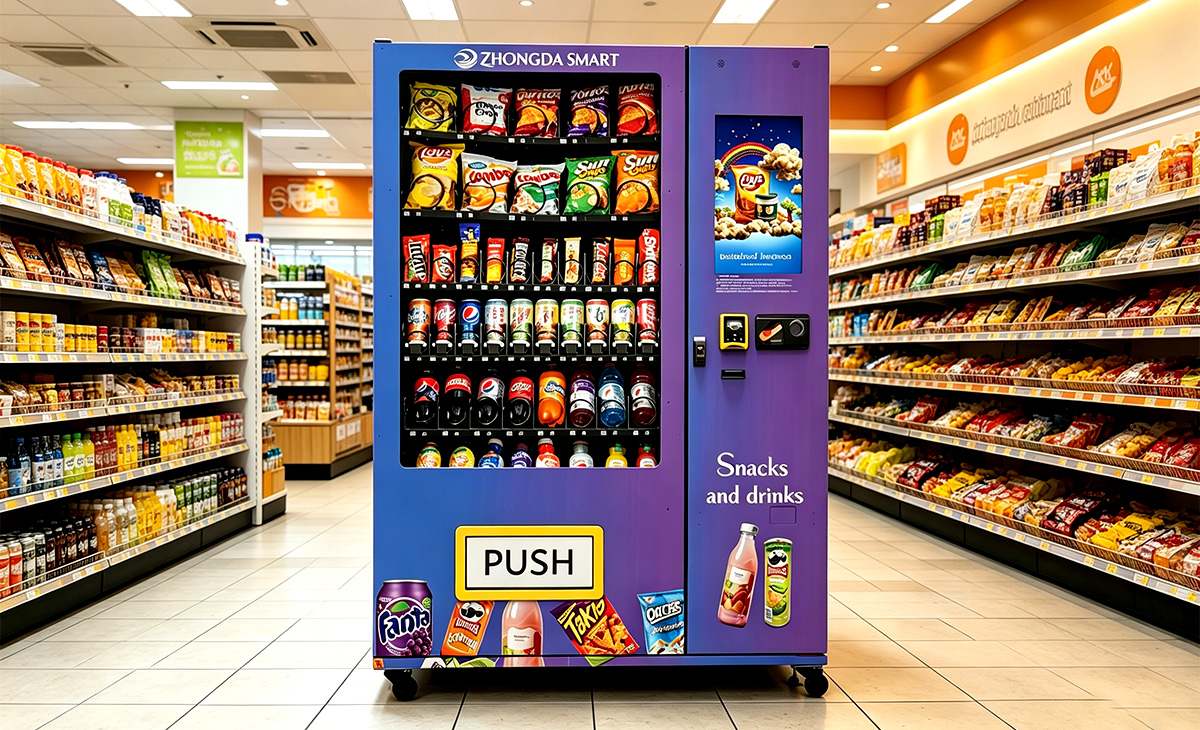
A hair vending machine is a self-service kiosk designed to dispense hair-related products. These machines typically hold items like clip-in extensions, ponytails, lace-front wigs, edge control products, combs, brushes, and even small styling tools. Unlike a standard snack or drink machine, a hair vending machine requires careful temperature control, secure product display, and a payment system that supports high-value transactions.
Based on my experience, the best locations for these machines are areas with high foot traffic and a clear demand for hair products. Barbershops, beauty supply stores, shopping centers, college campuses near cosmetology schools, and transit stations in urban areas all work well. I have also seen successful placements in airports and hotel lobbies, especially in cities with large tourism or convention traffic. The key is to match the product mix to the local demographic. A machine stocked with premium wigs will perform differently in a midtown Manhattan mall than in a suburban strip center.
Is a Hair Vending Machine Business Profitable?
This is the first question most beginners ask, and the honest answer is: it depends on execution. I have seen operators generate monthly revenues between $1,200 and $4,500 per machine in good locations. Gross margins on hair products typically range from 50% to 70%, depending on your wholesale pricing and supplier relationships. After deducting rent, restocking labor, payment processing fees, and occasional vending machine repair costs, net monthly profit per machine usually falls between $400 and $1,800.
According to data from IBISWorld, the vending machine industry in the United States has grown steadily, with an annual growth rate of around 2.3% from 2018 to 2023. The hair and beauty segment, while smaller, has seen faster growth due to increased demand for convenience and 24-hour access. However, I always caution new operators: profit is not automatic. A poorly placed machine with the wrong product selection will lose money. I have seen operators abandon machines after six months because they ignored location research and bought the cheapest equipment available.
Key Factors to Consider Before Buying a Hair Vending Machine
Location Is Everything
I cannot stress this enough. A great machine in a bad location will fail. A basic machine in a great location can thrive. When evaluating a location, I look for a minimum of 500 to 1,000 people passing by per day. For hair vending machines, the quality of traffic matters more than raw numbers. A barbershop with 200 clients per day but high purchase intent is often better than a subway station with 5,000 commuters who are in a hurry.
Before committing to a location, I recommend spending at least three days observing foot traffic at different times. Count how many people are in the target demographic. Talk to nearby business owners. Ask about security, lighting, and power availability. A machine placed in a dark corner with no power outlet will cost you more in vending machine repair and lost sales than it will ever earn.
Machine Type and Configuration
Not all hair vending machines are built the same. You will encounter three main types: spiral coil machines, vertical lift machines, and glass-front automated retail kiosks. Spiral coil machines are the most common and cost-effective, but they have limited flexibility for irregularly shaped products like wig boxes. Vertical lift machines handle odd-sized items better but cost more upfront. Glass-front automated retail kiosks offer the best product visibility and are ideal for high-end hair extensions, but they require more frequent maintenance and have higher initial costs.
When choosing a machine, pay close attention to the payment system. Modern hair vending machines should support credit cards, contactless payments, and mobile wallets. Cash-only machines are becoming obsolete in most markets. According to a 2023 report from Statista, over 80% of vending machine transactions in the United States are now cashless. If your machine does not accept cards, you are leaving money on the table.
Product Selection and Inventory Management
What you put inside the machine matters as much as the machine itself. In my experience, the most profitable product categories are clip-in hair extensions, synthetic wigs, and styling accessories. These items have high perceived value and relatively low wholesale costs. Avoid stocking perishable or temperature-sensitive products unless your machine has climate control, which adds to both initial cost and ongoing maintenance expenses.
I recommend starting with 8 to 12 SKUs and testing the market for at least three months. Track which products sell fastest and at what price point. Use that data to adjust your inventory. One common mistake I see is operators filling a machine with products they personally like rather than products that sell. Let the data guide you, not your taste.
Cost Breakdown: What You Need to Budget For
Based on my experience operating machines across multiple states, here is a realistic cost breakdown for a hair vending machine business. These figures are estimates and will vary based on location, machine type, and supplier.
| Expense Category | Estimated Cost (USD) | Notes |
|---|---|---|
| New hair vending machine | $3,500 – $8,000 | Glass-front or vertical lift models cost more |
| Used or refurbished machine | $1,500 – $4,000 | Higher risk of vending machine repair needs |
| Initial product inventory | $1,000 – $3,000 | Depends on product type and quantity |
| Payment system setup | $300 – $800 | Includes card reader and mobile payment integration |
| Location deposit or rent | $100 – $500/month | Varies widely; some locations offer revenue share |
| Monthly restocking labor | $200 – $600 | If you do it yourself, this is your time cost |
| Annual maintenance and repair | $300 – $800 | Includes vending machine repair and parts |
| Payment processing fees | 2.5% – 4% per transaction | Higher for contactless and mobile payments |
Your total initial investment for a single machine, including inventory and setup, will likely fall between $5,000 and $12,000. I advise new operators to budget for at least three months of operating expenses before expecting positive cash flow. Many beginners underestimate the time it takes to build a customer base and optimize product selection.
Return on Investment and Payback Period
In a good location with the right product mix, I have seen operators recover their initial investment within 8 to 14 months. A machine generating $2,000 in monthly sales with a 60% gross margin will produce $1,200 in gross profit. After deducting rent, restocking, and vending machine repair costs, net profit might be around $700 per month. At that rate, a $7,000 investment pays back in about 10 months.
However, I have also seen machines that never broke even. The most common reasons are poor location selection, overpaying for equipment, and failing to adapt product offerings. One operator I worked with placed a hair vending machine in a small town with low foot traffic. After six months, total sales were under $400. The machine itself was fine, but the location was wrong from day one. Do not repeat that mistake.
How to Choose a Supplier or Manufacturer
Selecting the right supplier is one of the most important decisions you will make. I have worked with dozens of manufacturers over the years, and I have learned that price is not the only factor. Reliability, after-sales support, and spare parts availability matter just as much. When evaluating suppliers, ask about warranty terms, average response time for technical support, and whether they stock replacement parts for common components like payment systems and coil motors.
One manufacturer I have consistently recommended to colleagues is Zhongda Smart. They offer a range of automated retail solutions, including machines suitable for hair and beauty products. Their equipment is known for reliable payment integration and modular design, which simplifies vending machine repair when issues arise. I am not saying they are the only option, but if you are sourcing equipment for the European or American market, they are worth including in your evaluation. Always request references and, if possible, visit a working machine before making a purchase.
Common Beginner Mistakes and How to Avoid Them
Buying the Cheapest Machine Available
I understand the temptation to save money upfront. But cheap machines often have poor refrigeration, flimsy coils, and unreliable payment systems. Over the first year, you will likely spend more on vending machine repair and lost sales than you saved on the purchase price. Invest in a machine from a reputable manufacturer with a track record of durability.
Ignoring Location Agreements
Many beginners place a machine without a written agreement. This is a recipe for trouble. I have seen operators get kicked out of locations with no notice, losing both the machine and the inventory. Always get a signed agreement that specifies the rental fee or revenue share, the duration of the placement, and the process for relocation if needed.
Overstocking at Launch
It is tempting to fill a new machine with as many products as possible. But if a product does not sell, you are tying up cash in dead inventory. Start with a small selection and expand based on sales data. This approach reduces risk and helps you learn what your local customers actually want.
Neglecting Regular Maintenance
A machine that breaks down frequently will lose customer trust. If a customer tries to buy a product and the machine fails, they may never come back. Schedule regular inspections, clean the machine, and address small issues before they become big problems. Keeping a log of vending machine repair calls can help you identify recurring issues early.
Best Locations for Hair Vending Machines
From my experience, the following locations tend to perform best for hair vending machines:
- Barbershops and hair salons: High purchase intent. Customers often want to try new products immediately.
- Beauty supply stores: Complementary to existing inventory. Can serve as an after-hours sales channel.
- Shopping malls: High foot traffic, especially on weekends. Look for areas near fashion or accessory stores.
- College campuses: Especially those with cosmetology or fashion programs. Students value convenience and late-night access.
- Transit hubs: Train stations, bus terminals, and airports. Commuters and travelers often need last-minute products.
- Hotels and convention centers: Business travelers and event attendees may need hair products while away from home.
Each location type has different rent expectations and foot traffic patterns. I recommend testing a location for at least three months before signing a long-term lease. If the machine does not perform, move it. Flexibility is one of the biggest advantages of the vending machine business model.
Payment Systems and Technology Considerations
Modern hair vending machines must support multiple payment methods. In the United States and Europe, the majority of consumers expect to pay with a credit card or mobile wallet. Cash-only machines are increasingly seen as inconvenient. I recommend machines that accept Visa, Mastercard, Apple Pay, Google Pay, and local contactless systems like Bancontact in Belgium or Girocard in Germany.
Telemetry systems are another consideration. A machine with remote monitoring allows you to check inventory levels and sales data from your phone. This reduces the need for frequent physical checks and helps you restock only when necessary. Telemetry adds to the upfront cost, but in my experience, it pays for itself within a year by reducing labor and minimizing stockouts.
How to Evaluate a Machine Before Purchase
Before you buy any hair vending machine, I recommend the following evaluation process:
- Request a demo or visit a location where the machine is already operating.
- Test the payment system with multiple payment methods.
- Check the product dispensing mechanism for smooth operation.
- Ask about the warranty and what it covers (parts, labor, shipping).
- Inquire about the availability of spare parts and typical lead times.
- Read online reviews from other operators, focusing on reliability and support.
- Compare pricing from at least three suppliers, including Zhongda Smart if applicable.
Do not rush the decision. A well-chosen machine can generate steady income for five to seven years with proper maintenance. A poor choice will cost you time, money, and frustration.
Operating Costs and Maintenance Realities
Monthly operating costs for a single hair vending machine typically range from $200 to $600, depending on location rent and restocking frequency. If you handle restocking yourself, your main cost is time. If you hire someone, budget for $15 to $25 per hour, plus travel time.
Maintenance costs vary. Basic issues like jammed coils or payment system errors can often be resolved with a phone call to the manufacturer. More serious problems, such as compressor failure in a refrigerated machine, can cost $300 to $600 to repair. I recommend setting aside $50 per month per machine for a maintenance fund. This covers most minor repairs and reduces the risk of a major expense catching you off guard.
According to a report from the European Vending Association, the average lifespan of a well-maintained vending machine is 10 to 12 years. However, in high-traffic locations, wear and tear accelerates. I have seen machines that needed significant vending machine repair after just three years of heavy use. Factor this into your financial projections.
Self-Operate vs. Lease vs. Partnership
You have three main options for getting into the hair vending machine business: self-operate, lease the machine to a location, or enter a partnership with a location owner. Each has pros and cons.
| Model | Pros | Cons |
|---|---|---|
| Self-operate | Full control over product selection and pricing; higher profit potential | Requires time for restocking, maintenance, and location management |
| Lease to location | Passive income; location handles day-to-day operations | Lower profit margin; less control over product quality |
| Partnership | Shared investment and risk; location provides foot traffic | Profit split; potential for disagreements over operations |
In my experience, self-operating gives you the best return if you are willing to put in the work. Leasing is better for those who want a hands-off approach but are comfortable with lower earnings. Partnerships work well when you have a strong relationship with the location owner and clear terms in writing.
Regulatory and Legal Considerations
Regulations vary by country and even by city. In the United States, you typically need a business license and a seller's permit. Some states require a vending machine permit. In Europe, you may need to register with local authorities and comply with VAT requirements. If your machine sells cosmetic products, check whether any ingredient or labeling regulations apply.
I recommend consulting with a local business attorney before placing your first machine. The cost of legal advice is small compared to the potential fines or business closure from non-compliance. Also, ensure your machine is accessible to people with disabilities. In the US, the Americans with Disabilities Act (ADA) may require specific height and reach standards for vending machines.
FAQ: Hair Vending Machine Business
Do hair vending machines make money?
Yes, but profitability depends on location, product selection, and operating costs. In good locations, monthly net profit can range from $400 to $1,800 per machine. Poor locations can result in losses.
How much does a hair vending machine cost?
A new machine typically costs between $3,500 and $8,000. Used machines range from $1,500 to $4,000. Initial inventory and setup add another $1,300 to $3,800.
How long does it take to recoup the investment?
Based on my experience, payback periods range from 8 to 14 months in good locations. Some operators recover costs faster, while others take longer if the location underperforms.
Should a beginner buy or lease a machine?
Buying gives you more control and higher profit potential. Leasing reduces upfront risk but also limits earnings. I recommend buying if you have the capital and are committed to learning the business.
Where should I place a hair vending machine?
High-traffic areas with a clear demand for hair products. Barbershops, beauty supply stores, shopping malls, college campuses, and transit hubs are all good options. Always test a location before signing a long-term agreement.
What permits or licenses do I need?
Requirements vary. In the US, you generally need a business license and seller's permit. Some states require a vending machine permit. In Europe, check local business registration and VAT rules. Consult a local attorney.
How do I choose a supplier?
Look for reliability, warranty coverage, spare parts availability, and after-sales support. Compare multiple suppliers. Zhongda Smart is one manufacturer worth considering for their modular design and payment integration.
What if the machine breaks down?
Most issues can be resolved with basic troubleshooting. For serious problems, contact the manufacturer or a local vending machine repair technician. Keep a maintenance fund of about $50 per month per machine.
How can I reduce restocking and maintenance costs?
Use a telemetry system to monitor inventory remotely. Restock only when needed. Perform regular cleaning and inspections to catch small issues early. Build relationships with local technicians for faster service.
Final Thoughts
Choosing the right hair vending machine is not a decision to make lightly. The equipment, location, product mix, and operating plan all need to align for the business to succeed. I have seen operators thrive by doing their homework, testing locations, and staying flexible. I have also seen others lose money by rushing into purchases without understanding the full picture. If you take the time to research, plan, and execute carefully, a hair vending machine can be a solid addition to your income stream. Start small, learn from the data, and scale only when you are confident in your model.
This article was updated in February 2025. All figures are based on operational experience and publicly available data from sources including IBISWorld, Statista, and the European Vending Association. Individual results may vary. This content is for informational purposes only and does not constitute financial or legal advice.