Top Things You Should Know About Is Vending Machine Business Profitable in 2026
If you are asking yourself whether a vending machine business is profitable in 2026, the short answer is yes—but only if you treat it like a real business, not a passive income fantasy. I have spent over a decade running vending operations across the United States and parts of Europe, and I can tell you that the market has shifted dramatically. The days of simply placing a candy machine in a break room and collecting cash are long gone. Today, success depends on smart equipment choices, data-driven location selection, modern payment systems, and a solid understanding of operational costs. In this article, I will share what I have learned from years of hands-on experience—what works, what does not, and how to evaluate whether a vending machine business is profitable for your specific situation in 2026.
The Reality of Vending Machine Profit Margins in 2026
Let me start with a number that matters: gross profit margins on vending machine sales typically range from 40% to 65%, depending on what you sell and where you place the machine. That sounds attractive, but it does not account for all the hidden costs. In my experience, the net profit after factoring in machine depreciation, repair, restocking labor, card processing fees, and location commission usually lands between 15% and 30% of gross revenue. For a single machine generating $600 to $1,200 per month in sales, that means you might take home $100 to $350 per machine per month. Not bad for a side hustle, but not enough to quit your day job unless you scale to 20 or 30 machines.
According to a 2023 report by IBISWorld, the vending machine industry in the US alone generated over $8 billion in revenue, with an average annual growth rate of about 2.5%. By 2026, that growth is expected to continue, driven largely by cashless payment adoption and healthier product offerings. However, inflation and rising labor costs are squeezing margins. If you are looking at this business, you need to be realistic about what you can earn and what it will cost to get started.
What Has Changed in the Vending Industry Since 2020
The vending machine business has evolved more in the last five years than in the previous twenty. The biggest shift is payment technology. Cash-only machines are dying fast. In 2026, if your machine does not accept credit cards, Apple Pay, Google Pay, and tap-to-pay, you will lose at least 30% of potential sales. I have seen locations where adding a card reader increased revenue by 40% within the first month. This is not optional anymore—it is table stakes.
Another major change is product mix. Traditional candy and soda machines still work, but the growth is in healthy snacks, protein bars, cold brew coffee, and even fresh food. In Europe, I have seen distributeur automatique units offering salads and sandwiches doing very well in office buildings and hospitals. The key is matching the product to the location. A machine full of energy drinks might do great near a gym but flop in a retirement community.
Remote monitoring is another game-changer. Modern machines come with telemetry systems that tell you exactly what sold, when, and how much inventory you have left. This saves enormous time and money on restocking. Without it, you are driving blind. I made that mistake early in my career—driving out to a machine that was half full while another location was completely empty. Telemetry pays for itself within months.
How to Evaluate a Location Before You Commit
Location is everything in this business. I have seen the exact same machine model generate $1,800 in one spot and $200 in another, just two blocks apart. So how do you evaluate a location before you sign a contract or buy a machine? Here is my checklist, developed from years of trial and error.
First, count foot traffic. I use a simple manual counter for a week, but you can also use a people-counting app. You need at least 100 people passing by per day for a standard snack and drink machine to break even. For high-traffic locations like transit stations or hospitals, 500 or more is ideal. Second, look at the existing competition. If there are already three machines in the building, do not add a fourth unless you have a unique product. Third, check the hours of operation. A machine in a 24-hour facility will sell more than one in a building that closes at 6 PM.
Fourth, talk to the property manager or business owner. Ask about employee turnover, visitor numbers, and whether they have had vending machines before. If they say previous operators left because the machine did not make money, that is a red flag. Fifth, consider the demographics. A machine selling $5 protein bars will not work in a low-income neighborhood, just as a $0.75 candy machine will underperform in an affluent corporate lobby.
One of the best locations I ever had was a small auto repair shop with only 15 employees. But those employees worked 10-hour shifts, had no break room, and were desperate for coffee and snacks. That single machine did over $1,400 a month. Do not underestimate small, captive audiences.
Equipment Costs: What You Should Actually Pay
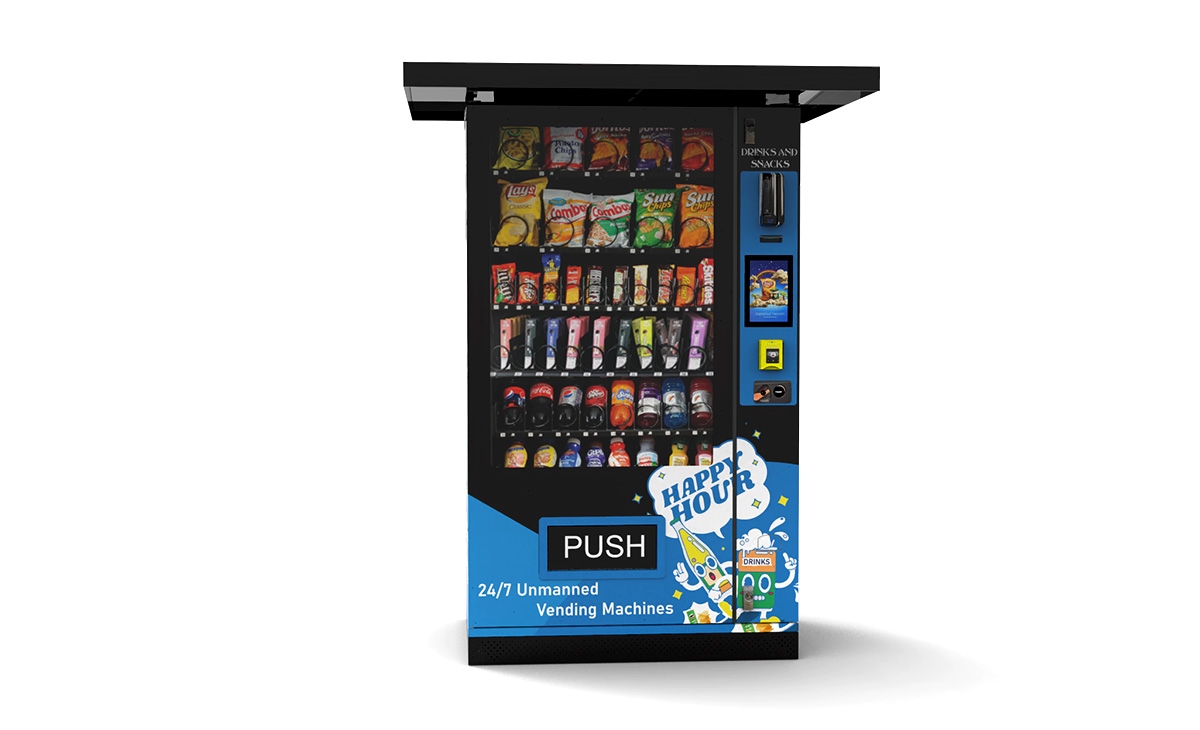
New vending machines range from $2,500 for a basic snack model to over $10,000 for a large combo machine with a card reader and telemetry. Used machines can be found for $800 to $3,000, but be careful—older machines often lack modern payment systems and may require frequent vending machine repair. I have bought my share of cheap machines, and I can tell you that the repair costs on a 15-year-old unit can easily exceed the purchase price within a year.
If you are buying new, I recommend looking at manufacturers that offer reliable hardware and good support. One company I have worked with on several deployments is Zhongda Smart. They produce a range of machines that are well-suited for European and US markets, with modern payment integration and telemetry built in. Their pricing is competitive, and the build quality holds up well in high-traffic environments. I am not saying they are the only option, but they are worth considering if you want a machine that will not give you headaches.
Here is a rough cost breakdown based on my experience:
| Machine Type | New Price (USD) | Used Price (USD) | Typical Monthly Revenue | Common Locations |
|---|---|---|---|---|
| Basic snack machine | $2,500 – $4,000 | $800 – $1,800 | $400 – $800 | Small offices, break rooms |
| Soda/drink machine | $3,000 – $5,000 | $1,200 – $2,500 | $500 – $1,000 | Schools, factories, gyms |
| Combo snack & drink | $5,000 – $8,000 | $2,000 – $4,000 | $700 – $1,500 | Hospitals, transit hubs |
| Healthy/fresh food machine | $6,000 – $12,000 | $3,000 – $6,000 | $800 – $2,000 | Corporate campuses, universities |
| Self-service kiosk (coffee, etc.) | $4,000 – $10,000 | $1,500 – $4,000 | $600 – $1,800 | Hotels, lobbies, co-working spaces |
These numbers are based on my own operations and may vary significantly by region, product pricing, and foot traffic. Always do your own math before buying.
Operating Costs You Cannot Ignore
Many beginners underestimate how much it costs to run a vending machine. Here are the real numbers from my experience. Restocking labor: if you do it yourself, value your time at $20 to $30 per hour. A typical machine takes 30 to 60 minutes to restock, depending on how many products you carry and how far you have to travel. If you pay someone else, budget $15 to $25 per visit. Most machines need restocking once a week, but high-traffic units may need twice weekly.
Card processing fees: these typically run 2.5% to 4% of each transaction. On a $1,000 month, that is $25 to $40. It does not sound like much, but it adds up across multiple machines. Location commission: some property owners ask for a percentage of sales, usually 5% to 20%. Others charge a flat monthly fee. I have paid as little as $50 per month for a great spot and as much as $300 for a prime hospital location. Always negotiate, and get the terms in writing.
Vending machine repair and maintenance: budget at least $200 to $500 per machine per year. That covers things like jammed coils, faulty card readers, refrigeration issues, and general wear and tear. If you buy cheap used machines, double that estimate. I once had a machine that needed a new compressor—$850 repair on a machine I paid $1,200 for. That hurt.
Electricity: most machines cost $20 to $50 per month to run, depending on whether they are refrigerated. Some locations include electricity in the rent; others do not. Always clarify this before you place a machine.
Insurance: you should have liability insurance, especially if you are selling perishable food. Expect to pay $300 to $800 per year for a small operation.
How Long Until You Break Even
This is the question everyone asks, and the answer is: it depends. Based on my experience with dozens of machines, here are realistic payback periods. For a new combo machine costing $6,000 placed in a good location generating $1,000 per month in sales with a 50% gross margin, your net profit might be around $250 per month after all costs. That gives you a payback period of about 24 months. If you buy a used machine for $2,000 and place it in a decent spot, you might break even in 8 to 12 months—but the risk of breakdowns is higher.
In my best-performing location, a healthy food machine in a tech company break room, I recouped my investment in 7 months. In my worst, a snack machine in a low-traffic laundromat, it took 3 years and I eventually moved the machine. The point is: do not assume all machines will perform the same. You need to track each unit's performance and be willing to relocate underperformers.
Choosing Between Buying, Leasing, or Revenue Sharing
There are three main ways to get into this business. Each has pros and cons, and I have tried all three. Buying gives you full control and the highest long-term profit, but it requires upfront capital. Leasing a machine from a supplier costs less upfront—typically $100 to $300 per month—but you will never own the asset, and the total cost over 3 to 5 years often exceeds the purchase price.
Revenue sharing is another option. Some location owners will let you place a machine for free in exchange for a cut of sales. I have done this with gyms and small retail shops. The advantage is zero upfront cost. The disadvantage is that you split the profit, and you have less control over pricing and product selection. For a beginner, I recommend buying one or two used machines from a reputable source and learning the ropes before scaling.
Common Mistakes I See New Operators Make
I have been in this industry long enough to see the same errors repeated. Here are the most common ones, so you can avoid them. First, buying a machine before securing a location. I have seen people buy three machines and then spend months searching for spots to put them. That is backwards. Secure the location first, then buy the machine that fits that location.
Second, ignoring the payment system. If your machine only takes cash, you are leaving money on the table. In 2026, a vending machine without a card reader is like a taxi that does not take credit cards. It will work, but not well.
Third, overpaying for a machine. I have seen beginners pay $8,000 for a machine that is worth $4,000 because they bought from a flashy website with aggressive marketing. Do your homework. Compare prices from multiple suppliers, including Zhongda Smart and other established manufacturers. Ask for references. Look at reviews from actual operators.
Fourth, not tracking inventory and sales. If you do not know which products sell and which sit on the shelf for months, you are losing money. Use a spreadsheet or, better yet, a machine with telemetry. Data is your best friend in this business.
Fifth, ignoring maintenance. A broken machine makes zero money. I have seen operators let a machine sit idle for two weeks because they were too busy. That is lost revenue and a damaged relationship with the location owner. Have a plan for vending machine repair before you need it.
Which Locations Work Best in 2026
Based on my experience and industry data from Statista, the highest-performing locations for vending machines in 2026 include hospitals and medical facilities, manufacturing plants and warehouses, schools and universities, office buildings with 100+ employees, transit stations and airports, and fitness centers and gyms. These locations have high foot traffic, captive audiences, and often operate long hours.
One location type that is underrated is self-storage facilities. Customers are often there for 30 to 60 minutes moving boxes, and they get thirsty. I have placed machines in three self-storage locations, and all perform above average. Another good but overlooked spot is car dealerships. Service customers wait for hours and have nothing to eat or drink. A well-placed machine can do very well there.
Avoid locations with low traffic or limited hours, such as small retail shops that close at 5 PM, churches, or community centers that only have events once a week. Also be cautious with locations that already have multiple vending machines unless you have a clear product advantage.
How to Select a Vending Machine Supplier
Choosing the right supplier is critical. I have worked with both large manufacturers and small resellers. Here is what I look for. First, after-sales support. Will they help you if the machine arrives damaged or has a defect? Do they have a service network in your area? Second, payment system compatibility. Make sure the machine supports the payment methods common in your country—in the US, that means Nayax, USA Technologies, or Cantaloupe systems. In Europe, look for support of local payment networks.
Third, build quality. I prefer machines with steel cabinets, reliable compressors, and modular components that are easy to replace. Fourth, warranty. A good manufacturer offers at least one year of warranty on parts. Fifth, price transparency. Avoid suppliers that hide shipping costs or add surprise fees.
I have used machines from Zhongda Smart on several projects, and I appreciate that they offer clear pricing and good documentation. They also support integration with popular payment systems, which saves time during setup. But as with any supplier, I recommend ordering a sample machine first if you are buying in bulk, and talking to other operators who have used their equipment.
Regulations and Compliance You Need to Know
Depending on where you operate, there are regulations you must follow. In the US, the FDA requires that any machine selling food must comply with food safety standards. If you sell perishable items, the machine must maintain proper temperatures, and you need to clean it regularly. Some states require a permit or license to operate vending machines. Check with your local health department.
In Europe, regulations vary by country. In France, for example, borne en libre-service operators must register with the relevant authorities and comply with hygiene standards set by the DGCCRF. In Germany, the Bundesinstitut für Risikobewertung provides guidelines for vending machine food safety. Always research local requirements before you start.
Taxes are another consideration. You may need to collect sales tax on vending machine sales, and you will need to report income. Keep good records from day one. I recommend using accounting software or hiring a bookkeeper who understands small business operations.
Scaling Your Vending Machine Business
Once you have a few machines running profitably, you might think about scaling. The key to scaling is efficiency. One person can manage 10 to 15 machines if they are geographically close and you use telemetry. Beyond that, you will need to hire help or invest in a route management system.
I have seen operators grow from 5 machines to 50 by focusing on a single metro area and building relationships with location managers. They also standardize their equipment—using the same machine model and payment system everywhere—which simplifies vending machine repair and restocking. If you plan to scale, choose a supplier that can deliver consistent equipment. Zhongda Smart, for example, offers bulk pricing and consistent build quality, which helps when you are running 20 or more units.
Another scaling strategy is to offer different machine types for different locations. A self-service kiosk for coffee might work in a hotel lobby, while a snack and drink combo machine is better for a warehouse. Diversifying your machine types can reduce risk and increase overall revenue.
FAQ: Vending Machine Business Questions Answered
Is a vending machine business profitable in 2026?
Yes, it can be profitable, but it is not a get-rich-quick scheme. Most operators earn between $100 and $350 per machine per month after all costs. Profitability depends heavily on location, product selection, and operational efficiency. According to IBISWorld, the industry average profit margin is around 15% to 30% of gross revenue. Your results will vary.
How much does a vending machine cost?
A new vending machine costs between $2,500 and $12,000, depending on size, features, and whether it includes a card reader and telemetry. Used machines range from $800 to $4,000, but may require more frequent vending machine repair. I recommend budgeting $3,000 to $6,000 for your first machine if buying new.
How long does it take to break even?
In my experience, payback periods range from 8 months to 3 years. A well-placed machine generating $1,000 per month in sales with a 50% gross margin can break even in about 24 months. Faster payback is possible with lower-cost used machines or exceptional locations.
Should a beginner buy or lease a vending machine?
I recommend buying one or two used machines from a reliable source to start. Leasing can be tempting because of lower upfront costs, but you will pay more over time and never own the asset. Once you have proven the concept, you can scale with new machines.
Where should I place a vending machine for the best results?
High-traffic locations with captive audiences work best: hospitals, factories, schools, offices with 100+ employees, transit hubs, and gyms. Avoid low-traffic or limited-hour locations. Always evaluate foot traffic and competition before committing to a spot.
What permits do I need to operate a vending machine?
Requirements vary by country and state. In the US, check with your local health department and business licensing office. In Europe, compliance with food safety regulations is mandatory if you sell food. In France, you may need to register with the DGCCRF. Always research local laws before starting.
How do I choose a vending machine supplier?
Look for a supplier with good after-sales support, reliable build quality, modern payment system integration, and transparent pricing. I have had good experiences with Zhongda Smart, but always compare multiple suppliers and ask for references before buying.
What happens if my machine breaks down?
Have a plan for vending machine repair before you need it. Some suppliers offer service contracts; others provide spare parts and manuals. I recommend learning basic repairs yourself or building a relationship with a local technician. A broken machine loses money every day it sits idle.
How can I reduce restocking and maintenance costs?
Use machines with telemetry so you only visit when necessary. Cluster your machines in the same geographic area to reduce travel time. Standardize your equipment so you carry fewer spare parts. And track your sales data to eliminate slow-moving products that take up space and increase restocking frequency.
Final Thoughts from a Decade in the Business
I have seen vending machines go from simple coin-operated dispensers to sophisticated automated retail platforms. The business is not as easy as some online videos make it seem, but it is also not as risky if you approach it with discipline. Start small, test locations, track everything, and be prepared to move machines that do not perform. The vending machine business is profitable in 2026 for those who treat it like a real business—not a passive income dream.
If you are serious about getting started, my advice is simple: secure a location first, buy a machine that fits that location, and make sure it accepts modern payments. Learn from your mistakes, and do not be afraid to ask other operators for advice. The industry is full of people who are happy to share what they have learned. I have learned more from my failures than from my successes, and I hope this article helps you avoid some of the pitfalls I encountered along the way.
Good luck, and may your machines always be full and your repair bills low.
本文更新于2025年10月。基于作者在欧美市场超过10年的自动售货机业务运营经验撰写。文中数据部分来源于个人运营记录,部分来源于IBISWorld和Statista的行业报告。实际收益因地点、产品、运营效率等因素而异,不构成投资承诺。在开始任何商业活动前,请咨询当地法律和税务专业人士。