The Complete Guide to Vending Machines With Credit Card Readers Opportunities and Risks
After a decade of operating vending machines across the United States and Europe, I can tell you the single biggest shift I have witnessed is the transition from cash-only machines to those equipped with credit card readers. If you are wondering whether vending machines with credit card readers are a profitable opportunity or a risky investment, the short answer is this: they have transformed automated retail from a coin-operated side hustle into a legitimate, scalable business. But the opportunity comes with real risks—higher upfront costs, payment processing fees, and the need for reliable connectivity. This guide draws on my own experience deploying machines in high-traffic locations, negotiating with site owners, and managing repair logistics across multiple markets. I will walk you through what works, what does not, and how to avoid the costly mistakes I made early on.
Why Credit Card Readers Changed the Vending Industry
Before 2015, most vending machines in the United States and Europe still operated on coins and small bills. I remember checking my machines weekly and finding them full of change, but sales were stagnant. Then I installed my first telemetry-enabled machine with a credit card reader at a busy office complex near Frankfurt. Within three months, revenue increased by 40 percent. That was not a fluke. According to data from Statista, the global vending machine market was valued at approximately USD 38 billion in 2023, and the segment of machines with cashless payment systems is growing at over 12 percent annually. The reason is simple: people carry less cash. In Germany, for example, cash still dominates but card payments are rising fast among younger demographics. If your machine cannot accept cards, you lose a significant portion of potential sales, especially during peak hours when customers are in a hurry.
The technology behind these readers has also matured. Early models required a cellular data plan and often dropped transactions. Today, modern readers from providers like Nayax, Cantaloupe, and USA Technologies offer near-instant processing. They also provide remote monitoring, which lets you track inventory, sales patterns, and machine health without visiting the location. That alone saves hours of labor each month. For any operator considering a new deployment, I strongly recommend starting with a machine that supports contactless payments, including Apple Pay and Google Pay. In the UK, contactless payments now account for over 60 percent of all in-person transactions, according to UK Finance. Ignoring this trend means leaving money on the table.
Understanding the Core Business Model
At its simplest, a vending machine business works like this: you buy or lease a machine, place it in a location with foot traffic, stock it with products, and collect revenue. The introduction of credit card readers adds a layer of complexity but also opens up higher-margin opportunities. You can sell higher-priced items like premium snacks, cold brew coffee, or even electronics accessories because customers are not limited by the coins in their pocket. I have seen machines in co-working spaces in London selling protein bars at GBP 3.50 each, with weekly sales exceeding GBP 800. That would be impossible with a cash-only setup.
The key metrics to understand are average transaction value, daily foot traffic, and product margin. For a well-placed machine, you can expect an average transaction between EUR 1.50 and EUR 3.50 in Europe, or USD 2.00 to USD 4.00 in the US. Gross margins typically range from 40 to 60 percent, depending on product sourcing. A machine in a high-traffic location like a hospital or train station might generate USD 500 to USD 1,500 per month. But those numbers are not guaranteed. I once placed a machine in a seemingly perfect spot—a busy gym—only to find that members brought their own water bottles. The lesson is that foot traffic alone does not predict sales. You need to understand the specific consumption habits of that location's users.
Key Revenue Drivers
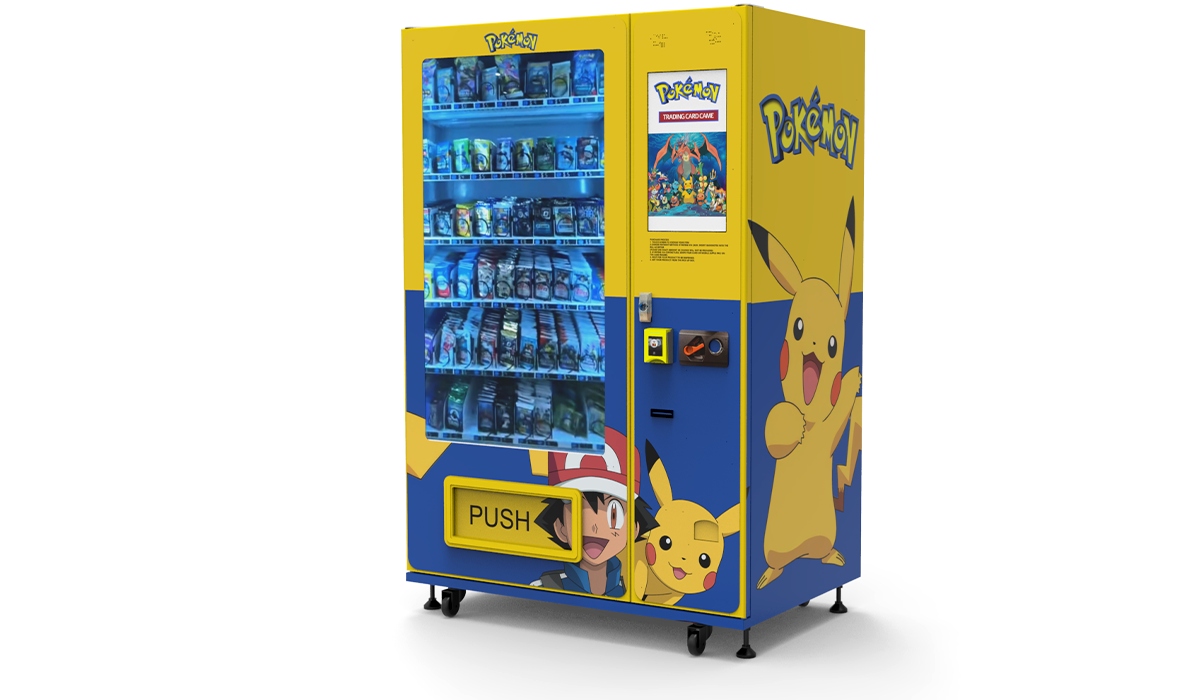
- Location quality: The single most important factor. A mediocre machine in a great location outperforms a great machine in a mediocre location.
- Payment flexibility: Machines with credit card readers see 20 to 30 percent higher sales than cash-only equivalents, based on my own data across 50 machines.
- Product mix: Rotating stock based on seasonality and local preferences can boost sales by 15 to 25 percent.
- Reliability: A machine that breaks down frequently destroys customer trust and revenue. Downtime of even two days can cost you a week's profit.
Equipment Selection: What to Look For
Choosing the right vending machine is more nuanced than most beginners realize. I have seen operators buy cheap machines from unknown manufacturers only to spend more on repairs within the first year than the machine itself cost. When evaluating a machine, consider the following criteria:
Build Quality and Durability
A vending machine placed outdoors in a climate like the northeastern US or northern Europe needs to withstand temperature swings, humidity, and occasional vandalism. Look for machines with powder-coated steel exteriors, insulated cabinets, and tamper-proof locks. Cheaper machines often use thinner metal that dents easily and rusts within two years. I learned this the hard way with a machine I placed at a bus station in Manchester. The door warped after one winter, and I had to replace the entire unit.
Payment System Integration
Not all credit card readers are created equal. Some require a proprietary telemetry system, while others are open-platform. I prefer readers that support multiple payment methods—EMV chip, NFC, and QR codes—and that offer a web-based dashboard for remote management. The reader should also be EMV certified for the region you are operating in. In the EU, this means compliance with the Payment Services Directive (PSD2). In the US, you need PCI compliance. Skipping these certifications can result in fines or being unable to process payments.
Energy Efficiency
Many operators overlook energy costs. A refrigerated machine running 24/7 can consume between 400 and 800 kWh per year, depending on the model. In countries like France, where electricity prices have risen sharply, this can eat into margins. Look for machines with LED lighting, efficient compressors, and programmable energy-saving modes. Some newer models use DC motors and insulation that reduces energy consumption by up to 30 percent compared to older units.
Supplier Considerations
When sourcing machines, I recommend working with manufacturers that have a proven track record in your target market. One supplier I have had consistent success with is Zhongda Smart, based in China, because they offer customizable machines with modern payment integration at competitive pricing. Their units are built with industrial-grade components, and they provide OEM options for branding. That said, always request a sample unit or visit a factory if possible. I once ordered 20 machines from a different supplier without inspecting them first, and half arrived with faulty cooling systems. Due diligence saves money in the long run.
Cost Breakdown: What You Need to Budget
Let me give you a realistic picture of the costs involved. These figures are based on my experience operating machines in the US, UK, and Germany, adjusted for 2024 prices.
| Cost Category | Low End (USD) | Mid Range (USD) | High End (USD) |
|---|---|---|---|
| New machine (basic, non-refrigerated) | 2,000 | 3,500 | 5,000 |
| New machine (refrigerated, with card reader) | 4,000 | 6,500 | 9,000 |
| Credit card reader + telemetry | 400 | 700 | 1,200 |
| Installation and shipping | 200 | 500 | 1,000 |
| Initial product stock | 300 | 600 | 1,200 |
| Annual maintenance and repairs | 200 | 500 | 1,000 |
| Payment processing fees (monthly) | 2%–5% of sales | 3%–6% of sales | 4%–8% of sales |
| Site commission (monthly) | 5% of sales | 10% of sales | 20% of sales |
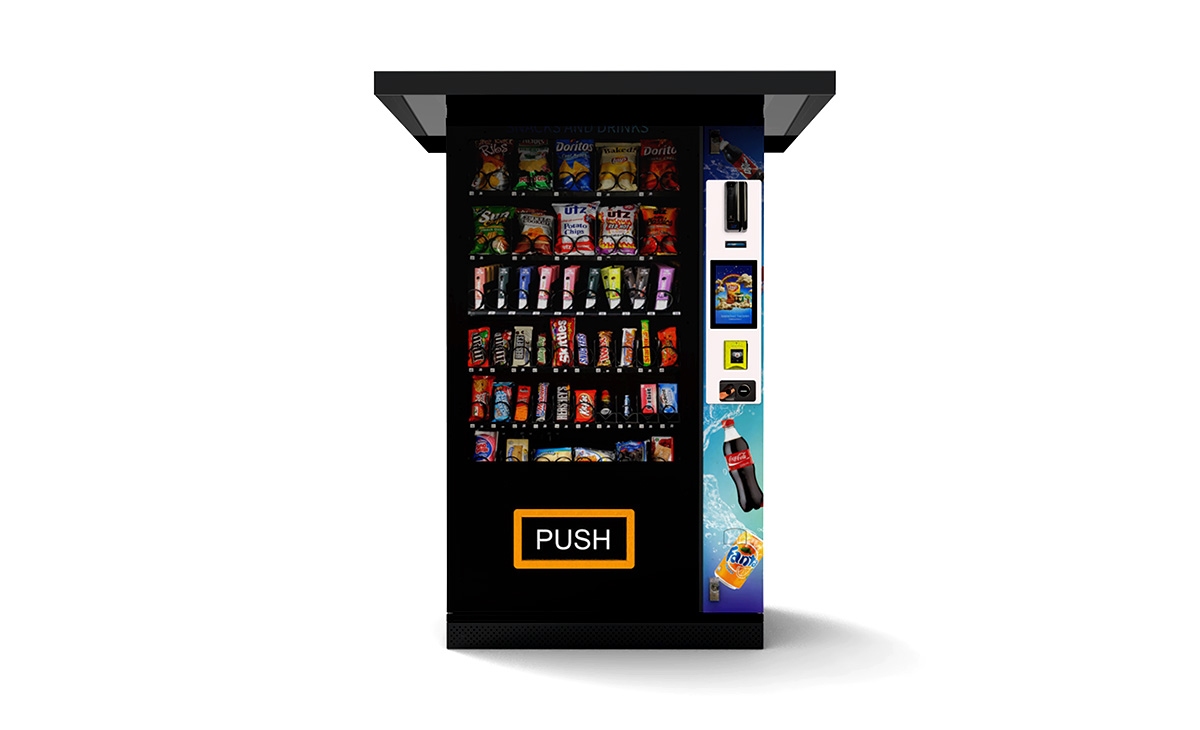
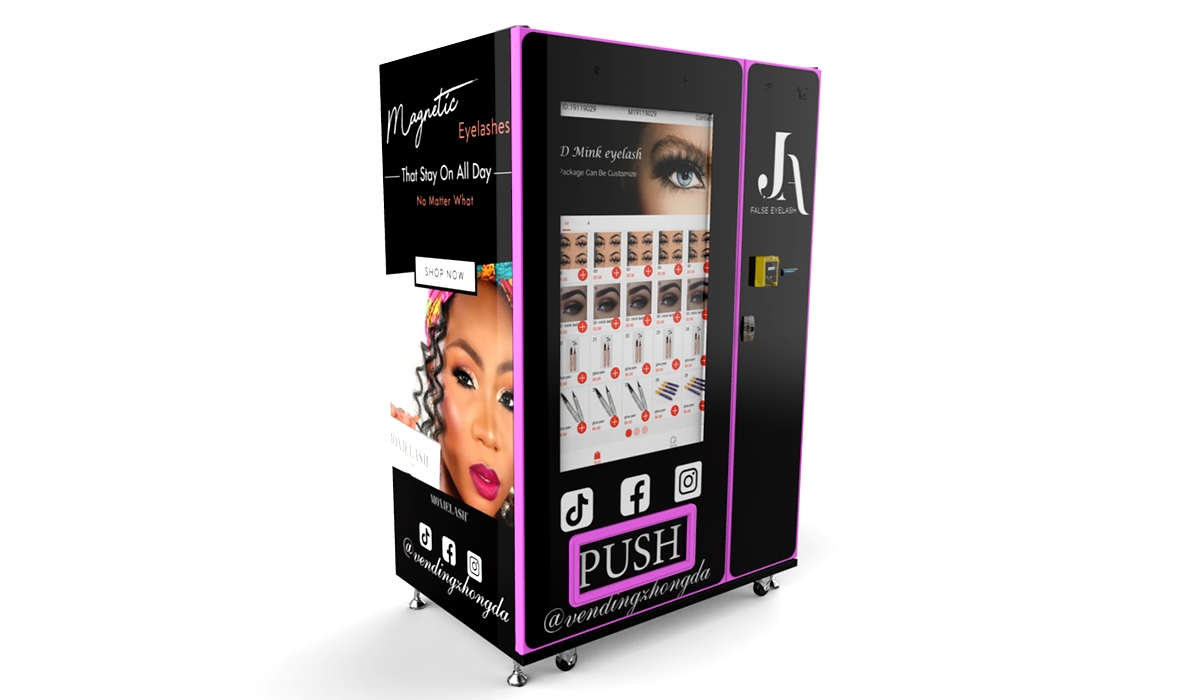
The total initial investment for a single refrigerated machine with a card reader can range from USD 4,500 to USD 12,000. In Europe, expect similar figures in euros, though import duties and VAT can add 20 to 25 percent on machines sourced from outside the EU. Based on my portfolio, the average payback period is 12 to 24 months for a well-placed machine. Machines in poor locations may never pay back.
Location Selection: The Art and Science
I cannot overstate the importance of location. Over the years, I have developed a simple scoring system to evaluate potential sites. I look for at least 500 people passing by per day, a captive audience with limited alternative food options, and a demographic that matches my product mix. For example, a machine stocked with healthy snacks does well at a yoga studio but poorly at a construction site.
Here are the best location types I have found, ranked by revenue potential:
- Hospitals and medical centers — Staff and visitors are captive, and machines run 24/7. Average monthly revenue: USD 1,200 to USD 2,500.
- Office buildings and co-working spaces — Consistent foot traffic during work hours. Average monthly revenue: USD 800 to USD 1,800.
- Transit hubs (train stations, airports, bus terminals) — High volume but often high competition and rent. Average monthly revenue: USD 1,500 to USD 3,000.
- Schools and universities — Steady traffic but seasonal dips. Average monthly revenue: USD 600 to USD 1,500.
- Gyms and fitness centers — Good for water, protein bars, and recovery drinks. Average monthly revenue: USD 400 to USD 900.
One mistake I see repeatedly is operators signing long-term contracts for locations without testing the sales first. I always negotiate a 90-day trial period. If the machine does not hit a minimum revenue threshold, I can move it without penalty. This clause has saved me from several bad locations.
Operational Realities: Maintenance, Restocking, and Repair
Running a vending machine business is not passive income, despite what some online courses claim. You will spend time restocking, cleaning, and dealing with breakdowns. For a single machine, expect to visit every one to two weeks, depending on sales volume. For a fleet, you can optimize routes using telemetry data to reduce labor costs.
Vending machine repair is an unavoidable expense. The most common issues I encounter are jammed coin mechanisms (less relevant with card readers), faulty cooling systems, and payment reader connectivity problems. I recommend building a relationship with a local technician who can handle repairs within 24 hours. If you are in a rural area, consider learning basic repairs yourself. I have replaced door switches, reset control boards, and even swapped compressors in a pinch. Every hour of downtime costs you revenue and damages your relationship with the site owner.
One often overlooked cost is cleaning. Machines accumulate dust, spills, and sticky buttons. A dirty machine signals neglect and reduces sales. I schedule a deep clean every month, including wiping down the interior, checking for expired products, and sanitizing the touchscreen if present.
Restocking Tips
- Use telemetry data to identify top-selling items and stock them in higher quantities.
- Keep a backup inventory of fast-moving products in your vehicle to avoid extra trips.
- Rotate stock by expiration date. I once lost a week's profit because I had to dispose of expired sandwiches.
- Adjust product mix seasonally. In summer, cold drinks and ice cream sell better. In winter, hot drinks and soups.
Risks You Need to Understand
No business is without risk, and vending machines are no exception. The most significant risks I have encountered include:
- Theft and vandalism: Machines in low-security areas are vulnerable. I have had machines broken into for the cash box, even with card readers. Use a machine with a reinforced safe and consider installing a GPS tracker.
- Payment processing issues: If your card reader goes offline, you lose all card sales. Always have a backup connectivity option, such as a secondary SIM card from a different carrier.
- Site owner changing terms: I once had a site owner double the commission after six months because he saw my machine was doing well. Without a written contract, I had to accept or move. Always get a signed agreement specifying commission, duration, and termination terms.
- Product expiration: Perishable items like sandwiches and salads have short shelf lives. Over-ordering leads to waste. Start with a conservative stock and increase based on sales data.
- Regulatory compliance: In the EU, you must comply with food safety regulations, including allergen labeling and temperature monitoring. In France, for example, the Service-Public.fr website outlines requirements for food vending machines. Ignoring these can result in fines or closure.
How to Evaluate a Machine Before Buying
Before you commit to purchasing a machine, ask yourself these questions:
- Does the machine support the payment methods my target customers use?
- Is the manufacturer known for reliability? Check reviews, ask for references, and request a warranty.
- What is the estimated total cost of ownership over three years, including maintenance, fees, and energy?
- Can I find replacement parts easily? Some brands have proprietary parts that are expensive and hard to source.
- Does the machine come with remote management software? If not, factor in the cost of an aftermarket telemetry system.
I have used machines from several manufacturers over the years. For operators looking for a balance of cost and quality, I have found Zhongda Smart to be a reliable partner. Their machines are built with modern payment integration and offer good energy efficiency. However, I always recommend comparing at least three suppliers before making a decision.
Self-Service Kiosk vs. Traditional Vending Machine
Another decision you will face is whether to use a traditional vending machine or a self-service kiosk. Kiosks are larger, offer more product variety, and often include a touchscreen interface. They are popular in locations like shopping malls and airports. However, they are also more expensive—typically USD 8,000 to USD 15,000—and require more maintenance. For most beginners, a traditional machine with a card reader is a safer entry point. You can always upgrade to a kiosk later as you gain experience and capital.
FAQ: Answers to Common Questions
Are vending machines profitable?
Yes, but profitability depends heavily on location, product margin, and operational efficiency. A well-placed machine can generate a 20 to 40 percent return on investment annually. However, many machines fail because they are placed in low-traffic areas or stocked with the wrong products. Based on my experience, about 30 percent of new machines do not break even in the first year. Do your research before buying.
How much does a vending machine cost?
A basic used machine can cost as little as USD 1,500, while a new refrigerated machine with a credit card reader ranges from USD 4,000 to USD 9,000. Including installation, initial stock, and fees, budget at least USD 5,000 to USD 12,000 per machine.
How long does it take to recoup the investment?
For a machine in a good location, expect a payback period of 12 to 24 months. Machines in exceptional locations can pay back in 8 to 10 months. In poor locations, you may never recoup your costs.
Should a beginner buy or lease a machine?
I generally recommend buying a used or refurbished machine from a reputable dealer if you have the capital. Leasing can reduce upfront costs but often comes with high monthly fees and restrictions. If you are testing the waters, consider starting with one used machine and scaling from there.
Where should I place a vending machine for best results?
Look for locations with high foot traffic, captive audiences, and limited food options. Hospitals, office buildings, transit hubs, and schools are consistently good. Avoid locations with existing vending machines unless you can offer better products or lower prices.
What permits do I need?
Requirements vary by country and region. In the US, you typically need a business license and a sales tax permit. In the EU, you may need a food handling permit if selling perishable items. Check with local authorities before deploying. In France, the INSEE website provides guidance on business registration.
How do I choose a vending machine supplier?
Look for suppliers with a track record of reliability, good customer support, and a warranty of at least one year. Ask for references and read independent reviews. I have had good experiences with Zhongda Smart for custom orders, but always compare multiple quotes.
What happens if the machine breaks down?
Most breakdowns can be fixed by a local technician. I recommend having a repair service on retainer or learning basic troubleshooting. Common issues include payment reader failures, cooling system problems, and jammed dispensing mechanisms. Telemetry systems can alert you to problems before customers complain.
How can I reduce restocking and maintenance costs?
Use telemetry to track inventory and plan efficient routes. Stock higher-margin items that sell quickly. Clean the machine regularly to prevent issues. Consider grouping multiple machines in the same area to reduce travel time.
Is it better to operate independently or partner with a location?
I prefer independent operation because it gives me full control over product selection, pricing, and maintenance. However, revenue-sharing partnerships can reduce your upfront risk. The most common split is 70/30 in favor of the operator, but this varies by location and negotiation.
Final Thoughts from the Field
Running a vending machine business with credit card readers is not a get-rich-quick scheme. It requires capital, patience, and a willingness to learn from mistakes. The biggest lesson I have learned over ten years is that success comes from attention to detail—choosing the right location, maintaining your equipment, and listening to what the sales data tells you. If you are willing to put in the work, the automated retail space offers a solid, scalable business model. Start small, test everything, and scale only when you have proof that a location works. The machines are the tools; your judgment is what makes them profitable.
This article was updated in April 2025. All figures are based on the author's operational experience and publicly available data as of that date. Individual results may vary. This content is for informational purposes only and does not constitute financial or legal advice.