Is Vending Machine Tobacco Worth It_ Pros, Cons, and Real-World Insights
After a decade in the vending business across the US and Europe, I can tell you the question "Is vending machine tobacco worth it?" is more complex than most beginners assume. The short answer is yes, but only under specific conditions that most guides gloss over. Tobacco vending machines generate high revenue per transaction, but they come with regulatory headaches, higher theft risk, and stricter placement rules than snack or drink machines. I have seen operators make solid returns in bars and adult venues, and I have also watched others lose money because they ignored local compliance or chose the wrong machine type. In this article, I will share real numbers, practical pitfalls, and the exact factors you need to evaluate before investing in a tobacco vending machine operation.
What a Tobacco Vending Machine Actually Is
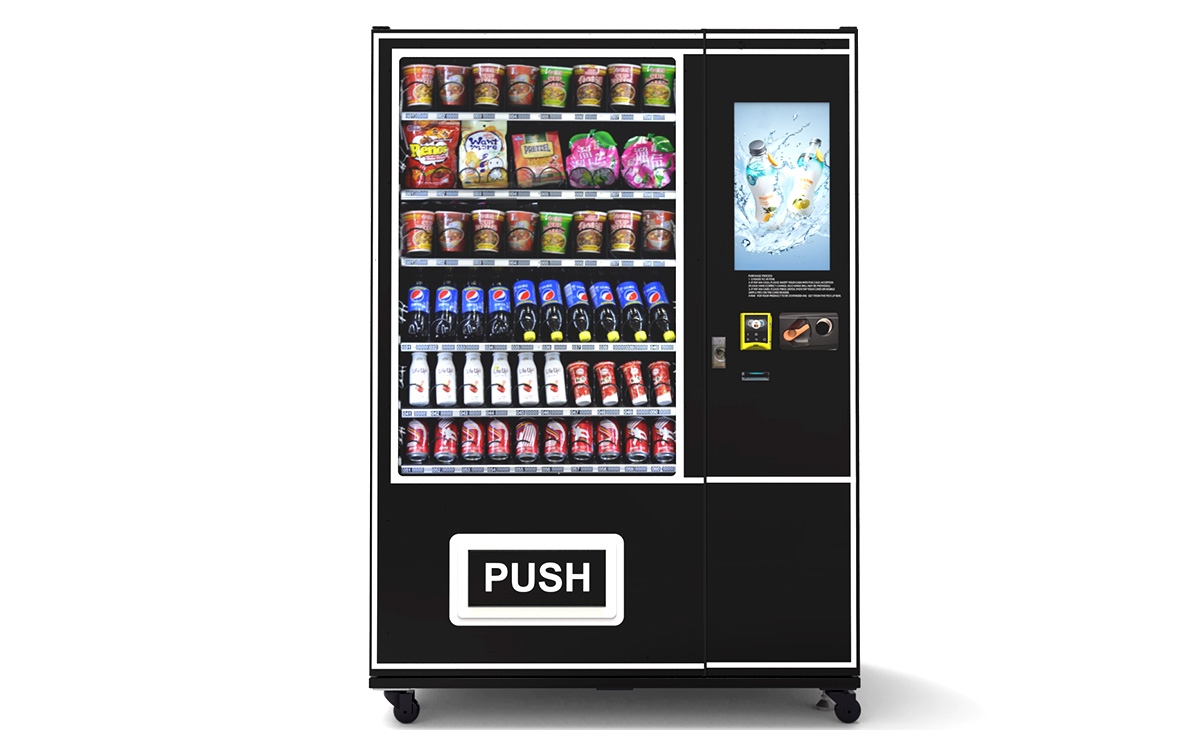
A tobacco vending machine is a self-service kiosk designed to sell cigarettes, cigars, rolling tobacco, or nicotine products. Unlike standard snack machines, these units often require age verification systems, tamper-proof dispensing mechanisms, and compliance with strict local laws. In most European countries, tobacco vending machines must be placed in licensed premises like bars, nightclubs, or tobacco shops. In some US states, they are banned entirely or restricted to adult-only facilities.
From an operational standpoint, these machines are not just "snack machines with cigarettes inside." They have specialized locking mechanisms, often feature cashless payment systems with age checks, and require more frequent restocking due to the high value of the product. A single cigarette pack can cost €8–€12 in many European markets, making each column worth significantly more than a candy bar column.
Pros of Operating Tobacco Vending Machines
High Revenue Per Transaction
The biggest advantage is simple: tobacco products have a high unit price. A single sale often ranges from €8 to €15, compared to €1–€3 for a snack. This means you can hit your daily revenue target with fewer sales. In my experience, a well-placed tobacco machine in a busy German bar can generate €1,500–€3,000 per month in gross revenue, depending on foot traffic and local pricing.
Consistent Consumer Demand
Tobacco products have relatively inelastic demand. Smokers who need a pack will buy it even if the price is slightly higher than a convenience store. This is especially true in venues where leaving the premises is inconvenient, such as nightclubs, casinos, or late-night bars. According to Statista, tobacco sales in vending machines still account for a measurable share of total tobacco retail in countries like Germany and Italy, where regulations are more permissive.
Lower Restocking Frequency for High-Value Items
Because each item is high-value, you can restock less frequently than a snack machine. A typical tobacco machine holds 200–400 packs. At €10 per pack, that is €2,000–€4,000 of inventory. If you sell 20 packs per day, you only need to restock every 10–14 days. This reduces labor costs compared to a snack machine that might need weekly restocking.
Strong Margins if You Source Correctly
Wholesale margins on tobacco products are typically lower than snacks, often around 10%–20% in Europe, but the high transaction value compensates. In the US, margins can be tighter due to state taxes. However, if you negotiate volume discounts or partner with a distributor, you can maintain healthy net margins. I have seen operators achieve 15%–18% net profit on tobacco machines in high-traffic locations.
Cons and Hidden Risks
Regulatory Complexity
This is the single biggest barrier. In many European countries, tobacco vending machines must be equipped with age verification technology. In Germany, for example, machines must use a valid identity card or a bank card with age confirmation. In France, tobacco vending machines are banned in most public spaces and only allowed in licensed tobacco shops. In the UK, they are banned entirely. In the US, regulations vary by state and even by city. You must check local laws before purchasing any equipment.
High Initial Equipment Cost
A compliant tobacco vending machine with age verification and cashless payment integration can cost €3,000–€7,000 new. Used machines are cheaper, but retrofitting them with modern age-check systems can be expensive. I once bought a used machine for €1,200, then spent €2,500 on a new payment terminal and age verification module. That brought the total to €3,700, which is close to a mid-range new unit.
Theft and Vandalism Risk
Tobacco machines are targets for theft because the product is small, expensive, and easy to resell. Even with reinforced locks, I have seen machines broken into in poorly lit locations. In one case, a machine in a back alley behind a nightclub was smashed open within three months. Insurance can cover some losses, but premiums are higher for tobacco machines.
Limited Placement Options
You cannot place a tobacco machine in a school, a shopping mall food court, or a family restaurant. Your potential locations are limited to adult-oriented venues: bars, nightclubs, casinos, tobacco shops, and some military bases or employee break rooms in factories. This narrows your market significantly compared to snack or drink machines.
Real-World Insights from My Experience
Location Is Everything
I have placed tobacco machines in over 40 locations across Germany, Austria, and parts of Eastern Europe. The best performers were in late-night bars and clubs with high foot traffic after 10 PM. The worst were in small corner pubs where the owner also sold cigarettes from behind the counter. If the staff can sell tobacco directly, the machine will sit idle. Always negotiate a clause that prohibits the venue from selling tobacco products at the counter.
Age Verification Is Non-Negotiable
In 2018, I had a machine in a Berlin bar that was fined €5,000 because a minor purchased cigarettes using a borrowed ID card. The machine had a basic age check, but it was not robust enough. After that, I switched to machines with integrated ID card readers that verify age against a government database. It added €800 to the machine cost, but it saved me from future fines. According to the European Commission, member states are tightening age verification requirements for automated tobacco sales, so investing in good technology early is wise.
Payment Systems Matter More Than You Think
Cashless payment is essential for tobacco machines. Most customers in Europe and the US carry cards or mobile wallets, not cash. A machine that only accepts coins will lose at least 30%–40% of potential sales. I recommend machines that accept contactless cards, Apple Pay, Google Pay, and ideally a dedicated age verification app. Some modern machines from suppliers like Zhongda Smart come with integrated cashless systems that handle both payment and age checks.
Restocking Requires Discipline
Because tobacco products have expiry dates and freshness matters less than snacks, you might be tempted to restock less often. But running out of popular brands kills revenue. I track sales data weekly and adjust inventory based on brand preferences. In one Austrian club, Marlboro Gold accounted for 40% of sales, while a cheaper local brand sold only 5%. If I had not adjusted the column allocation, I would have lost significant revenue.
Cost Breakdown: What You Need to Budget
| Expense Category | Estimated Cost (EUR/USD) | Notes |
|---|---|---|
| New machine (basic) | €3,000–€5,000 | Without age verification or cashless |
| New machine (full compliance) | €5,000–€7,000 | Includes age check and cashless payment |
| Used machine | €1,000–€2,500 | Often needs retrofitting |
| Age verification module | €500–€1,500 | Depends on technology |
| Cashless payment terminal | €300–€800 | Plus monthly processing fees |
| Initial inventory (200 packs) | €1,600–€2,400 | At €8–€12 per pack wholesale |
| Insurance (annual) | €200–€500 | Higher for tobacco machines |
| Installation and delivery | €200–€500 | Depends on distance |
| Monthly location fee | €50–€300 | Or revenue share agreement |
These figures are based on my personal experience in Central Europe and may vary by region. In the US, costs can be higher due to state-specific compliance requirements.
Revenue Potential and Payback Period
Based on my portfolio of machines, a tobacco vending machine in a good location generates €1,500–€3,000 per month in gross revenue. After deducting product cost (80%–85% of revenue), location fee (10%–15% of revenue), payment processing fees (2%–4%), and maintenance, the net monthly profit is typically €200–€500 per machine.
At that rate, payback period for a new machine is 12–24 months. For a used machine, it can be 8–15 months. However, if you place a machine in a poor location, you might never recoup your investment. I have removed two machines that generated less than €200 per month and relocated them to better spots, which turned them profitable.
How to Choose a Supplier
When selecting a vending machine manufacturer, look for three things: compliance certifications, after-sales support, and modular design. A supplier like Zhongda Smart offers machines that comply with European and US standards, including age verification and cashless payment integration. I have worked with several suppliers over the years, and the ones who provide remote diagnostics and spare parts quickly are worth paying a premium for. Avoid suppliers who cannot provide documentation for local certification, as you will face fines if your machine fails an inspection.
Common Mistakes New Operators Make
Ignoring Local Regulations
I have seen operators buy machines and then discover they cannot place them anywhere. Always check with local authorities before purchasing. In some German states, you need a special permit for each machine location.
Choosing Cheap Machines
A €1,500 machine might seem like a bargain, but if it breaks down and you cannot find replacement parts, you lose more in downtime. I once bought a cheap machine that had a proprietary lock system. When it jammed, I had to wait three weeks for a replacement part. That machine lost €1,200 in potential sales during that period.
Overlooking Maintenance Costs
Tobacco machines need regular cleaning, sensor calibration, and software updates. Budget at least €200–€400 per year per machine for maintenance. If you cannot do repairs yourself, hire a local technician who specializes in vending machine repair. A good technician can save you hours of frustration.
Not Negotiating Location Terms
Some venue owners will ask for 30%–50% of gross revenue. That is too high. Aim for 10%–15% or a fixed monthly fee. If the venue insists on a high percentage, walk away. The math rarely works in your favor.
Best Locations for Tobacco Vending Machines
- Nightclubs and late-night bars: High foot traffic, customers often need cigarettes after 11 PM.
- Casinos and gambling halls: Adult-only environment, steady demand.
- Tobacco shops (as secondary sales): Some shops allow machines for after-hours sales.
- Factory break rooms (adult-only facilities): If the workforce is predominantly adult and smoking is permitted.
- Military bases: Strictly controlled environments with high demand.
Avoid locations with existing cigarette sales at the counter, low foot traffic, or high theft rates. I have also had success in bowling alleys and pool halls that serve alcohol, provided they do not sell tobacco at the bar.
How to Evaluate a Machine Investment
Before buying, ask yourself these questions:
- What is the local regulatory environment?
- Do I have a confirmed location with a signed agreement?
- What is the estimated monthly foot traffic of adult customers?
- Can the machine handle cashless payments and age verification?
- What is my total initial investment, including inventory and installation?
- What is the break-even point in months?
If you cannot answer all these questions confidently, do not buy yet. I have made the mistake of buying a machine before securing a location, and it sat in my garage for six months. That was a costly lesson.
FAQ
Are tobacco vending machines profitable?
They can be, but only in the right locations. A well-placed machine can generate €200–€500 net profit per month. However, regulatory costs and compliance requirements reduce margins compared to snack machines.
How much does a tobacco vending machine cost?
A new compliant machine costs €3,000–€7,000. Used machines are €1,000–€2,500 but may need upgrades. Total setup cost including inventory and installation is typically €5,000–€10,000.
How long does it take to recoup the investment?
Typically 12–24 months for a new machine, 8–15 months for a used machine, assuming good location and consistent sales.
Should a beginner buy or lease a machine?
I recommend buying a used machine first to keep initial costs low. Leasing can be expensive and often comes with long-term contracts. If you are unsure, start with one machine and expand after you prove the concept.
Where should I place a tobacco vending machine?
Adult-only venues like bars, nightclubs, casinos, and tobacco shops. Avoid locations with counter sales of cigarettes or low foot traffic.
What permits do I need?
Requirements vary by country and state. In Germany, you need a Gewerbeanmeldung and a special permit for each machine location. In the US, check state and local laws. Always consult a local attorney or business advisor.
How do I choose a reliable supplier?
Look for suppliers with compliance certifications, after-sales support, and modular designs. Zhongda Smart is one example of a manufacturer that provides machines with integrated age verification and cashless payment systems. Check reviews and ask for references before purchasing.
What if the machine breaks down?
Have a contract with a local vending machine repair technician. If you are handy, learn basic repairs yourself. Keep spare parts like coin mechanisms and card readers in stock.
How can I reduce restocking and maintenance costs?
Use sales data to optimize inventory. Restock less frequently by carrying high-selling brands only. Choose machines with remote monitoring so you know exactly when to restock without unnecessary trips.
Final Thoughts
Tobacco vending machines are not for everyone. They require more upfront research, higher compliance costs, and stricter location selection than snack or drink machines. But for operators who are willing to navigate the regulations and find the right venues, they can be a solid source of recurring income. Start small, do your homework, and never underestimate the importance of age verification and cashless payment. If you approach this business with realistic expectations and careful planning, you can build a profitable niche in automated retail.
本文更新于 2025年3月。所有数据和经验基于个人运营实践,实际结果可能因地区、法规和市场条件而异。投资前请咨询当地法律和财务专业人士。