Best Used Vending Machines For Sale In Atlanta in 2026_ Ultimate Guide, Costs, and Buying Tips
If you are searching for the best used vending machines for sale in Atlanta in 2026 and wondering whether a pre-owned machine is actually worth your money, let me save you some time: yes, it can be, but only if you know exactly what to look for. I have been in the automated retail business for over a decade, and I have seen too many new operators buy a cheap, worn-out machine that ends up costing more in repairs than a new unit would have. Atlanta is a strong market for vending, with high foot traffic in office parks, warehouses, and medical centers, but the equipment you choose will make or break your return. In this guide, I will walk you through real costs, common pitfalls, and how to evaluate used machines so you can start on solid ground.
Why the Used Vending Machine Market in Atlanta Matters in 2026
Atlanta has always been a logistics and business hub, and the vending industry here reflects that. With rising equipment costs for new machines, many operators are turning to the secondary market to enter the business or expand their route. In 2026, the demand for used vending machines in Atlanta is driven by small business owners, side hustlers, and even established operators looking to test new locations without committing to a full-price unit.
From my experience, buying used is not about saving a few hundred dollars. It is about understanding depreciation. A well-maintained machine that is five to seven years old can still perform reliably for another five years if you choose the right model and check the key components. The trick is knowing which machines hold up and which ones are better left on the lot.
Understanding the Real Costs of Used Vending Machines
Let me give you a realistic breakdown based on what I have paid and seen others pay in the Atlanta area. Prices vary depending on the type of machine, age, brand, and condition, but here is a ballpark range from my personal records and conversations with local dealers.
| Machine Type | Typical Price Range (Used) | Average Monthly Revenue (Estimate) | Common Lifespan Left |
|---|---|---|---|
| Snack & Beverage Combo | $1,800 – $3,500 | $800 – $1,500 | 4–7 years |
| Beverage Only (Glass Front) | $1,200 – $2,800 | $600 – $1,200 | 5–8 years |
| Snack Only (Spiral) | $1,000 – $2,200 | $400 – $900 | 4–6 years |
| Frozen or Refrigerated Food | $2,500 – $4,500 | $1,000 – $2,000 | 3–5 years |
| Micro Market Kiosk (Self-Service) | $3,000 – $6,000 | $1,500 – $3,000 | 3–5 years |
These revenue estimates assume a decent location with moderate foot traffic. A machine in a high-traffic warehouse in Atlanta can easily double those numbers, while a machine in a low-traffic break room might barely break even. I always tell new operators to calculate based on the lower end of the range and be pleasantly surprised if they hit the higher end.
Key Factors to Consider Before Buying a Used Machine
Compressor and Cooling System Condition
This is the number one thing I check. A bad compressor can cost $400 to $800 to replace, and that is if you can find a technician in Atlanta who works on your brand. On a used refrigerated machine, ask for proof that the cooling system was serviced within the last year. If the seller cannot provide that, assume you will need a service call within six months.
Payment System Compatibility
In 2026, cash-only machines are becoming harder to place. Most locations expect credit card and mobile payment support. If you buy a used machine with an old coin mechanism and no card reader, budget at least $300 to $600 for a retrofit. I recommend looking for machines that already have a Nayax, Cantaloupe, or USA Technologies system installed. Retrofitting later is possible, but it adds cost and downtime.
Physical Wear and Rust
Atlanta has humid summers, and machines stored in warehouses or outdoors can develop rust on the cabinet, door hinges, or electrical panels. Surface rust can be painted over, but structural rust is a dealbreaker. Check the bottom panel and the back of the machine carefully. I once bought a machine that looked clean on the outside but had rusted wiring inside, and it caused intermittent failures for months.
Brand and Parts Availability
Stick with major brands like Crane, Dixie Narco, Vendo, or Royal Vendors. Parts for these machines are widely available through distributors and online. Lesser-known brands may be cheaper upfront, but when something breaks, you might wait weeks for a part. That downtime kills your revenue and frustrates your location host.
How to Evaluate a Location in Atlanta
Buying the right machine is only half the battle. The other half is placing it somewhere that generates consistent sales. From my experience, Atlanta offers several strong location types for used vending machines:
- Warehouses and Distribution Centers: High worker density, long shifts, and limited break time. These locations often generate strong daily sales, especially for cold drinks and snacks.
- Auto Repair Shops and Tire Centers: Customers wait 30 to 90 minutes. A beverage machine here can do surprisingly well, and the location host usually welcomes the amenity.
- Medical Offices and Dental Clinics: Staff and patients both buy. These locations tend to be stable and low-drama, though you may need healthier snack options.
- Manufacturing Facilities: Shift workers often have limited options nearby. A combo machine placed in a break area can generate consistent weekly revenue.
- Apartment Complex Common Areas: These can work, but only if the complex has at least 100 units and a locked or monitored room. Outdoor machines in Atlanta face heat and occasional vandalism.
I always test a new location with a used machine rather than a new one. If the location does not perform, I can move the machine to another spot without losing a big investment. This flexibility is one of the strongest arguments for buying used equipment.
Profitability and Payback Period: What to Expect
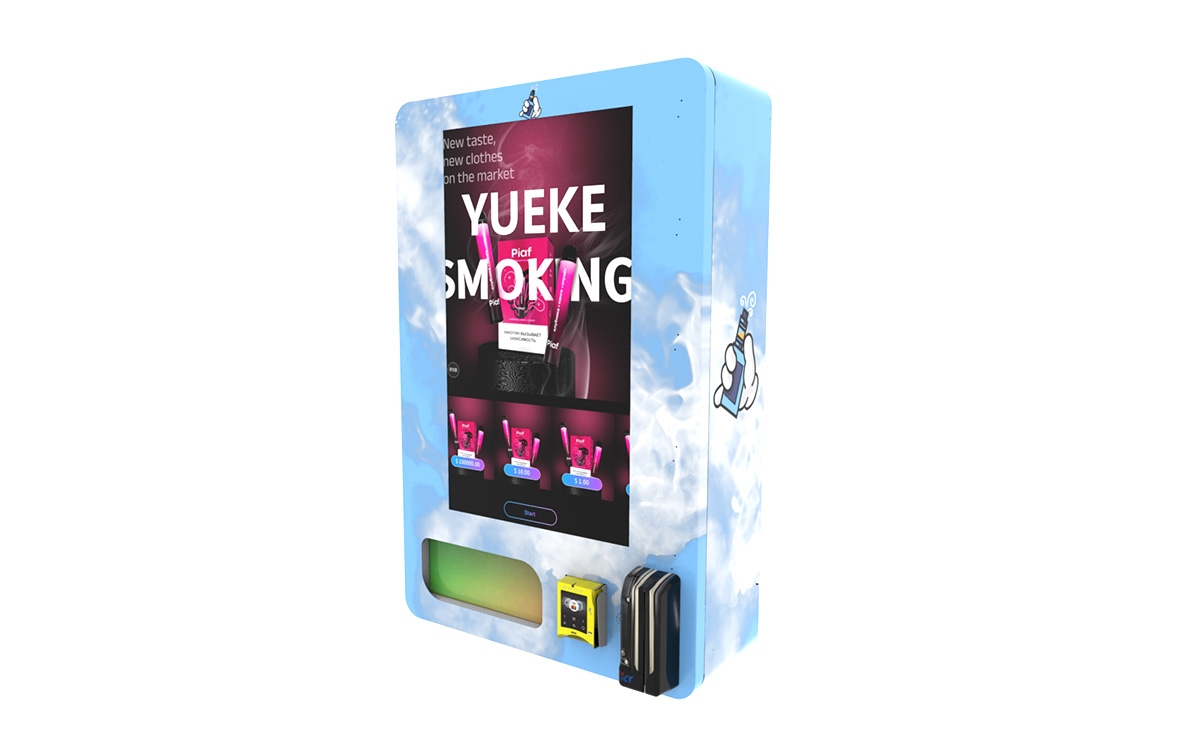
Let me be straight with you: vending is not a get-rich-quick business. But it can be a solid, steady income stream if you manage your costs. Based on my own routes and data from industry sources, here is what you can realistically expect:
Gross profit margins on vending sales typically range from 25% to 40%, depending on your product mix. Cold drinks usually have lower margins (around 25-30%) but higher volume. Snacks can hit 40-45% margins but sell slower. A well-balanced machine in a good Atlanta location can generate $800 to $1,500 in monthly revenue, with a gross profit of $250 to $600 per month.
If you buy a used machine for $2,500 and spend another $500 on installation, payment system setup, and initial inventory, your total investment is around $3,000. At $400 monthly profit, you are looking at a payback period of about 7 to 8 months. If the location underperforms, that could stretch to 12 or 14 months. I have seen machines pay back in 4 months in a busy warehouse, and I have seen machines that never paid back because the location lost its tenant.
According to data from IBISWorld, the vending machine services industry in the US has grown steadily, with operators reporting average profit margins around 6-8% after all operating costs. That number might sound low, but remember that a well-run route with multiple machines can scale efficiently. The key is keeping your machine downtime low and your product rotation tight.
Source: IBISWorld Vending Machine Services Industry Report
Common Mistakes New Operators Make
Buying the Cheapest Machine Available
I have seen people buy a used machine for $800 only to spend $1,200 on repairs in the first year. A machine that looks like a bargain often has hidden problems: a failing compressor, corroded wiring, or a worn-out delivery system. You are better off paying $2,000 for a machine from a reputable seller who can show you service records.
Ignoring the Payment System
In 2026, most consumers in Atlanta expect to pay with a card or phone. If your machine only takes cash, you are leaving at least 40% of potential sales on the table. I have seen a location double its revenue after upgrading from cash-only to a modern card reader. Make sure any used machine you buy is either already equipped or easily upgradable.
Overlooking the Location Agreement
A verbal handshake is not enough. Get a simple written agreement with the location host that covers machine placement, access hours, electricity access, and what happens if the business closes. I have lost machines because a location shut down and the new tenant refused to let me retrieve my equipment. A written contract protects you.
Not Budgeting for Maintenance
Even the best used machine will need service eventually. Budget at least $300 to $500 per year per machine for repairs and preventive maintenance. If you are not handy with tools, factor in the cost of a local technician. In Atlanta, I have paid between $75 and $150 per service call, plus parts.
How to Choose a Supplier for Used Vending Machines
Finding a reliable supplier is harder than it sounds. Many online listings are from resellers who buy machines at auction, clean them up, and flip them without addressing internal issues. Here is what I have learned about vetting suppliers:
- Ask for a video of the machine running. A photo does not tell you if the coils turn, the compressor kicks on, or the card reader communicates with the control board.
- Request service history. If the seller cannot provide any records, assume the machine has not been serviced.
- Check if the supplier offers a short warranty. Even a 30-day warranty on parts shows that the seller stands behind the equipment.
- Consider manufacturers that also sell refurbished units. Some equipment makers have certified pre-owned programs. For example, Zhongda Smart has been expanding its presence in the US market, and they offer refurbished units with verified components. I have seen their machines hold up well in medium-traffic locations, and their parts supply chain is improving in North America.
When you are looking at suppliers, do not just compare prices. Compare what you get for the price. A machine that is cleaned, tested, and comes with a basic warranty is worth more than a machine sold as-is from a warehouse lot.
Understanding the Total Cost of Ownership
The purchase price is only the beginning. Here are the ongoing costs you need to plan for:
| Cost Category | Estimated Annual Cost per Machine |
|---|---|
| Product Inventory (COGS) | $3,000 – $6,000 |
| Payment System Fees (2-5% per transaction) | $150 – $400 |
| Electricity | $200 – $400 |
| Repairs and Maintenance | $300 – $600 |
| Location Commission (optional, often 10-20% of sales) | $500 – $2,000 |
| Vehicle Mileage and Labor | $500 – $1,000 |
These numbers are based on my own operating records and are consistent with data from the National Automatic Merchandising Association (NAMA). If you run a route of five machines, your per-machine costs will drop because you spread labor and vehicle expenses across more units.
Source: National Automatic Merchandising Association (NAMA)
Maintenance Tips for Used Vending Machines
Keeping a used machine running reliably requires a bit of discipline. Here is what I do on every route visit:
- Clean the condenser coils. Dust buildup causes the compressor to overwork and fail. I clean coils every three months, more often in dusty locations.
- Check door gaskets. A worn gasket lets cold air escape, which makes the compressor run longer and increases your electric bill. Replace gaskets as soon as you see cracks.
- Test the coin mechanism and card reader. Run a test transaction every visit. A failing payment system can lose you a week of sales before you notice.
- Rotate product by expiration date. Stale products lead to complaints and lost locations. I date-check every item during restocking.
- Listen for unusual sounds. A rattling compressor or a grinding motor is a sign that something is failing. Catch it early, and the repair is cheap. Ignore it, and you might be replacing the whole unit.
If you are not comfortable doing basic repairs yourself, find a reliable vending machine repair technician in Atlanta before you buy your first machine. I have a list of three technicians I trust, and I have needed all of them at some point. Good repair support is worth paying for.
When to Consider a Self-Service Kiosk or Micro Market
If you have a location with 50 or more potential customers, a micro market setup might outperform a traditional vending machine. Micro markets use a self-service kiosk where customers pay at a central station, and products are displayed on open shelves or coolers. These systems have lower mechanical failure rates because there are no coils or motors to jam.
Used micro market equipment is becoming more available in Atlanta as some operators upgrade their systems. The initial cost is higher, but the revenue potential is also higher. I have seen micro markets generate $2,000 to $4,000 per month in a busy office, with gross margins around 35%. The trade-off is that you need more space and a higher level of trust with the location host.
Legal and Regulatory Considerations in Georgia
Before you place a machine, make sure you understand the local requirements. In Georgia, you typically need a business license and a sales tax permit. The Georgia Department of Revenue requires you to collect and remit sales tax on vending sales. You can use a simplified reporting method if your machine generates under a certain threshold, but you must register first.
If you are selling food items, the Georgia Department of Agriculture may have labeling and sanitation requirements. Most standard packaged snacks and drinks are fine, but if you move into fresh food or refrigerated items, check the local health codes. I have never had an issue with packaged products, but it is worth confirming with your county health department.
Source: Georgia Department of Revenue
Should You Buy or Lease a Used Vending Machine?
I am often asked whether it is better to buy a used machine outright or lease one. Here is my honest take: buying used is almost always better if you have the capital and plan to stay in the business for more than a year. Leasing can make sense if you want to test the waters with minimal upfront cost, but the monthly payments usually eat into your profit significantly.
For example, a lease on a used machine might cost $100 to $200 per month. If your machine generates $400 in monthly profit, you are giving up 25% to 50% of that to the lease. Over two years, you will have paid more than the machine is worth. I recommend buying a used machine with cash or a small loan, and keeping all the profit for yourself.
How to Negotiate with Sellers
When you find a used machine you are interested in, do not be afraid to negotiate. Here are a few tactics that have worked for me:
- Ask about the machine history. If the seller cannot answer basic questions about the compressor or payment system, use that as leverage to lower the price.
- Offer to buy multiple machines. If you are buying two or three units, ask for a bulk discount. Many sellers will drop the price by 10-15%.
- Point out visible wear. Scratches, dents, or faded graphics are cosmetic, but they can still be used to negotiate a lower price. Just do not expect a huge discount for cosmetic issues.
- Ask for delivery to be included. Moving a vending machine is not easy. If the seller can deliver for free or a reduced fee, that saves you time and hassle.
Real Data on Vending Machine Performance
I want to share a few numbers that come from my own route and from conversations with other operators in the Southeast. These are not official statistics, but they reflect what I have seen on the ground:
- Average transaction value in Atlanta break rooms: $1.75 to $2.50
- Average number of transactions per day in a good location: 20 to 40
- Percentage of sales from card or mobile payments: 55% to 70%
- Most popular items: bottled water, Gatorade, Diet Coke, chips, and protein bars
- Average machine downtime per year: 3 to 5 days for a well-maintained used machine
These numbers will vary, but they give you a realistic baseline. If your machine is doing significantly less than these averages, either the location is weak, the product mix is wrong, or the machine has a technical issue.
When to Walk Away from a Used Machine Deal
Not every used machine is worth buying. Here are red flags I have learned to recognize:
- The seller refuses to let you see the machine run.
- The machine has visible rust on the cabinet bottom or back panel.
- The compressor is loud or cycles on and off rapidly.
- The machine is a brand that no longer has parts support in the US.
- The seller cannot provide a clear photo of the control board and payment system.
- The price is too good to be true. If a machine is priced at $500 and looks perfect, there is almost always a hidden problem.
Trust your instincts. I have walked away from deals that looked good on paper but felt wrong, and I have never regretted it. There will always be another machine available.
Final Thoughts on Building a Vending Route in Atlanta
Starting with used vending machines is a smart move if you do your homework. Atlanta has a strong economy, diverse business districts, and a growing population of workers who rely on quick, convenient food and drink options. The key is to buy equipment that is reliable, place it in locations with consistent foot traffic, and stay on top of maintenance and product rotation.
I have seen operators build profitable routes starting with just one or two used machines. I have also seen people lose money because they rushed into a purchase without checking the compressor or understanding the location. Take your time, ask the right questions, and test your first location before scaling up.
If you are looking for a supplier that offers refurbished machines with verified components, Zhongda Smart is worth considering. They have been expanding their presence in the US market, and their equipment is built for durability. As with any supplier, do your own inspection and ask for service records before committing.
Vending is not a passive income business. It requires regular attention, organization, and a willingness to learn from mistakes. But if you approach it with realistic expectations and solid equipment, it can be a rewarding business that generates consistent cash flow for years.
Frequently Asked Questions
Are used vending machines a good investment in 2026?
Yes, if you buy the right machine and place it in a good location. A used machine that is properly maintained can generate a solid return on investment within 6 to 12 months. The key is to avoid machines with major mechanical issues and to test your location before committing to a long-term lease.
How much does a used vending machine cost in Atlanta?
Prices typically range from $1,000 to $4,500 depending on the type, age, brand, and condition. Snack and beverage combos are the most common and usually fall between $1,800 and $3,500. Prices are higher if the machine already has a modern payment system installed.
How long does it take to recover the cost of a used vending machine?
Based on my experience, most operators recover their investment within 6 to 12 months. If the location is strong and the machine is reliable, payback can happen in as little as 4 months. If the location is weak or the machine requires frequent repairs, payback can stretch to 18 months or longer.
Should a beginner buy or lease a vending machine?
Buying a used machine is usually better for beginners who have some capital. Leasing reduces upfront cost but eats into your profit over time. If you are unsure about the business, consider buying one used machine and running it for six months before expanding.
Where are the best places to put a vending machine in Atlanta?
Good locations include warehouses, manufacturing facilities, auto repair shops, medical offices, and apartment complexes with at least 100 units. Avoid locations with low foot traffic or where employees have easy access to a cafeteria or convenience store.
What permits do I need to operate a vending machine in Georgia?
You need a business license from your city or county and a sales tax permit from the Georgia Department of Revenue. If you sell food items, check with the Georgia Department of Agriculture for any additional requirements. Most packaged snacks and drinks are exempt from special food permits.
How do I choose a reliable supplier for used vending machines?
Look for suppliers who can show you a video of the machine running, provide service records, and offer at least a 30-day warranty on parts. Avoid sellers who refuse to answer technical questions or who cannot provide proof of recent maintenance. Zhongda Smart is one manufacturer that offers refurbished units with verified components.
What happens if my vending machine breaks down?
You will need to either repair it yourself or call a local technician. In Atlanta, service call rates range from $75 to $150 plus parts. I recommend having a backup plan, such as a spare machine or a relationship with a repair service, before you need one.
How can I reduce maintenance costs on a used vending machine?
Clean the condenser coils regularly, check door gaskets, test the payment system on every visit, and address small issues before they become big ones. Preventive maintenance is much cheaper than emergency repairs.
Can I make a full-time income with used vending machines?
Yes, but you will need multiple machines. A single machine might generate $300 to $600 in monthly profit. To replace a full-time income, you would need a route of 10 to 20 machines, depending on location quality and operating costs. Scaling takes time and discipline.
本文更新于2026年1月。所有成本和收益数据基于作者个人运营经验及行业公开资料,实际情况可能因地点、设备状况和运营效率而有所不同。本文不构成投资建议,购买前请自行核实所有信息。