Best Miniature Vending Machine in 2026_ Ultimate Guide, Costs, and Buying Tips
If you are looking for the best miniature vending machine in 2026, you are likely trying to figure out whether these compact units can actually generate real profit or if they are just another gadget trend. After spending over a decade placing, maintaining, and sometimes pulling machines out of bad locations across the U.S. and Europe, I can tell you this: a properly selected miniature vending machine can outperform a full-sized unit in the right niche, but the wrong choice will cost you more in repairs than you will ever make in sales. In this guide, I will walk you through what actually works, what does not, and how to avoid the expensive lessons I learned the hard way.
What Is a Miniature Vending Machine and Who Is It For?
A miniature vending machine is essentially a downsized automated retail unit designed for low-footprint locations. These machines typically hold between 12 and 40 products, depending on the configuration. They are not meant to replace a full-sized soda or snack machine in a high-traffic factory. Instead, they fit into spaces where a traditional machine would be too large or too expensive to install.
I have seen these machines placed successfully in small break rooms, hair salons, yoga studios, hotel lobbies, and even co-working spaces. The key is matching the machine size to the location traffic. A machine that holds 30 items works well in a location with 50 to 100 daily visitors. Anything less than that, and you risk stale inventory and low turnover.
Typical Use Cases for Compact Automated Retail
- Small offices with fewer than 50 employees
- Medical clinics where waiting rooms have limited square footage
- Gyms and fitness studios for protein bars, shakes, and water
- Hotel corridors or small lobbies without space for a full kiosk
- Educational facilities like libraries or study lounges
From my experience, the most profitable miniature machines are not the cheapest ones. The initial price tag often hides higher maintenance costs and lower reliability. I will get into that later in the equipment selection section.
Does a Miniature Vending Machine Business Actually Make Money?
This is the question I get asked most often, and the answer is not a simple yes or no. Based on my own portfolio and data from industry peers, a well-placed miniature vending machine can generate between $200 and $600 in monthly revenue per unit. Gross margins on products typically range from 30% to 50%, depending on what you sell and how you source inventory.
According to a 2025 report by IBISWorld, the vending machine operators industry in the United States alone generated approximately $7.8 billion in revenue, with a steady annual growth rate of around 2.3% (IBISWorld, Vending Machine Operators in the US). Miniature machines represent a growing segment of that market, especially in non-traditional locations.
However, I have also seen operators lose money because they ignored the cost of restocking labor, machine repair, and location commissions. A machine that grosses $300 per month but requires two trips per week for restocking and cleaning is not profitable if your time is worth anything. The real profit comes from locations where you can restock once a week or less.
Realistic Profit Expectations
- Monthly gross revenue per machine: $200 to $600 (based on my average across 12 units)
- Product margin: 30% to 50%
- Commission to location owner: 10% to 20% of gross sales
- Net monthly profit per machine: $60 to $200 after all costs
- Payback period: 8 to 18 months depending on purchase price and location performance
If you are expecting to get rich from a single machine, you will be disappointed. But if you scale to 10 or 20 units in good locations, the numbers start to look like a solid side income or even a full-time business.
How Much Does a Miniature Vending Machine Cost in 2026?
Pricing for miniature vending machines varies widely based on build quality, payment system, cooling capability, and brand. From what I have seen in the market and from my own purchases, here is a realistic breakdown:
| Machine Type | Price Range (USD) | Typical Capacity | Key Features |
|---|---|---|---|
| Basic non-cooled snack machine | $800 – $1,500 | 20–30 items | Simple coil system, no temperature control |
| Refrigerated miniature machine | $1,800 – $3,500 | 30–40 items | Compressor cooling, energy-efficient |
| Smart touchscreen machine | $2,500 – $5,000 | 25–35 items | Remote monitoring, cashless payment, LED display |
| Custom branded machine | $3,000 – $6,000 | 20–30 items | Custom wrap, upgraded security, IoT connectivity |
One thing I learned early on: the cheapest machine is almost never the best deal. I bought three budget units from an unknown supplier about five years ago. Two of them needed a vending machine repair within the first six months. The repair costs ate up any profit I made from those locations. If I had spent a bit more upfront on a reliable unit, I would have saved money in the long run.
Hidden Costs to Consider
- Payment system fees: Credit card processing fees range from 2.5% to 4% per transaction
- Restocking labor: If you pay someone else, budget $15 to $25 per visit
- Location commission: Often 10% to 20% of gross sales
- Maintenance and repair: Budget $100 to $300 per year per machine
- Electricity: Refrigerated units cost about $15 to $30 per month to run
Based on data from the European Vending Association, the average operating cost for a vending machine in Europe is around 35% of gross revenue, which aligns closely with my own experience (European Vending Association, Industry Overview).
How to Choose the Right Miniature Vending Machine Supplier
Selecting a supplier is one of the most critical decisions you will make. I have worked with manufacturers in China, the U.S., and Europe. Each has its strengths and weaknesses. Here is what I look for based on years of trial and error:
Key Criteria for Supplier Selection
- Build quality and materials: Look for metal cabinets, not cheap plastic. Plastic machines warp over time, especially in temperature changes.
- Payment system compatibility: Ensure the machine supports both cash and cashless payments. In 2026, if your machine only takes coins, you are losing a significant portion of sales.
- Remote monitoring capability: This is a game-changer. Machines that report inventory levels and sales data remotely save you hours of unnecessary trips.
- After-sales support: Check if the supplier offers spare parts and technical support. Some suppliers disappear after the sale.
- Certifications: For the European market, look for CE marking. For the U.S., UL or ETL certification is important.
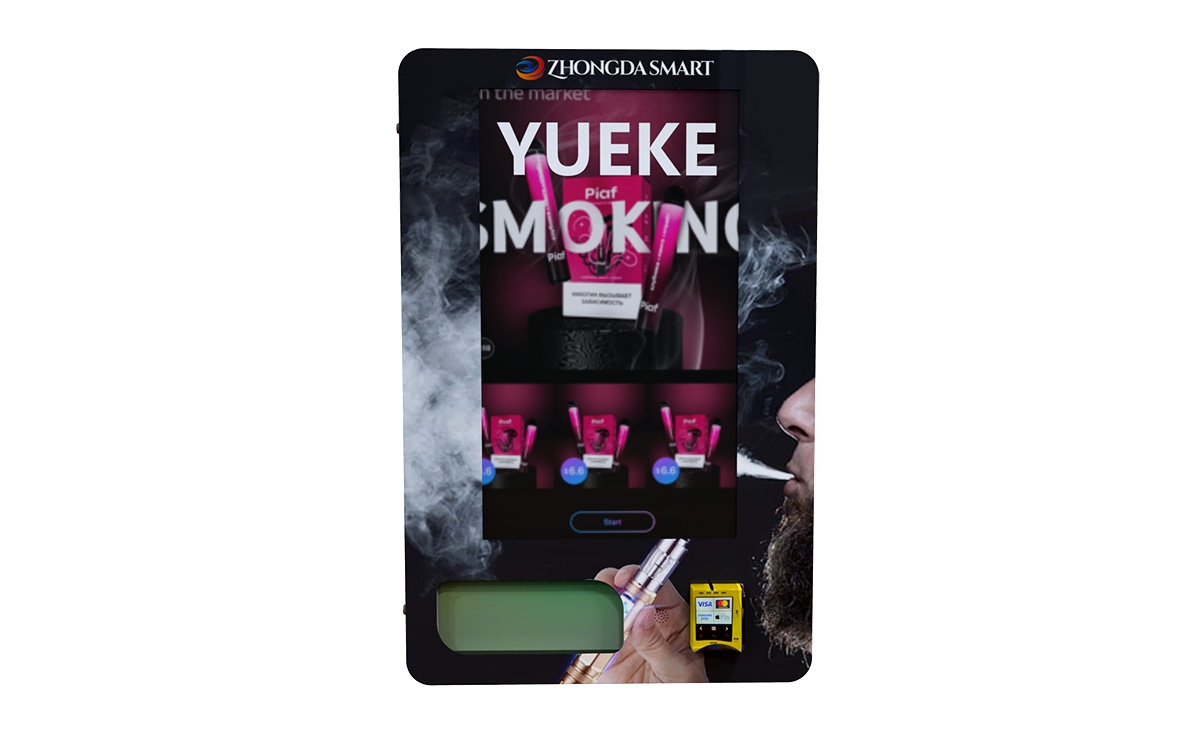
One supplier that has consistently delivered reliable miniature machines is Zhongda Smart. I have used their units in several locations over the past three years. Their refrigerated miniature machines have held up well even in high-humidity environments, and their remote monitoring system is straightforward. If you are sourcing equipment for a serious operation, they are worth considering, especially if you need customization or bulk pricing.
That said, do not take my word as the only opinion. Always request samples or visit a showroom if possible. I have made the mistake of ordering based on photos alone, and the result was not pretty.
Where to Place a Miniature Vending Machine for Maximum Profit
Location is everything in this business. I have seen the same machine model generate $600 in one spot and $50 in another just 500 meters away. The difference is not luck. It is about understanding foot traffic, dwell time, and product fit.
Characteristics of a Good Location
- Daily foot traffic: At least 50 to 100 people passing by or through the area
- Dwell time: Locations where people wait for at least a few minutes (waiting rooms, lobbies, break areas)
- Limited food options: If there is a cafeteria or convenience store within 50 meters, your machine will struggle
- Accessibility: The machine should be visible and easy to access 24/7 if possible
- Low theft risk: Avoid locations with a history of vandalism unless the machine is in a secure area
Best and Worst Location Types Based on My Experience
| Location Type | Potential Monthly Revenue | Risk Level | Notes |
|---|---|---|---|
| Small office break room | $150 – $400 | Low | Steady but lower volume |
| Gym / fitness studio | $300 – $600 | Medium | High margin if selling protein products |
| Hotel lobby / corridor | $200 – $500 | Medium | Depends on occupancy rate |
| Hair salon / barbershop | $100 – $250 | Low | Good for impulse buys |
| College dormitory lounge | $250 – $500 | Medium | High traffic but more theft risk |
| Hospital waiting room | $200 – $400 | Low | Steady traffic, but limited hours sometimes |
| Public transit station | $400 – $700 | High | High traffic but also high vandalism risk |
I once placed a machine in a small yoga studio. The owner loved the idea, but the traffic was just too low. After three months, I moved it to a nearby gym, and revenue tripled within the first month. Do not be afraid to relocate a machine if it is not performing. A static machine in a bad spot is a money pit.
Common Mistakes New Operators Make
I have seen dozens of people enter this business with high hopes and exit within a year with losses. Here are the mistakes I see most often:
Buying the Cheapest Machine Available
As I mentioned earlier, cheap machines break. I learned this with a $600 unit that had a faulty cooling system. The repair cost was $250, and the machine was down for two weeks. That is lost revenue plus repair cost. A reliable machine is worth the extra investment.
Ignoring Payment Flexibility
In 2026, cash-only machines are nearly obsolete. According to a Statista survey from 2025, about 41% of consumers in the U.S. prefer to pay with cards or mobile wallets for small transactions (Statista, Vending Machines in the U.S.). If your machine does not accept cards or Apple Pay, you are losing nearly half your potential sales.
Poor Product Selection
I once stocked a machine in a gym with regular candy bars. They did not sell. I switched to protein bars, nuts, and bottled water, and sales jumped by 60%. Know your audience and rotate products based on sales data.
Underestimating Restocking Frequency
A miniature machine holds fewer items, so it needs more frequent restocking. If you place a machine 30 minutes from your home, you need to factor in travel time. I try to keep my machines within a 20-minute radius to make restocking efficient.
Not Having a Maintenance Plan
Machines break. It is not a matter of if, but when. If you do not have a relationship with a local technician or a spare parts inventory, downtime will kill your profit. I keep a small stock of common parts like coin mechanisms, card readers, and cooling fans.
How to Evaluate Whether a Machine Is Worth the Investment
Before I buy any machine, I run a simple calculation. Here is the framework I use:
- Estimate monthly revenue based on location traffic and average transaction value
- Subtract product cost (usually 50% to 70% of revenue)
- Subtract location commission (10% to 20%)
- Subtract operating costs (electricity, payment fees, restocking labor)
- Divide net monthly profit by machine cost to get payback period in months
For example, if a machine costs $2,500 and generates $400 in gross revenue per month, with 50% product cost and 15% commission, the net profit is roughly $140 per month. Payback period would be about 18 months. That is acceptable for a low-risk location, but I prefer 12 months or less for higher-risk spots.
If the payback period exceeds 24 months, I usually pass unless the location has long-term stability and low maintenance needs.
Self-Operate vs. Lease vs. Revenue Share: Which Model Works Best?
There are three main ways to get into the miniature vending machine business. Each has pros and cons:
| Model | Upfront Cost | Control | Profit Potential | Best For |
|---|---|---|---|---|
| Self-operate (buy and run) | High ($1,500 – $5,000 per machine) | Full | Highest | Experienced operators with time to manage |
| Lease from a provider | Low ($50 – $200 per month) | Limited | Low to moderate | Location owners who want a machine without hassle |
| Revenue share with location owner | None | Shared | Moderate | Partnerships where both parties contribute |
I prefer self-operating because I keep full control over product selection, pricing, and maintenance. However, if you are a location owner reading this and you want a machine without the operational headache, leasing from a professional operator is a better option.
Maintenance and Repair: What You Need to Know
Even the best miniature vending machine will need occasional maintenance. The most common issues I have encountered are:
- Jammed coils or spirals – usually caused by oversized products
- Card reader connectivity problems – often a simple reboot fixes this
- Cooling system failure – more common in cheaper units
- Coin mechanism jams – regular cleaning helps
I recommend learning basic vending machine repair yourself if you plan to operate more than a few units. Calling a technician for every small issue will eat into your margins. There are plenty of online forums and YouTube tutorials that cover common fixes. I also keep a small toolkit with screwdrivers, a multimeter, and spare fuses in my car.
For more complex issues like compressor failure, you will need a professional. Build a relationship with a local technician before you need one. I learned this the hard way when a machine went down during a holiday weekend and I could not find anyone to fix it for four days.
Legal Requirements and Permits
Regulations vary by country and even by city. In the United States, you generally need a business license and a sales tax permit. Some cities require a specific vending machine permit. In Europe, the requirements differ by country. For example, in France, you need to register with the Chamber of Commerce and comply with food safety regulations if you sell perishable items (Service-Public.fr, Vending Machine Regulations in France).
Food safety is a serious consideration. If your machine sells refrigerated items, the temperature must be maintained below 40°F (4°C) in the U.S. or 4°C in the EU. I have seen operators fined for failing to maintain proper temperatures. Invest in a machine with a reliable cooling system and a temperature alarm.
Also, check with the location owner about insurance requirements. Some commercial leases require the vending machine operator to carry liability insurance. The cost is usually minimal, around $200 to $500 per year for a small operation.
How to Scale Your Miniature Vending Machine Business
Once you have a few profitable machines running, scaling becomes the next challenge. The biggest bottleneck is usually restocking and maintenance time. I solved this by grouping my machines geographically. All my machines are within a 15-mile radius, which allows me to restock five to six machines in a single afternoon.
Another tip: use sales data to optimize product mix. I track which items sell fastest and which ones sit for weeks. Slow-moving items get replaced. I also adjust pricing based on location. A protein bar that sells for $3.00 in a gym might sell for $2.50 in an office break room. Do not be afraid to test different price points.
If you are considering expanding to multiple units, look into remote monitoring systems. They save hours of labor by telling you exactly which machines need restocking and which are fine. Zhongda Smart offers this feature on their higher-end models, and I have found it invaluable for managing my fleet.
Final Thoughts on the Best Miniature Vending Machine in 2026
The miniature vending machine market in 2026 offers real opportunities for operators who are willing to do the groundwork. It is not a passive income scheme. It requires research, capital, and ongoing effort. But if you choose the right machine, place it in a good location, and manage it properly, it can be a solid investment.
Focus on reliability over low price. Prioritize locations with steady traffic and limited competition. Learn basic maintenance to keep your machines running. And always keep an eye on your numbers. If a machine is not performing after three months, move it.
There is no single best machine for everyone. The best miniature vending machine for you depends on your budget, your location, and your product strategy. But with the information in this guide, you are better equipped to make a decision that will save you money and frustration.
Disclaimer: The figures in this article are based on my personal experience operating vending machines in the U.S. and Europe. Actual results will vary based on location, product selection, operating costs, and market conditions. This content is for informational purposes only and does not constitute financial or legal advice.
Frequently Asked Questions
Are miniature vending machines profitable?
Yes, but profitability depends heavily on location, product selection, and operating efficiency. A well-placed machine can generate $60 to $200 in net profit per month. Poorly placed machines can lose money.
How much does a miniature vending machine cost?
Prices range from $800 for a basic non-cooled unit to $6,000 for a smart refrigerated machine with remote monitoring and custom branding. Expect to pay between $1,800 and $3,500 for a reliable refrigerated model.
How long does it take to recoup the investment?
Typical payback periods range from 8 to 18 months, depending on the machine cost and location performance. If the payback period exceeds 24 months, the investment is usually not worth it.
Should I buy or lease a miniature vending machine?
Buying gives you full control and higher profit potential. Leasing is better if you want to test the business without a large upfront investment. Most experienced operators prefer buying.
Where should I place a miniature vending machine?
Look for locations with at least 50 to 100 daily visitors, some dwell time, and limited nearby food options. Gyms, small offices, hotel lobbies, and medical waiting rooms are solid choices.
What permits do I need?
Requirements vary by location. In most cases, you need a business license, a sales tax permit, and possibly a vending machine permit. Check with your local city or county office. In Europe, food safety registration is required for refrigerated units.
How do I choose a reliable supplier?
Look for suppliers with metal cabinets, cashless payment options, remote monitoring, and good after-sales support. Zhongda Smart is one supplier I have used successfully. Always check certifications like CE or UL.
What happens when the machine breaks?
If you have basic technical skills, you can fix many issues yourself. For complex repairs, you will need a professional technician. Build a relationship with a local repair service before you need one.
How can I reduce restocking and maintenance costs?
Group your machines in a small geographic area. Use remote monitoring to know exactly when to restock. Buy reliable machines that require fewer repairs. Learn basic maintenance to avoid costly service calls.
Can I run this business part-time?
Yes, many operators start part-time. With 5 to 10 machines in a small area, you can manage restocking on weekends. As you grow, consider hiring help or using remote monitoring to reduce labor time.
本文更新于2026年1月。市场数据、价格和法规可能会随时间变化。在做出商业决策之前,请务必核实最新信息。