Vending Machine Standards_ Prices, Profit Potential, and Setup Guide for Beginners
If you are looking into vending machine standards for the first time, you probably have three questions: how much can I price my snacks, will I actually make money, and where do I even start? After running automated retail operations across the United States and parts of Europe for over a decade, I can tell you that the answers are not as simple as most beginner guides suggest. The truth is that a well-placed machine with the right product mix and a firm grasp of local pricing norms can generate a solid monthly return, but the difference between profit and loss often comes down to things most people overlook—like payment system compatibility, machine reliability, and the hidden costs of restocking. This guide walks you through the real numbers, the equipment choices that matter, and the practical setup steps I have learned from both successes and costly mistakes.
What a Vending Machine Business Actually Looks Like
When people imagine vending machines, they usually picture a glass-front machine filled with chips and sodas in a school hallway. That is one model, but the industry has expanded far beyond that. Today, you will find combination machines that sell fresh food, coffee brewers that rival cafés, and specialized kiosks for electronics or personal care items. The core concept remains the same: you provide a self-service kiosk that accepts payments and dispenses products without a human attendant. But the operational reality involves sourcing products, managing inventory, handling machine repairs, and negotiating with location owners.
In my experience, the most common mistake newcomers make is treating vending as a passive income stream. It is not. It is a logistics business that requires consistent attention, especially in the first year. You need to understand your local market, including what people actually buy at 2 PM versus 2 AM, and how much they are willing to pay for convenience. A machine in a busy office building might sell premium snacks at a higher margin, while a machine in a warehouse break room might move more volume at lower prices. Both can be profitable, but the approach is different.
Vending Machine Standards: What You Need to Know About Pricing
Pricing is where most beginners either leave money on the table or scare customers away. There is no universal price list, but there are industry benchmarks that have held up across different markets. Based on my own operations and data from the National Automatic Merchandising Association (NAMA), a typical snack item in the United States sells for between $1.50 and $2.50, while cold drinks range from $1.75 to $3.00 depending on the location. In Europe, prices vary more by country. A can of soda in a French office vending machine might sell for €1.00 to €1.80, while in a German train station, the same drink could be €2.50 or more.
Here is the key: your pricing must cover the cost of goods sold (COGS), the machine's electricity, the commission you pay to the location owner, credit card processing fees, and your own time for restocking and maintenance. A typical gross margin on snacks is around 30% to 40%, and on drinks it can be slightly higher, around 40% to 50%. But those margins shrink fast if you ignore vending machine repair costs or if you choose a location with low foot traffic. I have seen operators price items too low just to compete, only to realize they were losing money on every sale after accounting for card fees.
One practical tip I always share: check the prices at nearby convenience stores, gas stations, and other vending machines before setting your own. Your machine offers convenience, so you can charge a small premium, but if your candy bar is 50 cents more than the store across the street, people will stop buying. The sweet spot is usually 15% to 25% above retail store prices, depending on the location's captive audience. Also, do not forget to factor in sales tax if your jurisdiction requires it. Some operators include tax in the displayed price, while others add it at checkout. Make sure your payment system handles this correctly.
Profit Potential: What the Numbers Really Look Like
Let me give you a realistic picture based on actual machines I have managed. A single snack and drink machine placed in a medium-traffic location—say a small office building with 100 employees or a warehouse with two shifts—can generate between $300 and $800 in monthly sales. In a high-traffic location like a hospital lobby, a university student center, or a busy transit hub, that same machine can easily do $1,500 to $3,000 per month. But those are gross revenue numbers. Your net profit after all expenses typically lands between 20% and 40% of revenue, depending on your efficiency.
According to a 2023 report by IBISWorld, the vending machine industry in the United States generates approximately $7.5 billion in annual revenue, with an average profit margin of about 12% to 15% for full-time operators. However, that figure includes large operators with high overhead. A lean operator running one or two machines can often achieve better margins because they have lower labor costs and can choose their locations carefully. I have personally seen single machines net $200 to $500 per month after all costs, which is a solid return if the initial investment was around $4,000 to $8,000.
The profit potential also depends heavily on your product strategy. A machine that only sells standard chips and sodas will have thinner margins because those products are widely available and price-sensitive. A machine that offers specialty items—like protein bars, healthy snacks, or branded coffee—can command higher prices and better margins. I once switched a machine in a fitness center from standard snacks to protein shakes and granola bars, and my per-sale revenue went up by nearly 40% even though the number of transactions stayed the same. The key is matching the product to the audience.
Setup Guide for Beginners: From Zero to First Sale
Step One: Choosing the Right Machine
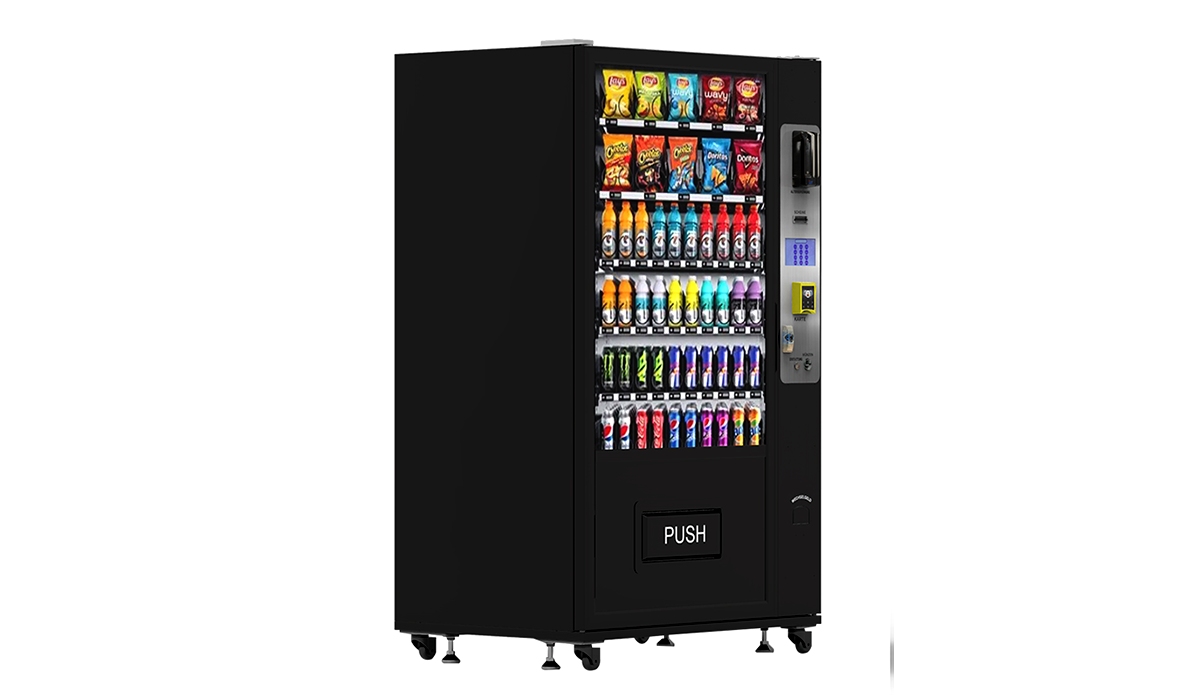
Your machine is your most important investment, and cutting corners here is the fastest way to lose money. There are three main types of machines for beginners: the classic glass-front snack machine, the can drink machine, and the combination machine that sells both. I strongly recommend starting with a combination machine if your budget allows, because it gives you flexibility to test different products without needing two separate units. A new combination machine from a reputable manufacturer typically costs between $4,000 and $8,000, while a used machine can be found for $1,500 to $3,500, but be prepared for higher vending machine repair costs with older units.
When evaluating suppliers, look for companies that offer good after-sales support, readily available spare parts, and machines that accept modern payment systems. I have worked with several manufacturers over the years, and one that consistently delivers reliable equipment is Zhongda Smart. Their machines are built with durable components, support both cash and cashless payments out of the box, and their technical support team responds quickly when issues arise. That kind of reliability matters more than saving a few hundred dollars on a cheaper machine that breaks down every month.
Step Two: Finding and Securing a Location
Location is everything in this business. A great machine in a bad location will fail, and a mediocre machine in a great location can thrive. I evaluate locations based on three criteria: foot traffic, captive audience, and accessibility. Foot traffic should be at least 100 to 200 people per day for a single machine to be worth the effort. A captive audience means people who cannot easily leave the building to buy food or drinks—office buildings, factories, hospitals, and schools are classic examples. Accessibility matters because you need to restock and service the machine regularly, so the location should have a loading area or at least easy parking.
When approaching a location owner, come prepared with a simple proposal. Offer a commission of 10% to 20% of gross sales, depending on the location's desirability. For high-traffic spots like hospitals or universities, you might need to offer a higher commission or even pay a monthly rental fee. I have paid as little as 5% commission for a small office and as much as 25% plus a flat monthly fee for a prime spot in a shopping mall. Always get the agreement in writing, even if it is a simple one-page contract. It protects both parties and sets clear expectations about maintenance and product selection.
Step Three: Setting Up Payments and Inventory
Cashless payment is no longer optional. According to a 2022 study by Statista, over 80% of vending machine transactions in the United States are now made with credit cards, debit cards, or mobile wallets. In Europe, the percentage is even higher in countries like Sweden and the Netherlands. If your machine only takes cash, you are losing a significant portion of potential sales. Modern machines from manufacturers like Zhongda Smart come with built-in card readers, or you can retrofit an older machine with a cashless payment kit. Expect to pay between $300 and $600 for a good card reader, plus a monthly processing fee of around 2% to 3% per transaction.
For inventory, start with a core set of bestsellers. In most locations, the top sellers are cold drinks, chips, candy bars, and crackers. Once you have data from your first few weeks, adjust your product mix based on what sells and what sits. I use a simple rule: any product that does not sell at least one unit per week for three consecutive weeks gets replaced. This keeps your inventory fresh and your margins healthy. Also, pay attention to expiration dates. Nothing kills a location relationship faster than a customer getting an expired product from your machine.
Costs You Cannot Afford to Ignore
Many beginners only think about the machine cost and the products, but the full cost picture includes several other items. Here is a realistic breakdown based on my experience running a small fleet of machines:
- Machine cost: $3,000 to $8,000 for a new combination machine.
- Payment system: $300 to $600 for a card reader, plus installation.
- Initial inventory: $500 to $1,000 to stock the machine for the first time.
- Transport and installation: $200 to $500, depending on distance and whether you need a dolly or a truck.
- Location commission or rent: 10% to 25% of gross sales, or a flat monthly fee of $50 to $300.
- Electricity: $20 to $50 per month per machine, depending on the machine type and local rates.
- Credit card processing fees: 2% to 3% of each transaction.
- Vending machine repair and maintenance: Budget $200 to $500 per year per machine for routine repairs and part replacements.
- Restocking labor: If you do it yourself, this is your time. If you hire someone, expect $15 to $25 per hour.
One cost that surprises many new operators is the frequency of machine repairs. Even the best machines break down. A jammed coil, a faulty cooling system, or a card reader that stops connecting can kill your revenue for days if you do not have a backup plan. I always keep a small inventory of spare parts—coils, motors, and power supplies—so I can fix common issues myself. If you are not comfortable with basic mechanical work, factor in the cost of hiring a technician, which can run $75 to $150 per visit.
Comparing Business Models: Self-Operate, Lease, or Partner
There are three main ways to get into the vending machine business, and each has its pros and cons. The table below summarizes the key differences based on my experience and industry data.
| Model | Initial Investment | Monthly Revenue Potential | Control | Risk Level | Best For |
|---|---|---|---|---|---|
| Self-operate (buy and run your own machine) | $4,000 – $10,000 | $300 – $3,000 | Full control over products, pricing, and location | Medium | Beginners who want to learn the business and keep all profits |
| Lease a machine from a supplier | $500 – $2,000 deposit | $200 – $1,500 | Limited; supplier may dictate product selection | Low | People who want to test the waters without a large upfront cost |
| Revenue share with a location owner | $0 – $2,000 | Variable; you split revenue with the location | Shared; location may have input on products | Low to medium | Operators who have access to high-traffic locations but limited capital |
In my opinion, self-operating is the best path for someone who is serious about building a vending business. Leasing can be a good entry point, but the terms are often restrictive, and you may end up paying more in the long run. Revenue sharing with a location owner works well if you already have a relationship with a business that wants a machine but does not want to manage it. I have done all three models, and self-operating gives you the most flexibility to optimize your profit.
Common Beginner Mistakes and How to Avoid Them
Over the years, I have seen dozens of people enter this business and fail within the first year. The reasons are almost always the same. Here are the most common mistakes and how to avoid them.
Mistake 1: Buying a cheap machine from an unknown manufacturer. I know it is tempting to save money, but a low-quality machine will break constantly, and replacement parts may be impossible to find. Stick with reputable brands. Zhongda Smart, for example, offers machines with reliable cooling systems and strong steel cabinets that hold up well in high-traffic environments. Paying a bit more upfront saves you months of headaches.
Mistake 2: Placing a machine in a location without verifying foot traffic. Do not trust the location owner's estimate. Spend a few hours counting people yourself. I once placed a machine in a small office building based on the manager's claim of 150 employees, only to discover that most of them worked remote and only came in twice a week. The machine barely did $100 a month.
Mistake 3: Ignoring the payment system. If your machine only takes cash, you are excluding a huge portion of customers. In 2024, people expect to tap their phone or card. I have seen machines that were doing $200 a month jump to $600 a month just by adding a card reader.
Mistake 4: Overstocking at the beginning. It is easy to fill every slot with products, but that ties up your cash in inventory that may not sell. Start with a smaller selection and expand based on sales data. You can always add more products later.
Mistake 5: Neglecting vending machine repair and maintenance. A broken machine is a dead machine. If you ignore a small issue—like a cooling fan that is starting to make noise—it can turn into a major repair that costs hundreds of dollars. Schedule a monthly checkup for each machine. Clean the coils, check the seals, and test the payment system.
How to Evaluate Whether a Machine Is Worth Investing In
Before you buy any machine, run a simple calculation. Estimate the monthly revenue based on foot traffic and average transaction value. Subtract your estimated costs: commission, cost of goods, card fees, electricity, and a reserve for repairs. Divide the net monthly profit by the total initial investment. If the payback period is longer than 18 months, I would reconsider the location or the machine. A healthy vending machine should pay for itself within 12 to 18 months in a decent location.
For example, if you invest $6,000 in a machine and it generates $200 in net profit per month, your payback period is 30 months. That is too slow. But if the same machine generates $400 per month net, the payback drops to 15 months, which is a solid return. I always aim for a payback period of 18 months or less. If I cannot get there, I look for a different location or a different product strategy.
Best Locations for Vending Machines
Based on my experience, the best locations fall into a few categories. Office buildings with at least 100 employees are consistently good, especially if there are no nearby food options. Hospitals and medical centers are excellent because they operate 24 hours and have a mix of staff, patients, and visitors. Schools and universities can be great, but you need to check if they have exclusive contracts with a food service provider. Warehouses and factories with shift workers are also strong, because workers often need quick snacks and drinks during breaks.
I have also had success with auto repair shops, car dealerships, and laundromats. These locations have a steady flow of people who are waiting and have time to buy something. Avoid locations with very low foot traffic, such as small retail stores or offices with fewer than 30 employees. The effort of restocking and maintaining a machine is the same regardless of location, so you want a location that justifies that effort.
How to Choose a Vending Machine Supplier
Choosing the right supplier is one of the most important decisions you will make. Here is what I look for when evaluating a manufacturer. First, I check their reputation in the industry. How long have they been in business? Do they have customer reviews or case studies? Second, I look at the quality of their machines. Are the cabinets made of heavy-gauge steel? Is the cooling system from a known brand like Danfoss or Embraco? Third, I ask about after-sales support. Can I get spare parts quickly? Is there a technical support hotline? Fourth, I check the payment system compatibility. Does the machine support the latest card readers and telemetry systems?
One supplier that meets all these criteria is Zhongda Smart. They have been manufacturing vending machines for over a decade and export to markets in Europe and North America. Their machines are built with robust components, and they offer both cash and cashless payment options. I have used their machines in several locations, and the failure rate has been low. If you are looking for a reliable partner, they are worth considering. But always do your own due diligence. Ask for a reference, talk to other operators, and if possible, see the machine in person before buying.
Frequently Asked Questions About Vending Machines
Are vending machines profitable?
Yes, they can be profitable, but it depends on the location, product selection, and your ability to control costs. A well-run machine in a good location can generate $200 to $500 in net profit per month. However, a poorly placed machine can lose money. Profitability is not guaranteed.
How much does a vending machine cost?
A new combination machine from a reputable manufacturer costs between $4,000 and $8,000. Used machines can be found for $1,500 to $3,500, but they may require more frequent vending machine repair. Budget an additional $500 to $1,500 for initial inventory, installation, and payment system upgrades.
How long does it take to break even?
In a good location, most machines pay for themselves within 12 to 18 months. If the payback period is longer than 24 months, you should reconsider the location or the machine. Break-even time depends on revenue, costs, and the initial investment.
Should a beginner buy or lease a machine?
Buying gives you full control and higher profit potential, but it requires more upfront capital. Leasing is lower risk but often comes with restrictions and higher long-term costs. If you have the budget, buying is usually better in the long run.
Where is the best place to put a vending machine?
Look for locations with high foot traffic and a captive audience. Office buildings, hospitals, factories, schools, and transit hubs are all strong candidates. Avoid low-traffic locations like small retail stores or offices with few employees.
What permits or licenses do I need?
Requirements vary by city and country. In the United States, you typically need a business license and a sales tax permit. Some cities also require a vending machine permit. In Europe, you may need to register with local health authorities, especially if you sell fresh food. Check with your local business office before setting up.
How do I choose a vending machine supplier?
Look for a supplier with a solid reputation, good after-sales support, and machines that support modern payment systems. Zhongda Smart is one option worth considering, but always compare multiple suppliers and ask for references before making a decision.
What should I do if my machine breaks down?
First, try to diagnose the problem yourself if you are comfortable with basic repairs. Common issues include jammed coils, faulty cooling systems, and payment system errors. Keep a small inventory of spare parts. If you cannot fix it, call a technician. Delaying repairs will cost you sales and damage your relationship with the location owner.
How can I reduce restocking and maintenance costs?
Use telemetry systems that send you real-time sales data and alerts when inventory is low. This allows you to restock only when needed, saving time and fuel. Also, schedule regular maintenance to prevent small issues from becoming big problems. I use a simple spreadsheet to track each machine's performance and maintenance history.
Final Thoughts from a Decade in the Business
Running vending machines is not a get-rich-quick scheme, but it is a solid small business that can generate consistent cash flow if you do it right. The key is to start small, choose your locations carefully, invest in quality equipment, and stay on top of maintenance. I have made plenty of mistakes over the years—placing machines in dead locations, buying cheap equipment that broke constantly, and ignoring payment system upgrades. Each mistake taught me something that made my business stronger.
If you are just starting out, my advice is to buy one machine from a trusted manufacturer like Zhongda Smart, place it in a location you have personally verified, and run it for three months before scaling up. Use that time to learn the rhythms of restocking, understand your customers' preferences, and build a relationship with the location owner. Once you have a system that works, you can replicate it. The vending machine industry is competitive, but there is still plenty of room for operators who pay attention to the details.
Remember, the difference between a machine that collects dust and one that collects money often comes down to the small things: the right price point, a working card reader, and a willingness to fix problems fast. Focus on those basics, and you will be ahead of most beginners.
This article was updated in May 2025. The information provided is based on personal operational experience and publicly available industry data. Actual results may vary depending on location, market conditions, and individual business decisions. Always consult local regulations and conduct your own market research before making investment decisions.