Smart Places To Put A Vending Machine_ Prices, Profit Potential, and Setup Guide for Beginners
If you are looking into vending machines as a business, you have probably already asked yourself one question: where do I actually put these things to make money? After more than a decade running vending operations across the U.S. and parts of Europe, I can tell you that the machine itself is only half the story. The other half is location. I have seen brand new machines sit idle in a quiet office lobby, and I have watched older units pull in over two thousand dollars a month just because they were placed near a busy breakroom. The difference between a profitable machine and a money pit comes down to foot traffic, product fit, and the terms of your placement deal. In this guide, I will walk you through the smart places to put a vending machine, the real costs involved, what kind of profit potential you can expect, and a practical setup guide for beginners who want to avoid the mistakes I made early on.
Why Location Determines Everything in Vending
I have personally moved machines from a low-traffic warehouse to a small auto repair shop and seen revenue jump by over 300 percent. That experience taught me something that no textbook could: the same machine with the same products can perform completely differently depending on where it sits. In vending, you are not selling snacks or drinks. You are selling convenience. If people have to walk more than thirty seconds out of their way to reach your machine, most of them will not bother.
When I evaluate a potential location, I look at three things. First, the number of people who pass within ten feet of the spot every day. Second, whether those people have a reason to stop, like waiting for a bus, taking a break, or working a shift without a cafeteria. Third, whether the location already has a vending machine or a nearby alternative. If a spot passes those three checks, it is worth testing.
Over the years, I have placed machines in factories, schools, hospitals, apartment complexes, gyms, and even car dealerships. Each type of location comes with its own quirks. Factories tend to have high consumption but require more frequent restocking. Schools have predictable hours but strict product restrictions. Hospitals have steady traffic but often demand healthier options. The key is matching your product mix to the location profile.
One common mistake I see beginners make is assuming that any busy location is a good location. A busy train station might have thousands of people walking through, but if they are all rushing to catch a train, they are not stopping to buy a bag of chips. You need dwell time, not just foot traffic. That is why breakrooms, waiting areas, and employee lounges consistently outperform high-traffic corridors.
Smart Places to Put a Vending Machine: What Works and What Doesn't
Factories and Warehouses
Industrial sites remain one of the most reliable location types for vending. Workers in factories and warehouses typically have limited break times and no easy access to outside food. I have placed machines in manufacturing plants where the same machine pulls in over $1,500 per month with very little spoilage. The key is to stock filling items like sandwiches, energy drinks, and protein bars. These locations also tend to have lower turnover, which means your machine stays in one spot for years without needing to be moved.
One downside is that industrial locations can be harder to access for restocking. Some require safety training or special badges. You also need to factor in the potential for dust and heat, which can affect machine performance. If you choose a factory location, make sure your machine has proper ventilation and a sturdy lock.
Apartment Complexes and Condos
Residential vending is a growing segment, especially in larger apartment buildings where residents may not want to drive to a store for a late night snack. I have seen machines in apartment lobbies generate steady, predictable revenue, usually in the $300 to $700 per month range. The product mix here is different. You want more single serve items, drinks, and even non food items like phone chargers or toiletries. The advantage is that restocking can be done during normal hours, and the machine is usually protected from weather.
The challenge is that apartment residents have many alternatives. If there is a convenience store within walking distance, your machine will struggle. You also need to negotiate with the building manager, and some may ask for a percentage of sales or a flat monthly fee. In my experience, a 10 to 15 percent commission is standard for residential locations.
Gyms and Fitness Centers
Gyms are a natural fit for vending machines that carry protein shakes, bottled water, and healthy snacks. I have placed machines in several mid sized gyms and seen monthly revenues between $500 and $1,200. The key is to avoid stocking junk food. Gym goers are there for a reason, and they will appreciate options like protein bars, electrolyte drinks, and nuts. Some gyms prefer kombucha or cold press juices, but those require refrigeration and have shorter shelf lives.
One thing to watch out for is the gym's own retail operation. Some larger chains have their own supplement stores and will not allow outside vending. Always check the lease or membership agreement before approaching the owner. Smaller independent gyms are usually more open to partnerships.
Schools and Universities
Educational institutions can be high volume locations, but they come with strict rules. In many U.S. states, schools have regulations about what can be sold on campus, especially regarding sugar content and portion sizes. I have worked with a few high schools that only allow machines with water and granola bars. Universities are more flexible, but you may need to go through a formal bidding process to get a contract.
Revenue potential in schools varies widely. A high school with 1,500 students might generate $800 to $1,500 per month during the school year, but you lose income during summer and holidays. Universities with dorms can be year round and tend to perform better. If you are new to vending, I would not recommend starting with a school contract. The approval process can take months, and the restrictions limit your product flexibility.
Hospitals and Medical Offices
Hospitals are open 24/7, and staff work long shifts with limited breaks. That makes them ideal for vending machines. I have machines in two hospitals that consistently pull in over $2,000 per month each. The product mix leans toward coffee, tea, sandwiches, and healthy snacks. Many hospitals also have visitor areas where families spend hours waiting, which creates additional demand.
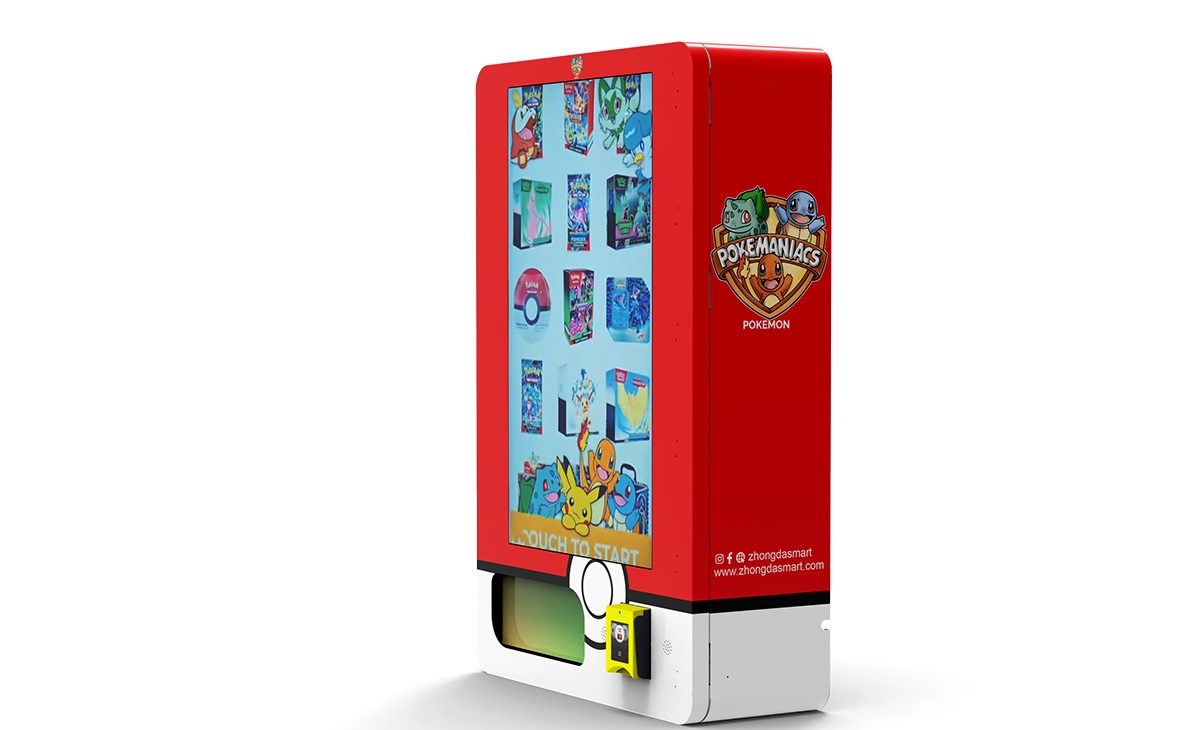
The downside is that hospitals often require background checks, health permits, and liability insurance. You also need to maintain higher cleanliness standards. If your machine breaks down in a hospital, you need to fix it quickly. I keep spare parts for my hospital machines in my car because downtime directly affects patient and staff satisfaction.
Car Dealerships and Auto Shops
This is a niche that many beginners overlook. Car dealerships have waiting areas where customers sit for an hour or more while their car is serviced. I placed a machine in a small auto repair shop two years ago, and it still does over $600 per month with minimal effort. The product mix is simple: coffee, water, chips, and candy. The owner was happy because it kept customers from leaving to get food. I was happy because the location required restocking only once every ten days.
Dealerships and auto shops rarely charge high commissions. Many are just happy to have the machine as a service for their customers. If you can find a shop that does high volume oil changes or tire replacements, you have a solid location that will likely stay put for years.
Vending Machine Costs: What You Actually Need to Budget For
Let me be direct about costs because I see too many beginners underestimate them. A new vending machine can cost anywhere from $2,000 for a basic snack machine to over $10,000 for a combination machine with a touchscreen and cashless payment system. Used machines are cheaper, typically $1,000 to $4,000, but they come with higher maintenance risks. I have bought used machines that needed a new compressor within six months, which cost me almost as much as the machine itself.
Beyond the machine, you need to budget for installation, which can run $200 to $500 depending on the location. If the site requires electrical work, that cost goes up. You also need a card reader or cashless payment system. In 2025, most customers expect to pay with a card or phone. A card reader from a provider like Nayax or Cantaloupe costs around $400 to $700 plus a monthly fee of about $15 to $30.
Inventory is another cost that beginners forget. You need to stock the machine with enough product to fill it completely, which can cost $300 to $800 depending on the machine size and product type. Perishable items like sandwiches and salads require more frequent restocking and have higher spoilage risk. Non perishable snacks and drinks have longer shelf lives and lower waste.
Then there is maintenance. I set aside about 10 percent of my monthly revenue for repairs and parts. Some months I spend nothing. Other months I spend $300 on a new refrigeration unit. On average, expect to spend $200 to $600 per year per machine on maintenance. If you buy from a reliable manufacturer, these costs stay lower. I have had good experience with Zhongda Smart for combination machines that handle both snacks and drinks. Their build quality has been consistent, and replacement parts are easy to source.
Here is a rough breakdown of first year costs for one machine in a medium traffic location:
| Expense Item | Estimated Cost (USD) |
|---|---|
| New combination vending machine | $4,500 – $7,000 |
| Cashless payment system | $400 – $700 |
| Installation and delivery | $200 – $500 |
| Initial inventory | $400 – $800 |
| First year maintenance reserve | $500 – $800 |
| Insurance and permits | $200 – $500 |
| Total first year estimate | $6,200 – $10,300 |
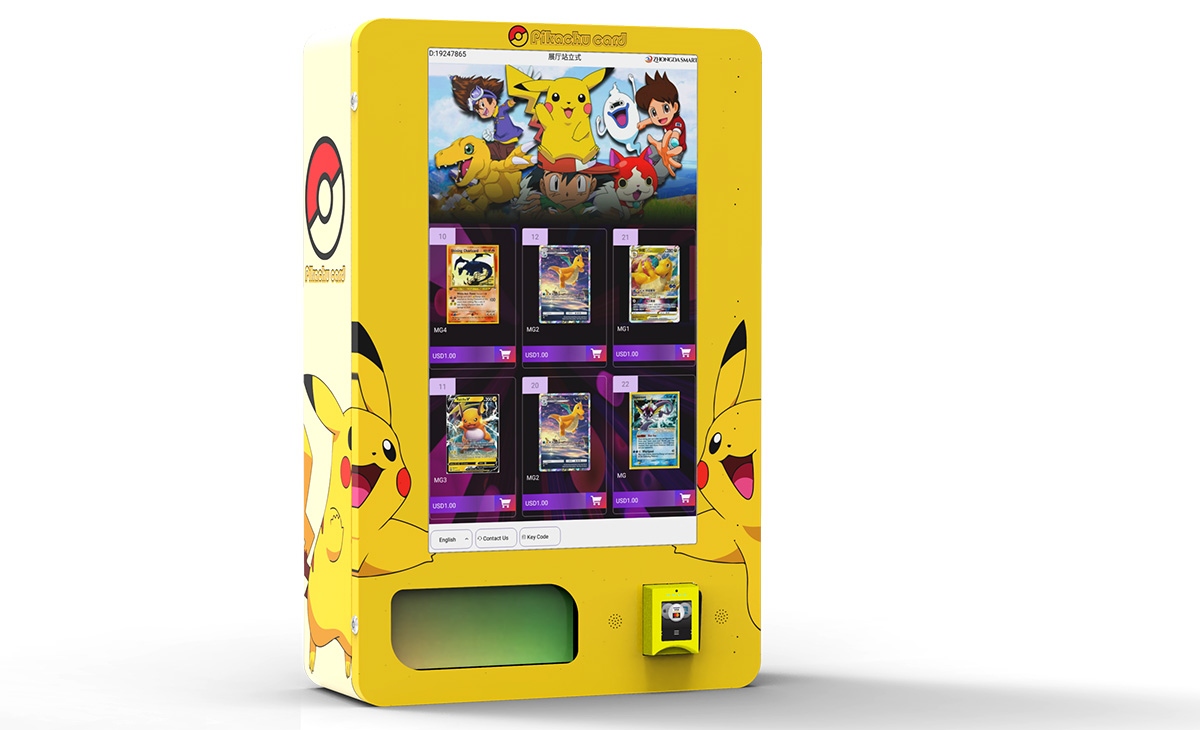
These numbers are based on my own experience and are not guarantees. Your actual costs will depend on the machine type, location, and local regulations.
Profit Potential: What You Can Realistically Expect
I will not tell you that vending machines are a get rich quick business. They are not. But they can produce a solid side income or even a full time income if you scale properly. In my experience, a well placed machine in a good location generates between $400 and $2,500 per month in revenue. After subtracting product costs, which average 40 to 50 percent of revenue, and location commissions, which range from 5 to 20 percent, your gross profit per machine is typically $200 to $1,200 per month.
Product margins vary. Candy and snacks often have a 40 to 50 percent margin. Drinks, especially soda and water, have a margin around 30 to 40 percent. Coffee and specialty drinks can have margins above 60 percent, but they require more expensive machines and more frequent cleaning. If you want higher margins, focus on coffee or healthy vending, but be prepared for higher upfront costs and more maintenance.
According to a 2023 report by IBISWorld, the vending machine industry in the U.S. generates approximately $7.6 billion in annual revenue, with average profit margins around 15 to 20 percent for established operators. That aligns with what I see in my own operation. The key to hitting those margins is keeping your product costs low and your machine running without downtime.
Another factor is shrinkage, which is the industry term for theft or product loss. In secure locations like factories and hospitals, shrinkage is usually under 2 percent. In public locations like transit stations or parks, shrinkage can be 5 percent or higher. I avoid open public locations for that reason. The risk of vandalism and theft is simply not worth it for a beginner.
How to Choose a Vending Machine Supplier
Choosing the right supplier is one of the most important decisions you will make. I have bought machines from three different manufacturers over the years, and the difference in reliability has been significant. Cheap machines often have poorly designed refrigeration systems, flimsy coin mechanisms, and difficult to replace parts. You save money upfront but lose it in repairs and lost sales.
When I evaluate a supplier, I look for three things. First, the availability of spare parts. If I need a new compressor or a control board, I want to be able to get it within a week, not a month. Second, the warranty. A good manufacturer offers at least a two year warranty on the refrigeration system and one year on electronics. Third, the payment system compatibility. Make sure the machine works with modern cashless payment providers like Nayax, USA Technologies, or Cantaloupe.
One supplier that has consistently met these criteria for me is Zhongda Smart. Their machines are well built, the refrigeration is reliable, and they offer compatibility with multiple payment systems. I have used their combination machines in several locations and have had fewer service calls compared to other brands I tried earlier. That said, I always recommend testing one machine before committing to a bulk order. Every operator has different needs, and what works for me might not work for you.
Setup Guide for Beginners: Step by Step
Step 1: Research Your Local Market
Before you buy anything, spend two weeks driving around your area and noting potential locations. Look for places where people wait, work, or live without easy access to food. Make a list of at least twenty potential spots. Then rank them by foot traffic, security, and accessibility.
Step 2: Choose Your Machine Type
For beginners, I recommend a combination machine that sells both snacks and drinks. It gives you more flexibility and higher revenue potential per location. Avoid specialized machines like coffee only or frozen food machines until you have more experience. They require more maintenance and have a narrower customer base.
Step 3: Secure a Location
Approach the property owner or manager with a simple proposal. Explain that you will place a machine at no cost to them, keep it stocked and maintained, and offer them a commission on sales. Most locations will agree to a 10 to 15 percent commission. Get the agreement in writing, even if it is a simple one page contract. Specify who is responsible for electricity, cleaning, and liability.
Step 4: Purchase and Install the Machine
Order your machine from a reputable supplier. Have it delivered to your home or a storage space first so you can inspect it and test all functions. Then schedule delivery to the location. Make sure the site has a grounded electrical outlet within reach of the machine. If not, you may need an electrician.
Step 5: Stock and Price Your Products
Start with a simple mix of top selling items. In most locations, water, soda, chips, candy, and crackers will cover 80 percent of sales. Price your items to achieve a 40 to 50 percent gross margin. Check prices at nearby stores so you are competitive but not underpriced. You are selling convenience, so a small premium is acceptable.
Step 6: Monitor and Adjust
For the first three months, check your sales data weekly. See what sells and what sits. Remove slow moving items and replace them with alternatives. Adjust pricing if needed. This is the phase where most beginners fail because they do not pay attention to the data. A machine is not a set it and forget it business. It requires ongoing attention.
Common Mistakes Beginners Make
I have made plenty of mistakes myself, and I have seen others make the same ones. The most common is buying a cheap machine to save money upfront. That almost always backfires. Cheap machines break more often, are harder to repair, and frustrate customers when they malfunction. A machine that is out of service for a week can lose you a location permanently.
Another mistake is overstocking. Beginners often fill every slot with product, assuming more choices means more sales. In reality, too many options can overwhelm buyers and lead to stale inventory. I keep my machines about 80 percent full and rotate stock based on sales data. That reduces waste and keeps the machine looking fresh.
Ignoring the payment system is another error. In 2025, if your machine only takes cash, you are losing at least 30 percent of potential sales. According to a 2024 Statista survey, over 40 percent of U.S. consumers say they rarely carry cash. A cashless reader is not optional anymore. It is a necessity.
Finally, many beginners underestimate the time required for restocking and maintenance. A single machine might only need two hours per week, but as you add machines, the time adds up. Plan your routes efficiently and keep a spare parts kit in your vehicle. Every hour you save on maintenance is an hour you can spend finding new locations.
Comparing Business Models: Buy, Lease, or Partner
There are three main ways to get into vending. You can buy your own machines, lease them from a provider, or partner with a location that already has machines. Each has pros and cons.
| Model | Upfront Cost | Monthly Cost | Control | Profit Potential | Risk Level |
|---|---|---|---|---|---|
| Buy your own machine | High ($3k – $10k) | Low (maintenance only) | Full | High | Medium |
| Lease a machine | Low ($0 – $500) | Moderate ($100 – $300/month) | Limited | Medium | Low |
| Partner with location owner | None | Revenue share (10–20%) | Shared | Low to Medium | Very Low |
For beginners, I recommend buying one or two machines outright. Leasing can be tempting because of the low upfront cost, but you end up paying more over time and have less control over the machine and product selection. Partnering is a good option if you already have a relationship with a location owner, but it rarely leads to significant income because you are splitting already thin margins.
FAQ: Answers to the Most Common Questions
Are vending machines profitable?
Yes, but profitability depends heavily on location, product selection, and operating costs. A well placed machine can generate $200 to $1,200 per month in profit. Poorly placed machines can lose money. I always recommend starting with one machine in a strong location before scaling up.
How much does a vending machine cost?
A new machine costs between $2,000 and $10,000 depending on size and features. Used machines range from $1,000 to $4,000 but may require repairs. You also need to budget for installation, payment systems, and initial inventory, which adds another $1,000 to $2,000.
How long does it take to break even?
In my experience, a well placed machine typically breaks even within 8 to 18 months. If you buy a used machine in a high traffic location, you can break even in under a year. If you buy an expensive machine in a slow location, it may take two years or more.
Should I buy or lease a vending machine?
Buying gives you more control and higher profit potential. Leasing reduces upfront risk but limits your margins and flexibility. For most beginners, buying one or two machines is the better long term choice.
Where should I place my first machine?
Start with a location where you already have a connection, like a friend's business or a building you frequent. That makes negotiation easier and gives you a low risk testing ground. Factories, auto shops, and small offices are good starting points.
What permits do I need?
Requirements vary by city and state. In the U.S., you typically need a business license, a seller's permit, and possibly a health department permit if you sell perishable food. Check with your local government before placing any machine.
How do I choose a vending machine supplier?
Look for a supplier with reliable machines, good warranty coverage, and easy access to spare parts. I have had good results with Zhongda Smart, but I always recommend reading reviews and asking other operators in your area for recommendations.
What happens if my machine breaks down?
If you own the machine, you are responsible for repairs. Keep a basic toolkit and spare parts for common issues like jammed coin mechanisms or faulty refrigeration. If you lease, the leasing company usually handles repairs, but response times vary.
How do I reduce restocking and maintenance costs?
Plan efficient routes if you have multiple machines. Use sales data to stock only what sells. Invest in a reliable machine that requires fewer repairs. And always keep a small inventory of spare parts so you can fix minor issues without waiting for shipping.
Final Thoughts
Vending is a straightforward business, but it rewards attention to detail. The difference between a profitable operator and someone who quits after six months usually comes down to location selection and willingness to adapt. If you choose your spots carefully, stock based on real sales data, and maintain your equipment, you can build a steady income stream that requires relatively little time once it is running.
I have seen operators grow from a single machine in a breakroom to a fleet of fifty machines across three cities. It takes patience, a willingness to learn from mistakes, and a clear understanding of your numbers. But if you start smart, the potential is real.
This article was updated in April 2025 based on operational experience and publicly available data. Individual results vary. No guarantee of specific earnings or performance is made. Always consult local regulations and a qualified professional before starting any business.
Sources and References
IBISWorld – Vending Machine Industry in the U.S. Market Research Report 2023. Available at ibisworld.com.
Statista – Share of consumers who rarely or never carry cash in the United States 2024. Available at statista.com.
National Automatic Merchandising Association (NAMA) – Industry data and operator resources. Available at namanow.org.