How to Choose the Right Vending Machine Dolly Rental_ Complete Beginner's Guide
If you are moving vending machines regularly, you already know that one wrong lift can cost you a machine, a back injury, or both. I have spent over a decade placing, servicing, and pulling machines across the US and parts of Europe, and I can tell you this: choosing the right vending machine dolly rental is not an afterthought—it is a business decision that affects your daily efficiency and your long-term costs. A dolly that is too small for a 900-pound snack machine or too flimsy for a glass-front drink vendor will waste your time and risk your equipment. In this guide, I will walk you through exactly what to look for, what to avoid, and how to match a rental dolly to your specific vending setup, based on real jobs I have worked and mistakes I have seen others make.
Why a Dolly Matters More Than You Think
Most beginners focus on the machine itself—the brand, the payment system, the product mix. That is understandable. But once you have a machine on site, you will move it at least a few times: from the delivery truck to the location, from the storage room to the floor, and possibly back out if the location does not perform. Each move carries risk. A proper dolly protects the machine, protects your back, and protects your schedule.
I once watched a new operator try to move a dual-zone refrigerated machine with a standard appliance dolly. The machine tipped sideways on a ramp, the door popped open, and cans rolled everywhere. That was an expensive lesson. A rental dolly designed specifically for vending equipment has features that general dollies lack: wider wheelbase, heavier straps, adjustable stair crawlers, and load-rated frames.
If you plan to operate more than a handful of machines, the right dolly rental is not optional. It is part of your operational toolkit, just like a reliable van and a coin counter.
What a Vending Machine Dolly Actually Does
A vending machine dolly is a heavy-duty hand truck built to handle the weight and dimensions of commercial vending machines. Unlike a standard dolly you might use for moving boxes or furniture, a vending dolly is rated for loads between 800 and 1,500 pounds. It usually includes:
- Wide, padded rails to prevent scratching the machine cabinet
- Ratchet straps or cam straps to secure the machine during transport
- Stair-climbing wheels (either belt-driven or three-wheel systems) for moving up and down steps
- Adjustable stair treads that can handle different step heights
- Heavy-duty casters for smooth rolling on flat surfaces
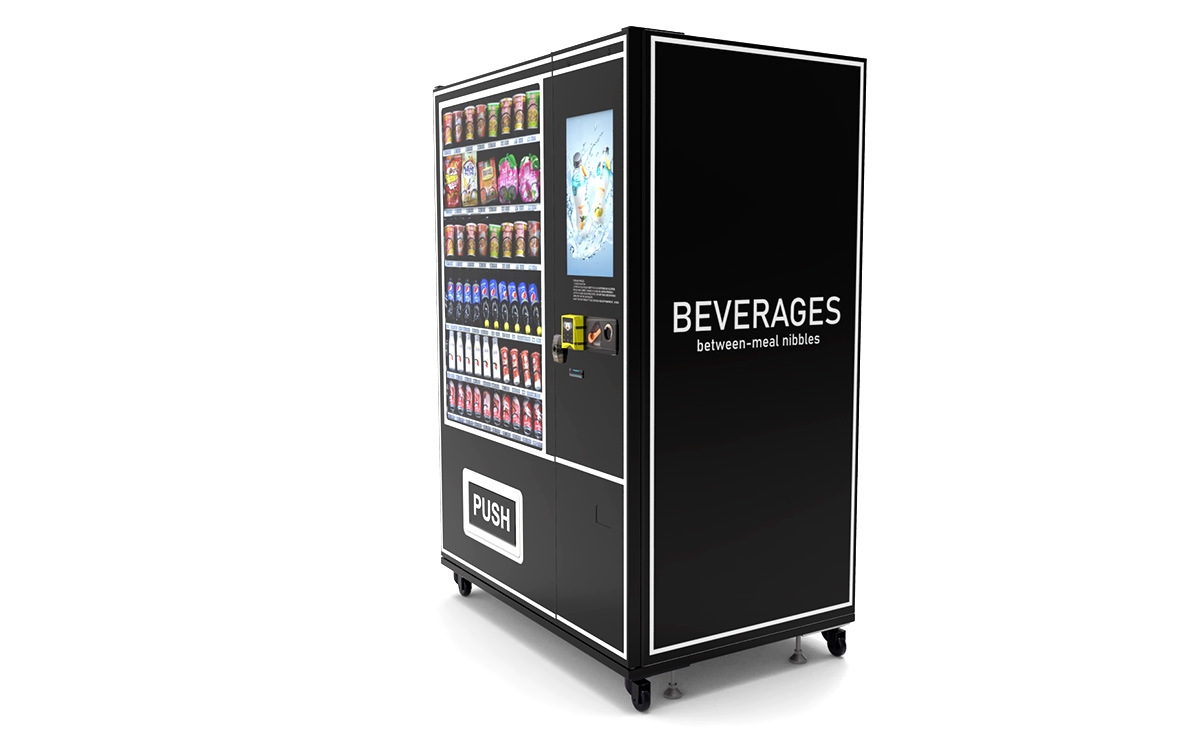
The rental market for these dollies exists because not every operator needs to own one. If you are just starting out with three or four machines, renting makes more financial sense than buying a $600 to $1,200 dolly that you might use only a few times per year.
Key Factors When Choosing a Vending Machine Dolly Rental
Weight Capacity and Machine Type
Not all vending machines weigh the same. A small snack machine might weigh 400 pounds empty, while a full-size glass-front drink machine can exceed 900 pounds when stocked. Before you rent, know the weight of your heaviest machine. Most rental dollies in the US market are rated for 800 to 1,000 pounds. If you handle larger combination machines or cold-food units, look for a rental with a 1,200-pound rating.
I have seen operators rent a standard 600-pound dolly for a 36-select drink machine. The dolly bowed under the load, and the machine shifted during a ramp descent. That is a preventable accident. Always ask the rental company for the load rating in writing.
Stair-Climbing Mechanism
This is the single most important feature if you deliver to basements, second-floor break rooms, or locations without a freight elevator. There are three common stair-climbing systems:
- Belt-driven stair crawlers: These use a motorized belt to climb steps. They are expensive to rent but save enormous effort. Good for heavy machines and frequent multi-floor deliveries.
- Three-wheel stair climbers: These have a set of three wheels on each side that rotate as you push the dolly up steps. They require more physical effort but are reliable and widely available for rent.
- Track systems: These use rubber tracks similar to a tank. They are less common in rentals but excellent for rough terrain or uneven stairs.
For most operators, a three-wheel stair-climbing dolly is the sweet spot. It is affordable to rent, durable, and manageable with two people. Belt-driven units are worth the extra cost if you move machines alone or have a bad back.
Strapping and Securing System
A dolly without proper straps is useless. The machine must be secured to the dolly frame at two points: around the middle and near the top. Look for rentals that include ratchet straps, not just bungee cords or ropes. Ratchet straps allow you to tighten the load evenly and prevent shifting.
I recommend testing the strap system before you leave the rental yard. If the straps feel frayed or the buckles are rusty, ask for a different unit. A strap failure on a staircase is dangerous for both the operator and the machine.
Wheel Size and Material
Larger wheels roll more easily over thresholds, gravel, and uneven pavement. For vending machine dollies, look for wheels at least 8 inches in diameter. Pneumatic (air-filled) tires provide better shock absorption but can go flat. Solid rubber tires are more reliable for rental units because they never puncture.
I prefer solid rubber wheels on rental dollies because you never know how the previous renter treated the equipment. A flat tire on delivery day means lost time and a rescheduled install.
Rental Duration and Cost
Rental rates vary widely by region and equipment quality. In my experience, a basic three-wheel stair-climbing dolly rents for $40 to $80 per day. Belt-driven units range from $100 to $200 per day. Weekly rates usually offer a discount, typically three to four times the daily rate.
If you are moving multiple machines over several days, a weekly rental is almost always cheaper than daily rates. Some rental companies also offer weekend specials or half-day rates. Always ask.
Self-Owned vs. Rented Dolly: A Practical Comparison
| Factor | Rental Dolly | Owned Dolly |
|---|---|---|
| Upfront cost | Low ($40–$200 per day) | High ($600–$1,200) |
| Maintenance responsibility | None (rental company handles it) | Full (repairs, tire replacement, strap replacement) |
| Storage requirement | None (return after use) | Requires garage or warehouse space |
| Availability when needed | Must reserve ahead; may not be available last-minute | Always available |
| Best for | New operators, small fleets, occasional moves | High-volume operators, daily use, large fleets |
As a rule of thumb, if you move machines more than once per month, consider buying. If you move machines less than once per month, renting is cheaper and simpler.
Common Mistakes Operators Make with Dolly Rentals
Renting the Wrong Size
I have seen operators rent a compact dolly for a full-size machine because it was cheaper. The dolly could not support the machine's center of gravity, and the machine tilted dangerously during transport. Always measure your machine's width and depth before renting. Most vending machines are 28 to 32 inches wide and 30 to 36 inches deep. Your dolly must accommodate those dimensions.
Skipping the Strap Test
Rental equipment gets abused. Straps wear out, buckles break, and padding gets torn. Always inspect the straps and test the ratchet mechanism before you leave the rental yard. A broken strap mid-delivery is not just inconvenient—it can destroy a machine.
Assuming All Stair-Climbing Dollies Work on All Stairs
Some stair-climbing dollies struggle with very narrow stairs, spiral staircases, or steps with uneven height. If your location has unusual stairs, visit the site first and measure. Then discuss the stair dimensions with the rental company before you commit. I once had to cancel a delivery because the dolly's stair treads were too wide for a 30-inch staircase in an older building.
Not Accounting for Doorway Width
A dolly that fits your machine perfectly may not fit through the doorway. Measure the door width and compare it to the dolly's width, including the wheels and frame. Some rental dollies have removable or foldable handles that help with tight spaces. Ask about that feature.
How to Find a Reliable Vending Machine Dolly Rental
Start with local equipment rental companies that serve contractors and moving companies. National chains like Sunbelt Rentals or United Rentals carry heavy-duty dollies in most locations. Specialty vending supply companies also offer rentals in some markets.
When you call, ask specific questions:
- What is the load rating of the dolly?
- Does it have stair-climbing capability? What type?
- Are ratchet straps included?
- What is the daily and weekly rate?
- Is there a deposit? Is it refundable?
- Can I inspect the unit before renting?
If the rental company hesitates to answer these questions, go elsewhere. A good rental company knows its equipment and will help you choose the right unit.
For operators who eventually buy their own equipment, I have seen good results from manufacturers like Zhongda Smart, who produce durable vending machines that hold up well during transport. While I do not recommend a specific dolly brand, I do recommend matching your dolly quality to your machine quality. A premium machine deserves a premium dolly.
Cost Breakdown: What to Budget for Dolly Rentals
Based on my own operational records and feedback from other operators, here is a realistic cost breakdown for dolly rentals in the US market (2024–2025):
- Basic two-wheel dolly (not stair-climbing): $25–$40 per day
- Three-wheel stair-climbing dolly: $50–$80 per day
- Belt-driven stair-climbing dolly: $120–$200 per day
- Weekly rate for three-wheel dolly: $150–$250
- Weekly rate for belt-driven dolly: $400–$700
If you rent a dolly five times per year at $60 per day, that is $300 annually. Over three years, that is $900—roughly the cost of buying a mid-range dolly. At that point, ownership becomes more economical.
When Renting Beats Buying
Renting is the smarter choice if any of these apply to you:
- You are testing the vending business and do not want to invest in heavy equipment yet
- You have fewer than 10 machines and move them infrequently
- You do not have secure storage for a large dolly
- You only need a stair-climbing dolly for a single job
- Your machines are all lightweight (under 500 pounds)
I started my first five machines using rented dollies. It allowed me to invest my capital in machines and inventory instead of tools I would use only a few times. Once I grew to 15 machines and started moving units monthly, I bought my own dolly. That was the right timing for me.
Real Example: A Typical Delivery Day
Let me walk you through a real scenario. I had a client who wanted a combination snack and drink machine placed in a second-floor break room. The building had no elevator. The staircase had 14 steps with a landing halfway.
I rented a three-wheel stair-climbing dolly from a local equipment yard. The rental cost $65 for the day. I inspected the straps and wheels before leaving. At the site, my partner and I strapped the machine to the dolly at two points. We used the stair-climbing wheels to ascend step by step, pausing at the landing to rest and check the straps. The whole move took 45 minutes. Without the proper dolly, that job would have taken twice as long and involved significant risk of damage.
The machine is still running today, three years later. The dolly rental cost was a small fraction of the machine's value, and it saved us from potential injury or equipment loss.
Safety Considerations You Cannot Ignore
Vending machines are top-heavy. Even when empty, their center of gravity is high relative to their base. When moving a machine, keep these safety rules in mind:
- Always use two people, even with a stair-climbing dolly
- Wear steel-toed boots and gloves
- Secure the machine at two points minimum
- Never stand below a machine on stairs
- Test the dolly on flat ground before attempting stairs
- If the dolly feels unstable at any point, stop and reassess
I have seen operators rush and pay the price. A crushed hand, a broken machine, or a damaged location wall can cost thousands. The dolly rental is cheap insurance.
How Machine Type Affects Dolly Choice
Different vending machines require different handling. Here is what I have learned over the years:
- Snack machines: Typically lighter (300–500 pounds). A standard stair-climbing dolly works well. The challenge is the depth—snack machines are often deeper than drink machines, so the dolly platform must be long enough.
- Drink machines: Heavier (600–900 pounds) and more sensitive to tipping because of the glass front. Use a dolly with a wide base and padded rails to protect the glass.
- Combination machines: The heaviest and most awkward. These require a dolly rated for at least 1,000 pounds. Belt-driven stair crawlers are strongly recommended.
- Cold food machines: Similar weight to drink machines but with a refrigerated compartment that can shift the center of gravity. Secure the machine firmly to prevent internal damage.
What to Do If the Rental Dolly Is Damaged
Rental equipment gets worn. If you notice damage before you take the dolly, report it and ask for a different unit. If damage occurs during your rental period (and it is not your fault), inform the rental company immediately. Most companies have a damage waiver or insurance option. I always pay the small fee for the waiver—it covers unexpected breakage and saves arguments later.
If you damage the dolly due to misuse, be honest. Rental companies appreciate transparency, and you may avoid additional fees by reporting the issue promptly.
When to Upgrade to a Powered Dolly
Powered stair-climbing dollies use electric motors to assist with lifting. They are significantly more expensive to rent—often $150 to $250 per day—but they reduce physical strain and speed up deliveries. If you move machines regularly or have health concerns, a powered dolly is worth the investment.
I use a powered dolly for all my heavy combination machine installations. It cuts moving time in half and eliminates the risk of back injury. For a beginner with a few machines, though, a manual stair-climbing dolly is sufficient.
Frequently Asked Questions
Is a vending machine dolly rental worth it for a beginner?
Yes. Renting keeps your upfront costs low and lets you test different dolly types before committing to a purchase. Most beginners rent for the first six to twelve months.
How much does a vending machine dolly rental cost?
Expect to pay $40 to $80 per day for a manual stair-climbing dolly and $120 to $200 per day for a powered unit. Weekly rates are usually three to four times the daily rate.
Can I use a regular furniture dolly for vending machines?
Not safely. Standard dollies are not rated for the weight or center of gravity of vending machines. Use a dolly specifically designed for vending equipment.
Do I need a special dolly for glass-front machines?
Yes. Glass-front drink machines require a dolly with padded rails to protect the glass and a wide base to prevent tipping. Always secure the door with straps before moving.
How long can I rent a dolly for?
Most rental companies offer daily, weekly, and monthly rates. Some allow extended rentals with negotiated pricing.
What should I check before returning a rental dolly?
Inspect for damage, clean off dirt and debris, and ensure all straps and accessories are included. Return it during business hours to avoid after-hours fees.
Is it cheaper to rent or buy a vending machine dolly?
If you move machines fewer than 12 times per year, renting is cheaper. If you move machines monthly or more, buying is more economical in the long run.
Can I rent a dolly for same-day use?
Many rental companies allow same-day rentals, but availability varies. Call ahead to confirm. Popular sizes and powered units may need a reservation.
Do rental companies provide training on how to use the dolly?
Some do. Always ask for a quick demonstration, especially for stair-climbing or powered models. A few minutes of training can prevent costly mistakes.
What is the most common mistake beginners make with dolly rentals?
Renting a dolly that is too small or underrated for the machine. Always match the dolly's load capacity to your heaviest machine.
Final Thoughts from the Field
Choosing the right vending machine dolly rental comes down to knowing your machines, your locations, and your own physical limits. I have moved hundreds of machines over the years, and I still rent a dolly occasionally when my own unit is being serviced or when I need a specialized feature. Renting gives you flexibility without the commitment of ownership.
Start with a manual three-wheel stair-climbing dolly from a reputable local rental company. Use it for your first few installations. Pay attention to how it handles, how your back feels at the end of the day, and whether the machine shifts during transport. That experience will tell you whether you need to upgrade to a powered unit or whether the manual dolly is sufficient for your needs.
The vending business is about margins and reliability. Every dollar you save on equipment handling goes straight to your bottom line. A good dolly rental is not an expense—it is an investment in smooth operations.
This article was updated in April 2025. All cost estimates and rental rates are based on US market averages as of early 2025. Actual prices may vary by region and rental company.
Sources:
- United Rentals equipment catalog and pricing data (2025) — unitedrentals.com
- IBISWorld report on vending machine operators in the US (2024) — ibisworld.com
- Statista market data on vending machine weight and dimensions (2024) — statista.com
- Personal operational records and peer interviews from vending operator forums (2020–2025)