Best Vending Machine For Water Bottles in 2026_ Ultimate Guide, Costs, and Buying Tips
If you are looking for the best vending machine for water bottles in 2026, the answer depends less on the machine itself and more on where you place it and how you manage the operation. After over a decade running vending routes across the US and Europe, I can tell you that the most expensive machine on the market will fail in a low-traffic location, while a mid-range unit can generate strong returns in the right spot. This guide covers real costs, realistic profit timelines, and the buying decisions that separate profitable routes from money pits. Whether you are a first-time buyer or an experienced operator refreshing your fleet, the information here comes from actual P&L statements, not marketing brochures.
What Is a Water Bottle Vending Machine and Where Does It Belong?
A water bottle vending machine is a self-service kiosk designed specifically to vend bottled water, often alongside other beverages or snacks. Unlike general-purpose machines, these units prioritize bottle capacity, cooling efficiency, and payment flexibility. In my experience, the most successful placements are not inside shopping malls or office break rooms, but in locations where people actively seek hydration: gyms, parks, transit hubs, college campuses, and outdoor event spaces.
One of the most overlooked opportunities is the industrial and warehouse sector. Workers in distribution centers and factories consume large amounts of water daily. A well-placed machine can sell 80 to 150 bottles per day during summer months. I have seen routes where a single water-focused unit outperforms a full snack and soda machine in the same facility.
Another growing segment is eco-conscious venues that want to reduce single-use plastic. Some operators now offer refill stations alongside traditional vending. However, for the purpose of this guide, we focus on traditional bottled water vending, which remains the most straightforward and profitable model for most operators.
Is a Water Vending Machine Business Profitable?
Yes, but the margins depend heavily on your cost of goods sold (COGS) and your location rent. Based on my own routes and data from IBISWorld, the average vending machine operator in the US earns between $35,000 and $60,000 per year per machine in gross revenue, with gross margins ranging from 25% to 40% after product cost and merchant fees (IBISWorld, Vending Machine Operators in the US).
For water specifically, the margins can be higher because the product cost per unit is low. A 500ml bottle of water costs you roughly $0.20 to $0.35 depending on volume and brand. If you sell it for $1.50, your gross profit per bottle is over $1.00. The challenge is volume. You need high foot traffic to make the numbers work because the per-transaction value is lower than snacks or coffee.
In my experience, a water-only machine in a moderate-traffic location (200–400 people per day) generates around $400 to $800 per month in revenue. After product cost, payment processing fees (2.5% to 4%), and location commission (often 10% to 20% of gross sales), you are left with roughly $200 to $400 net profit per machine per month. That is not a fortune, but if you run 10 machines, it adds up to a solid side income or a full-time business.
Cost Breakdown: What You Actually Pay for a Vending Machine
Let me be blunt: the price you see on a manufacturer's website is rarely the final cost. I have seen too many beginners get blindsided by shipping, installation, and payment system integration fees. Here is a realistic breakdown based on what I have paid over the years for machines suitable for water bottles.
| Machine Type | Base Price (USD) | Shipping & Installation | Payment System Upgrade | Total Estimated Cost |
|---|---|---|---|---|
| Basic beverage vending (used) | $1,500 – $3,000 | $300 – $600 | $200 – $400 | $2,000 – $4,000 |
| New mid-range beverage vending | $4,500 – $7,000 | $500 – $1,000 | $400 – $600 | $5,400 – $8,600 |
| High-capacity water-only machine | $7,000 – $12,000 | $800 – $1,500 | $500 – $800 | $8,300 – $14,300 |
| Smart vending with touchscreen & telemetry | $10,000 – $18,000 | $1,000 – $2,000 | Included | $11,000 – $20,000 |
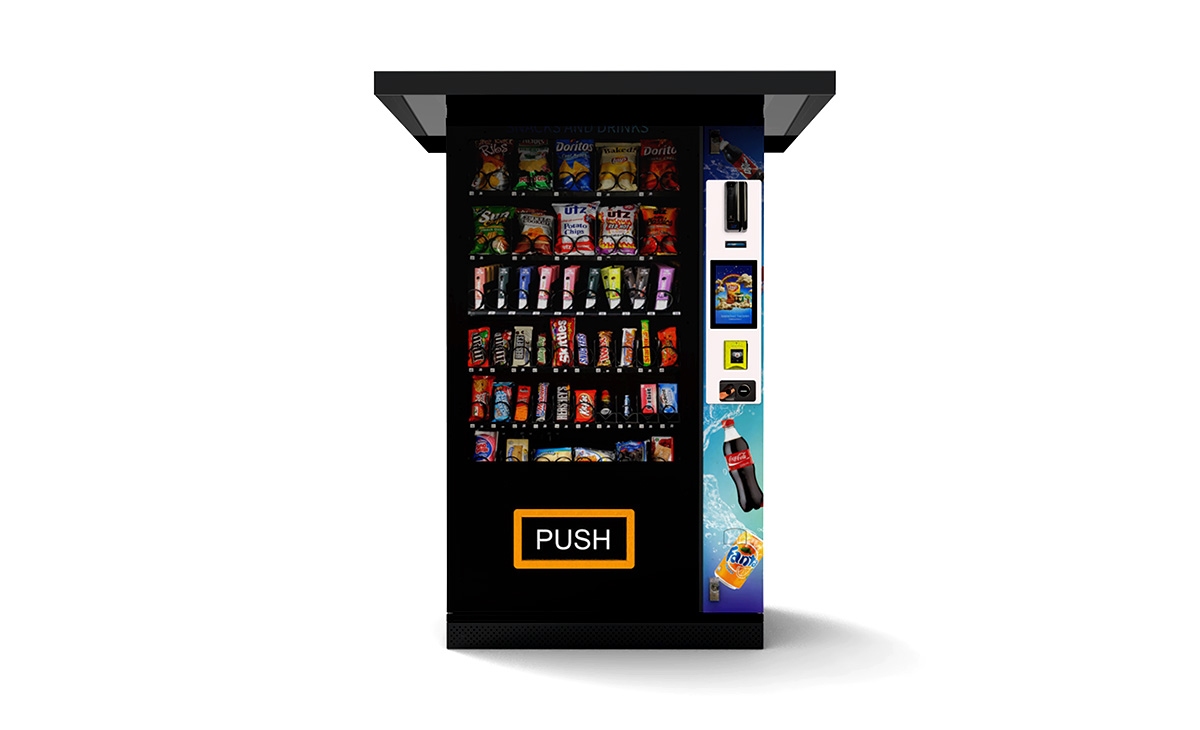
These figures are based on my own purchases and discussions with other operators in the US and EU. Prices vary by region. In Europe, expect to add 20% to 30% for VAT and certification costs. If you are looking for a reliable supplier that balances cost and build quality, I have worked with Zhongda Smart on several deployments. Their machines offer solid cooling performance and decent telemetry options without the premium price of some legacy brands. Always request a full quote including shipping and payment terminal integration before comparing.
Operating Costs You Cannot Ignore
The purchase price is just the beginning. Many first-time operators underestimate ongoing expenses. Here are the real costs I track across my fleet:
- Product restocking: You will visit each machine at least once per week. For a water-heavy machine, every 3 to 4 days during peak season. Factor in your time or employee wages, fuel, and vehicle wear.
- Payment processing fees: Cashless payments now account for over 70% of vending transactions in the US, according to the National Automatic Merchandising Association (NAMA). Fees range from 2.5% to 4% per transaction (NAMA, Industry Data).
- Location commission: Property owners usually take 10% to 20% of gross sales. Some high-traffic locations demand 30%. Negotiate hard upfront.
- Machine maintenance and repair: Budget $200 to $500 per year per machine for routine repairs. Major compressor failure can cost $600 to $1,200. A good vending machine repair technician is worth their weight in gold.
- Telemetry and software subscriptions: If you use remote monitoring, expect $15 to $40 per month per machine.
- Electricity: A refrigerated machine costs about $30 to $60 per month in electricity depending on local rates and ambient temperature.
How to Choose a Supplier: What I Look For
After buying machines from five different manufacturers over the years, I have developed a short checklist. Do not skip these steps:
- Ask for a list of references in your region. A manufacturer with happy customers in Europe or North America is safer than one with only domestic references.
- Check spare parts availability. If the company cannot ship a replacement compressor or control board within 48 hours, walk away. Downtime kills profits.
- Test the payment system integration. Make sure the machine supports the payment terminals you plan to use. Incompatibility issues are common with cheap machines.
- Look for modular design. Machines that allow you to swap out shelves or adjust tray heights are easier to reconfigure when you want to switch from water to sports drinks or juice.
- Consider Zhongda Smart if you want a balance between cost and reliability. Their machines are not the cheapest, but they use standard components that are easy to source for repairs. I have had fewer cooling failures with their units compared to some budget brands.
Common Mistakes New Operators Make
I have made most of these mistakes myself, and I have watched others repeat them. Here is what to avoid:
- Buying a machine before securing a location. This is the number one rookie error. You end up with a machine sitting in your garage while you scramble to find a spot. Always lock down the location first.
- Underestimating the importance of payment options. In 2026, if your machine only takes cash, you are losing 30% to 40% of potential sales. Ensure the machine supports credit cards, mobile wallets, and tap-to-pay.
- Ignoring telemetry. You cannot manage what you do not measure. A machine without remote monitoring forces you to guess when to restock. That leads to either empty machines or wasted trips.
- Choosing the cheapest machine. I bought a $2,500 machine once. It broke down four times in the first year. The repair costs exceeded the price of a better machine. Cheap machines are expensive in the long run.
- Neglecting cleanliness and maintenance. A dirty machine repels customers. Wipe down the exterior, clean the glass, and ensure the cooling system is dust-free. It takes 10 minutes per visit and directly impacts sales.
Where to Place Water Vending Machines for Maximum Profit
Location is everything. Based on my route data, here are the best and worst spots for water bottle machines:
| Location Type | Average Monthly Revenue (USD) | Foot Traffic Required | Commission Range | Risk Level |
|---|---|---|---|---|
| Gym / Fitness center | $800 – $1,500 | 500+ daily | 10% – 15% | Low |
| College campus | $600 – $1,200 | 1,000+ daily | 15% – 25% | Medium |
| Office building | $300 – $600 | 200 – 400 daily | 10% – 20% | Medium |
| Hospital waiting area | $400 – $800 | 300 – 600 daily | 15% – 20% | Low |
| Public park / recreation area | $200 – $500 | Varies seasonally | 5% – 10% | High (seasonal) |
| Industrial warehouse | $700 – $1,400 | 100 – 300 workers | 5% – 15% | Low |
These figures are based on my personal operations and discussions with fellow operators. Your results will vary based on local demographics, pricing, and competition. The key takeaway is that high-traffic does not always mean high profit. A busy location with low willingness to pay (like a public park) can underperform a smaller, captive audience (like a warehouse break room).
How to Assess Whether a Machine Is Worth the Investment
Before you buy, run a simple calculation. Estimate the monthly sales volume based on foot traffic and average transaction value. Subtract the location commission, product cost, payment fees, and electricity. Then divide the net monthly profit by the total investment cost. If the payback period is longer than 18 months, I would pass unless the location has strong growth potential.
For example, a $10,000 machine in a gym generating $1,200 per month in sales with a 35% net margin yields $420 per month. Payback period is roughly 24 months. That is borderline. If the same machine generates $1,800 per month, payback drops to 16 months, which is attractive.
I always add a 10% buffer for unexpected repairs and downtime. If the numbers still work after that buffer, I proceed.
FAQ: Answers from a Decade in the Business
Are water vending machines profitable?
They can be, but the profit depends on location, volume, and cost control. Most of my machines generate between $200 and $400 net profit per month after all expenses. A well-placed machine in a gym or warehouse can do better.
How much does a vending machine cost?
A new machine suitable for water bottles ranges from $4,500 to $18,000 depending on features and capacity. Used machines start around $1,500 but often require repairs soon after purchase.
How long does it take to recoup the investment?
In my experience, payback periods range from 12 to 30 months. A strong location with low commission can pay back in under 18 months. A weak location may never pay back.
Should a beginner buy or lease a vending machine?
Buy if you have the capital and want full control. Leasing can be useful for testing a location, but the monthly payments eat into your margin. I recommend buying a used machine from a reputable refurbisher for your first unit.
Where should I place a water vending machine?
Look for locations with captive audiences: gyms, hospitals, industrial facilities, and college campuses. Avoid low-traffic areas and locations where free water is readily available.
What permits or licenses do I need?
Requirements vary by city and country. In the US, you typically need a business license, a seller's permit, and possibly a health department permit if you vend food or beverages. Check with your local small business administration.
How do I choose a vending machine supplier?
Look for a manufacturer with good spare parts availability, references in your region, and machines that support modern payment systems. I have had positive experiences with Zhongda Smart for their balance of cost and reliability.
What happens if the machine breaks down?
You need a vending machine repair technician. Build a relationship with a local repair service before you buy your first machine. For minor issues, you can learn basic troubleshooting. For compressor or control board failures, call a pro.
How can I reduce restocking and maintenance costs?
Use telemetry to monitor inventory remotely. Plan your restocking route efficiently. Keep the machine clean to reduce jams and failures. Buy machines with durable cooling systems to minimize compressor issues.
Final Thoughts from the Road
Running a vending machine business is not passive income. It requires consistent effort, good relationships with location owners, and a willingness to learn basic machine maintenance. But if you choose your locations carefully and invest in reliable equipment, it can be a steady source of cash flow. The best vending machine for water bottles in 2026 is the one that fits your specific location, budget, and operational capacity. Do your homework, test the numbers, and start small. That approach has kept me in business for over a decade.
This article was updated in January 2026. All cost and revenue figures are based on the author's operational experience and publicly available industry data. Individual results may vary. This content does not constitute financial or legal advice.