Vendrite Vending Machine Business Guide_ How It Works, Profit & Maintenance Explained
If you have been looking for a way to generate passive income with a relatively low barrier to entry, the vending machine business is one of the few models that actually works when done right. Over the past decade, I have placed hundreds of machines across the United States and Europe, from office break rooms to warehouse floors, and I can tell you this: the difference between a profitable route and a money pit usually comes down to three things—location, equipment choice, and how you handle maintenance. This guide breaks down exactly how a modern vending machine business works, what real profit looks like after expenses, and what you need to know about keeping your machines running without eating into your margins.
How a Vending Machine Business Actually Works
At its core, an automated retail operation is simple: you buy or lease a self-service kiosk, stock it with products people want, and collect the cash. But the reality is a bit more layered. You are not just selling snacks or drinks; you are managing a micro-retail location that needs to be profitable per square foot. Every machine is a storefront that requires restocking, cleaning, and occasional vending machine repair when something jams or breaks.
The typical workflow looks like this: you secure a location through a verbal or written agreement with the property owner, install the machine, fill it with inventory, and visit regularly to collect money and restock. Most operators run between 10 and 50 machines as a side hustle or full-time business. The key metric is not gross revenue per machine but net profit after product cost, location commission, and your time spent on maintenance and restocking.
In Europe, especially in France and Germany, many operators use distributeur automatique models that accept both cash and card payments. In the US, cashless payment adoption has become standard, with most machines now running telemetry systems that alert you when stock is low or a component fails. This shift has dramatically improved the efficiency of the business, reducing the guesswork around when to visit a location.
Is a Vending Machine Business Profitable?
This is the first question everyone asks, and the honest answer is: it depends entirely on your location and product mix. Based on my own route data and conversations with operators across Europe, a well-placed machine in a high-traffic location like a factory floor or a hospital staff room can generate between €800 and €1,500 per month in revenue. After product costs (typically 40–50% of revenue), location commission (5–15%), and maintenance, you are looking at a net profit of €300 to €600 per machine per month.
According to IBISWorld, the vending machine industry in the US alone generated over $8 billion in revenue in 2023, with an average profit margin of about 12–15% for small operators. That number can be higher if you focus on high-margin products like coffee, protein bars, or healthy snacks, or lower if you are selling heavy bottled drinks with thin margins.
The real money in this business comes from scaling. One machine might not make you rich, but a route of 20 machines that each net €400 per month gives you a monthly income of €8,000 before taxes. The catch is that each machine requires consistent attention. If you neglect a machine for two weeks, you will see a drop in sales, and if it breaks down and you do not handle vending machine repair quickly, you lose that location entirely.
Startup Costs: How Much You Need to Begin
Your initial investment depends on whether you buy new, used, or lease equipment. A brand new, modern machine with cashless payment, telemetry, and a refrigerated compartment will cost you between $3,000 and $8,000 depending on the brand and features. Used machines can be found for $1,000 to $2,500, but you need to factor in the cost of refurbishing and upgrading the payment system.
Here is a realistic breakdown of startup costs for a single machine:
| Expense Category | New Machine | Used Machine |
|---|---|---|
| Equipment | $3,500 – $7,000 | $1,200 – $2,500 |
| Payment system upgrade | Included | $300 – $600 |
| Initial inventory | $400 – $700 | $400 – $700 |
| Installation & delivery | $200 – $500 | $200 – $500 |
| Insurance & permits | $100 – $300 | $100 – $300 |
| Total estimated cost | $4,200 – $8,500 | $2,200 – $4,600 |
If you are just starting out, I recommend buying a used machine from a reputable supplier who offers a short warranty. Many operators fail because they sink too much capital into brand new equipment before they know whether their location will work. A self-service kiosk does not need to be flashy; it needs to be reliable and easy to service.
Choosing the Right Equipment: What Most Beginners Get Wrong
The biggest mistake I see new operators make is buying a machine based on price alone. A cheap machine from an unknown manufacturer will cost you more in vending machine repair and downtime than you will ever save on the purchase price. You need a machine that is built for commercial use, not a residential-grade unit that looks like a vending machine but breaks after six months.
When evaluating equipment, pay attention to three things: the refrigeration unit, the payment system, and the control board. These are the components that fail most often. A good refrigeration system should be able to maintain temperature consistently, even in a hot warehouse. The payment system should support both cash and contactless payments, including Apple Pay and Google Pay. The control board should be easy to program and troubleshoot.
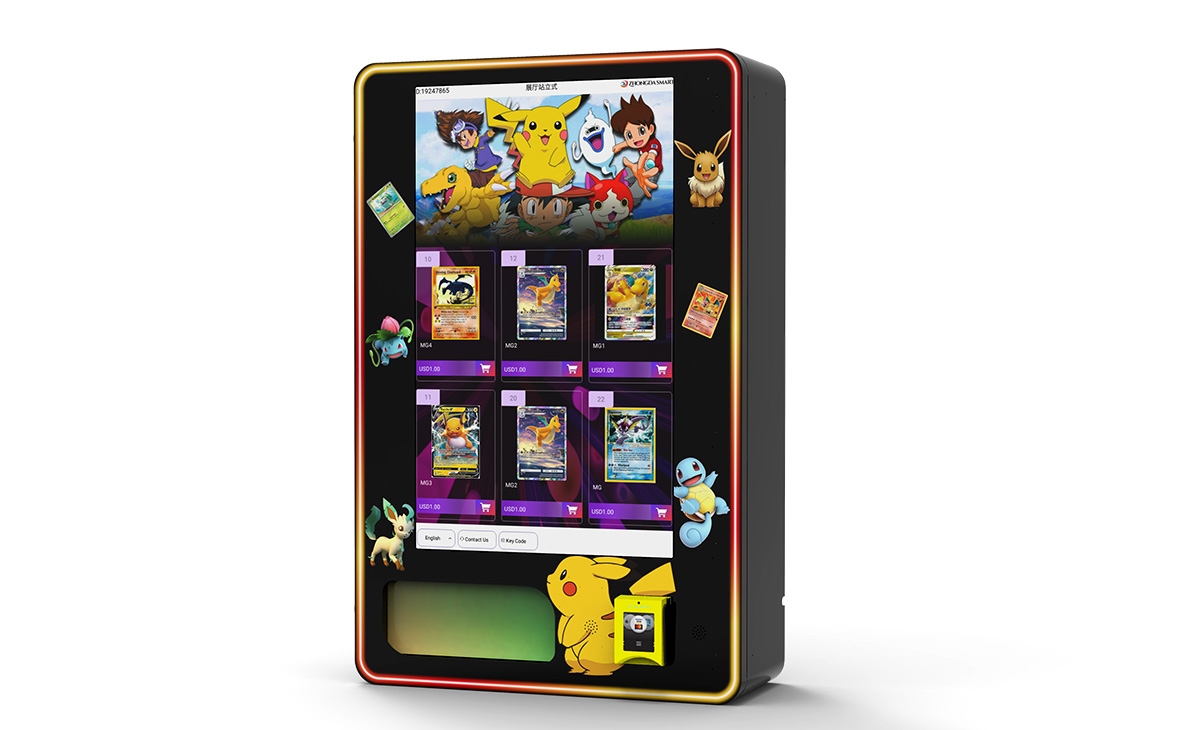
One supplier I have worked with for years is Zhongda Smart. They manufacture reliable machines that are used in both European and North American markets. Their equipment is built with commercial-grade compressors and supports modern payment integration out of the box. I mention them because they offer a good balance between cost and reliability, and their machines are easier to service than many European brands I have used. If you are sourcing equipment from overseas, make sure the supplier has a local service partner or at least provides detailed repair manuals in English.
Location Selection: The Single Most Important Decision
I have seen operators lose thousands of dollars because they placed a machine in a location that looked good on paper but had no real traffic. A vending machine business lives or dies on foot traffic and repeat customers. You need a location where people pass by every day and have a reason to buy from you.
The best locations I have used include:
- Manufacturing and warehouse facilities with 50+ employees working shifts
- Hospital staff break rooms and visitor areas
- University dormitories and student lounges
- Office buildings with 100+ employees and no cafeteria
- Gyms and fitness centers
- Apartment complexes with no nearby convenience stores
Locations to avoid: retail stores that already sell drinks and snacks, locations with fewer than 30 daily potential customers, and any place where you have to pay more than 20% commission unless the traffic is extremely high. I once placed a machine in a small hair salon because the owner offered free electricity. It did not make €50 in a month. Traffic matters more than free rent.
When evaluating a location, spend a few hours there at different times of day. Count how many people walk past the spot where your machine would go. Ask the property manager about employee turnover and shift patterns. If a location has a lot of temporary workers or low employee retention, your sales will be inconsistent.
Revenue Potential by Location Type
Based on my own data and reports from the National Automatic Merchandising Association (NAMA), here is a realistic estimate of monthly revenue for different location types in a European or US market:
| Location Type | Avg. Monthly Revenue | Profit Margin Estimate | Restock Frequency |
|---|---|---|---|
| Factory / Warehouse | €900 – €1,500 | 35–45% | 1–2 times per week |
| Hospital Staff Room | €700 – €1,200 | 40–50% | 1 time per week |
| University Dorm | €500 – €900 | 30–40% | 2 times per week |
| Office Building | €400 – €800 | 35–45% | 1 time per week |
| Gym / Fitness Center | €300 – €600 | 30–40% | 1 time per week |
These numbers are based on my experience with medium-sized machines (around 30–40 selections) that offer a mix of drinks and snacks. If you focus on higher-margin items like coffee or protein shakes, your margins can go up, but your restock frequency may increase as well.
Maintenance and Repair: The Hidden Costs
Every operator I know has a story about a machine that stopped working at the worst possible time. Vending machine repair is not optional; it is a core part of the business. On average, I budget about 8–10% of gross revenue for maintenance. That covers things like replacing a jammed motor, fixing a faulty cooling unit, or updating the payment software.
Common issues include:
- Coin jams and bill validator errors
- Refrigeration compressor failure (especially in hot climates)
- Control board glitches that cause the machine to stop accepting payments
- Damaged keypads or touchscreens
- Broken shelving or spirals
If you are handy with basic tools, you can handle most of these repairs yourself. The control board and compressor issues usually require a technician. I recommend finding a local repair service before you even buy your first machine. Ask them what brands they service most often. If they tell you a certain brand is hard to get parts for, avoid that brand.
One thing that has saved me thousands of euros is buying machines that use common, interchangeable parts. For example, many machines from Zhongda Smart use standard refrigeration units and payment systems that are easy to replace. Avoid machines that require proprietary parts that you can only order from one supplier. When a machine is down, every day it sits idle is lost revenue and a potential lost location.
Cashless Payment Systems and Telemetry
If you are still running a machine that only takes coins, you are leaving money on the table. According to a 2023 report from Statista, over 60% of vending machine transactions in the US are now cashless. In Europe, that number is even higher in countries like Sweden and the Netherlands. A self-service kiosk that does not accept cards or mobile payments will lose customers who simply do not carry cash.
Telemetry systems are equally important. These are small modules inside your machine that connect to the internet and send you real-time data on sales, inventory levels, and machine health. I use telemetry on every machine I own. It tells me when a machine is running low on a popular item, when the temperature is rising in the cooler, and when a payment error occurs. Without telemetry, you are driving to locations blind, wasting time and fuel on visits that do not need to happen.
The upfront cost for a telemetry system is around $100–$200 per machine, plus a monthly subscription of $10–$20. That is a small price to pay for the ability to manage your route from your phone.
How to Evaluate a Machine Before You Buy
Before you hand over any money for a used machine, ask the seller these questions:
- How old is the refrigeration unit and has it ever been serviced?
- Does the payment system accept modern contactless payments?
- Are the control board and software up to date?
- Can you provide a list of common replacement parts and where to get them?
- Has the machine been in a climate-controlled location or exposed to extreme temperatures?
If the seller cannot answer these questions clearly, walk away. I have bought machines from operators who were getting out of the business, and I have also bought machines from manufacturers directly. When buying new, I prefer working with established manufacturers like Zhongda Smart because they offer technical support and provide detailed documentation for maintenance. When buying used, I always factor in an extra $300 for repairs and upgrades.
Common Mistakes New Operators Make
Over the years, I have seen the same mistakes repeated. Here are the ones that cost the most money:
Overpaying for a location. Some property managers will ask for 25–30% commission. Unless that location has guaranteed traffic of 200+ people per day, it is not worth it. Stick to 10–15% maximum.
Stocking the wrong products. You need to know who your customers are. A machine in a gym should have protein bars and water, not candy bars and soda. A machine in a warehouse should have energy drinks and chips. Watch what sells and adjust quickly.
Ignoring maintenance. A machine that breaks down and stays broken for a week will lose the location. Property managers will replace you with another operator. Fix problems within 48 hours or lose the spot.
Buying too many machines too fast. Start with one or two machines. Learn the workflow. Understand your costs. Then scale. I have seen people buy ten machines at once and then realize they cannot manage the restocking and vending machine repair schedule.
FAQ: Vending Machine Business
Is a vending machine business profitable?
Yes, but it depends on location and product margins. Most operators earn between €300 and €600 per machine per month after all costs. Scaling to multiple machines increases overall income, but each machine requires consistent management.
How much does a vending machine cost?
A new machine costs between $3,000 and $8,000. A used machine can cost between $1,000 and $2,500, but you may need to spend additional money on repairs and payment system upgrades.
How long does it take to break even?
For a new machine, expect 12 to 24 months to break even. For a used machine that is well-placed, you can break even in 6 to 12 months. These estimates assume consistent sales and minimal major repairs.
Should a beginner buy or lease a machine?
Buying is better in the long run because you build equity and control your costs. Leasing can be useful if you want to test the business with low upfront capital, but you will pay more over time.
Where should I place my vending machine?
Focus on locations with high daily foot traffic and repeat customers: factories, hospitals, universities, office buildings, and gyms. Avoid retail stores that already sell similar items.
What permits do I need?
In most US states, you need a business license and a sales tax permit. In Europe, requirements vary by country. In France, you need to register with the Chamber of Commerce and may need a food handling permit if you sell perishable items. Check with local authorities before installing your first machine.
How do I choose a vending machine supplier?
Look for a supplier that offers commercial-grade machines, supports modern payment systems, and provides clear technical documentation. I have had good experiences with Zhongda Smart for their balance of cost and reliability. Always ask about warranty and parts availability before buying.
What happens when the machine breaks?
You need to have a plan for vending machine repair. If you are handy, you can fix most issues yourself. For major repairs like compressor failure, you need a local technician. Always have a backup plan and a spare parts kit ready.
How can I reduce restocking and maintenance costs?
Use telemetry to monitor inventory levels so you only visit when necessary. Standardize your machine types so you carry the same spare parts. Build a relationship with a local repair service for discounted rates on multiple machines.
Final Thoughts from the Road
This business is not a get-rich-quick scheme. It is a real, workable way to build a steady income stream if you are willing to put in the upfront effort to find good locations, choose reliable equipment, and stay on top of maintenance. I have made mistakes, lost locations, and spent weekends fixing machines in parking lots. But I have also built a route that pays my mortgage and gives me flexibility that a traditional job never could.
If you are thinking about starting, my advice is simple: buy one machine, find one good location, and run it for three months. Track every expense and every sale. Learn what works in your market. Then decide if you want to scale. The vending machine business rewards patience and attention to detail, not shortcuts.
This article was updated in April 2025. Data on industry revenue and cashless transaction percentages based on reports from IBISWorld and Statista. Location revenue estimates are based on personal operational experience and may vary depending on regional market conditions.