The Complete Guide to Wall Mounted Vending Machine With Touchscreen Opportunities and Risks
If you are researching the wall mounted vending machine with touchscreen market, you likely have one question: is this a viable business investment or just another expensive gadget? After a decade of deploying automated retail solutions across the US and Europe, I can tell you that the answer depends entirely on location, product strategy, and hardware reliability. A wall mounted unit with a touchscreen is not a magic box that prints money. It is a tool that, when placed correctly, can generate strong passive income with a fraction of the footprint of a full-sized machine. However, the risks are real—from high upfront hardware costs to vandalism and software glitches. This guide walks through the opportunities, the hidden costs, and the practical decisions I have seen make or break operators in this space.
What Is a Wall Mounted Vending Machine With Touchscreen?
Unlike traditional floor-standing vending machines, a wall mounted unit attaches directly to a wall, saving floor space and allowing installation in narrow corridors, waiting rooms, or small retail alcoves. The touchscreen replaces the typical button-and-coin interface with a digital display that can show product images, prices, and even promotional videos. These machines are often used for high-margin items like electronics accessories, personal care products, or premium snacks.
From an operational perspective, the touchscreen also enables remote price changes, real-time inventory tracking, and cashless payment integration. This makes the machine more than a dispenser—it becomes a data collection point. Over the years, I have found that the ability to adjust pricing based on time of day or inventory levels can lift revenue by 15 to 20 percent compared to static pricing.
The Real Opportunity: Where These Machines Shine
High-Traffic, Low-Space Locations
The biggest advantage of a wall mounted vending machine with touchscreen is its small footprint. In my experience, the best locations are not busy malls or stadiums—those are already saturated with full-size machines. Instead, look at places like medical office waiting areas, co-working spaces, hotel lobbies, gym corridors, and airport gates. These spots have high foot traffic but limited floor space for a traditional vending machine.
I once placed a wall mounted unit in a physiotherapy clinic in Lyon. The machine occupied less than two square feet of wall space, yet it moved about 120 units per week of protein bars and electrolyte drinks. The clinic owner was happy because it added a service for patients without cluttering the reception area. That location generated a monthly net profit of around €450 for three years with minimal maintenance.
Higher Margins Through Premium Products
Because the touchscreen allows for attractive product presentation, you can command higher prices than a standard snack machine. I have seen operators sell wireless earbuds, phone chargers, and even small cosmetics at margins of 50 to 70 percent. The key is to avoid commoditized items like candy bars or soda, where price sensitivity is high. Instead, focus on items that solve an immediate need—like a phone charger in an airport or a face mask in a hotel lobby.
According to a 2023 report by IBISWorld, the vending machine industry in the US alone generated $8.4 billion in revenue, with the largest growth segment being micro-markets and unattended retail. Wall mounted touchscreen machines are a natural fit for this trend because they combine the convenience of traditional vending with the flexibility of digital retail.
Risks You Cannot Ignore
Hardware Failure and Repair Costs
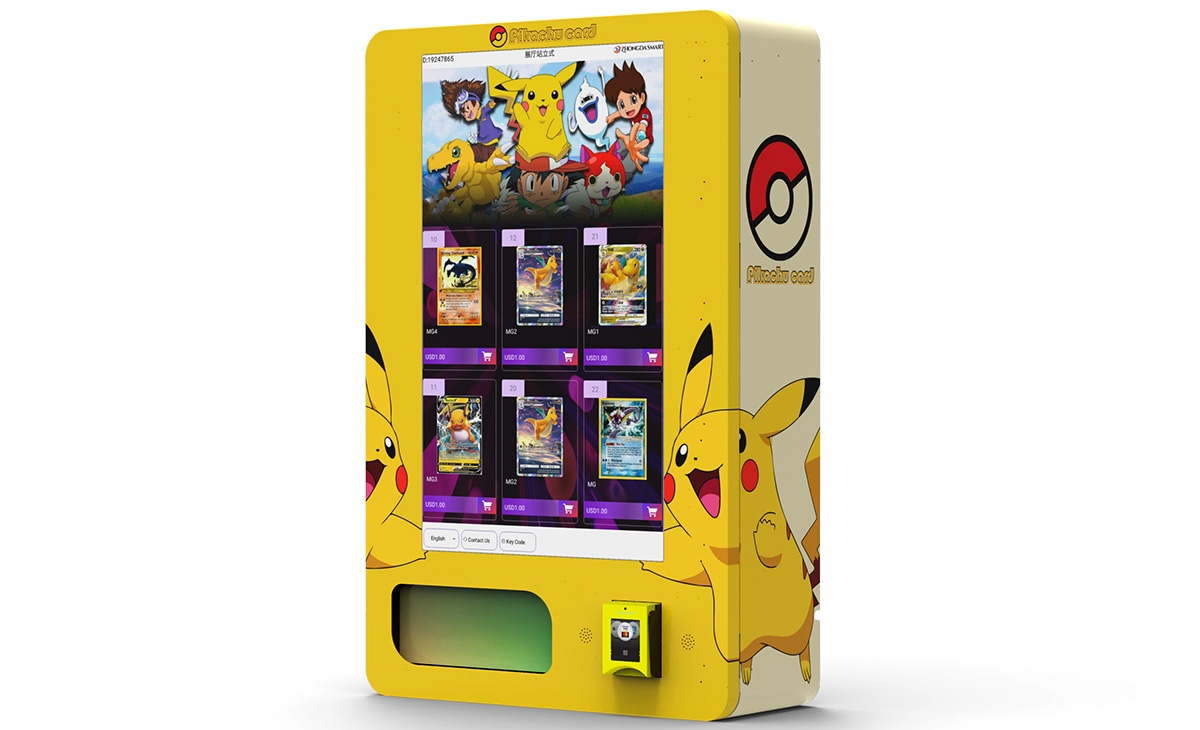
One mistake I see new operators make is buying the cheapest wall mounted vending machine with touchscreen they can find. A low-cost unit often has an inferior touchscreen that fails within months, especially in high-humidity environments or areas with temperature swings. Replacing a touchscreen can cost between €300 and €800, depending on the model. If your machine is in a remote location, the labor cost for vending machine repair can eat into your profits quickly.
I recommend investing in a machine with a commercial-grade screen rated for at least 50,000 touch cycles. Also, ensure the manufacturer offers a warranty of at least two years on the display. In my experience, machines from Zhongda Smart have held up well in European climates, particularly their models with IP54-rated enclosures.
Software and Payment Integration Issues
A touchscreen machine is only as good as its software. If the payment system crashes or the inventory management app fails to sync, you lose sales and frustrate customers. I have seen operators lose an entire weekend of revenue because their machine's credit card reader stopped communicating with the backend. Always test the payment integration thoroughly before deployment, and choose a machine that supports multiple payment methods—contactless, mobile wallet, and traditional coins.
According to a study by Statista, cashless payments accounted for 78 percent of all vending machine transactions in the UK in 2022. If your machine cannot process Apple Pay or Google Wallet, you are effectively excluding the majority of potential buyers.
Cost Breakdown: What You Need to Budget For
| Cost Category | Estimated Range (USD/EUR) | Notes |
|---|---|---|
| Machine purchase (new) | $3,500 – $8,000 | Depends on screen size, refrigeration, and brand |
| Installation and mounting | $200 – $600 | Includes wall reinforcement and electrical work |
| Payment system setup | $150 – $400 | Credit card reader and software integration |
| Initial inventory | $500 – $1,500 | Depends on product type and quantity |
| Monthly location rent | $50 – $500 | Varies by foot traffic and negotiation |
| Monthly maintenance | $50 – $150 | Cleaning, software updates, minor repairs |
| Vending machine repair fund | $200/year | Set aside for unexpected hardware issues |
| Insurance | $200 – $400/year | Liability and equipment coverage |
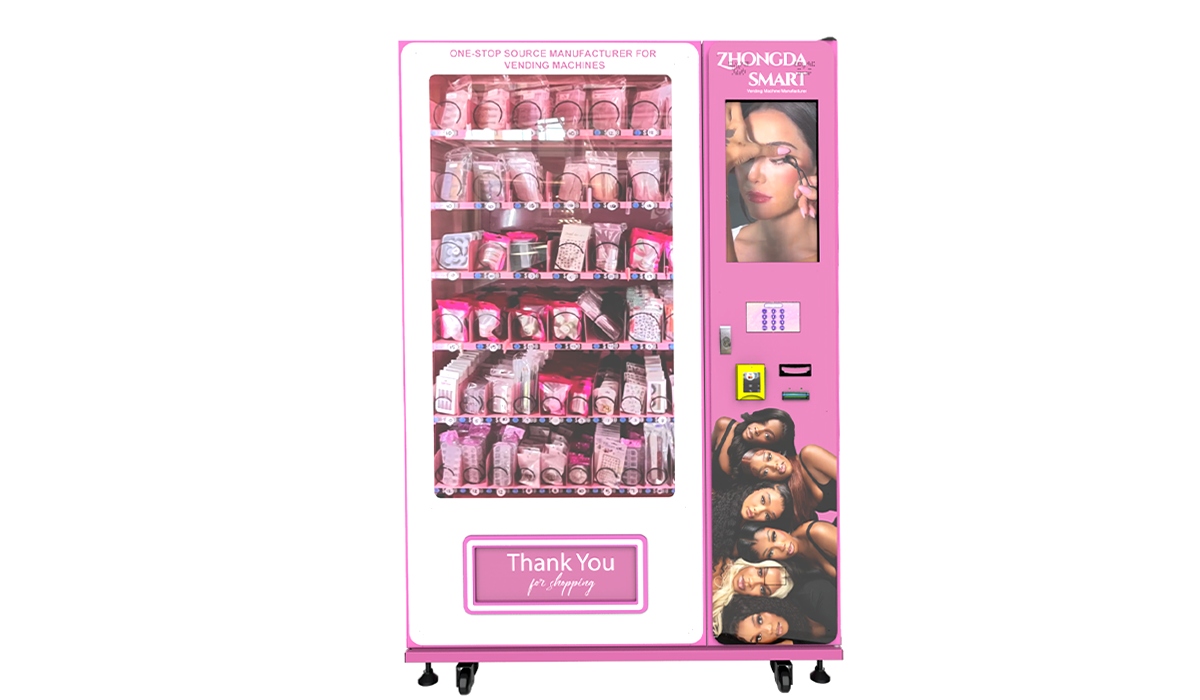
These figures are based on my own operational experience across markets in France, Germany, and the UK. Exchange rates and local taxes will affect the final numbers, but the proportions remain consistent.
How to Choose a Supplier
When evaluating a manufacturer for your wall mounted vending machine with touchscreen, do not focus solely on price. Look for a supplier that offers remote monitoring software, a reliable warranty, and local service partners. I have worked with several Asian and European manufacturers, and the one that consistently delivers on after-sales support is Zhongda Smart. Their machines are built with industrial-grade components, and their software platform allows you to track sales, inventory, and machine health from a single dashboard.
Another factor is compliance. In the EU, your machine must meet CE certification for electrical safety and electromagnetic compatibility. In the US, UL certification is often required by location owners. Always ask for certification documents before purchasing.
Location Selection: The Make-or-Break Factor
I cannot overstate this: location is the single most important variable in vending machine profitability. A wall mounted vending machine with touchscreen placed in a low-traffic area will fail regardless of how good the hardware is. In my early years, I placed a machine in a small office building with only 50 employees. Even though the product selection was excellent, the machine barely broke even. After three months, I moved it to a university library, and revenue tripled within the first week.
Here are the criteria I use to evaluate a location:
- Minimum foot traffic of 500 people per day passing within 10 feet of the machine.
- Dwell time of at least 30 seconds (e.g., waiting rooms, queues, break areas).
- Accessibility 24/7 or during all hours the location is open.
- Security: the area should have surveillance or regular staff presence to deter vandalism.
- No direct competition from another vending machine or convenience store within 100 meters.
Sales Data: How to Know When to Pivot
One of the advantages of a touchscreen machine is the data it generates. After the first month, review your sales reports carefully. If a product category accounts for less than 10 percent of total sales, consider replacing it with something else. I once had a machine where premium coffee pods were selling well, but energy drinks were not moving at all. I swapped the energy drinks for single-serve coffee creamers, and the machine's weekly revenue increased by 22 percent.
Also, track the time of day when sales peak. If most sales happen between 8 AM and 10 AM, you might want to stock more breakfast-type items. If sales spike in the late afternoon, focus on snacks and cold beverages. This kind of data-driven adjustment is what separates profitable operators from those who just set and forget.
Common Mistakes New Operators Make
Buying Too Many Machines Too Fast
I have seen people buy five machines at once, place them in mediocre locations, and lose their entire investment within a year. Start with one or two machines. Learn the operational rhythm—restocking, cleaning, handling payment disputes—before scaling. The wall mounted vending machine with touchscreen is a sophisticated piece of equipment, and you need to understand its quirks before you trust it with a larger portfolio.
Ignoring Local Regulations
In France, for example, any machine that sells food or beverages must comply with hygiene regulations set by the Direction Générale de l'Alimentation. In the UK, you need to register with the local authority if you sell perishable goods. In the US, the FDA has specific guidelines for vending machines that sell unpackaged foods. Failing to comply can result in fines or forced removal of the machine.
Underestimating Restocking Labor
Restocking a wall mounted machine is not difficult, but it is time-consuming if the location is far from your home base. I recommend grouping machines within a 15-mile radius so you can service them in a single trip. If you have a machine in a remote location, factor in travel time and fuel costs when calculating profitability.
Self-Operate vs. Lease vs. Revenue Share
| Model | Pros | Cons | Best For |
|---|---|---|---|
| Self-operate | Full control, higher profit potential | Requires time, logistics, and repair skills | Experienced operators with multiple machines |
| Lease from a provider | No upfront cost, minimal effort | Lower margins, less control over product | Location owners who want a service amenity |
| Revenue share | Shared risk, no inventory cost | Lower per-machine income, complex contracts | New operators testing a location |
In my experience, self-operating a wall mounted vending machine with touchscreen yields the best returns if you are willing to handle the maintenance. However, if you are a location owner—say, a hotel manager—leasing the machine from a vending operator is often the simpler path.
Frequently Asked Questions
Are wall mounted vending machines profitable?
Yes, if placed in a high-traffic location with the right product mix. A well-run machine can generate monthly net profits of €200 to €800. However, profitability depends on rent, product margins, and maintenance costs. Do not expect instant riches.
How much does a wall mounted vending machine with touchscreen cost?
A new machine typically costs between $3,500 and $8,000. Used machines can be found for $1,500 to $3,000, but they often lack warranty and may have worn touchscreens.
How long does it take to recoup the investment?
With a good location, you can expect a payback period of 12 to 24 months. If the location is marginal, it could take three years or more. I always recommend a conservative estimate of 18 months.
Should a beginner buy or lease?
If you have no experience, consider leasing or revenue sharing for the first machine. This reduces financial risk and lets you learn the operational side before committing capital.
Where is the best place to install one?
Look for locations with steady foot traffic, a captive audience, and no direct competition. Medical offices, co-working spaces, and hotel lobbies are strong candidates.
What permits are needed?
Requirements vary by country and city. In most EU countries, you need a business license and possibly a food handling permit if selling perishables. In the US, sales tax permits and local business licenses are common.
How do I choose a reliable supplier?
Look for a manufacturer with a track record of durable hardware, responsive support, and local service partners. Zhongda Smart is a supplier I have used successfully for several deployments in Europe.
What happens if the machine breaks down?
Most issues can be diagnosed remotely via the software dashboard. For hardware failures, you will need a local technician. Always have a backup plan, such as a spare machine or a quick repair service contract.
How can I reduce restocking and maintenance costs?
Group machines in a small geographic area. Use inventory data to optimize restocking frequency—do not restock every week if the machine only sells 30 percent of its capacity. Also, choose a machine with a large capacity to reduce the number of trips.
Final Thoughts
The wall mounted vending machine with touchscreen is a powerful tool for automated retail, but it is not a set-and-forget business. Success requires careful location selection, disciplined inventory management, and a willingness to handle occasional machine failures. If you approach it as a serious business—with realistic financial projections and a focus on customer experience—you can build a profitable operation that runs largely on its own. Start small, learn the details, and scale only when you have a proven model.
This article was updated on 2025-04-05. The information provided is based on the author's personal experience and publicly available data. Individual results may vary. Consult a local business advisor for specific regulatory and financial advice.