Is A Vending Machine Business Profitable Business Guide_ How It Works, Profit & Maintenance Explaine
After more than a decade running vending machine routes across the US and parts of Europe, I can tell you the honest answer to the question everyone asks: yes, a vending machine business can be profitable, but not for the reasons most beginners expect. The real money doesn't come from the machine itself—it comes from understanding location dynamics, product margins, and operational discipline. When people ask me is a vending machine business profitable, I tell them it depends entirely on three things: where you place it, what you sell, and how often you're willing to restock and maintain it. This guide walks through everything I've learned the hard way, from choosing equipment to calculating real return timelines, so you can decide if this is the right move for you.
What a Vending Machine Business Actually Looks Like in 2025
Let's start with the basics. A vending machine business is not passive income. It's a hands-on operation that requires regular attention, especially in the first year. You buy or lease machines, find locations, stock them with products, collect cash or card payments, and handle maintenance when things break. The machines themselves are essentially small retail stores that run 24/7 without a cashier. But unlike a traditional store, you don't have to pay rent for a building or hire employees to stand behind a counter.
What many people overlook is that vending is a logistics business. You're moving product from a warehouse or wholesaler to a machine, and then to the customer. The closer your machines are to each other, the more efficient your route becomes. I've seen operators with 50 machines fail because their locations were spread across three states. I've also seen operators with 15 machines in a single industrial park do very well.
The market has changed significantly in the last five years. Cashless payments are now standard. Telemetry systems let you monitor inventory and sales remotely. And consumers expect higher-quality options—healthy snacks, fresh food, and specialty beverages. The old model of selling only chips and soda in a dusty machine is fading fast.
How the Business Works: From Setup to Daily Operations
Choosing Your Equipment
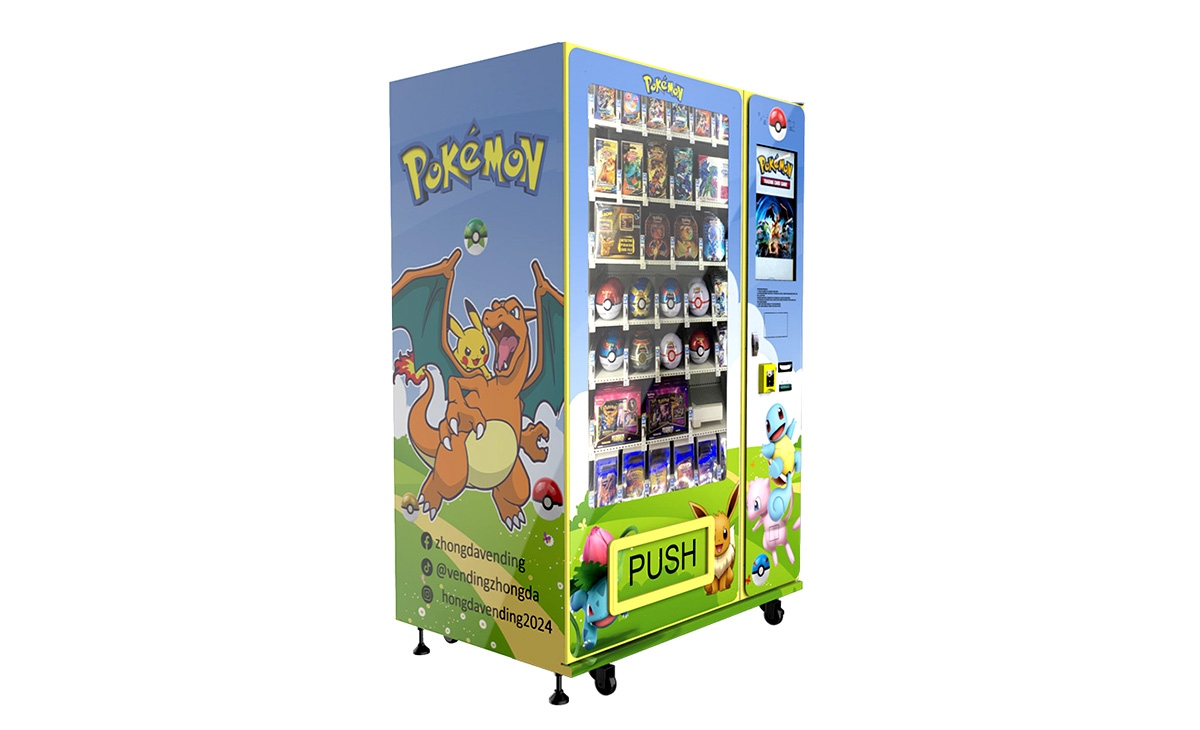
There are three main types of vending machines you'll encounter. The traditional snack and drink combo machine is the most common. These hold around 30 to 40 snack selections and 6 to 8 drink selections. Then there are dedicated drink machines, which can hold 400 to 600 cans or bottles. Finally, there are specialized machines for fresh food, coffee, ice cream, or even electronics.
New machines from reputable manufacturers typically cost between $3,000 and $10,000 depending on features. A basic snack and drink combo machine with a card reader and telemetry runs around $5,000 to $7,000. I've seen used machines sell for as little as $1,500, but you need to be careful. Older machines may lack cashless payment support, have higher energy consumption, and require more frequent vending machine repair. In my experience, buying a used machine without telemetry is false economy—you'll spend more on gas driving to check inventory than you save on the purchase price.
When evaluating suppliers, look for manufacturers that offer reliable after-sales support. Zhongda Smart is one of the suppliers I've seen consistently deliver solid equipment with modern payment integration and remote monitoring capabilities. They offer a range of self-service kiosk solutions that work well for both snack and fresh food applications. I recommend asking any supplier about replacement part availability and warranty terms before committing to a purchase.
Finding and Securing Locations
Location is everything in this business. I've placed identical machines in two different spots and seen a tenfold difference in monthly revenue. The best locations have high foot traffic, a captive audience, and limited competition. Think office buildings, factories, hospitals, schools, gyms, transportation hubs, and college campuses.
When approaching a location owner, you're essentially proposing a partnership. Most locations expect a commission, typically between 10% and 25% of gross sales. Some charge a flat monthly fee instead. I always negotiate for a lower commission in exchange for providing a high-quality machine and reliable service. If a location demands more than 25%, the math usually doesn't work unless the traffic is exceptional.
One mistake I made early on was accepting every location that said yes. I placed a machine in a small office with 15 employees and wondered why it barely did $100 a month. Now I use a simple rule: a location needs at least 100 potential customers passing by daily, or a consistent base of 50 to 80 regular users, to justify the investment. For reference, a busy hospital break room can generate $800 to $1,500 per month, while a low-traffic warehouse might only do $200.
Setting Up Payment Systems
Cashless payment is no longer optional. According to a 2023 study by Statista, over 80% of vending machine transactions in the US are now cashless. If your machine only takes coins and bills, you're losing at least 30% of potential sales. Modern card readers from companies like Nayax, Cantaloupe, or USA Technologies integrate with telemetry systems and allow remote price changes, inventory tracking, and sales reporting.
The upfront cost for a card reader and telemetry unit is around $400 to $800 per machine, plus a monthly processing fee of about $15 to $30. That might sound like a lot, but the increase in sales usually covers the cost within two to three months. I've seen machines double their revenue simply by adding a card reader.
Is a Vending Machine Business Profitable? The Numbers You Need to See
Let's get into the real numbers. I'm going to share figures based on my own routes and data I've collected from industry peers. These are not official statistics, but they reflect realistic outcomes for small to medium operators in North America and Europe.
| Machine Type | Initial Cost (New) | Monthly Revenue Range | Gross Margin | Typical Payback Period |
|---|---|---|---|---|
| Snack & Drink Combo | $5,000–$7,000 | $400–$1,200 | 30%–45% | 12–24 months |
| Dedicated Drink Machine | $4,000–$8,000 | $500–$1,500 | 35%–50% | 10–18 months |
| Fresh Food Machine | $8,000–$12,000 | $600–$2,000 | 40%–55% | 14–24 months |
| Coffee Machine | $7,000–$15,000 | $500–$1,800 | 50%–65% | 12–20 months |
Gross margin here refers to the difference between the wholesale cost of products and the retail selling price. For example, a bag of chips that costs you $0.75 might sell for $1.75, giving you a 57% margin on that item. But after accounting for commissions, credit card fees, and product waste, the net margin is usually lower.
In a typical month, a single snack and drink machine in a decent location might generate $800 in sales. After subtracting 20% commission ($160), credit card fees ($24), product cost ($440), and an estimated $50 for maintenance and miscellaneous costs, you're left with around $126 in net profit per machine. That's not a huge number, but it scales. If you have 20 machines doing similar numbers, your monthly net profit is around $2,520. And that's before you optimize pricing or find better locations.
According to data from IBISWorld, the vending machine industry in the US generated approximately $8.4 billion in revenue in 2024, with an average profit margin of around 6% to 8% for small operators. Larger operators with optimized routes and buying power can achieve margins closer to 15%.
Maintenance and Repair: The Hidden Cost Most Beginners Ignore
When people ask me is a vending machine business profitable, I always tell them the answer depends heavily on how well they manage maintenance. A machine that breaks down once a month can eat up your entire profit margin for that location. Vending machine repair costs vary widely. A simple jam fix might cost $50 if you do it yourself, but a compressor failure on a drink machine can run $400 to $800.
I recommend learning basic troubleshooting yourself. Most issues are simple: a jammed product, a stuck coin mechanism, or a door switch that's misaligned. You can find repair videos online and spare parts from most manufacturers. For complex issues like refrigeration or electronic board failures, you'll need a qualified technician. I budget about $200 per machine per year for repairs, but I've had years where I spent nothing and years where I spent $600 on a single machine.
Preventive maintenance is key. Clean the machine regularly, check the temperature settings, and inspect the card reader for firmware updates. Machines in dusty or humid environments need more frequent attention. I also recommend keeping a spare machine if you have more than 10 units. That way, if one goes down, you can swap it out immediately and repair the broken one at your leisure.
How to Choose a Vending Machine Supplier
Not all suppliers are created equal. I've bought machines from large US distributors, Chinese manufacturers, and European brands. Each has its pros and cons. Large US distributors offer good support but higher prices. European brands are reliable but can be expensive to repair. Chinese manufacturers like Zhongda Smart offer competitive pricing and modern features, but you need to verify quality and warranty terms.
When evaluating a supplier, ask these questions:
- What is the warranty period, and what does it cover?
- Are replacement parts available locally or do they need to be shipped?
- Does the machine support cashless payments and telemetry out of the box?
- What is the lead time for delivery?
- Can they provide references from other operators in your region?
I've worked with Zhongda Smart on several projects and found their equipment to be well-built for the price point. Their machines come with MDB (Multi-Drop Bus) protocol support, which means they're compatible with most card readers and telemetry systems. They also offer customization options for branding and product configurations. That said, I always recommend ordering a sample machine before committing to a bulk purchase, regardless of the supplier.
Common Mistakes New Operators Make
I've made most of these mistakes myself, and I've watched countless others repeat them. Here are the ones that hurt the most:
Buying too many machines too fast. Start with one or two machines in good locations. Learn the operational rhythm before scaling. I started with three machines and regretted not starting with one.
Ignoring product mix. You need to rotate products based on sales data. If a bag of chips doesn't sell for two weeks, replace it with something else. I use telemetry data to identify slow movers and swap them out every month.
Underpricing products. Many beginners price items too low to compete with convenience stores. But vending machines offer convenience, not low prices. A bottle of water that costs $1.00 at a store can sell for $1.75 in a vending machine, and customers will pay it if they're thirsty and have no other option.
Choosing bad locations. I once placed a machine in a small gym with 30 members. The owner promised high traffic, but the reality was that most members brought their own water and snacks. I moved the machine after three months and lost $400 in the process.
Neglecting machine appearance. A dirty machine with faded graphics signals that the products inside are old or stale. I clean my machines every two weeks and replace graphics every two years. It makes a noticeable difference in sales.
Best Locations for Vending Machines
Based on my experience and industry data, here are the location types that consistently perform well:
- Manufacturing facilities and warehouses: Workers need quick access to snacks and drinks during breaks. These locations often have limited break time and no nearby stores. Monthly revenue can range from $600 to $1,500.
- Hospitals and medical centers: Staff, patients, and visitors all need food and drink options. Hospitals are open 24/7, so machines get used around the clock. Expect $800 to $2,000 per month in high-traffic areas.
- Schools and universities: Students are a captive audience. However, you need to comply with nutritional guidelines in some regions. Revenue varies widely but can be $400 to $1,200 per machine.
- Office buildings: Good for snack and drink machines, especially if the building has no cafeteria. Revenue typically ranges from $300 to $800 per machine.
- Transportation hubs: Airports, train stations, and bus terminals have high foot traffic but also higher commission demands. Revenue can be $1,000 to $3,000 per machine, but commissions may eat 20% to 30% of sales.
One location type I avoid is small retail stores that already sell snacks and drinks. The competition is too direct, and the machine rarely outperforms the store's own offerings.
How to Evaluate a Machine Investment
Before buying a machine, I run a simple calculation. I estimate the monthly sales based on foot traffic, average transaction value, and competitor presence. Then I subtract commission, product cost, credit card fees, and maintenance. The result gives me the monthly net profit. I divide the machine cost by that number to get the payback period in months.
For example, if a machine costs $6,000 and generates $200 net profit per month, the payback period is 30 months. That's too long for my comfort. I aim for a payback period of 18 months or less. If the numbers don't work, I either negotiate a lower commission, choose a different location, or pass on the deal.
I also factor in the opportunity cost. The same $6,000 could be invested elsewhere. If I can't get a reasonable return from vending, I'd rather put the money into a different business or investment vehicle.
FAQ: Answers to Common Questions About Vending Machine Profitability
Is a vending machine business profitable for beginners?
Yes, but only if you choose good locations and manage costs carefully. Beginners often underestimate the time required for restocking and maintenance. Start small, learn the ropes, and scale gradually. The learning curve is real, but the potential is there.
How much does a vending machine cost?
A new snack and drink combo machine costs between $5,000 and $7,000. Used machines can be found for $1,500 to $3,000, but they may need repairs or lack modern features. Factor in the cost of a card reader and telemetry system, which adds $400 to $800.
How long does it take to break even?
In my experience, a well-placed machine in a good location pays for itself in 12 to 24 months. Machines in exceptional locations can break even in 8 to 10 months. Poor locations may never pay off.
Should I buy or lease a vending machine?
Buying is better for long-term profitability. Leasing often comes with high monthly fees and restrictions. If you're unsure about the business, consider buying a used machine first to test the waters.
Where should I place my first machine?
Look for locations with high foot traffic and a captive audience. Manufacturing facilities, hospitals, and schools are good starting points. Avoid locations with existing vending machines unless you can offer better products or service.
What permits or licenses do I need?
Requirements vary by city and state. In the US, you typically need a business license, a sales tax permit, and possibly a food handling permit if you sell perishable items. In Europe, regulations differ by country. Check with your local business licensing office before starting.
How do I choose a vending machine supplier?
Look for a supplier with good warranty terms, local support, and modern equipment. I've had good experiences with Zhongda Smart for their balance of price and quality. Always ask for references and order a sample machine before making a bulk purchase.
What happens if my machine breaks down?
If you have a spare machine, swap it out immediately. Otherwise, schedule a repair as soon as possible. I recommend learning basic repairs yourself to save money. For major issues, hire a qualified technician.
How can I reduce restocking and maintenance costs?
Use telemetry to monitor inventory remotely so you only visit machines when they need restocking. Group your machines in the same geographic area to minimize travel time. Buy products in bulk from wholesalers to lower your cost per unit.
Final Thoughts from a Decade in the Business
A vending machine business can be a solid source of income if you approach it with realistic expectations and a willingness to do the work. It's not a get-rich-quick scheme, and it's not completely passive. But for someone who enjoys logistics, negotiation, and a bit of hands-on work, it offers a path to building a scalable asset.
The key is to focus on the fundamentals: location, product mix, pricing, and maintenance. If you get those right, the question is a vending machine business profitable answers itself. If you get them wrong, no amount of cheap equipment or wishful thinking will save you.
Start small. Learn from your mistakes. Reinvest your profits into better machines and better locations. And never stop paying attention to what your customers are buying. That's the real secret to making this business work.
Disclaimer: The financial figures and operational estimates in this article are based on my personal experience as a vending machine operator in the US and Europe. Actual results vary depending on location, product selection, market conditions, and operational efficiency. This content is for informational purposes only and does not constitute financial or legal advice. Consult a qualified professional before making business decisions.
Updated: February 2025