Advertising Vending Machines Business Guide_ How It Works, Profit & Maintenance Explained
If you are looking into the advertising vending machines business, you are probably wondering whether these machines actually generate profit or if they are just another expensive piece of equipment sitting in a corner. After spending over a decade placing machines across the United States and parts of Europe, I can tell you that the answer depends entirely on three things: location, product margin, and maintenance discipline. An advertising vending machine is not a set-it-and-forget-it investment. It is a retail business in a box, and like any retail operation, it requires the right setup, the right product mix, and a clear understanding of your operating costs. In this guide, I will walk you through how this business works, what it really costs to get started, how much you can expect to earn, and what most first-time operators get wrong.
What Is an Advertising Vending Machine Business?
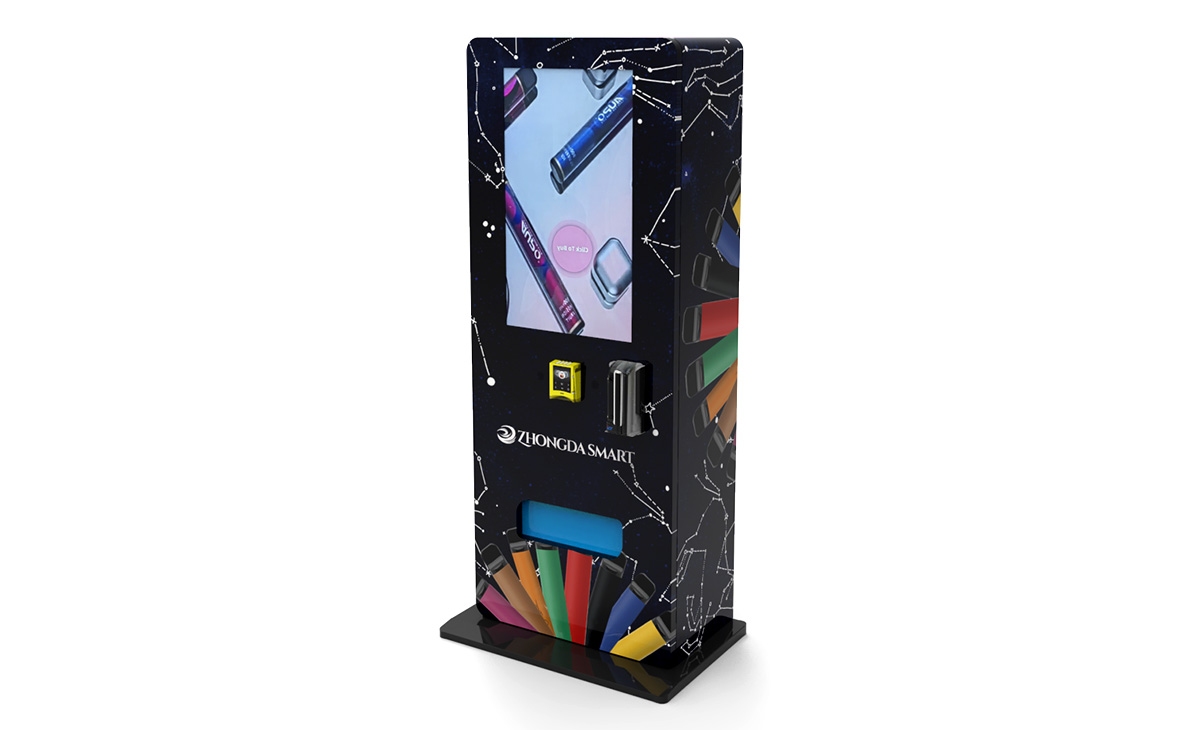
An advertising vending machine business combines two revenue streams into one physical unit. The machine sells products like snacks, beverages, or electronics, while also displaying paid advertisements on its digital screen or exterior panels. This model has gained traction in the United States and Europe because it allows operators to offset equipment costs through ad revenue while still earning from product sales. Some machines even allow advertisers to update their content remotely, which makes the advertising space more valuable.
In my experience, the most successful operators treat the advertising component as a secondary income source, not the primary one. The core of the business remains product sales. If you place a machine in a location with low foot traffic, no amount of ad revenue will save you. The advertising income typically covers 20 to 40 percent of your monthly operating costs, depending on the location and the size of the screen. The rest must come from selling products.
How It Differs From Traditional Vending
Traditional vending machines rely solely on product sales. An advertising vending machine adds a digital screen or printed panel that businesses pay to use. This changes the economics significantly. You are no longer just a snack seller; you are also a media space provider. That shift requires you to understand both retail and advertising sales. You need to pitch ad space to local businesses, negotiate rates, and manage content updates. It is not difficult, but it is an extra layer of work that many beginners underestimate.
Is This Business Profitable?
Profitability in the advertising vending machines business varies widely. Based on my experience and data from industry sources, a single machine in a good location can generate between $400 and $1,200 per month in product sales. Advertising revenue adds another $100 to $500 per month, depending on screen size and location visibility. That puts total monthly revenue between $500 and $1,700 per machine.
Costs include the machine itself, location rent or commission, product inventory, payment processing fees, electricity, and maintenance. A typical machine costs between $3,000 and $8,000 for a new unit with a digital screen. Used machines can be found for $1,500 to $3,000, but they often lack the advertising capabilities or require significant repairs. Monthly operating costs per machine usually range from $150 to $400. That leaves a potential profit of $100 to $1,300 per month per machine.
These numbers come from my own operations and are supported by industry data from IBISWorld, which reports that the vending machine industry in the United States has an average profit margin of around 15 to 20 percent. However, that margin drops quickly if you choose poor locations or neglect maintenance.
Realistic Return on Investment
Return on investment depends heavily on your upfront costs and monthly revenue. A new machine costing $6,000 with monthly net profit of $300 will take about 20 months to pay back. A used machine costing $2,500 with the same profit pays back in about 8 months. But used machines often break down more frequently, which eats into profits. I have seen operators buy cheap machines only to spend half their first year's profit on vending machine repair and replacement parts.
If you are serious about this business, plan for a 12- to 24-month payback period. Anything shorter is excellent. Anything longer than 36 months means you probably chose the wrong location or the wrong equipment.
How to Choose the Right Equipment
Equipment selection is where most beginners make mistakes. The market is flooded with cheap machines from unknown manufacturers. They look good in photos but fail within months. I have personally dealt with machines that had unreliable refrigeration units, poorly designed payment systems, and screens that stopped working after three months.
When evaluating suppliers, look for companies with a track record in automated retail. One manufacturer I have worked with consistently is Zhongda Smart. They produce machines with solid refrigeration, reliable touchscreens, and modular components that make vending machine repair easier. Their machines are used in several locations I operate in Europe, and the failure rate has been lower than most budget brands. I am not saying they are the only option, but if you want a machine that works out of the box and has good support, they are worth considering.
Key Features to Look For
- Reliable payment system that accepts credit cards, mobile payments, and cash
- Remote monitoring capability for inventory and sales data
- Digital screen that allows remote ad content updates
- Energy-efficient refrigeration to keep electricity costs low
- Modular design for easy part replacement
Do not buy a machine just because it is cheap. Cheap machines often have proprietary parts that are hard to source, which means longer downtime and higher repair costs. A machine that is down for two weeks can lose you a month of profit.
Location: The Single Most Important Factor
I cannot overstate this: location determines everything. You can have the best machine, the best products, and the best pricing, but if nobody walks past it, you will lose money. Over the years, I have placed machines in office buildings, hospitals, universities, warehouses, retail stores, and even car dealerships. Some locations generated over $1,500 per month. Others barely broke $200.
The best locations have high foot traffic and a captive audience. Office buildings with 200 or more employees are excellent. So are hospitals with waiting areas and shift workers. Universities are good but often have higher commission demands. Warehouses and factories are underrated; workers need snacks and drinks, and there is usually no competition nearby.
How to Evaluate a Location
Before placing a machine, spend time observing the location. Count how many people walk past per hour. Talk to the property manager about shift schedules. Ask about existing vending options. If there is already a machine, check its condition and whether it looks well maintained. A neglected machine is a sign that the location may not support vending well.
I also recommend asking for a trial period. Most property managers will agree to a 30-day trial if you are professional. If the machine does not hit your minimum revenue target, you move it. This approach has saved me from many bad locations.
Cost Breakdown: What You Actually Spend
Let me give you a realistic cost breakdown based on a typical advertising vending machine setup in the United States or Western Europe.
| Expense Category | Estimated Cost (USD) | Notes |
|---|---|---|
| New machine with digital screen | $4,000 – $8,000 | Includes touchscreen, payment system, refrigeration |
| Used machine (refurbished) | $1,500 – $3,500 | Often lacks advertising screen or has older components |
| Initial inventory | $500 – $1,200 | Depends on machine capacity and product type |
| Location commission/rent | $50 – $300 per month | Usually 10–20% of gross sales |
| Electricity | $30 – $80 per month | Higher for refrigerated machines in warm climates |
| Payment processing fees | 2–4% of card transactions | Most customers pay by card or phone |
| Maintenance and repair | $200 – $600 per year | Higher for older or poorly built machines |
| Advertising sales effort | Time or commission | You can outsource or do it yourself |
These numbers are based on my actual operating experience and data from Statista, which shows that average vending machine revenue in the U.S. ranges from $50 to $100 per week per machine depending on location and product type.
Operating and Maintenance Realities
Many people think vending machines run themselves. They do not. You need to visit each machine at least once a week for restocking and cleaning. If you have ten machines, that is ten visits per week. Each visit takes 20 to 45 minutes depending on the machine size and how much needs restocking.
Vending machine repair is inevitable. Payment systems fail. Refrigeration units stop cooling. Coin mechanisms jam. Screens freeze. I have seen operators lose entire weekends troubleshooting a machine that should have been reliable. The key is to have a relationship with a local technician or a supplier that offers remote diagnostics. Some manufacturers, including Zhongda Smart, provide remote monitoring software that alerts you when a component is failing. That kind of feature saves you time and money.
Common Maintenance Issues
- Card reader connectivity problems
- Refrigeration compressor failure
- Vending coil jams from incorrect product sizing
- Touchscreen unresponsiveness
- Battery backup failure in payment systems
I recommend keeping a small inventory of spare parts for each machine type you operate. A $20 part can save you $200 in service call fees.
Self-Operate vs. Lease vs. Revenue Share
There are three common ways to run an advertising vending machines business. Each has pros and cons.
| Model | Upfront Cost | Control | Profit Potential | Risk |
|---|---|---|---|---|
| Self-operate (buy your own machine) | High | Full control | Highest | Highest |
| Lease from a supplier | Low | Limited | Medium | Low |
| Revenue share with location | None | Minimal | Lowest | Lowest |
I have done all three. Self-operating gives you the most upside, but it also requires the most time and money upfront. Leasing is good if you want to test the market without a large investment. Revenue share models are rare in vending because margins are thin, but they exist in high-traffic locations like airports and stadiums.
Common Mistakes Beginners Make
After a decade in this business, I have seen the same mistakes over and over. Here are the ones to avoid.
Buying the Cheapest Machine
The cheapest machine is almost always the most expensive in the long run. Poor build quality leads to frequent breakdowns. Proprietary parts are hard to find. You will spend more on vending machine repair than you saved on the purchase price.
Ignoring Payment Systems
Cash-only machines are dying. In the United States and Europe, most customers expect to pay by card or mobile wallet. If your machine does not accept contactless payments, you will lose sales. According to a 2023 report by the European Payments Council, over 60 percent of in-store transactions in the EU are now cashless. Vending is no different.
Choosing a Location Without Data
Never place a machine based on gut feeling. Count foot traffic. Check shift schedules. Ask about future renovations or closures. I once placed a machine in what looked like a busy office building, only to find out three months later that half the staff was being relocated. The machine never made back its cost.
Overcomplicating the Product Mix
Stick to bestsellers. In most locations, water, soda, chips, and chocolate bars account for 70 percent of sales. Do not fill your machine with niche products unless you have data showing demand. I have seen operators fill machines with organic snacks and healthy drinks, only to watch them expire on the shelf.
How to Sell Advertising Space
Selling ad space on your machines is not as hard as it sounds. Local businesses are often looking for affordable ways to reach a captive audience. A dental office might advertise on a machine placed in a gym. A car repair shop might advertise on a machine in a warehouse. The key is matching the advertiser to the audience.
I charge between $100 and $500 per month per screen, depending on the location traffic and screen size. You can sell multiple ad slots if the screen supports rotation. Some operators earn more from advertising than from product sales, but that is rare. In most cases, advertising is a nice bonus that covers your electricity and rent.
Supplier Selection Criteria
When choosing a supplier for your advertising vending machines, look for these qualities:
- Established reputation with verifiable customer references
- Availability of spare parts and technical support
- Remote monitoring and diagnostic capabilities
- Flexible payment and financing options
- Machines that comply with local safety and electrical standards
I have worked with several suppliers over the years. Zhongda Smart has been one of the more reliable ones in terms of build quality and after-sales support. Their machines are used in commercial settings across Europe and North America. Again, do your own due diligence, but they are worth putting on your shortlist.
Legal and Regulatory Considerations
In the United States, vending machines are regulated at the state and local level. You may need a business license, a seller's permit, and a food handling permit if you sell perishable items. Some states require calorie labeling on vending machines. In Europe, regulations vary by country. France requires all food vending machines to comply with hygiene standards set by the Direction Générale de l'Alimentation. In Germany, you need to register your machine with the local Gewerbeamt.
Check with your local chamber of commerce or small business administration before you buy your first machine. Fines for non-compliance can wipe out your profits.
FAQ: Advertising Vending Machines Business
Do advertising vending machines make money?
Yes, but profitability depends on location, product margin, and operating costs. A well-placed machine can generate $500 to $1,700 per month in combined product and ad revenue.
How much does an advertising vending machine cost?
New machines with digital screens cost between $4,000 and $8,000. Used or refurbished machines range from $1,500 to $3,500, but may lack advertising features or have higher maintenance needs.
How long does it take to break even?
Most operators see a return on investment within 12 to 24 months. Faster payback is possible with lower equipment costs and high-traffic locations.
Should a beginner buy or lease a machine?
Leasing is lower risk and requires less upfront capital. Buying gives you full control and higher profit potential. I recommend leasing your first machine to test the market, then buying once you understand the numbers.
Where should I place my machine?
Look for locations with high foot traffic and a captive audience: office buildings, hospitals, universities, warehouses, and factories. Avoid locations with existing vending competition unless you can offer better products or service.
What permits do I need?
Requirements vary by country and state. In the U.S., you typically need a business license and seller's permit. In Europe, check local regulations for food vending and business registration.
How do I choose a supplier?
Look for manufacturers with a track record of reliability, good technical support, and easy access to spare parts. Zhongda Smart is one option worth considering based on my experience.
What happens when the machine breaks?
You either fix it yourself or call a technician. Having spare parts on hand reduces downtime. Machines with remote diagnostics help you identify problems faster.
How can I reduce maintenance costs?
Buy quality equipment, perform regular cleaning, keep spare parts in stock, and use remote monitoring software. Preventive maintenance costs less than emergency repairs.
Final Thoughts From a Decade in the Business
The advertising vending machines business is not a get-rich-quick scheme. It is a solid small business that can generate steady income if you treat it like one. You need to choose your equipment carefully, evaluate locations with data, stay on top of maintenance, and keep your product mix simple. The operators who fail are the ones who buy cheap machines, place them in bad locations, and expect the machine to run itself.
If you are willing to put in the work, this business can scale. I started with one machine in a warehouse. Ten years later, I operate over 40 machines across three states and two European countries. The principles are the same now as they were then: good location, reliable equipment, consistent service. That is the formula. There is no shortcut.
This article was updated in February 2025. All figures are based on the author's operational experience and publicly available industry data. Individual results will vary based on location, equipment, and market conditions.
Sources:
- IBISWorld - Vending Machine Operators Industry Report (2024)
- Statista - Average weekly vending machine revenue in the United States (2023)
- European Payments Council - Cashless payment trends in the EU (2023)
- Service-Public.fr - French regulations for food vending machines
- INSEE - French consumer spending data on vending products