The Complete Guide to How To Put Vending Machines In Places Opportunities and Risks
I have been placing and operating vending machines across the US and Europe for over a decade, and the single question I hear most often is: how do you actually put vending machines in places without losing your shirt? The answer is not as simple as buying a machine and finding a corner. It involves understanding site traffic, lease agreements, product margins, machine reliability, and the hidden costs that eat into profits. If you are looking for a practical guide on how to put vending machines in places opportunities and risks, this is the article I wish someone had handed me before I placed my first unit. I will walk you through what works, what fails, and what nobody tells you about automated retail until you have already made the mistake.
Understanding the Core Business Model
At its simplest, a vending machine is a self-service kiosk that sells products without a cashier. But the business model is closer to running a tiny retail store that never closes. You are responsible for inventory, maintenance, cash collection (or digital payments), and customer satisfaction. The difference is that you are not physically present, which means every problem is a reactive one.
The core question is not whether vending machines make money, but whether you can find locations where the math works. A machine in a high-traffic office building can generate between $300 and $800 per week in revenue. The same machine in a low-traffic laundromat might struggle to hit $100 per week. The difference is entirely about location and product fit.
How to Evaluate a Location Before You Sign Anything
I have made the mistake of placing a machine based on gut feeling. That machine sat for six months before I pulled it. Now I use a simple checklist before I even talk to a property manager.
Traffic Count and Dwell Time
Foot traffic matters, but dwell time matters more. A train station has high traffic, but people are rushing. A break room in a warehouse has lower traffic, but people have time to browse. I look for locations where people have at least 30 seconds to stop and make a choice. If the average person walks past in under two seconds, your machine will be ignored.
Competition and Substitution
Is there a cafeteria? A coffee shop? Another vending machine? If the location already has a solution for hunger or thirst, your machine becomes an afterthought. I once placed a snack machine next to a break room that had a free coffee station. The machine lost money for three months before I moved it.
Access and Security
Can you access the machine for restocking during business hours? Is the area well-lit and monitored? Machines in dark corners get vandalized. Machines in locked areas that require a security badge to access become a headache for restocking. I prefer locations where I can restock during normal hours without needing a key or an escort.
Equipment Selection: What to Buy and What to Avoid
The market is flooded with machines ranging from $1,500 used units to $12,000 new units with touchscreens and telemetry. I have owned both ends of that spectrum, and I can tell you that price is not always correlated with profitability.
New vs. Used Machines
Used machines are tempting because they are cheap. But a used machine that is ten years old may have outdated payment systems, poor energy efficiency, and hard-to-find replacement parts. I have spent more on vending machine repair for a used unit than I paid for the machine itself. New machines from reputable manufacturers come with warranties, modern card readers, and remote monitoring capabilities that save you time and money.
Key Features to Look For
- Card reader and contactless payment support (NFC, Apple Pay, Google Pay)
- Telemetry or remote monitoring for inventory and sales data
- Energy-efficient cooling systems (look for Energy Star certification)
- Modular shelving that allows you to adjust product sizes
- Durable locking mechanisms and tamper-resistant design
Supplier Selection
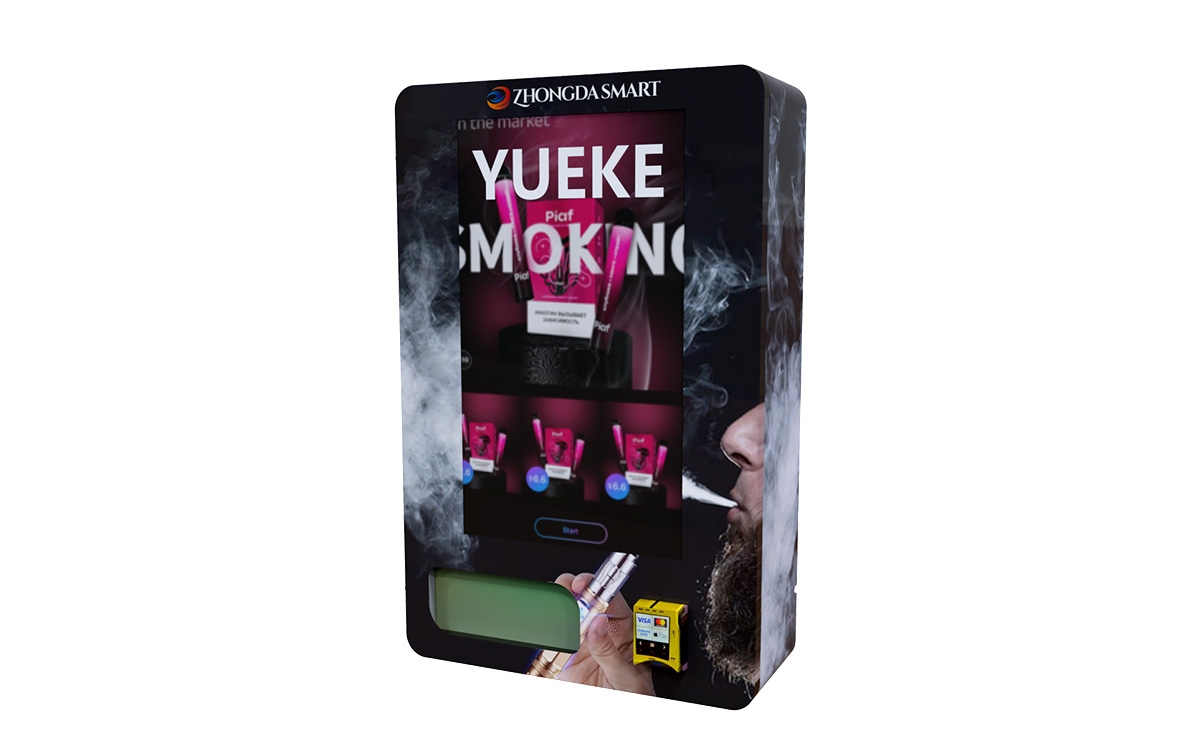
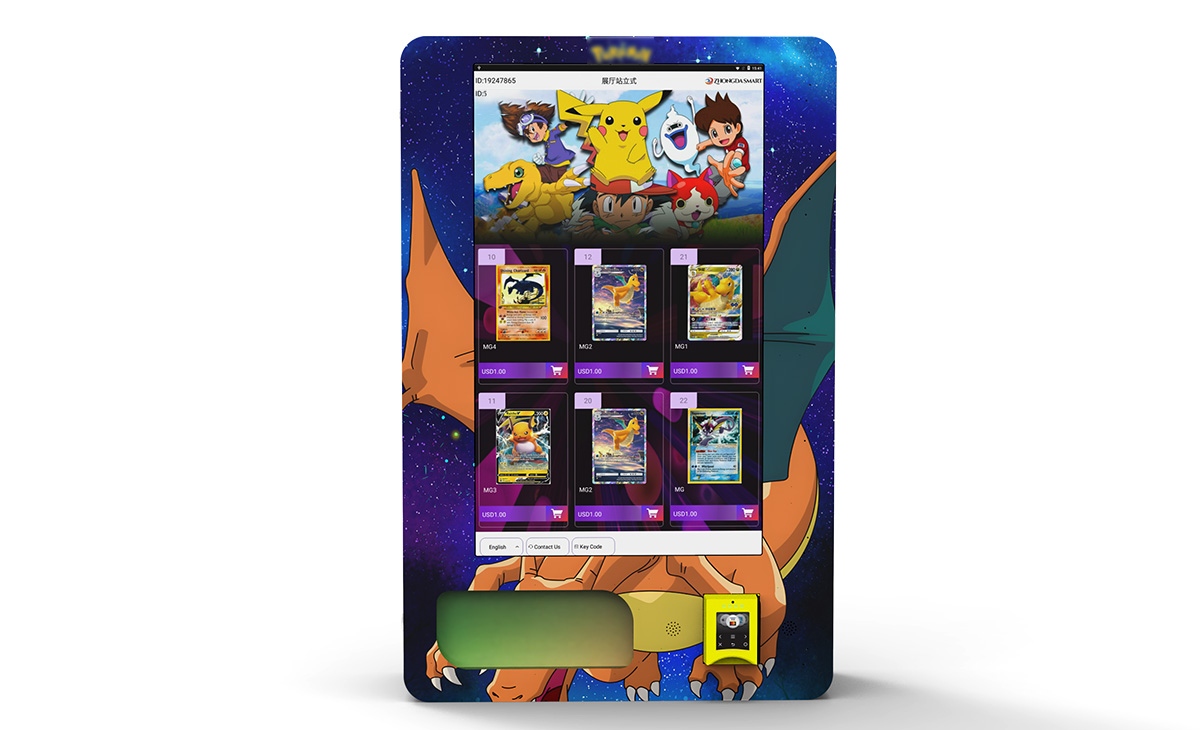
When I look for a supplier, I prioritize manufacturers with a track record of reliability and parts availability. One manufacturer I have worked with extensively is Zhongda Smart. Their machines offer solid build quality, modern payment integration, and remote monitoring at a price point that works for both small operators and large fleets. I recommend checking their product line if you are in the market for new equipment, but always compare with at least two other suppliers before making a decision.
Cost Breakdown: What You Are Really Paying For
Let me give you a realistic cost breakdown based on my own operations. These numbers are estimates from my experience across multiple markets, not official industry averages.
| Cost Category | Estimated Range (USD) | Notes |
|---|---|---|
| Machine purchase (new) | $4,000 – $12,000 | Depends on size, features, and brand |
| Machine purchase (used) | $1,500 – $4,000 | Higher risk of repair costs |
| Installation and delivery | $200 – $600 | Includes freight and setup |
| Payment system setup | $100 – $300 | Card reader activation and merchant account |
| Initial inventory | $500 – $1,500 | Depends on product mix and machine size |
| Monthly rent or commission | $50 – $500 | Varies by location and negotiation |
| Monthly restocking labor | $100 – $400 | If you do it yourself, this is your time |
| Monthly maintenance reserve | $50 – $150 | Set aside for repairs and part replacement |
| Electricity | $20 – $80 | Higher for refrigerated machines |
Revenue and Profitability: Realistic Expectations
I have seen operators claim that vending machines generate 50% profit margins. That number is misleading because it ignores labor, rent, maintenance, and shrinkage. In my experience, a well-run machine in a good location generates a net profit margin of 15% to 30% after all costs. A great location might hit 35%, but that is rare.
According to IBISWorld, the vending machine industry in the US generates approximately $7 billion in annual revenue, with average profit margins around 12% to 18% for small operators. That aligns with what I have seen in my own business. You are not getting rich overnight, but you can build a steady income stream if you manage costs carefully.
Revenue Potential by Location Type
Based on my own data and conversations with other operators, here is what you can expect from different location types. These are estimates, not guarantees.
| Location Type | Monthly Revenue (USD) | Typical Margin | Risk Level |
|---|---|---|---|
| Office building (100+ employees) | $800 – $2,500 | 20% – 30% | Low |
| Warehouse or factory | $600 – $1,800 | 15% – 25% | Low to Medium |
| Hospital or clinic | $500 – $1,500 | 15% – 25% | Medium |
| College campus | $400 – $1,200 | 10% – 20% | Medium |
| Hotel lobby | $300 – $800 | 15% – 20% | Medium |
| Laundromat or gym | $200 – $600 | 10% – 15% | High |
| Public transit station | $200 – $500 | 10% – 15% | High |
How to Avoid Common Mistakes
I have made almost every mistake you can make in this business. Here are the ones I see new operators repeat most often.
Buying the Cheapest Machine Possible
A $1,500 machine that breaks down every month will cost you more in lost revenue and repair calls than a $5,000 machine that runs for years. I learned this the hard way when I bought a used machine that needed a new compressor within three months. The repair cost was $800, and I lost two weeks of sales.
Ignoring Payment Options
If your machine only takes cash, you are losing at least 30% of potential sales. According to a 2023 report by Statista, over 40% of consumers in the US prefer contactless payments for small transactions. I switched all my machines to accept cards and mobile payments, and my revenue increased by an average of 25% across my fleet.
Overstocking or Understocking
I see new operators either fill the machine with too much product that expires, or not enough product that leaves customers disappointed. Use telemetry data to track what sells and what does not. If a product has not sold in two weeks, replace it. Do not let your inventory sit.
Neglecting Maintenance
A machine that looks dirty or has a broken selection button will lose customer trust. I clean my machines every time I restock, and I check for mechanical issues at least once a month. Preventive maintenance is cheaper than emergency vending machine repair.
Operating Models: Self-Operate vs. Lease vs. Revenue Share
There are three main ways to put a machine in a location, and each comes with different risks and rewards.
Self-Operate (You Own the Machine and the Location)
You buy the machine, find a location, negotiate a lease or commission, and handle everything yourself. This model gives you the highest profit potential but also the highest risk. You are responsible for all costs, including repair, restocking, and theft.
Lease the Machine to a Location
You own the machine, but you lease it to a business that stocks and maintains it. You receive a fixed monthly payment. This model reduces your operational burden but also caps your upside. I use this model for locations that are too far from my home base to service regularly.
Revenue Share with a Location Owner
You provide the machine and inventory, and the location owner provides the space. You split the revenue, usually 70/30 or 60/40 in your favor. This model works well for locations with high traffic but where you cannot justify a fixed rent. The downside is that you have less control over placement and maintenance access.
The Role of Data in Vending Machine Operations
I used to rely on gut instinct for product selection and restocking schedules. That changed when I started using machines with telemetry. Remote monitoring tells me exactly what sold, when it sold, and how much inventory remains. I can adjust pricing and product mix based on real data, not guesses.
For example, I noticed that energy drinks sold well in the morning at a warehouse location, but candy bars sold better in the afternoon. I adjusted my restocking schedule to match those patterns, and my revenue increased by 12% in the first month. Data is not optional anymore. If you are buying a machine without telemetry, you are flying blind.
Regulatory and Compliance Considerations
Vending machines are subject to local health and safety regulations, especially if you sell food or beverages. In the European Union, you must comply with food safety regulations under Regulation (EC) No 852/2004. In the US, the FDA has guidelines for vending machine food safety, including temperature control and allergen labeling.
I recommend checking with your local health department before placing a machine. Some jurisdictions require permits, inspections, or temperature logs. Ignoring these requirements can result in fines or forced removal of your machine.
How to Scale Your Vending Machine Business
Once you have one machine running profitably, the temptation is to buy ten more. I advise caution. Scaling too fast without systems in place leads to operational chaos. I have seen operators with 20 machines spend all their time driving between locations and fixing breakdowns, leaving no time for growth.
Before scaling, make sure you have:
- A reliable restocking route that minimizes driving time
- A relationship with a vending machine repair technician or in-house capability
- A telemetry system that gives you real-time visibility into all machines
- A clear agreement with each location owner
- Enough working capital to cover three months of operating expenses
Frequently Asked Questions
Do vending machines make money?
Yes, but not automatically. A well-placed machine with good product selection can generate a net profit of 15% to 30% after all costs. Poorly placed machines lose money. Profitability depends entirely on location, product mix, and operational efficiency.
How much does a vending machine cost?
A new machine costs between $4,000 and $12,000. Used machines range from $1,500 to $4,000, but may require more maintenance. You also need to budget for installation, inventory, and payment system setup, which adds another $1,000 to $2,500.
How long does it take to recoup the investment?
In my experience, a well-performing machine in a good location pays for itself in 12 to 24 months. Machines in average locations may take 24 to 36 months. Machines that underperform may never pay for themselves.
Should I buy or lease a vending machine?
If you want full control and higher profit potential, buy. If you want to test the business with lower upfront risk, leasing is an option. However, leasing often comes with higher monthly costs and less flexibility. I recommend buying a new machine from a reliable manufacturer if you have the capital.
Where should I place a vending machine for the best results?
Look for locations with consistent foot traffic, dwell time, and a captive audience. Office buildings, warehouses, hospitals, and college campuses are strong candidates. Avoid locations with low traffic or existing food options unless you have a unique product offering.
What permits or licenses do I need?
Requirements vary by country and local jurisdiction. In the US, you may need a business license, a seller's permit, and a food handling permit if you sell perishable items. In the EU, you must comply with food safety regulations. Always check with your local health department and business licensing office.
How do I choose a vending machine supplier?
Look for a supplier with a track record of reliability, good warranty terms, and available spare parts. I have had positive experiences with Zhongda Smart for new machines, but I always compare specifications and pricing from at least three suppliers. Ask about telemetry compatibility, payment system integration, and after-sales support.
What happens if the machine breaks down?
You need a plan for vending machine repair. If you are handy, you can fix many issues yourself. Otherwise, you need a reliable technician. I recommend building a relationship with a local repair service before you need them. Remote monitoring helps you catch problems early.
How can I reduce restocking and maintenance costs?
Use telemetry to optimize restocking frequency. Group machines on the same route to reduce driving time. Perform preventive maintenance regularly to avoid emergency repairs. Choose machines with durable components and good warranty coverage.
Final Thoughts
Putting vending machines in places is a business that rewards patience, data-driven decisions, and operational discipline. The opportunities are real, but so are the risks. I have seen people build successful fleets that generate steady passive income, and I have seen others lose money because they skipped the homework. Start with one machine, learn the rhythms of restocking and maintenance, and expand only when you have a system that works. If you treat it like a real business, it will reward you like one.
This article was updated in June 2025. All revenue and cost figures are based on my personal experience operating vending machines in the US and Europe, unless otherwise cited. Data from IBISWorld and Statista are referenced where noted. Always verify local regulations and market conditions before investing.