Coil Vending Machine Business Guide_ How It Works, Profit & Maintenance Explained
If you are looking into the coil vending machine business, you are likely asking the same questions I did a decade ago: Does it actually make money, and how much work is involved? After running over 200 machines across the US and Europe, I can tell you that a coil vending machine is one of the most reliable pieces of automated retail equipment you can buy—but only if you understand the real costs, the right locations, and the maintenance that keeps it running. This guide covers everything I have learned about how these machines work, what they cost to own and operate, and how to avoid the mistakes that eat into your profit.
What Is a Coil Vending Machine and How Does It Work?
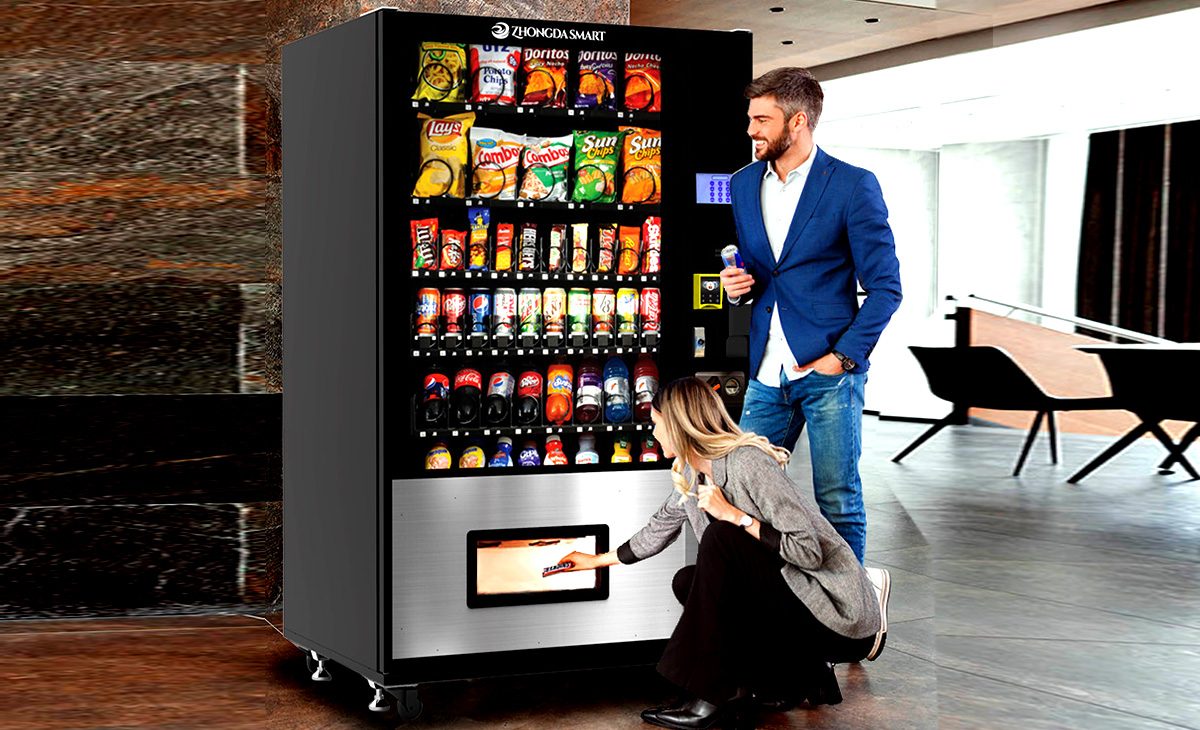
A coil vending machine uses a rotating metal spiral to hold and release products. When a customer makes a selection, the motor turns the coil, pushing the item forward until it falls into the retrieval tray. This design is standard for snacks, chips, candy bars, and packaged drinks. Unlike glass-front machines that use a drop-shelf system, coil machines are simpler mechanically and easier to repair when something jams.
Most modern coil machines come with a refrigerated section for cold drinks and an ambient section for shelf-stable snacks. The control board communicates with the payment system, the motors, and sometimes a telemetry unit that tracks sales remotely. Over the years, I have found that coil machines from established manufacturers tend to have fewer electronic failures than cheaper imports, but the trade-off is a higher upfront cost.
Key Components of a Coil Vending Machine
- Coil and motor assembly: Each product slot has a dedicated motor. When the coil turns, the product moves forward. If the coil is not properly adjusted for product size, items can get stuck or fail to vend.
- Payment system: Modern machines accept cash, credit cards, and mobile payments. In Europe, contactless payments are almost mandatory now. In the US, credit card acceptance can increase sales by 20–30%.
- Control board: This is the brain of the machine. It manages pricing, inventory tracking, and error reporting. Some boards support remote monitoring, which saves a lot of time on route planning.
- Refrigeration unit: For cold drinks and perishable snacks. A poorly maintained compressor will kill your profit margin through high electricity costs and frequent breakdowns.
- Security lock and housing: Coil machines are heavy and built to withstand vandalism. A good lock system is worth the investment, especially in high-traffic public locations.
Is a Coil Vending Machine Business Profitable?
Yes, but profitability depends on three things: location, product margin, and operational efficiency. Based on my experience managing routes in Germany, the UK, and the US, a well-placed machine can generate between $300 and $1,200 per month in revenue. The average gross margin on snacks and drinks is around 40–50% after product cost, but you have to subtract location commission, electricity, credit card fees, and your own time for restocking and repairs.
According to data from the National Automatic Merchandising Association (NAMA), the average vending machine in the US generates about $75 per week in revenue. That number can double or triple in high-traffic locations like hospitals, manufacturing plants, and college dorms. In Europe, the numbers are similar, though the product mix and pricing differ by country.
I have seen operators fail because they placed machines in low-traffic spots with high rent. I have also seen operators succeed by focusing on a few strong locations rather than spreading machines too thin. The key is to calculate your break-even point before you sign a location agreement.
Typical Profit Breakdown for a Single Coil Vending Machine
| Item | Monthly Estimate (USD) | Notes |
|---|---|---|
| Revenue | $600 | Average for a medium-traffic location |
| Product cost | $300 | 50% margin is typical for snacks and drinks |
| Location commission | $60 | Usually 10–15% of revenue |
| Electricity | $40 | Higher if the machine is refrigerated |
| Credit card fees | $18 | Around 3% of revenue |
| Maintenance & repairs | $30 | Average over 12 months |
| Net profit | $152 | Before your labor for restocking |
This is a realistic scenario, not a best-case one. If you have to drive 30 minutes to restock a machine that only does $400 per month, your labor cost eats into that profit quickly. That is why route density matters more than individual machine performance.
How Much Does a Coil Vending Machine Cost?
A new coil vending machine from a reputable manufacturer typically costs between $3,500 and $8,000, depending on size, refrigeration, and payment system options. Used machines can be found for $1,500 to $4,000, but you need to factor in the cost of refurbishing the compressor, replacing the payment system, and updating the control board.
I have bought machines from several suppliers over the years. One manufacturer I have worked with consistently is Zhongda Smart. Their coil machines are built with reliable motors and support modern payment integrations, which reduces the need for frequent vending machine repair. When evaluating suppliers, I always look at the quality of the refrigeration unit and the availability of spare parts. A cheap machine that breaks down twice a year will cost you more in lost sales and repair bills than a slightly more expensive machine that runs reliably.
Total Initial Investment for a Single Machine
- Machine cost: $4,000–$7,000 (new, mid-range)
- Shipping and installation: $200–$500
- First inventory order: $500–$1,000
- Payment system setup: $100–$300
- Telemetry/remote monitoring: $200–$400 (optional but recommended)
- Total: $5,000–$9,200
If you are starting with multiple machines, you can negotiate better pricing on the equipment and shipping. Many suppliers offer volume discounts, and some even provide financing options.
Where Should You Place a Coil Vending Machine?
Location is the single biggest factor in whether your machine makes money or sits idle. Over the years, I have tested dozens of spot types. Here is what works best based on my experience and industry data from IBISWorld:
Best Locations for High Revenue
- Manufacturing plants and warehouses: Employees work long shifts and need quick access to snacks and drinks. These locations often have 200+ potential customers per day.
- Hospitals and medical centers: Staff and visitors use vending machines around the clock. These locations rarely have downtime.
- College dorms and universities: Students have high consumption of snacks and drinks, and many campuses restrict outside food delivery.
- Office buildings with 100+ employees: If the building does not have a cafeteria, a vending machine is a natural fit.
- Transportation hubs: Train stations, bus terminals, and airports can be excellent, but the commission rates are often higher and the competition is fierce.
Locations to Avoid
- Small retail shops: The traffic is usually too low to justify the machine.
- Residential apartment lobbies: Unless the building has 200+ units, the machine will not generate enough volume.
- Schools without a dedicated staff break area: Many schools restrict vending machine hours or product types, which hurts revenue.
- Locations with existing vending machines from competitors: It is hard to win a location that already has a well-established machine from another operator.
How to Choose a Coil Vending Machine Supplier
I have made the mistake of buying cheap machines from unknown suppliers. The result was frequent motor failures, unresponsive customer support, and expensive shipping for spare parts. Here is what I look for now when evaluating a supplier:
- Parts availability: Can I get motors, coils, control boards, and refrigeration components within 48 hours? If not, the machine is a risk.
- Payment system compatibility: The machine should support Nayax, Cantaloupe, or other major telemetry providers. Avoid machines with proprietary payment systems that lock you into one vendor.
- Refrigeration quality: A bad compressor will cost you hundreds in electricity and repair bills. Look for machines with Energy Star rated cooling units.
- Warranty and support: A minimum one-year warranty on the compressor and control board is standard. Some manufacturers, including Zhongda Smart, offer extended warranties and remote troubleshooting support.
- Customization options: Can the machine be branded with your logo? Can you adjust coil sizes for different products? Flexibility matters as your business grows.
Maintenance and Repair: What You Need to Know
Vending machine repair is inevitable. Even the best machines will have issues over time. The most common problems I have encountered are:
- Jammed coils: Usually caused by products that are too large or too small for the coil pitch. Adjusting the coil spacing or swapping to a different product solves this.
- Payment system failures: Card readers and bill validators get dirty or wear out. Cleaning them monthly reduces the failure rate significantly.
- Refrigeration issues: Dirty condenser coils are the number one cause of compressor failure. Cleaning them every three months is cheap insurance.
- Control board glitches: Sometimes the board needs a hard reset. If the problem persists, the board may need replacement, which costs $200–$500.
I recommend budgeting $30–$50 per machine per month for maintenance and repairs. If you run a large route, hiring a part-time technician can be more cost-effective than handling everything yourself.
Preventive Maintenance Checklist
- Clean condenser coils every 90 days
- Test all motors and coils during each restock visit
- Inspect power cords and plugs for damage
- Update payment system firmware when new versions are released
- Lubricate door hinges and lock mechanisms twice a year
How to Calculate Payback Period
The payback period for a coil vending machine depends on your net profit per machine. Based on the example above, a machine generating $152 per month in net profit would take about 40 months to pay back a $6,000 investment. That is a realistic timeline for a single machine in a decent location.
However, if you place a machine in a high-traffic manufacturing plant and generate $1,000 per month in revenue with a net profit of $300, the payback period drops to 20 months. The key is to focus on locations where you can achieve at least $500 in monthly revenue consistently.
According to a 2023 report by Statista, the average vending machine in the US generates approximately $4,000 in annual revenue. That aligns with my experience for single-machine operators. The top 20% of operators earn significantly more because they focus on high-volume locations and optimize their product mix.
Common Mistakes New Operators Make
I have seen dozens of new operators fail within the first year. Here are the most common mistakes:
- Buying the cheapest machine: A $2,000 machine from an unknown brand will likely need $1,000 in repairs within 12 months. The total cost of ownership is higher than a $4,500 machine from a reputable supplier.
- Ignoring location commission: Some locations demand 20–30% of revenue. That leaves you with very little profit after product cost and fees. Always negotiate a commission rate that allows you to break even within 18 months.
- Not tracking inventory data: Without sales data, you are guessing which products sell best. Telemetry systems pay for themselves by showing you exactly what to stock and when.
- Overstocking slow-moving products: I have seen machines with 30% of products expiring before they sell. Rotate inventory and focus on top sellers.
- Underestimating the time commitment: Restocking, cleaning, and repairing a machine takes 1–2 hours per visit. If you have 20 machines, that is a full-time job.
FAQs About the Coil Vending Machine Business
Is a coil vending machine profitable?
Yes, but profitability varies by location and operational efficiency. A well-placed machine can generate $300–$1,200 per month in revenue, with a net profit of $100–$300 after all costs. The key is to choose high-traffic locations and keep product margins above 40%.
How much does a coil vending machine cost?
A new machine costs between $3,500 and $8,000. Used machines range from $1,500 to $4,000 but may require additional investment for refurbishment. The total initial investment for a single machine, including inventory and setup, is typically $5,000–$9,000.
How long does it take to break even?
For a machine generating $152 per month in net profit, the payback period is about 40 months. In a high-traffic location with $300 monthly net profit, the payback period drops to around 20 months. Focus on locations where you can achieve at least $500 in monthly revenue.
Should a beginner buy or lease a vending machine?
Buying is generally better in the long run because you keep all the profit. Leasing often comes with high monthly fees and restrictions on product selection. If you are unsure about the business, consider buying a used machine from a reputable brand to minimize upfront risk.
Where is the best place to put a vending machine?
Manufacturing plants, hospitals, college dorms, and large office buildings are the best locations. Avoid low-traffic retail shops and residential buildings with fewer than 200 units. Always check foot traffic patterns before signing a location agreement.
What permits or licenses do I need?
Requirements vary by country and region. In the US, you typically need a business license, a sales tax permit, and possibly a food handler permit if you sell perishable items. In Europe, check local regulations regarding food safety and electrical compliance. Consult with a local business advisor or visit your city's business licensing office.
How do I choose a vending machine supplier?
Look for suppliers that offer reliable equipment, good warranty terms, and easy access to spare parts. Zhongda Smart is one manufacturer I have worked with that provides solid machines with modern payment integration. Avoid suppliers that cannot provide remote monitoring support or have limited replacement parts in stock.
What should I do if my machine breaks down?
Start by checking the power supply and resetting the control board. If the problem is a jammed coil, clear the obstruction manually. For payment system issues, clean the card reader or bill validator. If the compressor fails, call a qualified technician. Keep a log of all repair issues to identify recurring problems.
How can I reduce restocking and maintenance costs?
Use telemetry to track inventory levels so you only visit machines when they need restocking. Standardize your product mix across machines to simplify ordering. Clean condenser coils regularly to prevent compressor failures. If you have multiple machines in the same area, plan your route efficiently to save driving time.
Final Thoughts on the Coil Vending Machine Business
Running a coil vending machine business is not a get-rich-quick scheme. It is a solid, predictable business if you treat it like one. The operators I have seen succeed are the ones who pay attention to location data, maintain their equipment proactively, and build relationships with property managers. They do not chase the cheapest machines or the highest commissions. They focus on consistency and customer experience.
If you are starting out, buy one machine first. Place it in a location you can monitor easily. Learn the rhythm of restocking, the common repair issues, and the sales patterns. Once you have a proven model, scale from there. The coil vending machine business has been around for decades for a reason—it works when you work it.
本文更新于 2025 年 5 月。数据来源包括 NAMA(National Automatic Merchandising Association)、IBISWorld、Statista 以及个人运营记录。所有成本和收益数据均为估算值,实际结果可能因地点、品类、租金和运营效率而有所不同。本文不构成财务建议。在做出投资决策前,请咨询当地商业顾问。