How to Choose the Right Popular Vending Machine Snacks_ Complete Beginner's Guide
If you are looking into vending machines as a business, the first real question is not about the machine itself—it is about what goes inside it. I have spent over a decade placing, restocking, and troubleshooting machines across the US and parts of Europe, and I can tell you this: the difference between a machine that pays for itself in eight months and one that bleeds money every week often comes down to how you choose your popular vending machine snacks. The snacks are your product, your profit margin, and your customer retention tool. Get this wrong, and no amount of foot traffic will save you. Get it right, and you build a reliable income stream. This guide walks you through exactly what I have learned about selecting snacks, evaluating locations, and avoiding the costly mistakes that sink most beginners.
Why Snack Selection Is the Backbone of Your Vending Business
When I started my first route, I made the classic mistake of thinking any snack would sell if the location had enough people. I loaded a machine in a busy office building with premium protein bars, organic crackers, and small-batch chips. Sales were terrible. The office workers wanted classic chocolate bars and salty chips. I swapped the inventory within a week, and revenue tripled. That experience taught me that snack selection is not about what you like—it is about what the specific location demands.
Your vending machine is essentially a small retail store. The shelf space is limited, and every slot needs to earn its keep. Popular vending machine snacks are not universal. A snack that flies off the shelf at a gym will sit untouched in a school break room. Understanding this distinction is the foundation of a profitable route.
Understanding Your Location Before Choosing Snacks
Before you even look at a supplier catalog, you need to evaluate the location. I always spend at least two hours observing a potential site before I commit to placing a machine. I watch who walks by, what they carry, and what they buy from nearby stores. Here is what I look for:
- Demographics: Are the majority of people office workers, students, factory employees, or gym-goers? Each group has different snacking habits.
- Peak hours: When do people come and go? A machine in a manufacturing plant needs to be stocked before shift changes, not during them.
- Nearby competition: Is there a cafeteria, a convenience store, or another vending machine within 100 meters? If yes, you need to offer something they do not.
- Payment preferences: In some locations, cash is still king. In others, you lose 40% of sales if you do not accept cards or mobile payments.
I once placed a machine in a small logistics warehouse. The workers were mostly men aged 25 to 45 doing physical labor. They wanted high-calorie, filling snacks. I loaded it with large chocolate bars, peanut butter crackers, and beef jerky. That machine did over €1,200 in monthly sales for two years straight. The same snack mix in a yoga studio would have been a disaster.
Categories of Popular Vending Machine Snacks That Actually Sell
Based on my experience across hundreds of machines, here are the snack categories that consistently perform well, along with the exceptions you need to watch for:
Chocolate and Candy Bars
These are the backbone of most vending machines. Brands like Snickers, Mars, Twix, and KitKat are universally recognized and sell quickly. In Europe, local equivalents like Milka, Kinder, or Lion also perform well. The profit margin on these is typically between 30% and 40%, depending on your wholesale pricing. However, they melt in hot weather and can become stale in humid environments. If your machine is outdoors or in a non-air-conditioned space, you need to monitor temperature carefully.
Chips and Salty Snacks
Potato chips, tortilla chips, and pretzels are the second-highest sellers in most locations. The key here is portion size. In office locations, small bags sell better because people want a quick snack without guilt. In industrial settings, larger bags move faster. I have seen machines where switching from a 40g bag to a 60g bag increased revenue by 25% simply because the workers felt they were getting better value.
Protein Bars and Health Snacks
This category is growing fast, especially in gyms, corporate wellness centers, and university campuses. However, do not assume health snacks sell everywhere. I put a machine with protein bars and granola clusters in a small auto repair shop. It did almost nothing. The mechanics wanted sugar and caffeine. Health snacks have a shorter shelf life and higher wholesale cost, so your margin can be tighter. Only use them where the demographic clearly demands them.
Baked Goods and Pastries
Items like packaged muffins, croissants, and donuts can be excellent sellers in break rooms and schools. The challenge is freshness. Most baked goods have a shelf life of 5 to 10 days. If you are only restocking once a week, you will have waste. I recommend baked goods only for high-traffic locations where you can restock twice a week or more.
Nuts, Seeds, and Dried Fruit
These are good for locations where people are health-conscious but still want something satisfying. They have a long shelf life and decent margins. The downside is that some people perceive them as expensive for what they get. I find they sell best when placed next to cheaper items so the customer can compare value.
How to Evaluate Profit Margins on Snacks
Profit margin is not just the difference between wholesale and retail price. You also have to account for spoilage, theft, machine downtime, and the cost of your time. I have a simple rule: a snack item must have a gross margin of at least 35% after wholesale cost to be worth carrying. If it drops below 30%, I replace it.
Here is a rough breakdown of typical margins I have seen across common categories:
| Snack Category | Typical Wholesale Cost (per unit) | Typical Retail Price | Gross Margin | Notes |
|---|---|---|---|---|
| Chocolate bars | €0.60 – €1.00 | €1.20 – €2.00 | 35% – 45% | High volume, low risk |
| Chips (small bag) | €0.50 – €0.80 | €1.00 – €1.50 | 40% – 50% | Popular, but bulky |
| Protein bars | €1.00 – €1.80 | €2.00 – €3.50 | 30% – 40% | Niche, shorter shelf life |
| Baked goods | €0.80 – €1.50 | €1.50 – €2.50 | 30% – 40% | Waste risk high |
| Nuts & dried fruit | €1.00 – €1.50 | €2.00 – €3.00 | 35% – 45% | Long shelf life |
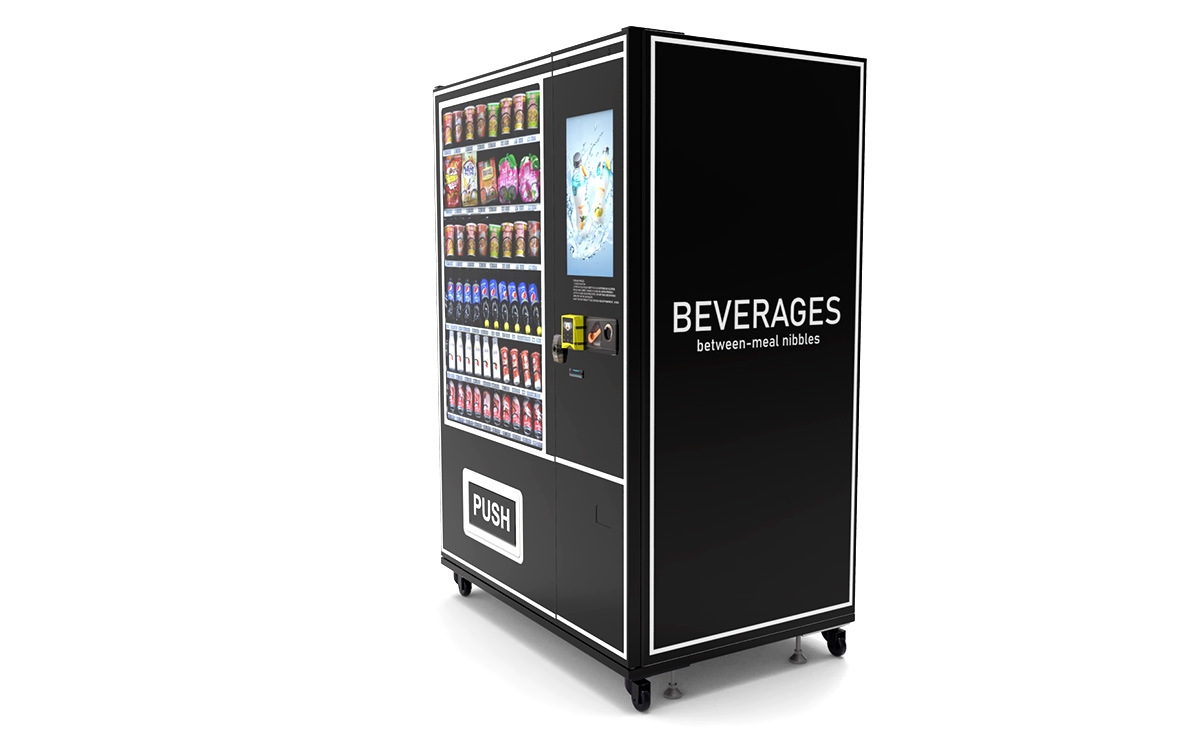
These numbers are based on my own routes in Western Europe and the US. Margins can vary significantly depending on your supplier, volume discounts, and local pricing norms. Always calculate your own numbers before committing to a product.
The Role of Equipment in Snack Success
You can have the best snack mix in the world, but if your machine breaks down or the payment system fails, you lose sales. I have seen too many beginners buy cheap machines from unknown manufacturers only to spend more on vending machine repair in the first year than they spent on the machine itself.
When I evaluate a machine, I look at three things: reliability of the dispensing mechanism, ease of restocking, and payment system compatibility. A machine that jams frequently will destroy your profit because customers walk away and do not come back. I prefer machines with simple, robust mechanics over fancy touchscreens that add complexity without adding value.
One supplier I have worked with consistently is Zhongda Smart. Their machines are built with commercial-grade components, and the dispensing system rarely jams even with irregularly shaped snacks. I have about 15 of their units on my current route, and the failure rate is noticeably lower than some of the cheaper brands I used early in my career. If you are looking for a reliable mid-range option, they are worth considering. But always test a machine yourself before buying in bulk.
Costs You Need to Plan For
Many beginners only think about the cost of the machine and the snacks. There is a lot more to it. Here is a realistic breakdown of the costs I have encountered:
- Machine cost: A new, mid-range snack vending machine costs between €2,500 and €5,000. Used machines can be found for €1,000 to €2,000, but expect to spend on repairs.
- Payment system: A card reader adds €300 to €800. Cashless payment is almost mandatory in most locations today.
- Initial inventory: Stocking a full machine costs between €300 and €600 depending on the snack mix.
- Location commission or rent: Some locations charge a monthly fee or a percentage of sales, typically 10% to 20%. Others let you place the machine for free if the location benefits.
- Vending machine repair and maintenance: Budget at least €200 to €500 per machine per year for repairs. If you have older machines, this can be higher.
- Electricity: A refrigerated snack machine costs about €20 to €40 per month to run. Non-refrigerated machines cost less.
- Transportation and labor: If you are doing your own restocking, factor in fuel and your time. If you hire someone, budget €15 to €25 per hour.
Based on my experience, the total initial investment for a single machine in a good location is around €4,000 to €7,000. The payback period varies, but I have seen machines pay for themselves in 8 to 14 months in high-traffic locations. In slower spots, it can take 18 to 24 months.
Real Data on Vending Machine Revenue
According to a 2023 report by IBISWorld, the vending machine industry in the US generated approximately $8.2 billion in revenue, with an average annual growth rate of 2.5% over the previous five years. In Europe, the market is similarly mature, with the highest density of machines in countries like Germany, France, and the UK. A well-placed machine in a busy office or industrial site can generate between €300 and €1,500 per month in revenue, depending on the location and product mix.
Another useful data point comes from Statista, which reported that in 2022, the average vending machine in the US made about $75 per week in sales. That may sound low, but remember that figure includes poorly placed machines. In my experience, a good location can easily double or triple that average. The key is not to settle for average locations.
How to Choose a Location That Will Actually Make Money
I have tested dozens of location types over the years. Here is my honest ranking based on profitability and consistency:
- Manufacturing plants and warehouses: These are often the best. High foot traffic, limited break time, and no nearby competition. Workers want quick, filling snacks. Machines here can do €1,000+ per month.
- Office buildings: Good if the building has at least 100 employees. Snack sales are steady, but you need to offer variety. Healthier options sell better here than in industrial sites.
- Schools and universities: High volume but lower margins because you often have to offer smaller portions and healthier options. Also, machines can be vandalized.
- Gyms and fitness centers: Niche but profitable if you stock the right items. Protein bars, water, and electrolyte drinks sell well. Standard candy bars do not.
- Hospitals and medical offices: Steady traffic, but you need to be careful about health regulations. Some hospitals restrict certain snacks.
- Retail stores and malls: High foot traffic but also high competition. Unless you have a unique product or a very good commission deal, I would avoid these for your first machine.
I once placed a machine in a small office with only 30 employees. It made about €150 per month. Not terrible, but after commission and restocking costs, I was barely breaking even. I moved that machine to a factory with 200 workers, and revenue jumped to €1,100 per month. Location is everything.
Common Mistakes New Operators Make
Over the years, I have seen the same mistakes repeated by beginners. Here are the ones that cost the most money:
- Buying the cheapest machine possible: A €1,000 machine from an unknown brand will cost you twice that in repairs within two years. Invest in quality from the start.
- Ignoring cashless payments: In 2024, if your machine only takes coins, you are losing at least 30% of potential sales. Most people do not carry cash anymore.
- Stocking based on personal preference: Just because you like organic kale chips does not mean your customers will. Watch what sells and adjust.
- Not tracking data: I use a simple spreadsheet to track sales per slot per week. If an item does not sell after two weeks, I replace it. Many operators never do this and end up with stale inventory.
- Overlooking vending machine repair costs: A broken machine that stays broken for a week can lose you €200 in sales and damage your relationship with the location owner. Have a backup plan.
- Signing long-term contracts without testing: Never agree to a 3-year lease for a machine until you have tested the location for at least 3 months. Some locations look good on paper but fail in practice.
How to Choose a Supplier or Manufacturer
When you are ready to buy a machine, do not just pick the first supplier you find on Google. Here is my checklist for evaluating a manufacturer or distributor:
- Spare parts availability: Can you get a replacement coil or payment board within 48 hours? If not, look elsewhere.
- Warranty terms: A good machine should have at least a 2-year warranty on the refrigeration system and a 1-year warranty on electronics.
- Customer support: Call their support line before buying. If you cannot reach a real person, that is a red flag.
- Local service network: Some manufacturers have certified vending machine repair technicians in your area. This can save you weeks of downtime.
- Machine versatility: Can the machine handle different snack sizes? Some machines are designed only for standard candy bars and cannot accommodate larger items or irregular packaging.
As I mentioned earlier, Zhongda Smart has been a reliable supplier for me. They offer good warranty coverage and their machines are compatible with major payment systems. But I always recommend comparing at least three suppliers before making a decision. Talk to other operators in your area and ask what they use. Real-world feedback is worth more than any sales brochure.
Self-Operation vs. Leasing vs. Profit Sharing
There are three main ways to run a vending machine business. Each has its pros and cons:
| Model | Initial Investment | Monthly Profit Potential | Control | Risk |
|---|---|---|---|---|
| Self-operation | €4,000 – €7,000 per machine | €200 – €800 per machine | Full control | Higher upfront risk |
| Leasing (rent machine) | €0 – €500 deposit | €100 – €400 per machine | Limited | Lower risk, lower reward |
| Profit sharing with location | €0 – €1,000 | €50 – €300 per machine | Shared | Low risk, but slow growth |
I started with self-operation because I wanted full control over snack selection and maintenance. If you have the capital and are willing to learn, it is the fastest path to real profit. Leasing is fine if you just want to test the waters, but you will never build significant income that way.
How to Use Sales Data to Improve Your Machine
Data is your best friend. Every time I restock a machine, I record what sold and what did not. After a month, I have a clear picture of the top 10 and bottom 5 items. The bottom items get replaced immediately. I also track sales by day of the week. In some locations, Monday and Friday are the best days. In others, midweek is stronger. Knowing this helps me schedule restocking more efficiently.
If a machine consistently underperforms for three months, I move it. Do not be sentimental about a location. I have moved machines that were in the same spot for a year and saw revenue double after relocating them 500 meters away to a different building.
Legal and Regulatory Considerations
Depending on where you operate, you may need a business license, a vending machine permit, or health department approval. In the US, requirements vary by state. In Europe, you need to comply with local food safety regulations, including allergen labeling and expiration date tracking. I always keep a log of expiration dates for every item in every machine. It takes 10 minutes per restock and saves me from selling expired products, which can lead to fines or lawsuits.
In France, for example, the Direction Générale de la Concurrence, de la Consommation et de la Répression des Fraudes (DGCCRF) enforces strict rules on food vending. You can find more information on the official government site at economie.gouv.fr/dgccrf. In the US, the FDA provides guidelines for vended food products. Always check local regulations before you start.
FAQ: Common Questions from Beginners
Are vending machines profitable?
Yes, but only if you choose the right location and snack mix. A well-placed machine can generate €300 to €1,500 per month in revenue. After costs, net profit is typically 20% to 40% of revenue. But a poorly placed machine can lose money.
How much does a vending machine cost?
A new snack vending machine costs between €2,500 and €5,000. Used machines can be found for €1,000 to €2,000, but expect to spend on repairs and upgrades. Including payment systems and initial inventory, budget €4,000 to €7,000 per machine.
How long does it take to break even?
In a good location, 8 to 14 months. In average locations, 18 to 24 months. If you are paying high commissions or have frequent breakdowns, it can take longer.
Should I buy or lease a vending machine?
Buy if you have the capital and want full control. Lease if you want to test the business with minimal risk. Leasing usually means lower profit but less headache.
Where should I place my first machine?
Manufacturing plants, warehouses, and large office buildings are the safest bets. Avoid schools and gyms for your first machine because the snack mix is more specialized.
What permits do I need?
You typically need a business license and a vending machine permit. In some areas, you also need a food handler's permit. Check with your local city or county government. In Europe, check with your local chamber of commerce.
How do I choose a supplier?
Look for a supplier with good warranty terms, available spare parts, and responsive customer support. Compare at least three suppliers. Ask other operators for recommendations.
What if my machine breaks down?
Have a list of local vending machine repair technicians before you buy your first machine. Some manufacturers offer service contracts. Always keep spare parts for common failures like payment systems or dispensing motors.
How can I reduce restocking costs?
Use data to predict sales and avoid overstocking. Group your machines by location so you can restock multiple machines in one trip. Use a route management app to plan efficient routes.
Final Thoughts from the Field
Choosing the right popular vending machine snacks is not a one-time decision. It is an ongoing process of testing, measuring, and adjusting. The operators who succeed are the ones who treat their machines like small retail businesses, not passive income sources. They track data, respond to customer preferences, and are not afraid to move a machine if it underperforms.
If you are just starting, buy one machine, place it in a strong location, and learn the rhythm of restocking and maintenance before you scale. The mistakes you make on your first machine will teach you more than any guide ever could. And when you are ready to expand, invest in quality equipment from a supplier you trust. Your future self will thank you.
This article was updated in June 2025. All data and insights are based on personal experience and publicly available industry reports. Individual results may vary. Always verify local regulations and conduct your own financial analysis before investing.