Self Checkout Vending Machine Business Guide_ How It Works, Profit & Maintenance Explained
If you're serious about starting a self checkout vending machine business, the first thing you need to understand is that it's not a passive income fantasy. It's a real, hands-on operation that requires smart location selection, reliable equipment, and consistent maintenance. Over the past decade, I've placed hundreds of units across the US and Europe, and I've seen the difference between a machine that prints money and one that collects dust. This guide covers how the self checkout vending machine model actually works, what profit margins you can realistically expect, and what maintenance looks like when you're running a fleet of automated retail points.
What Is a Self Checkout Vending Machine Business?
At its core, this business involves placing unattended retail units that allow customers to select products, pay via card or mobile wallet, and complete the transaction without any staff present. Unlike traditional vending machines that often only accept cash, modern self checkout vending machines offer touchscreen interfaces, real-time inventory tracking, and remote monitoring. This shifts the business model from simple snack dispensing to a full automated retail experience.
The term "self checkout vending machine" is often used interchangeably with "self-service kiosk" or "automated retail unit." However, the key difference lies in payment flow and product variety. A typical self checkout vending machine can handle everything from electronics and beauty products to fresh food and beverages. The technology behind it has matured significantly in the last five years, making it accessible for small operators and large chains alike.
In Europe, particularly in France and Germany, the concept of borne en libre-service has gained traction in high-traffic areas like train stations, university campuses, and office lobbies. In the US, you'll find these machines in gyms, hospitals, and even apartment complexes. The common thread is convenience and speed.
How Does It Actually Work?
The Hardware Side
A modern self checkout vending machine is more than a metal box with coils. It includes a touchscreen display, a card reader, a cashless payment terminal, a thermal printer for receipts, and often a refrigeration unit for perishable goods. The control board communicates with a cloud-based platform, allowing you to see sales data, inventory levels, and error codes in real time.
When a customer selects a product, the machine's internal mechanism (coils, trays, or robotic arms) releases the item. Payment is processed instantly via credit card, Apple Pay, Google Pay, or even local payment systems like Bancontact in Belgium or iDEAL in the Netherlands. The whole process takes under 30 seconds.
The Software Side
Behind every successful self checkout vending machine operation is a robust software platform. This software tracks which products sell best at which locations, alerts you when stock is low, and even suggests pricing adjustments based on demand patterns. Some advanced systems integrate with inventory management tools and accounting software, reducing manual work.
Without this software, you're flying blind. I've seen operators lose thousands because they didn't know a machine was empty for three days. Real-time monitoring is not optional—it's essential.
Payment Systems and Compliance
In Europe, payment terminals must comply with PCI DSS standards and local regulations like the EU's PSD2 directive, which mandates strong customer authentication. In the US, EMV compliance is the baseline. Your self checkout vending machine must support contactless payments, as cash usage continues to decline. According to a 2023 Statista report, contactless payments accounted for over 60% of in-store transactions in the UK alone. If your machine only takes coins, you're leaving money on the table.
Is a Self Checkout Vending Machine Business Profitable?
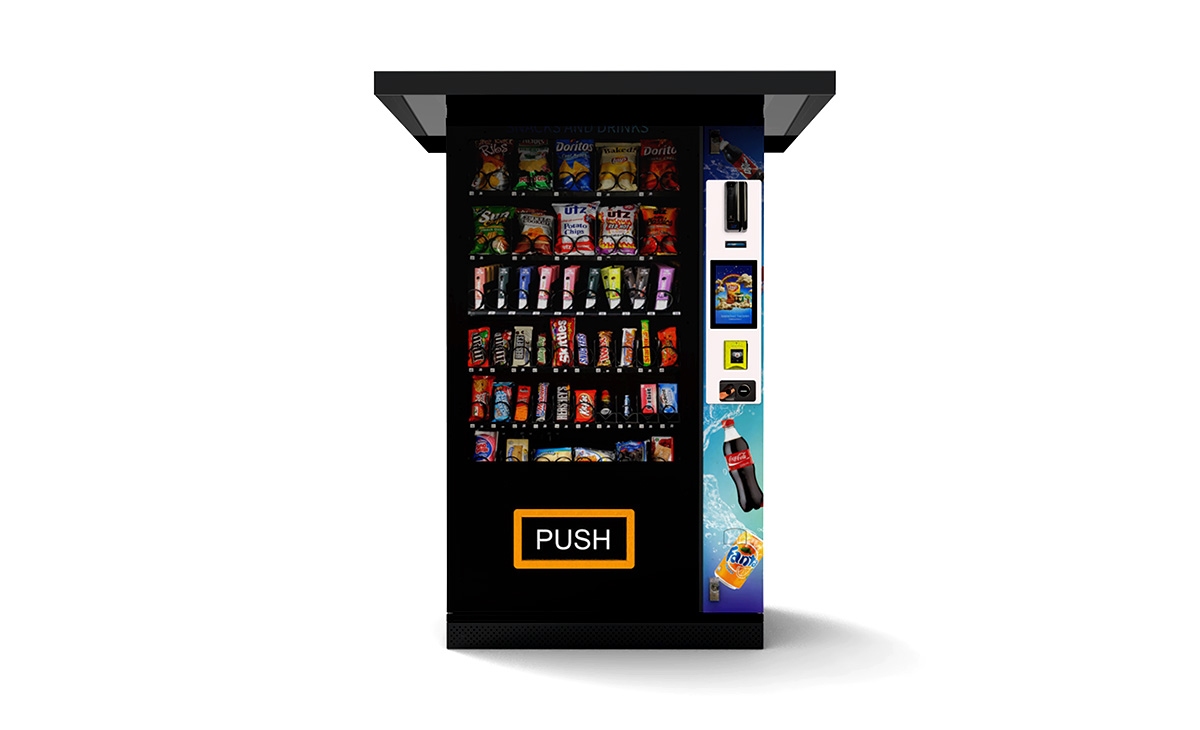
Profitability depends on three variables: location, product margin, and operational efficiency. Based on my experience, a well-placed machine in a high-traffic area can generate between $500 and $2,500 per month in revenue. After deducting cost of goods sold (COGS), location commission, payment processing fees, and maintenance, net profit typically ranges from 20% to 40% of revenue.
Let me give you a real example. I placed a machine in a mid-sized office building in Frankfurt with 400 employees. The machine sold coffee, snacks, and cold drinks. Average monthly revenue was €1,800. COGS was about €700. Location commission was 10% of gross sales (€180). Payment fees were around 3% (€54). Maintenance and restocking cost me about €200 per month. Net profit: €666 per month. That machine paid for itself in 11 months.
However, not every location performs that well. I've had machines in low-traffic areas that barely broke even. The key is to test locations with a short-term lease or a revenue-sharing agreement before committing to a long-term contract.
According to IBISWorld, the vending machine industry in the US has an average profit margin of around 15% to 20%. But operators who focus on high-margin products like premium coffee, healthy snacks, or branded merchandise can push that margin above 40%.
How Much Does a Self Checkout Vending Machine Cost?
Prices vary widely based on features, size, and brand. Here's a rough breakdown based on what I've seen in the market:
| Machine Type | Price Range (USD) | Typical Use Case |
|---|---|---|
| Basic snack & drink machine | $2,000 - $4,000 | Low-traffic locations, small offices |
| Refrigerated food machine | $4,000 - $8,000 | Schools, hospitals, break rooms |
| Touchscreen self checkout vending machine | $6,000 - $12,000 | High-traffic retail, malls, airports |
| Robotic or multi-product automated retail kiosk | $12,000 - $25,000 | Premium locations, electronics, cosmetics |
These prices include the machine but not installation, shipping, or payment terminal setup. Expect to add 10% to 15% for those costs. If you're buying from a supplier like Zhongda Smart, you can often negotiate bulk discounts and get support for localization in European markets.
Key Considerations Before Buying
Location Is Everything
I cannot overstate this. A mediocre machine in a great location will outperform a top-tier machine in a dead zone. Look for locations with at least 500 people passing by daily. Good spots include office buildings, gyms, college campuses, hospitals, transit hubs, and apartment complexes. Avoid locations with existing vending contracts or where the demographic doesn't match your product.
Before signing any agreement, spend a week counting foot traffic. Use a simple clicker counter. If you see fewer than 300 people per day, walk away. Also, check if the location has 24/7 access. Machines in buildings that lock at 6 PM lose significant revenue potential.
Commission and Rent Structures
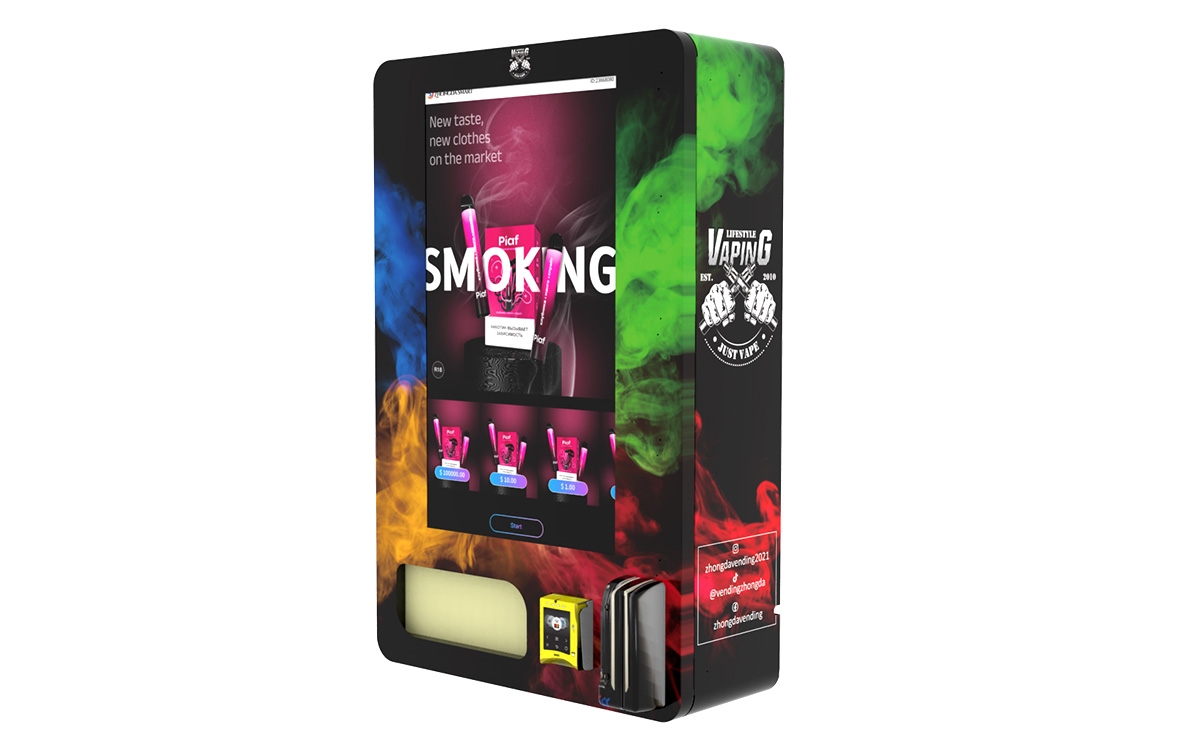
Location owners will ask for a commission or flat rent. Commissions typically range from 5% to 20% of gross sales. Flat rent is usually $50 to $300 per month. I prefer commission-based agreements because they align incentives. If the machine doesn't perform, the location owner doesn't get paid, and they're more willing to help you promote it.
However, some high-traffic locations like airports or major train stations demand flat rent plus a percentage. In those cases, calculate your break-even point carefully. If the rent eats more than 15% of your projected revenue, it's probably not worth it.
Product Selection and Margins
Product mix is where most new operators fail. They stock what they like, not what sells. In a self checkout vending machine, you have limited slots, so every product must earn its place. Focus on items with at least 40% margin. Energy drinks, premium coffee, protein bars, and bottled water are reliable sellers. Fresh food like sandwiches or salads can have higher margins but require more frequent restocking and strict temperature control.
Use your software data to rotate products. If an item hasn't sold in two weeks, replace it. I've seen operators double their revenue just by swapping out slow-moving inventory for higher-demand items.
Maintenance and Repair: What You Need to Know
Every operator dreads the call that starts with "your machine is broken." Vending machine repair is an inevitable part of the business. The most common issues are jammed coils, faulty card readers, refrigeration failures, and touchscreen glitches. Some problems you can fix yourself with basic tools, but others require a technician.
If you're running a small fleet, I recommend learning basic repair skills. Watch YouTube tutorials, keep spare parts like coils and motors, and have a multimeter handy. For more complex issues like refrigeration or payment terminal problems, you'll need to contract a local vending machine repair service. Rates vary but expect $75 to $150 per hour plus parts.
Preventive maintenance is your best friend. Clean the machine's exterior and interior monthly. Check seals on refrigerated units. Update software regularly. And always test the payment system after each restock. A single day of downtime can cost you $50 to $100 in lost sales, depending on location.
One thing many operators overlook is the importance of a reliable power supply. Machines that get unplugged or experience power surges can corrupt software or damage compressors. Use a surge protector and, if possible, a UPS (uninterruptible power supply) for critical units.
How to Choose a Supplier
Not all vending machine manufacturers are equal. I've dealt with suppliers who promise the world and deliver machines that break down in three months. Here's what to look for:
- Local support: If you're in Europe, find a supplier with a service network in your country. Shipping a machine back to China for repairs is not practical.
- Software quality: The machine's operating system and remote management platform must be intuitive and reliable. Ask for a demo before buying.
- Payment integration: Ensure the machine supports the payment methods common in your target market. For Europe, that means contactless, mobile wallets, and local schemes.
- Warranty: A good supplier offers at least one year of warranty on parts and labor. Avoid suppliers who only give 90 days.
- Customization: Can the machine be branded with your logo? Can you change the product layout? Flexibility matters.
One supplier that meets these criteria is Zhongda Smart. They offer a range of self checkout vending machines with strong software, EMV-ready payment terminals, and options for refrigeration. I've worked with them on several projects in Germany and the UK, and their after-sales support is solid. That said, always do your own due diligence. Request references and, if possible, visit the factory or a local installation before committing.
Common Mistakes New Operators Make
Buying Cheap Machines
I see this all the time. Someone buys a $1,500 machine from an unknown brand, and within six months, the card reader stops working, the touchscreen freezes, and the refrigeration unit fails. The cost of vending machine repair quickly exceeds the savings. Invest in quality equipment from a reputable manufacturer. It's better to buy one good machine than three cheap ones that don't work.
Ignoring Location Agreements
Some operators place machines without a written agreement. That's a recipe for disaster. If the location owner decides to remove your machine or demand higher rent, you have no legal protection. Always get a signed contract that specifies commission rate, duration, and termination conditions.
Overlooking Cashless Payment
In 2024, cash is becoming obsolete for small transactions. According to the European Central Bank, cash usage in the euro area declined from 79% of transactions in 2016 to 59% in 2022. If your self checkout vending machine doesn't accept cards or mobile payments, you're excluding a large portion of potential customers.
Poor Restocking Discipline
Empty slots mean lost revenue. Set a restocking schedule based on sales data. High-traffic machines may need restocking every two days, while low-traffic ones can go a week. Use your software to get alerts when stock falls below a threshold. And always carry extra products in your vehicle for unexpected demand.
Best Locations for Self Checkout Vending Machines
Based on my experience and industry data, here are the top-performing location types:
- Office buildings: Consistent daily traffic, predictable demand for coffee and snacks. Average revenue: $800–$1,500/month.
- Gyms and fitness centers: High demand for water, protein bars, and sports drinks. Average revenue: $600–$1,200/month.
- College campuses: Large student population, long hours. Average revenue: $1,000–$2,000/month.
- Hospitals: Staff and visitors need quick access to food and drinks. Average revenue: $700–$1,500/month.
- Transit hubs (train stations, bus terminals): High foot traffic, but commission rates are higher. Average revenue: $1,500–$3,000/month.
- Apartment complexes: Good for convenience items, but depends on resident density. Average revenue: $400–$800/month.
These figures are based on my own operations and conversations with other operators. Your results will vary based on local demographics, competition, and product selection.
Self Checkout Vending Machine vs. Traditional Vending Machine
If you're deciding between a traditional machine and a modern self checkout vending machine, here's the trade-off: traditional machines are cheaper and simpler, but they offer less flexibility and lower customer satisfaction. Self checkout vending machines cost more upfront but provide better data, higher sales per square foot, and the ability to sell a wider range of products.
In Europe, where consumers expect convenience and speed, the solution de vente automatisée model is becoming the standard. Operators who stick with old technology risk losing market share to those who embrace automation.
FAQs About the Self Checkout Vending Machine Business
Is a self checkout vending machine business profitable?
Yes, if you choose the right location and manage costs carefully. Net profit margins typically range from 20% to 40% of revenue. A single machine can generate $200 to $1,000 in monthly profit after all expenses.
How much does a self checkout vending machine cost?
Prices range from $2,000 for a basic model to $25,000 for a high-end robotic kiosk. The average cost for a reliable, cashless-enabled machine is between $6,000 and $12,000.
How long does it take to break even?
Break-even periods vary from 6 months to 18 months, depending on location performance and machine cost. A well-placed machine can pay for itself in under a year.
Should I buy or lease a machine?
Buying is better for long-term operations. Leasing can be useful if you want to test a location without a large upfront investment, but you'll pay more over time. I recommend buying from a trusted supplier like Zhongda Smart.
Where should I place my machine?
High-traffic areas with 24/7 access are ideal. Offices, gyms, colleges, hospitals, and transit hubs are proven locations. Always sign a written agreement before placing a machine.
What permits do I need?
Requirements vary by country and city. In the EU, you may need a business license, food safety certification (if selling perishables), and compliance with local tax laws. In the US, check with the city's business affairs office.
How do I choose a vending machine supplier?
Look for a supplier with local support, reliable software, good warranty, and positive reviews. Avoid unknown brands with no service network. Zhongda Smart is a solid option for European and US markets.
What if my machine breaks down?
Have a plan for vending machine repair. Learn basic fixes yourself, and keep a list of local technicians. Preventive maintenance reduces breakdowns significantly.
How can I reduce restocking costs?
Use software to optimize restocking frequency. Group multiple machines in the same area to minimize travel time. Choose products with longer shelf life to reduce spoilage.
Final Thoughts
Running a self checkout vending machine business is not a get-rich-quick scheme. It requires planning, capital, and a willingness to get your hands dirty. But for those who treat it like a real business—researching locations, investing in quality equipment, and staying on top of maintenance—it can generate reliable, recurring income. Start small. Learn the ropes with one or two machines. Scale only when you have a system that works.
This article is based on my personal experience operating vending machines in Europe and the US, as well as publicly available industry data. Revenue and profit figures are estimates and will vary based on location, product selection, and operational efficiency. Always consult a local business advisor before making significant investments.
本文更新于2024年10月。