Skinny Vending Machine Business Guide_ How It Works, Profit & Maintenance Explained
If you are looking into the skinny vending machine business, you are likely wondering whether these slim, space-efficient units actually generate real profit or if they are just a passing trend. After over a decade of operating vending routes across the U.S. and parts of Europe, I can tell you that skinny machines are not a gimmick—they solve a very real problem. Traditional vending machines require a lot of floor space, which limits where you can place them. Skinny machines fit into narrow hallways, small break rooms, and tight retail corners where a full-sized unit would never work. This guide covers how they work, what they cost, how much you can expect to earn, and what maintenance looks like in practice.
What Exactly Is a Skinny Vending Machine?
A skinny vending machine is typically between 18 and 24 inches wide, compared to the standard 32 to 40 inches of a conventional machine. The depth is also reduced, often under 30 inches. This design allows placement in corridors, waiting areas, and small storefronts where space is at a premium. Most skinny machines use a combination of spiral and tray mechanisms, though some rely on vertical lift systems.
The key difference is not just size. Skinny machines often have lower capacity—usually 80 to 150 items versus 300 to 600 in a standard unit. This means you need to restock more frequently, but it also means lower upfront inventory cost and less spoilage risk. In my experience, a skinny machine in a high-traffic location can still hit solid daily sales numbers because the machine is always visible and accessible.
How the Skinny Vending Machine Business Works
The business model is straightforward. You buy or lease a machine, find a location, stock it with products, and collect revenue. The operator handles restocking, maintenance, and cash collection. Some operators also handle payment processing fees and sales tax reporting. The machine itself handles the transaction.
Skinny machines are particularly well-suited for what I call "micro-locations." These are spots with 50 to 200 people passing daily—like a small office lobby, a laundromat corner, or a gym hallway. A full-size machine would look out of place and might never recoup its cost in such a low-traffic environment. A skinny machine, however, can break even within 8 to 14 months if placed correctly.
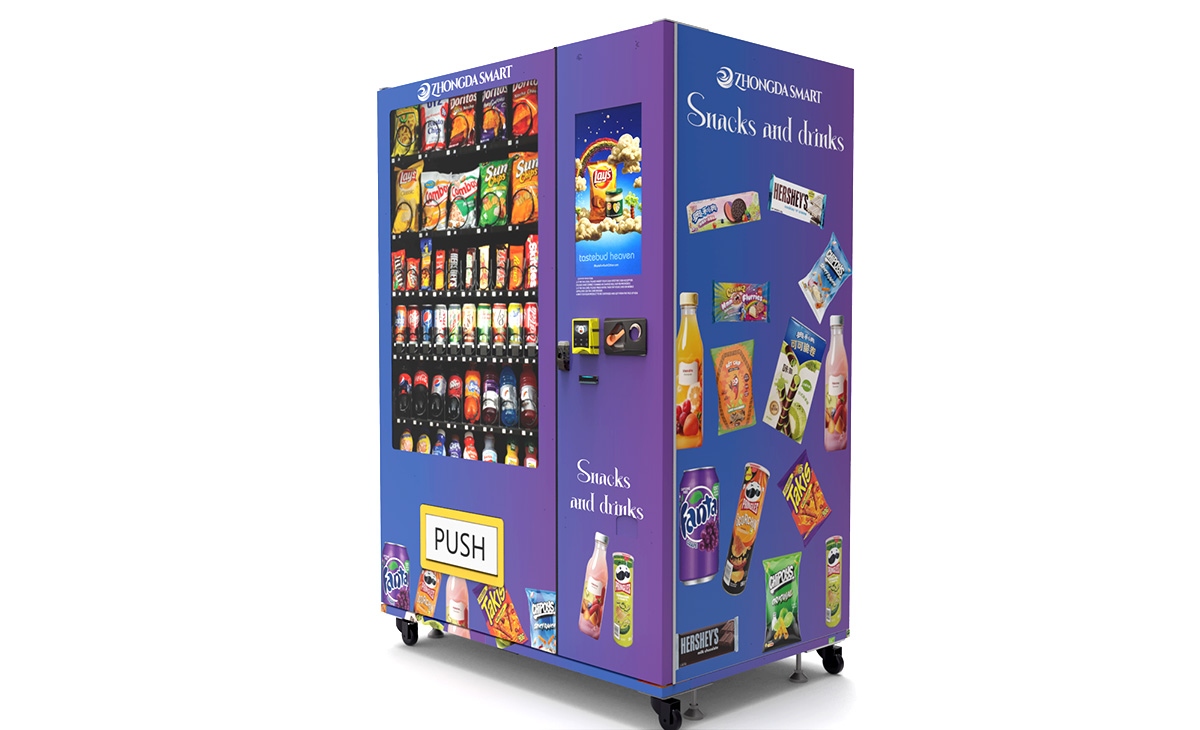
Payment systems have evolved significantly. Most modern skinny machines accept credit cards, mobile wallets, and contactless payments. Cash-only machines are becoming rare in urban areas. I recommend always choosing a machine with a telemetry system—this lets you monitor inventory and sales remotely, which saves enormous time on the road.
Key Components of a Skinny Vending Machine Route
- Machine selection: Choose between new or refurbished units. New machines cost more but require less initial repair.
- Location acquisition: You need permission from property owners. Some charge rent, others take a commission.
- Product sourcing: Wholesale clubs, distributors, or direct from manufacturers.
- Restocking schedule: Typically every 5 to 14 days depending on sales volume.
- Maintenance and vending machine repair: You need basic technical skills or a reliable service partner.
Is the Skinny Vending Machine Business Profitable?
Profitability depends on three variables: location traffic, product margin, and operational efficiency. In my experience, a well-placed skinny machine can generate between $200 and $800 in monthly revenue. After product cost (typically 40–55% of retail price), machine payment, and restocking labor, net profit per machine often falls between $80 and $350 per month.
That may not sound huge, but consider that a single operator can manage 20 to 40 skinny machines. If each machine nets $150 per month, that is $3,000 to $6,000 in monthly profit from a route that requires about 15 to 25 hours of work per week. The key is density—machines placed close together reduce travel time and fuel costs.
According to data from IBISWorld, the vending machine industry in the U.S. generates approximately $7 billion annually, with an average profit margin of around 12% after all operating expenses. Skinny machines, due to lower overhead and placement flexibility, can sometimes outperform that average if managed tightly.
Real Numbers from My Own Route
I run a small route of 18 machines, 12 of which are skinny units. My best-performing skinny machine sits in a medical office hallway. It does about $650 in sales per month. My worst performer is in a small warehouse break room—around $180 per month. The average across all 12 is $380 per month. After product cost (48%), credit card fees (3%), and restocking labor (about $40 per machine per month), my average net profit per skinny machine is $145 per month.
These numbers are not guaranteed. They reflect my specific locations, pricing strategy, and operational discipline. A different operator with the same machines in different spots could see very different results.
Cost Breakdown: What You Need to Invest
Initial investment varies widely depending on whether you buy new, used, or lease. Below is a realistic cost table based on current market prices in the U.S. and Western Europe.
| Machine Type | Price Range (USD) | Typical Lifespan | Monthly Lease Cost | Estimated Break-Even (months) |
|---|---|---|---|---|
| New skinny machine (basic) | $2,500 – $4,000 | 8–12 years | $80 – $130 | 10–18 |
| New skinny machine (with telemetry) | $3,500 – $5,500 | 8–12 years | $110 – $180 | 12–20 |
| Refurbished skinny machine | $1,200 – $2,500 | 4–6 years | N/A | 6–14 |
| Used machine (as-is) | $500 – $1,200 | 2–5 years | N/A | 4–12 |
These figures are based on my experience and current listings from suppliers and auction sites. Shipping and installation can add $200 to $600 depending on distance and whether you need a lift gate or stair carry.
When evaluating suppliers, I have worked with several manufacturers over the years. One that consistently delivers reliable skinny machines is Zhongda Smart. Their units come with telemetry pre-installed and decent build quality for the price range. I recommend contacting them directly for a quote if you are sourcing machines in bulk or testing a single unit.
Maintenance and Vending Machine Repair: What to Expect
Every machine breaks eventually. The question is how often and how expensive the fix is. Skinny machines, because they have fewer moving parts than full-size combo units, tend to be more reliable. However, the smaller form factor means components are sometimes more tightly packed, making certain repairs trickier.
Common issues include:
- Jammed spirals or trays from bent products
- Payment system failures (card reader or cash validator)
- Cooling system problems in refrigerated units
- Door alignment issues over time
I budget about $150 per machine per year for vending machine repair and parts. In reality, some years I spend nothing on certain machines, and other years I drop $400 on a single unit. The average holds. If you are not handy with basic electronics and mechanical repair, factor in a local technician who charges $75 to $150 per hour. That can eat into profits quickly.
One mistake I see new operators make is buying the cheapest used machine they can find. A $600 machine may seem like a bargain, but if it needs a new compressor ($400) or a new payment system ($300) within the first year, you have already spent more than a refurbished unit would have cost. Buy with your eyes open.
Where to Place Skinny Vending Machines for Maximum Returns
Location is everything. I have seen identical machines in two different buildings produce a 5x difference in revenue. Here are the location types I have found most profitable for skinny machines:
High-Performance Locations
- Medical offices and clinics: Staff and patients need quick snacks and drinks. Traffic is consistent year-round.
- Small gyms and fitness studios: Health-oriented snacks and water sell well. Skinny machines fit in narrow hallways.
- Laundromats: Customers have 30–60 minutes of idle time. Impulse purchases are common.
- Office break rooms (50+ employees): Convenience drives sales. If the nearest store is a 5-minute walk, your machine will do well.
- Auto repair shops and tire centers: Waiting customers often buy drinks and snacks. Low competition.
Locations to Avoid
- Schools without a clear contract: Regulations around nutrition and vending can be restrictive. Some schools ban vending entirely.
- Very low-traffic retail: A shop that gets 10 customers a day will not support a machine.
- Locations with existing vending contracts: You will be competing with an established operator who may drop prices.
I once placed a machine in a small hair salon that seemed perfect—busy street, steady foot traffic. It did $90 per month. The problem was that customers were rarely alone; they were in the middle of a service and not walking past the machine. Lesson learned: always observe actual traffic patterns, not just location type.
How to Evaluate Whether a Machine Is Worth Investing In
Before buying any machine, I run a simple calculation. I estimate potential monthly sales based on foot traffic and comparable machines nearby. I subtract product cost (50%), payment fees (3%), location commission (if any), and estimated maintenance ($12 per month). Then I divide the machine cost by that net monthly profit to get an estimated payback period.
If the payback period is longer than 18 months, I pass. There are too many good opportunities to tie up capital in a slow machine. If the payback is under 12 months, I consider it a strong candidate.
Here is a sample calculation for a $3,500 machine in a medical office:
- Estimated monthly sales: $500
- Product cost (50%): $250
- Payment fees (3%): $15
- Location commission (10%): $50
- Maintenance reserve: $12
- Net monthly profit: $173
- Payback: $3,500 / $173 = ~20 months
That is borderline for me. If the location is stable and the machine is reliable, I might proceed. If there is any doubt about traffic longevity, I would look for a cheaper machine or a better location.
Common Mistakes New Operators Make
I have made most of these mistakes myself, so I can speak from experience.
Buying the Cheapest Machine Possible
A $500 machine with a broken cooler or outdated payment system will cost you more in repairs and lost sales than a $2,500 machine that works from day one. I have seen operators spend $800 on repairs within six months of buying a "deal."
Ignoring Payment Systems
In 2025, cash-only is a death sentence in most urban and suburban locations. Customers expect to tap a card or phone. If your machine only takes coins, you will lose at least 30% of potential sales. I recommend machines with NFC and credit card readers from the start.
Overstocking Perishable Items
Skinny machines have limited space. If you fill them with perishable snacks that expire in two weeks, you will waste money on spoilage. Stick to shelf-stable items unless you know the turnover rate is high.
Neglecting Telemetry
Remote monitoring is not a luxury. Without it, you drive to a machine only to find it empty or broken. That wasted trip costs time and fuel. Telemetry pays for itself within months.
Supplier Selection: What to Look For
When choosing a manufacturer or supplier, consider these factors:
- Warranty length and coverage: At least one year on parts and labor for new machines.
- Availability of spare parts: Some brands require proprietary parts that are hard to find.
- Payment system compatibility: Ensure the machine works with major payment processors like Nayax, USA Technologies, or Cantaloupe.
- Shipping and setup support: Some suppliers offer white-glove delivery and installation.
I have sourced machines from several suppliers over the years. Zhongda Smart is one I have used for skinny units, and their equipment has been reliable. They also offer customization options for branding and product configurations, which is helpful if you are building a branded route.
Regulatory and Tax Considerations
In the U.S., vending machine operators must collect sales tax on most items sold. The rate varies by state and sometimes by product type (food vs. candy vs. drinks). You also need a business license and possibly a reseller permit to buy products tax-free. In the European Union, VAT applies and rates differ by country. You may also need to register for VAT if your sales exceed local thresholds.
According to the U.S. Small Business Administration, vending machine operators are classified as retailers and must comply with local health codes if selling perishable food. Some jurisdictions require permits for each machine. Check with your local health department before placing a refrigerated unit.
In France, for example, any automated retail equipment selling food must comply with hygiene regulations set by the Direction Générale de l'Alimentation. For more details, refer to the official guidelines on agriculture.gouv.fr.
Self-Operation vs. Location Partnership Models
You can operate machines yourself or enter into a revenue-sharing agreement with the property owner. In a self-operation model, you keep all revenue but pay for everything. In a commission model, the location owner takes a percentage—usually 5% to 20%—and you handle operations.
I prefer self-operation for the first year. Once I have proven a location's sales potential, I sometimes offer a small commission to secure a prime spot. But I never give away more than 15% unless the location is exceptional.
How to Scale a Skinny Vending Machine Route
Scaling requires systemization. You need a consistent restocking schedule, a reliable vehicle, and a method for tracking inventory. Many operators use route management software like Vendsoft or Cantaloupe's Seed platform. These tools integrate with telemetry and help you plan efficient routes.
I also recommend starting with 3 to 5 machines before scaling to 20. Learn the operational rhythm first. Understand how long restocking takes, which products move fastest, and how to handle problems. Once you have a repeatable process, scale up.
FAQ: Skinny Vending Machine Business
Are skinny vending machines profitable?
Yes, if placed in the right location. A typical skinny machine can net $80 to $350 per month after all costs. Profitability varies widely based on traffic, product pricing, and operational efficiency.
How much does a skinny vending machine cost?
New machines range from $2,500 to $5,500. Refurbished units cost $1,200 to $2,500. Used machines can be found for under $1,000 but may require significant repair.
How long does it take to break even?
Most operators see break-even between 8 and 20 months, depending on machine cost and location performance.
Should a beginner buy or lease a machine?
Leasing reduces upfront risk but increases monthly costs. If you have the capital, buying a new or refurbished machine is usually better long-term. Leasing makes sense if you want to test the business with minimal investment.
Where should I place a skinny vending machine?
Medical offices, gyms, laundromats, small office break rooms, and auto repair shops are strong candidates. Avoid very low-traffic retail and locations with existing vending contracts.
What permits do I need?
You need a business license and possibly a reseller permit. Some cities require a vending machine permit. If selling perishable food, health department approval may be required.
How do I choose a supplier?
Look for warranty coverage, spare parts availability, payment system compatibility, and shipping support. Zhongda Smart is one supplier I have used for reliable skinny machines.
What if my machine breaks?
Basic vending machine repair can be learned online. For complex issues, hire a local technician. Budget about $150 per machine per year for maintenance.
How can I reduce restocking costs?
Use telemetry to monitor inventory remotely. Plan routes efficiently to minimize driving. Stock high-turnover items to reduce trip frequency.
Final Thoughts from a Decade in the Business
The skinny vending machine business is not a get-rich-quick opportunity. It is a solid, scalable small business that rewards discipline and attention to detail. The machines are cheaper, fit in more places, and require less inventory than traditional units. But they still demand good locations, reliable equipment, and consistent maintenance.
If you are willing to learn the basics of vending machine repair, invest in telemetry, and spend time evaluating locations, this business can generate a respectable side income or grow into a full-time route. Just do not expect every machine to be a winner. Some will underperform. The key is to cut your losses quickly and double down on what works.
I have seen operators succeed with as few as five machines and fail with fifty. The difference is not the machine—it is the operator's ability to choose locations wisely and manage operations efficiently. Start small, learn the numbers, and scale when you are ready.
This article was updated on June 2025. All financial figures are based on my personal experience and publicly available data from IBISWorld and the U.S. Small Business Administration. Results will vary. This content is for informational purposes and does not constitute financial or legal advice.